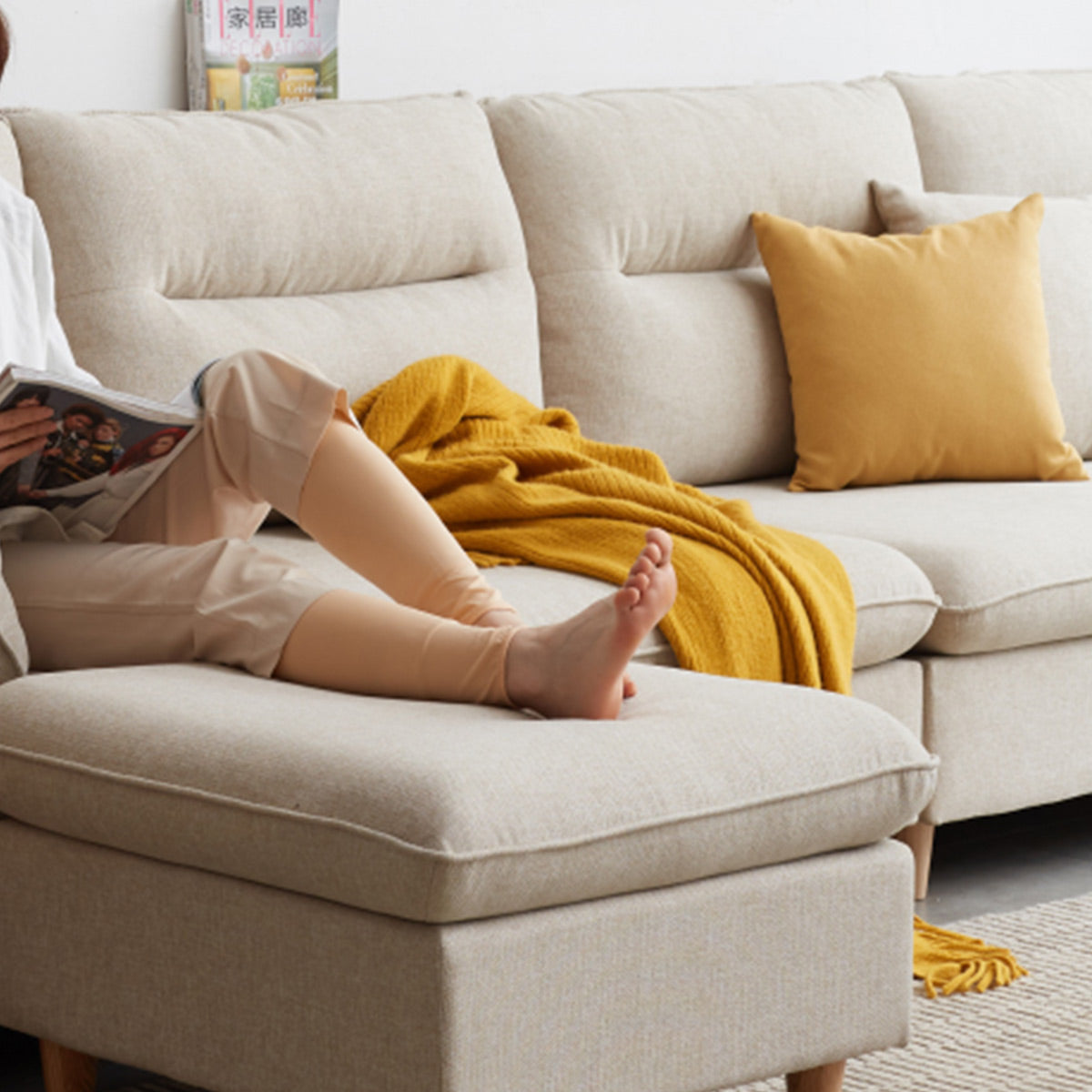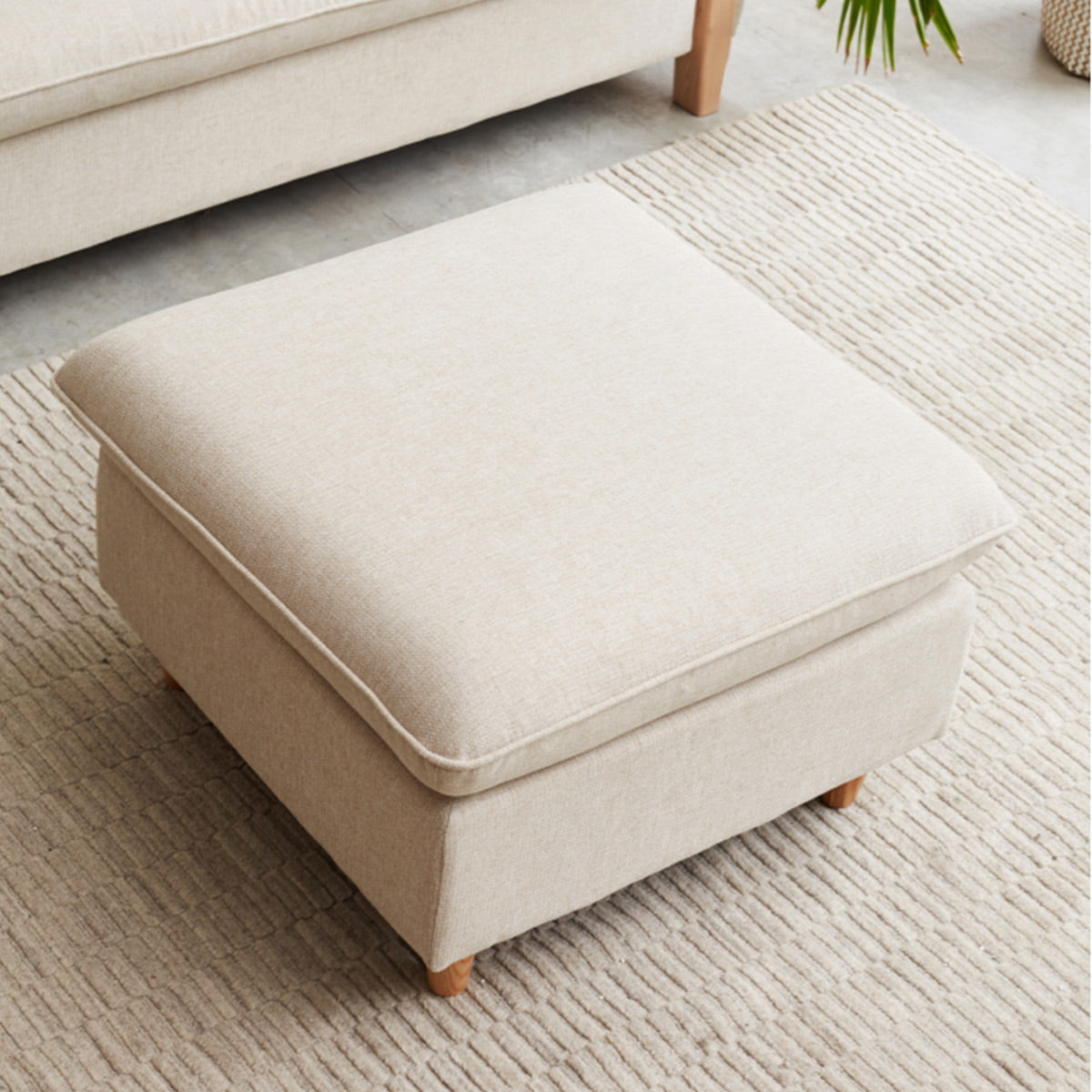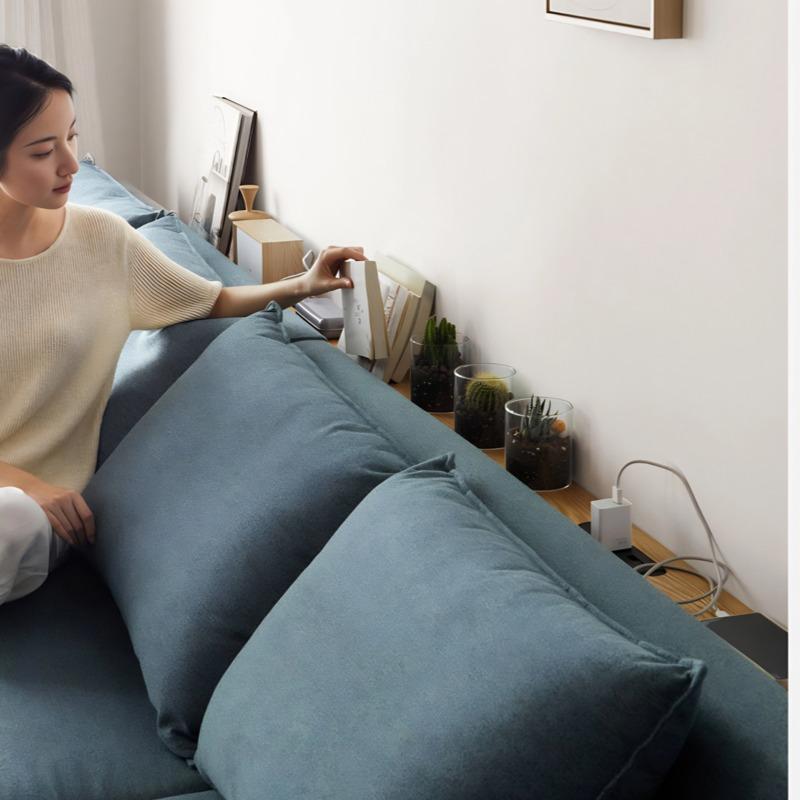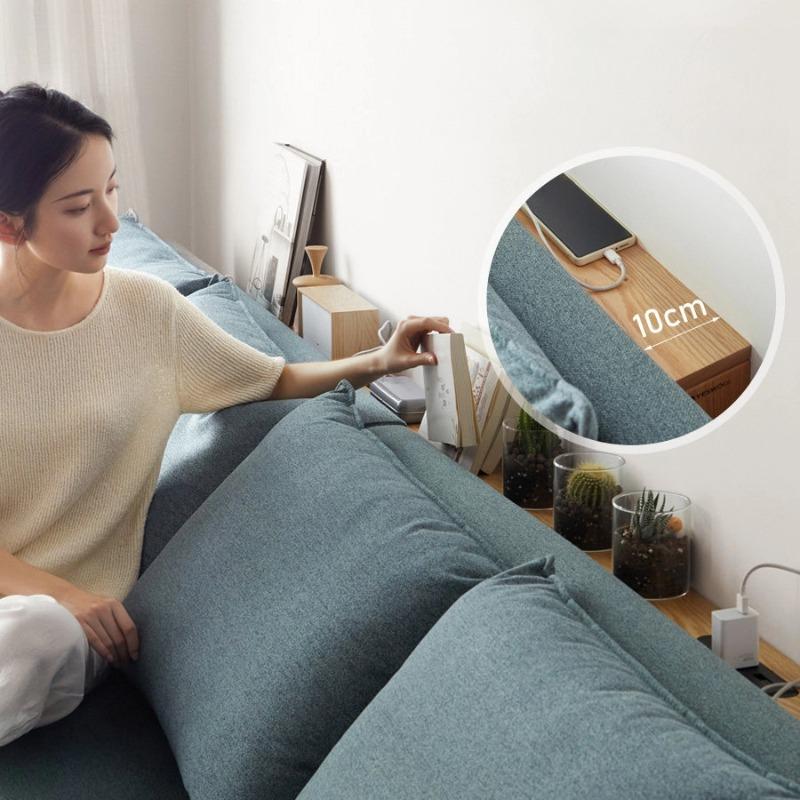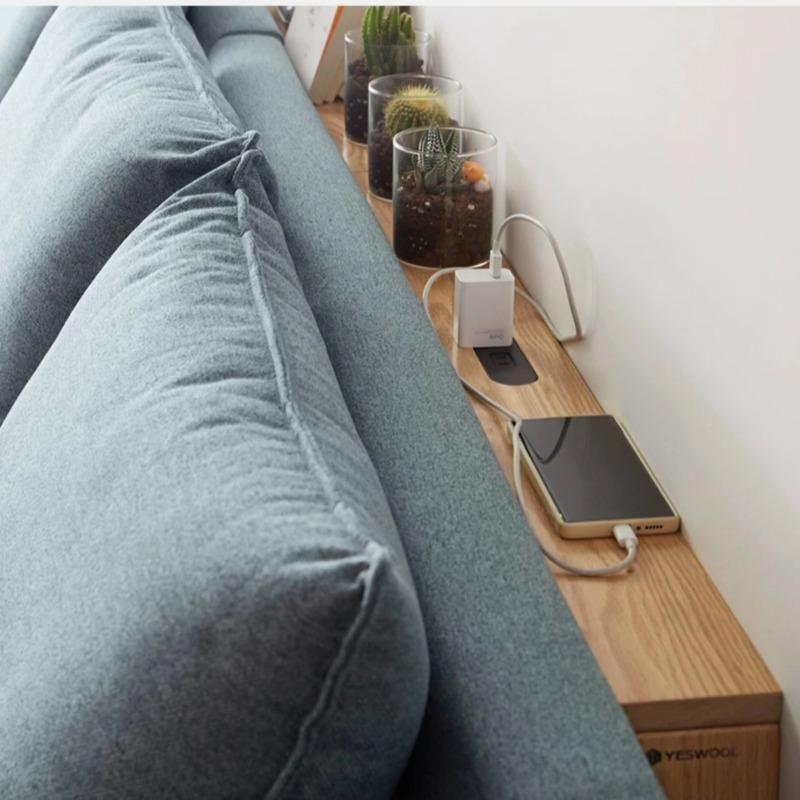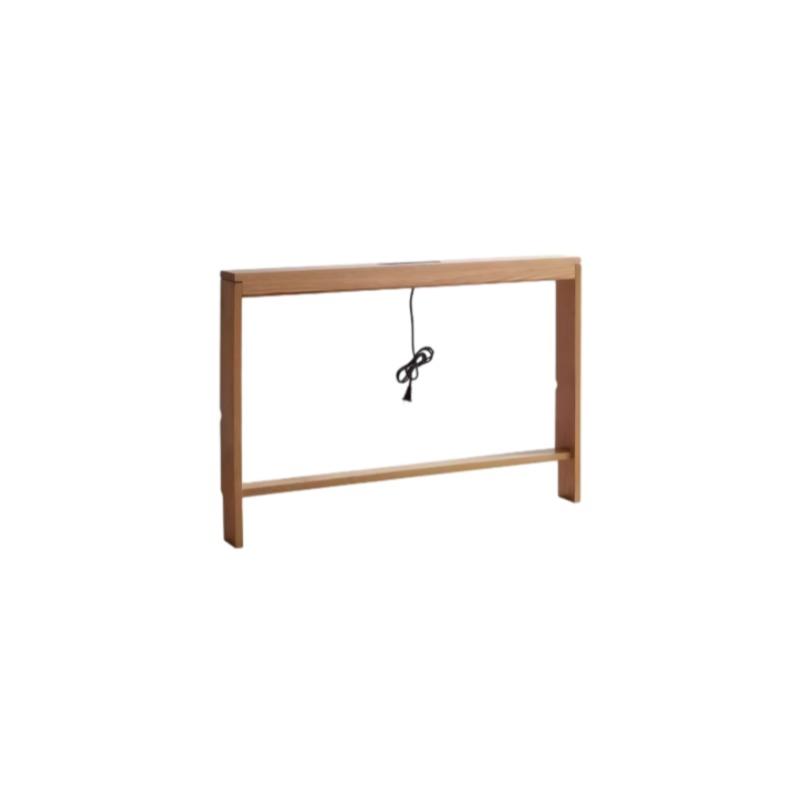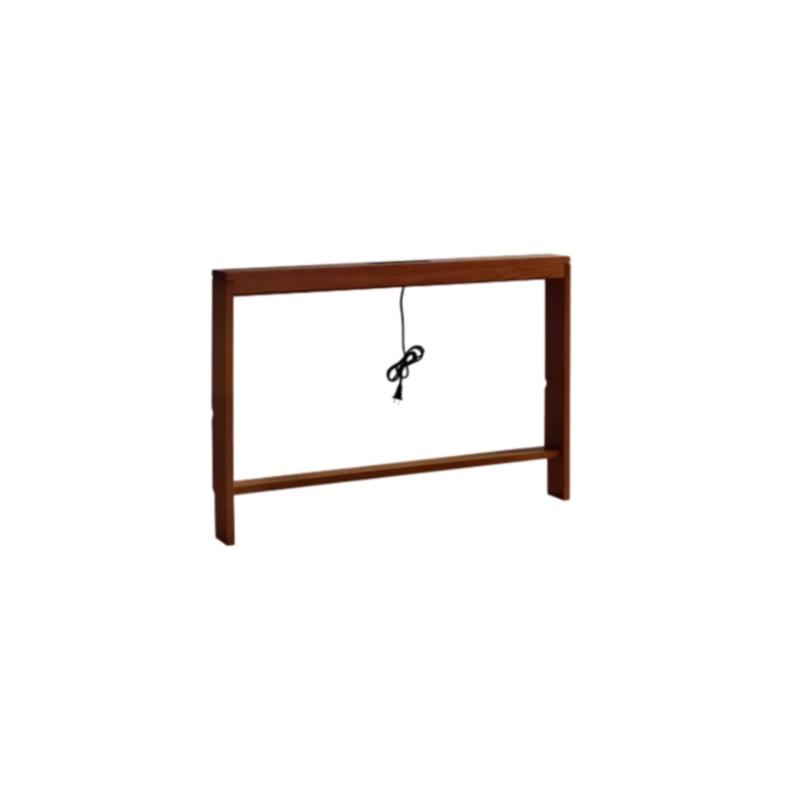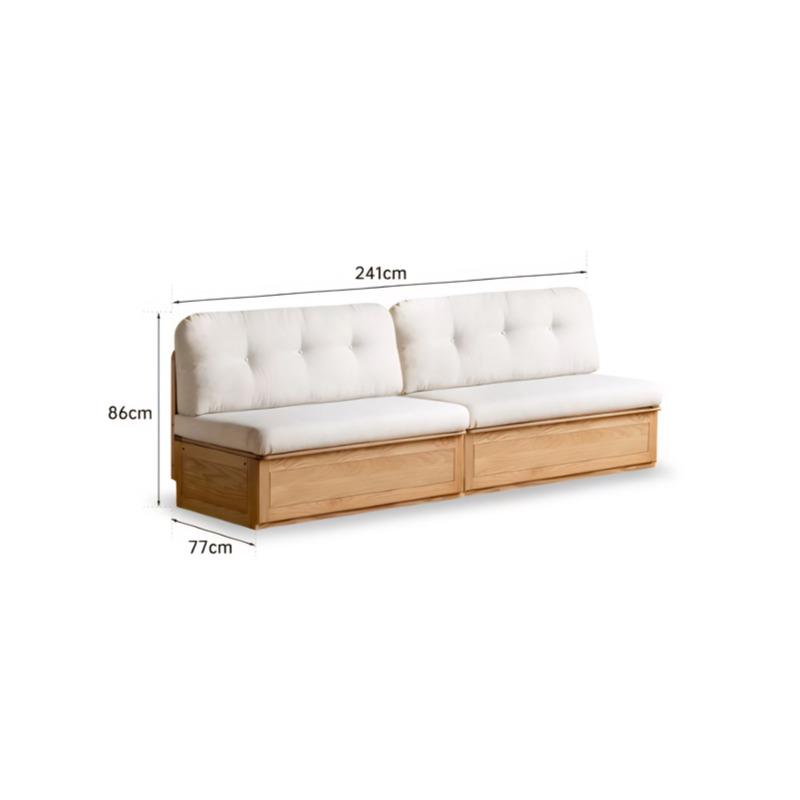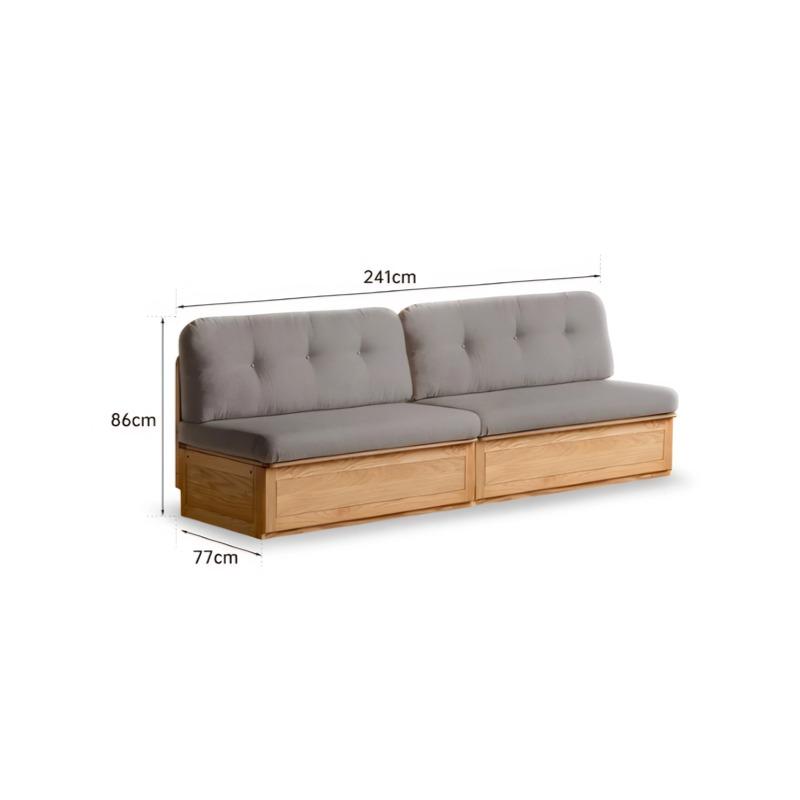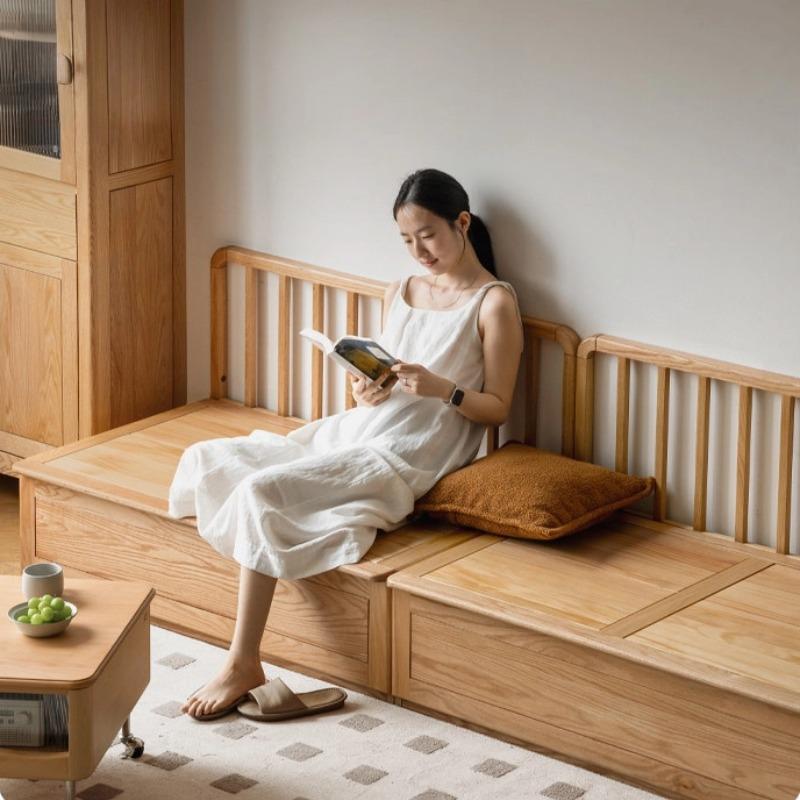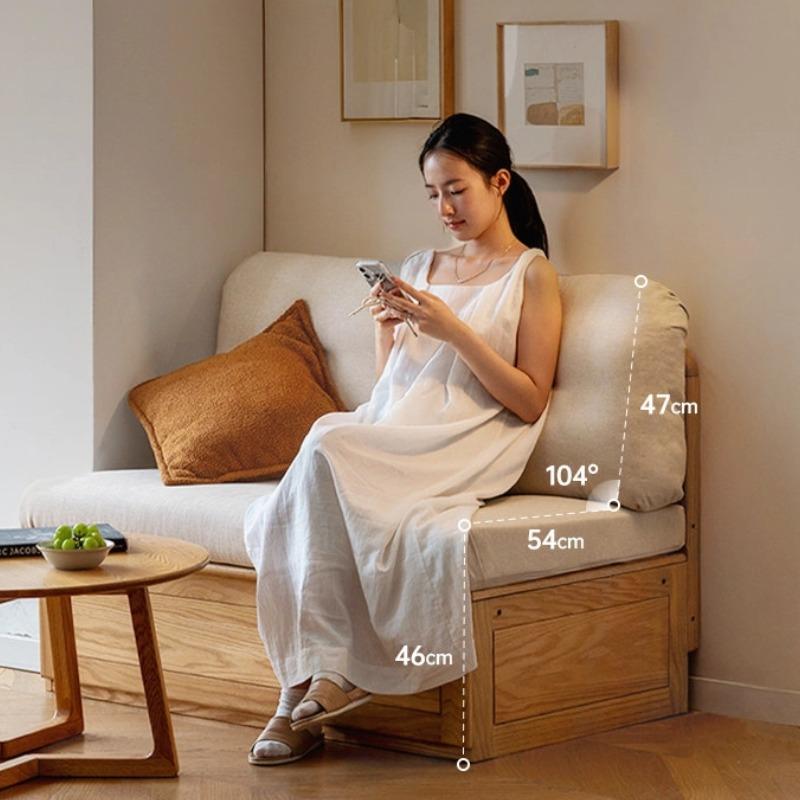



A well-chosen side table makes your bedroom feel calmer and easier to use. It gives your essentials a proper place, keeps your night routine within reach, and helps the area beside your bed look considered instead of cluttered.
The challenge is balance. Your bedroom side tables should look good with your bed frame, but they also need to suit your mattress height, storage habits, and available floor space. Too low, and you need to reach awkwardly. Too wide, and your room feels cramped. Too open, and daily clutter becomes harder to hide.
This guide will help you choose bedside tables that fit your room, support your routine, and add quiet style to your sleeping area.
Finding the Ideal Table Height Relative to Your Mattress
Your side table should generally align with the top of your mattress or sit slightly lower. This keeps your lamp, phone, book, or glass of water within easy reach while you are lying down. If the table sits too high, it can feel awkward. If it sits too low, reaching for items at night becomes less comfortable.
Before buying bedroom side tables, check these three things:
● Measure your current mattress height from the floor: Measure from the floor to the top of your mattress, not just the bed frame. This gives you the most accurate height reference.
● Compare the table dimensions before buying: Check the product height carefully and compare it with your mattress measurement. A small difference is usually fine, but a large height gap can affect comfort.
● Test your arm reach from a lying position: Lie on your bed and reach towards the spot where the table will sit. You should be able to reach daily items without twisting your body or stretching too far.
Height may seem like a small detail, but it changes how natural your bedside setup feels. The right proportion also makes the bed area look more balanced.
Practical Storage Needs: Drawers vs. Open Shelves
Good bedside tables should match how you use your space at night. Some people only need room for a lamp and phone. Others keep books, skincare and chargers beside the bed. They may also keep medication, tissues, sleep masks or personal items nearby.
Before choosing between drawers and open shelves, think through your habits.
-
Assess the amount of nighttime clutter: If you keep several small items beside your bed, closed storage may help the room look neater. If you only keep one or two items nearby, an open shelf may be enough.
-
Review your daily habits and item accessibility: Items you use every night should be easy to reach. Items you prefer to keep private or dust-free may sit better inside a drawer.
-
Check available floor space: A table with drawers can feel more substantial, while an open shelf design may look lighter in a smaller room. Measure the area beside your bed so the table does not block wardrobe doors, curtains, or walking space.
The best choice depends on how much you need to store and how clean you want the surface to look.
The Benefits of a Chest of Drawers
A chest of drawers works well if you prefer a tidier bedside setup. It gives you closed storage, which helps keep the surface clear while still keeping essentials close.
Main benefits include:
● Keeping personal items hidden from view
● Reducing dust buildup on belongings
● Holding bulkier items securely
● Creating a cleaner and more streamlined bedroom look
This option suits you if you like a calm, uncluttered bedroom and prefer to keep everyday items out of sight.
The Appeal of Open Shelving
Open shelving gives your bedside area a lighter and more relaxed feel. It works well when you want quick access to your essentials or prefer a more casual, styled look.
Open bedside tables can help by:
● Providing a dedicated display area for books or photos
● Allowing you to grab items quickly in the dark
● Making the room feel less crowded
● Creating visual space in compact bedrooms
This style suits you if you keep your bedside items minimal and enjoy having a few personal pieces on display.
Staging Decor on Your Bedside Tables
Your side table should look good, but it still needs to work hard. The surface should give you enough room for the items you reach for every night, so avoid filling it with too many decorative pieces.
Start with lighting. A table lamp or compact wall light can make your bedroom feel warmer while giving you practical light for reading. Choose a lamp that suits the table size, so it does not overwhelm the surface.
Keep decor simple. One small tray, a book, or a framed photo is often enough. If you like greenery, add a small indoor plant for a soft touch of colour. Just make sure it does not crowd your water glass, phone or alarm.
When styling bedroom side tables, think in layers: light, storage, and one personal accent. This keeps the setup attractive without turning it into another surface to clean.
Considerations for a Side Table Singapore Setup
Choosing a side table Singapore homes can use comfortably means thinking about local room sizes, humidity, and common interior styles. Many HDB flats and condominiums have compact bedrooms, so the right side table should add function without making the room feel tight.
Measure the space beside your bed before shopping. Leave enough room to move comfortably and check whether the table affects wardrobe doors, curtains, or power sockets. If your bed sits close to the wall, a narrower design may work better than a wide table with bulky drawers.
Material choice also matters in Singapore’s humid climate. Look for pieces with finishes that are easy to maintain and wipe down. Regular cleaning and proper ventilation can help your furniture stay in better condition over time.
Style-wise, many local homes lean towards modern, minimalist and Japandi interiors. Scandinavian and warm contemporary styles also work well. IUIGA’s thoughtfully designed furniture fits well into these spaces, especially if you want pieces that feel clean, practical, and fairly priced without looking plain.
Conclusion
The right bedroom side tables make your room feel more organised, comfortable, and complete. Start with height, as your table should sit close to your mattress level for easy reach. Then, choose the storage style that fits your habits, whether that means closed drawers for a cleaner look or open shelves for lighter, quicker access.
Before shopping, measure your space carefully and think about how you use your bedside area every night. A good side table should support your routine without crowding your room.
Explore IUIGA for thoughtfully designed bedroom side tables and storage pieces that bring practical style to your home.
FAQ
What is the standard height for bedroom side tables?
Most bedroom side tables are designed to sit close to mattress height. As a general guide, your table should align with the top of your mattress or sit slightly lower, so your essentials stay easy to reach when you are lying down.
How do I organise a chest of drawers next to my bed?
Keep the top drawer for items you use often, such as chargers and skincare. Add tissues or reading glasses if there's room. Use lower drawers for bulkier or less-used items. Try to keep the tabletop clear with only a lamp, one daily essential, and a small decorative piece.
Should my bedside tables match my bed frame?
They do not need to match exactly. A coordinated look often works better than a perfectly matched set. You can choose similar wood tones, matching colors, or complementary shapes to create a balanced bedroom.
How much space should I leave between the bed and the side table?
Leave enough space so the side table does not rub against the bed frame or block movement. A small gap of a few centimeters is usually enough, as long as you can reach your items comfortably and open drawers without obstruction.