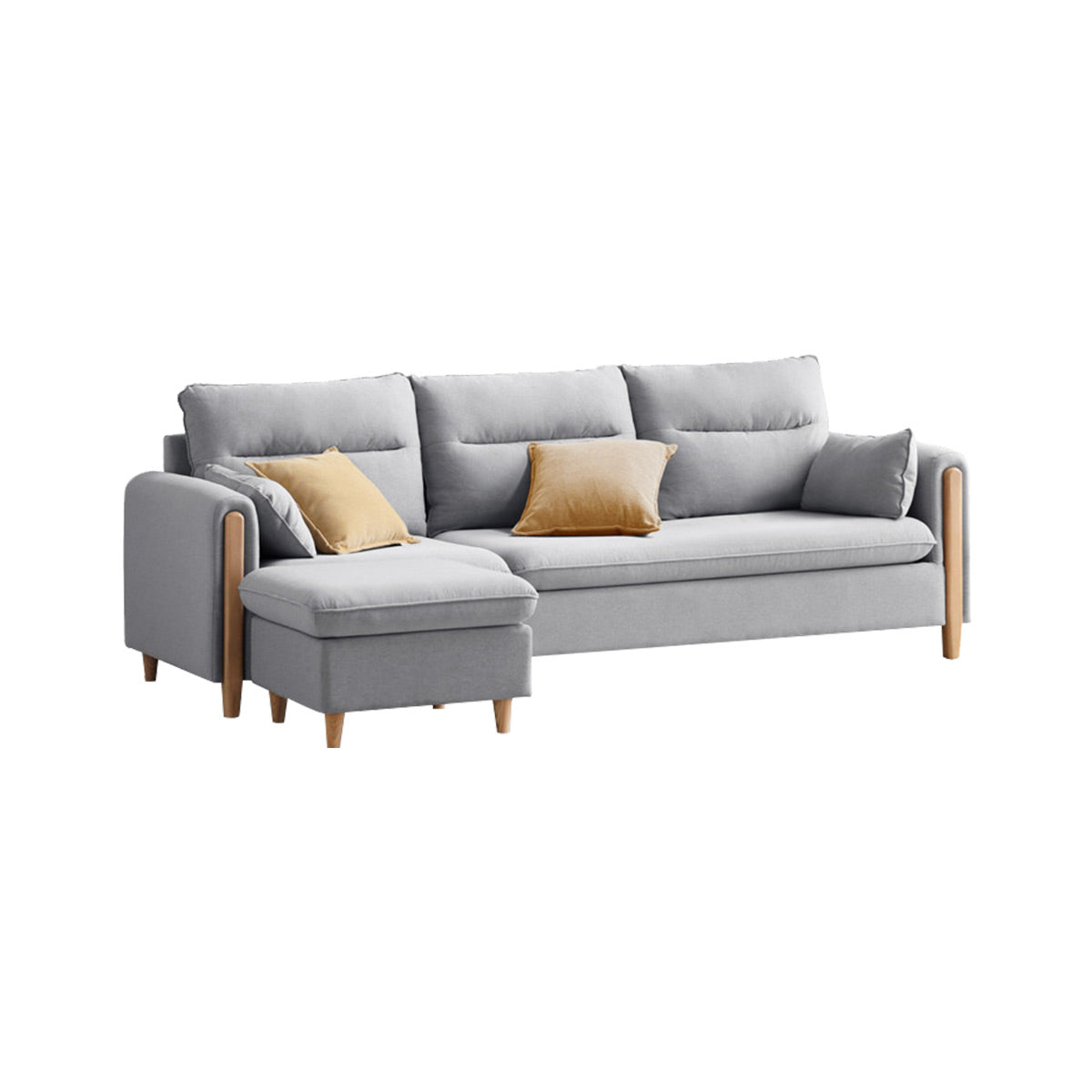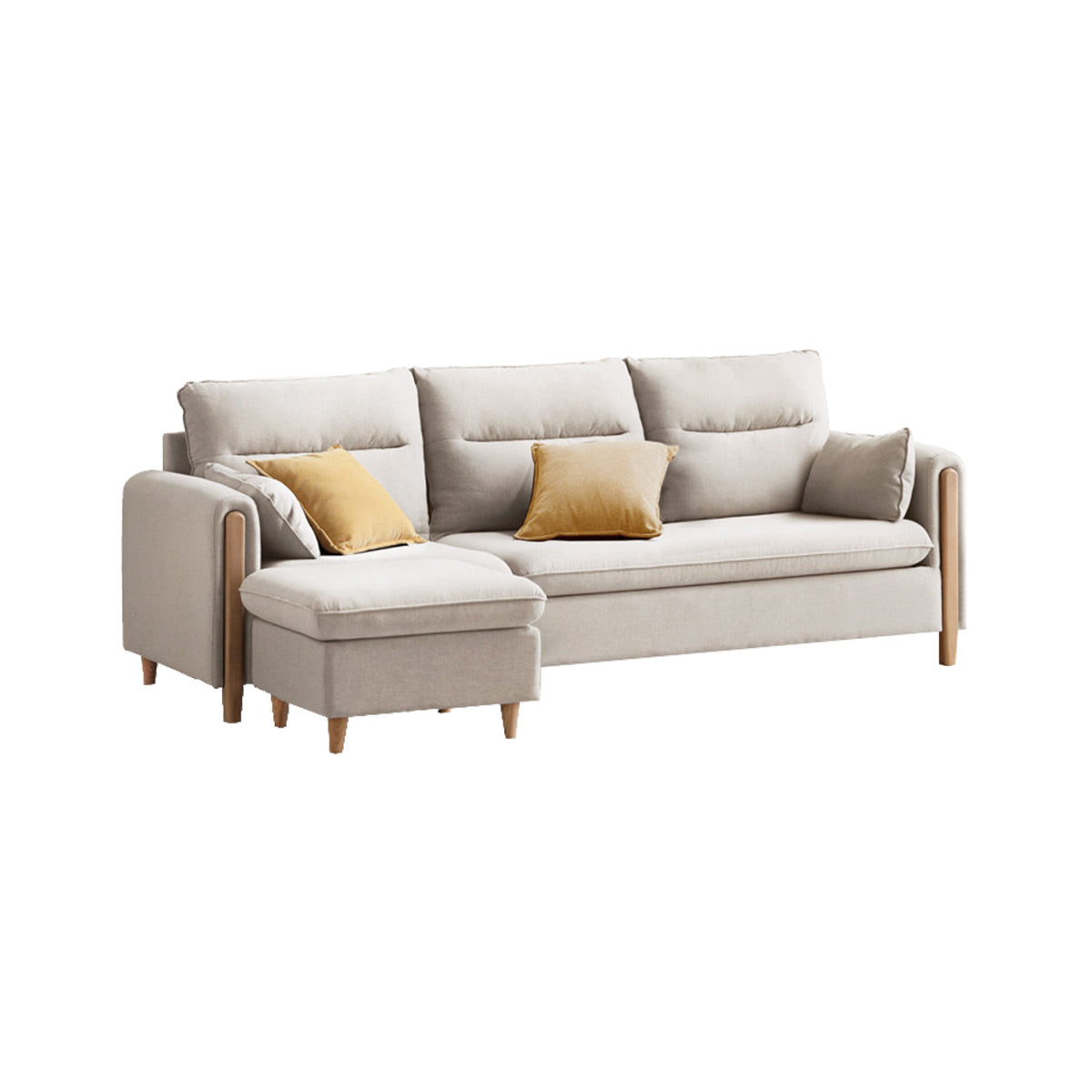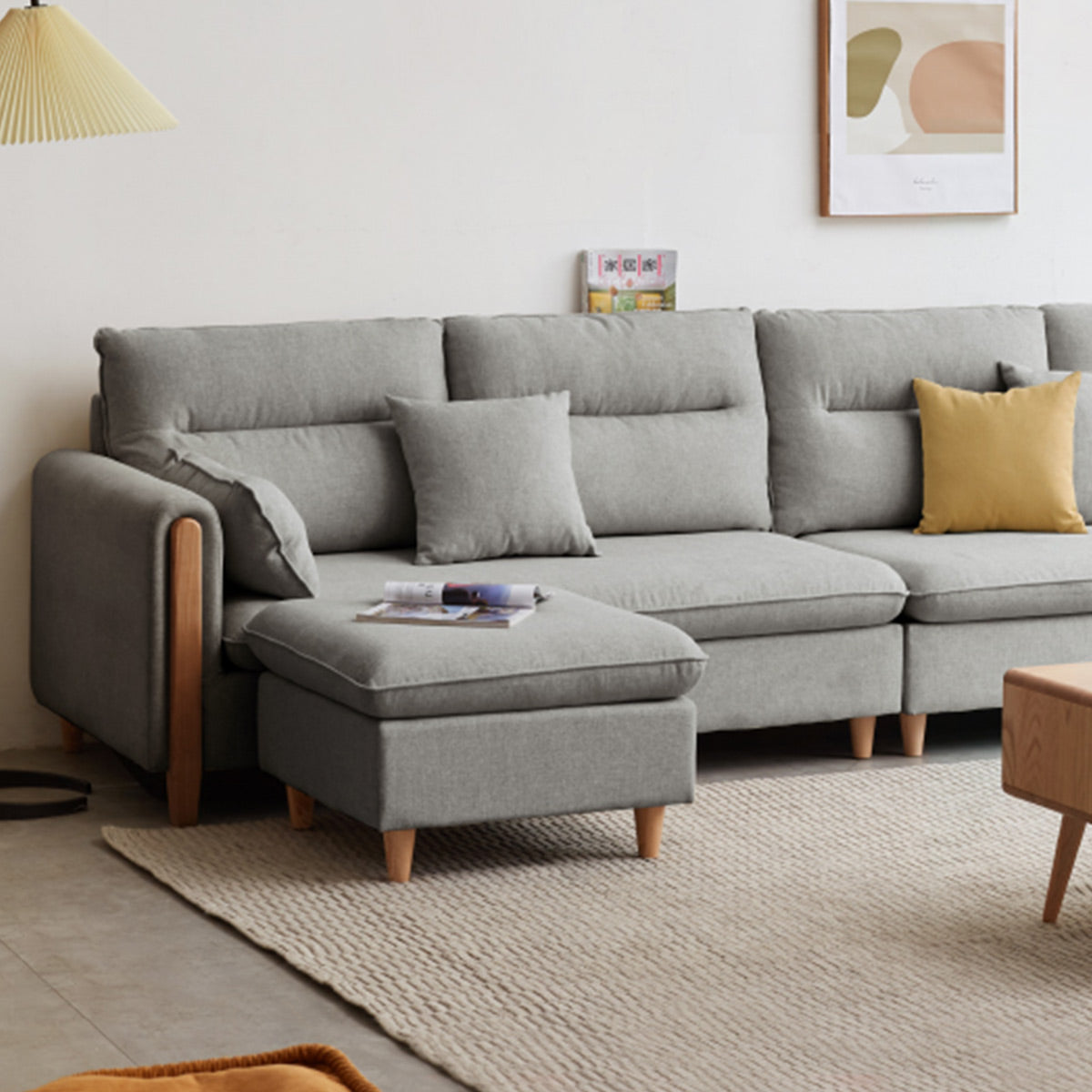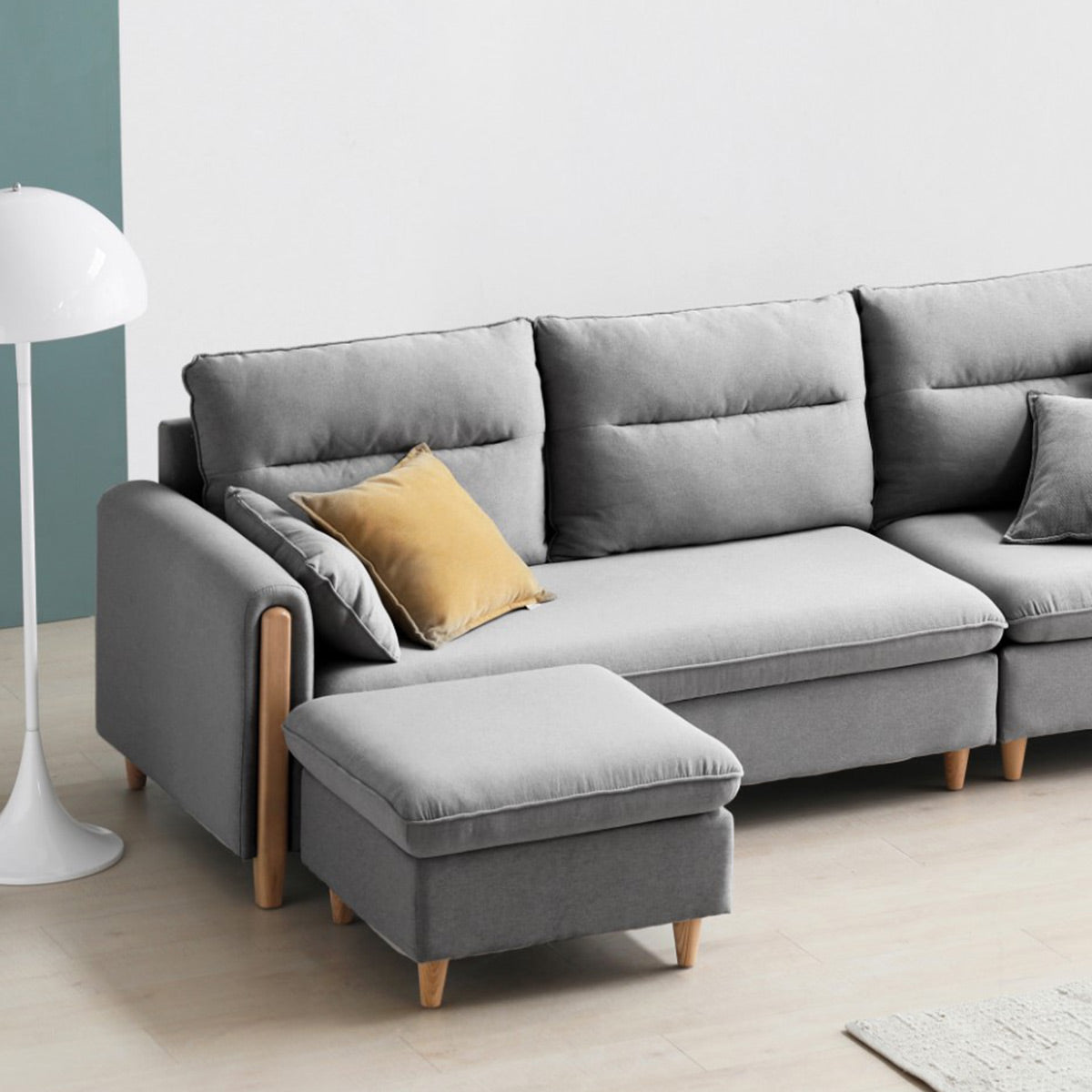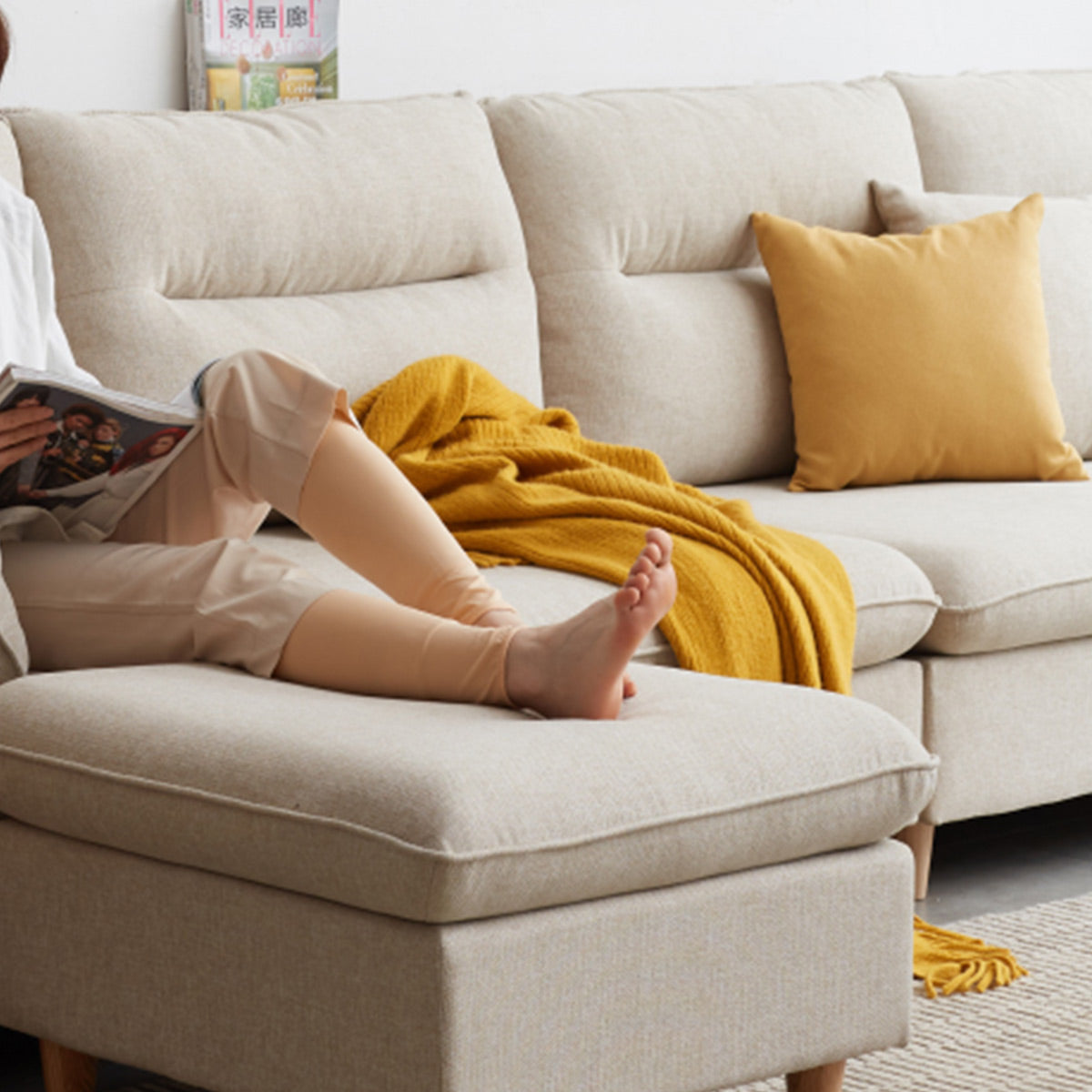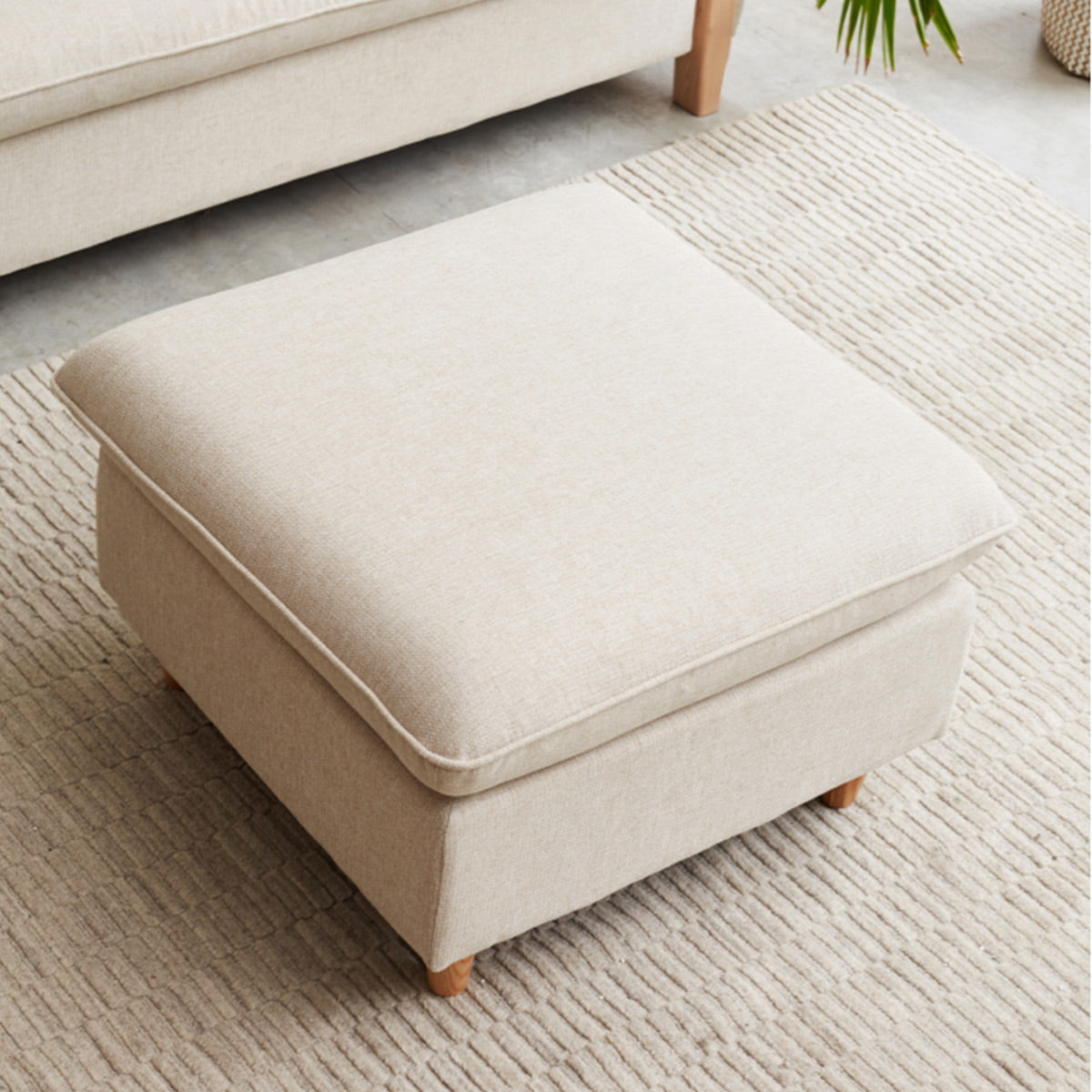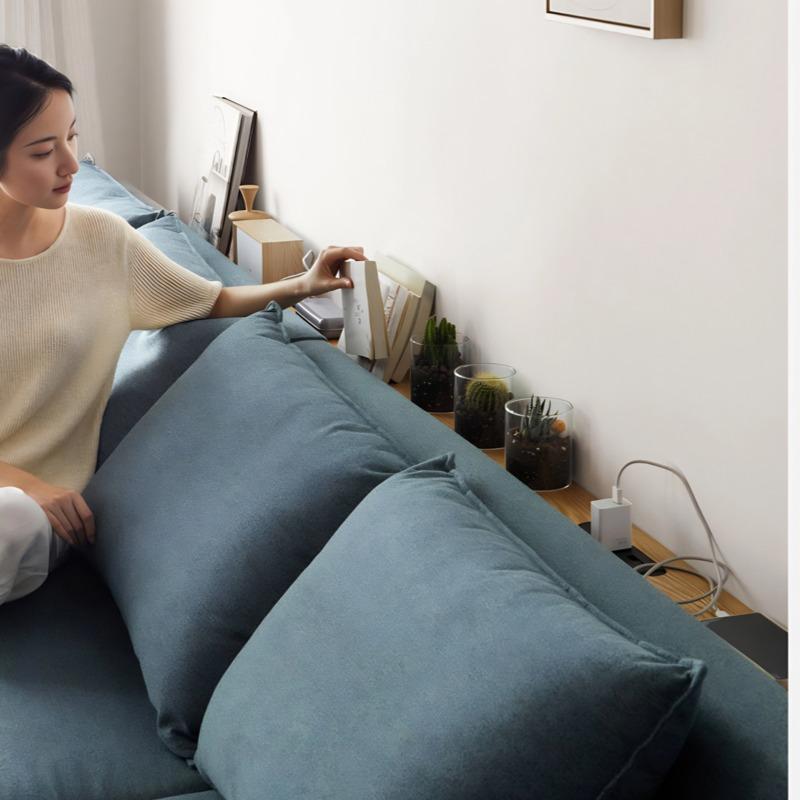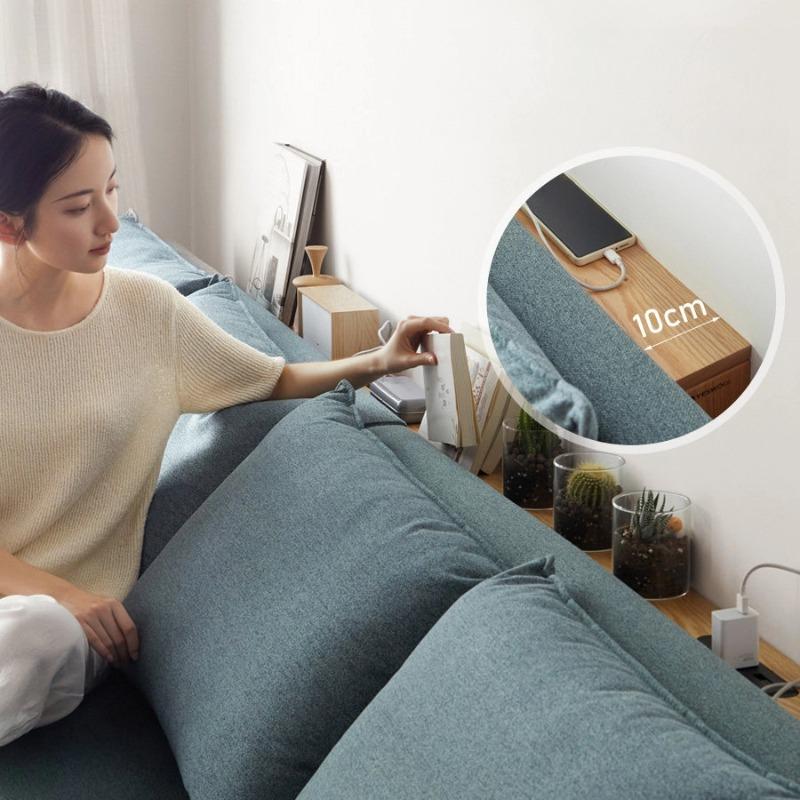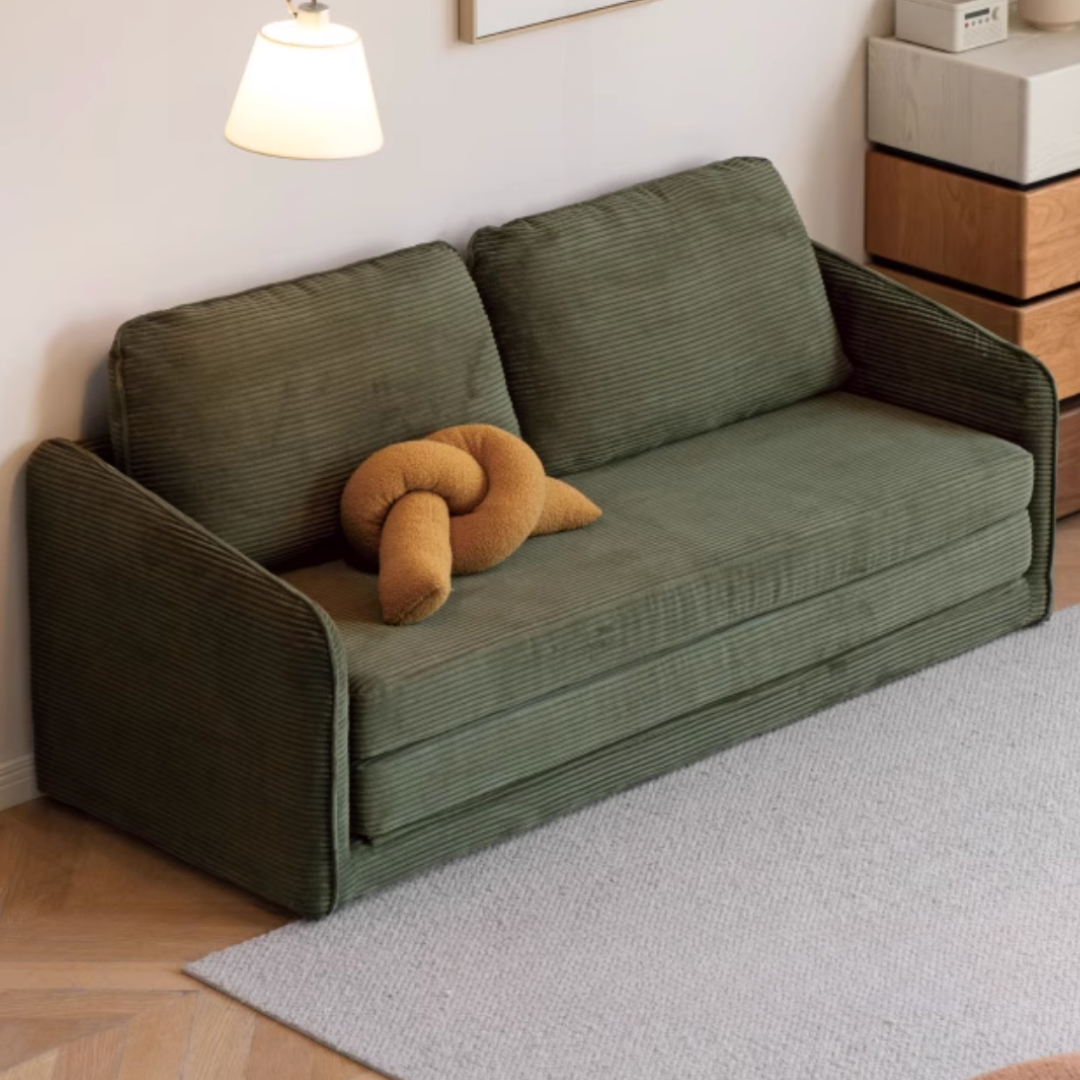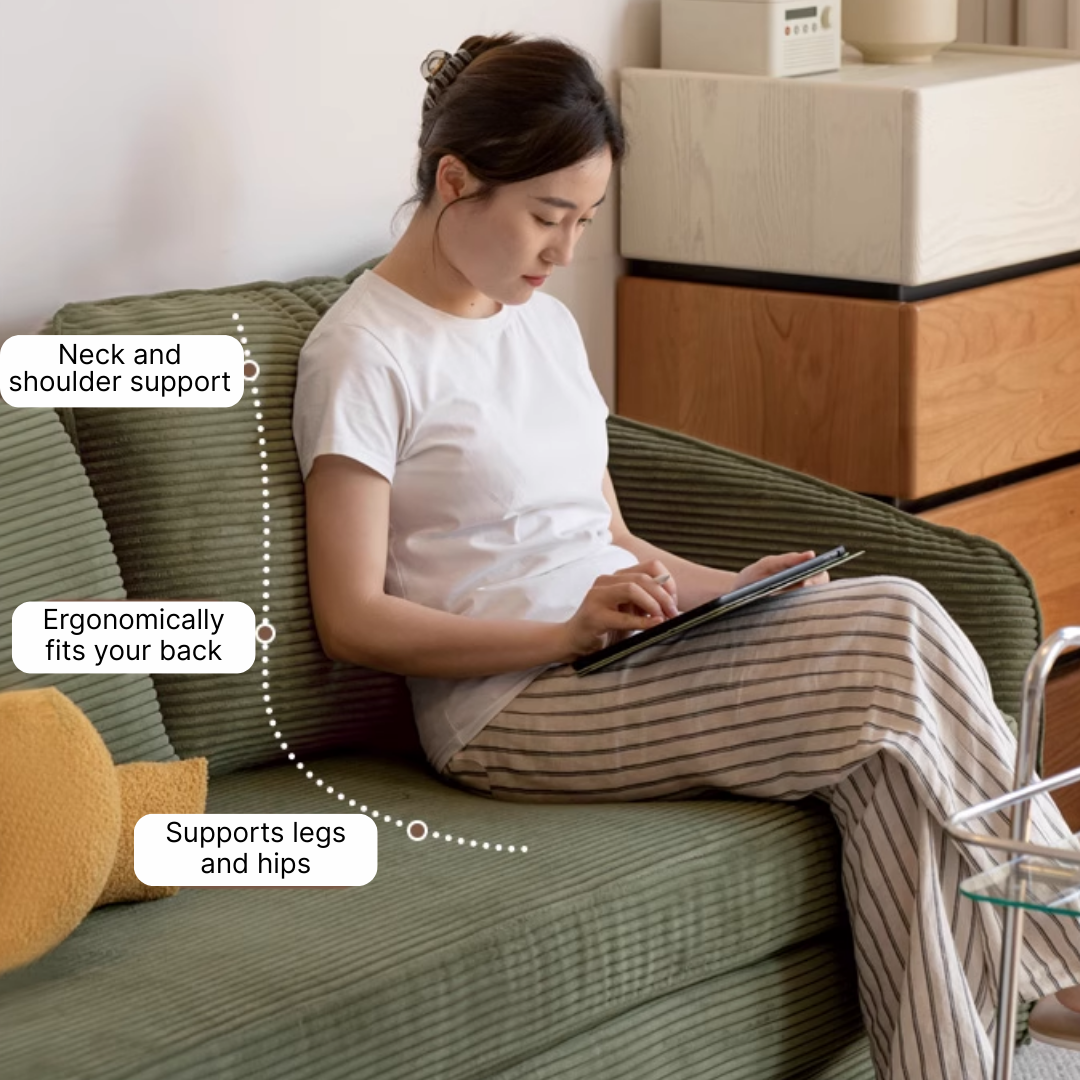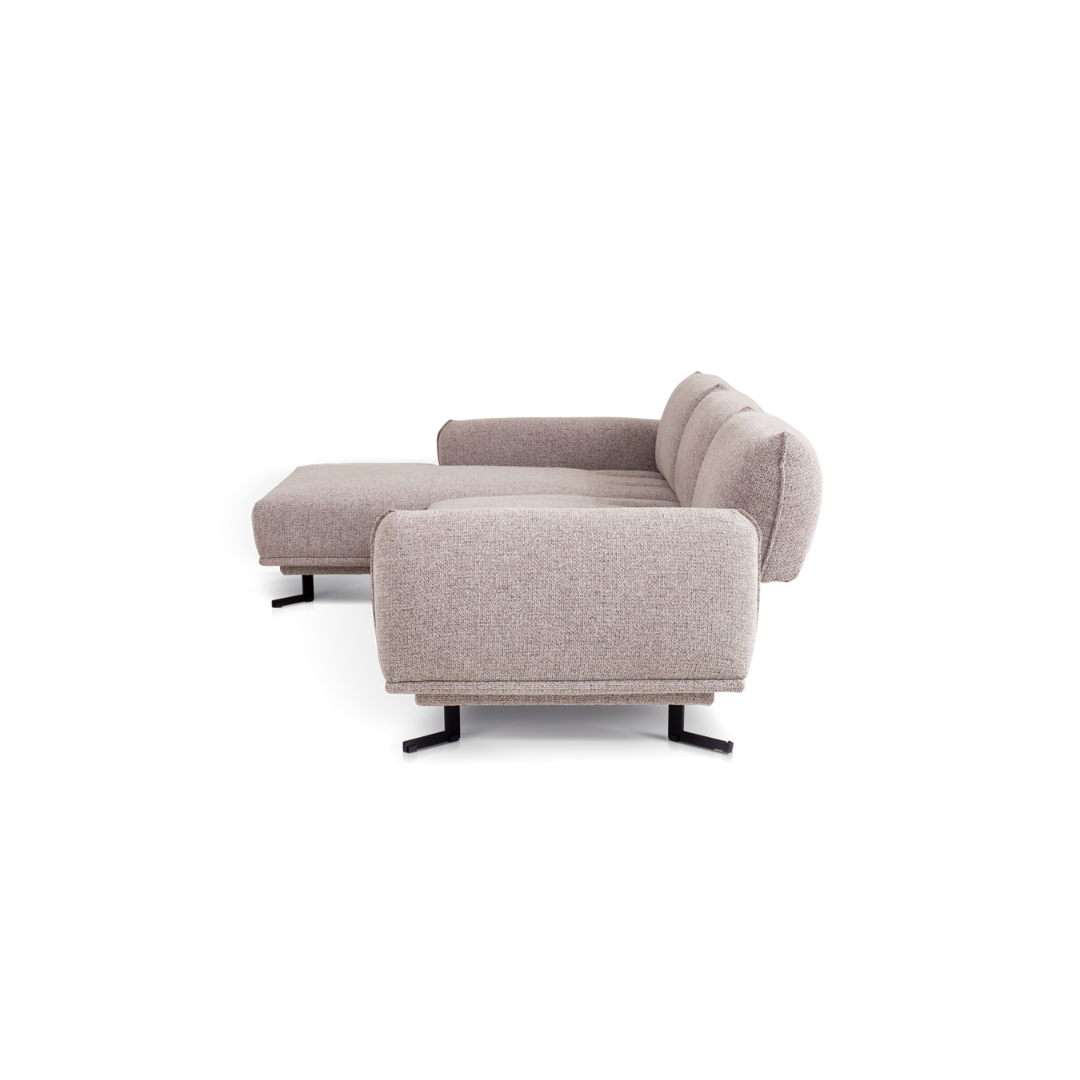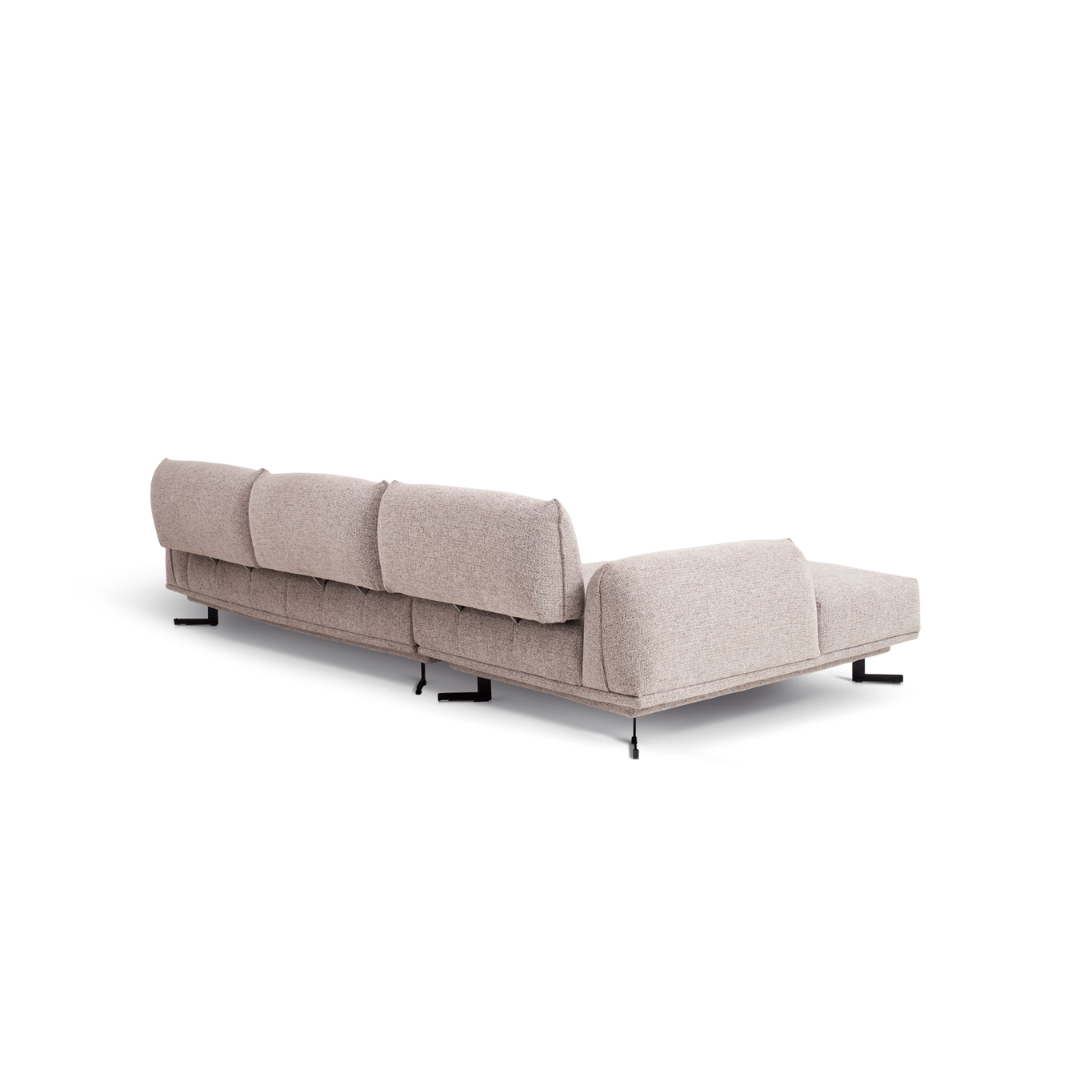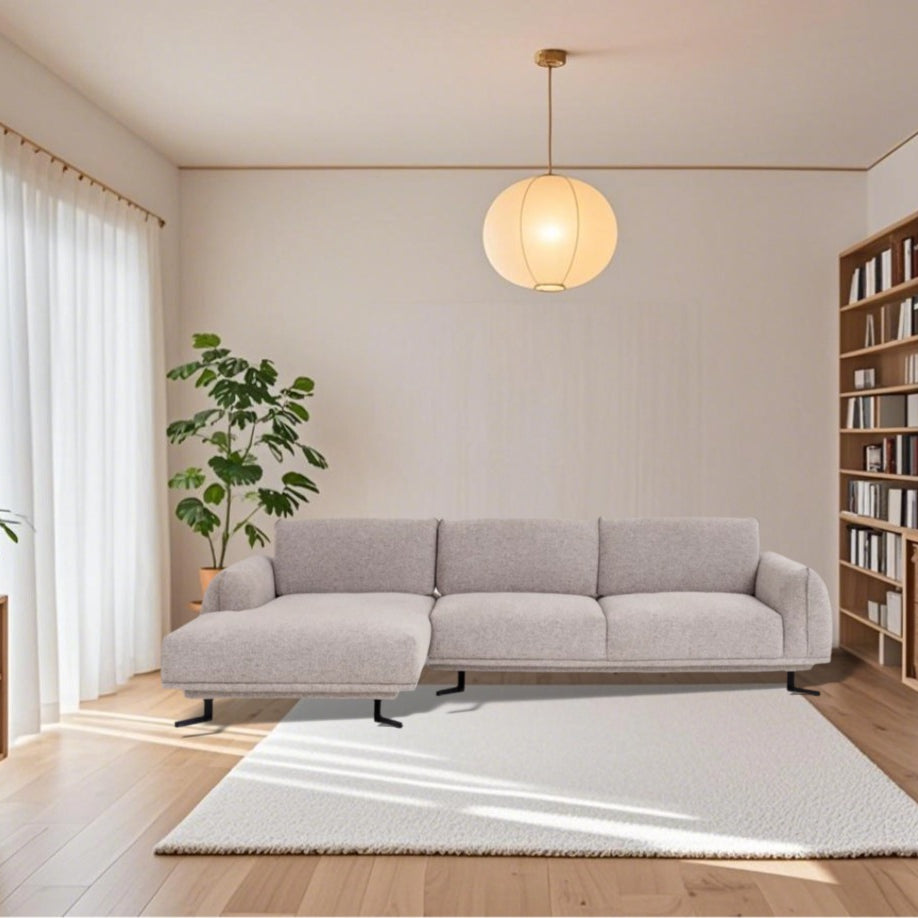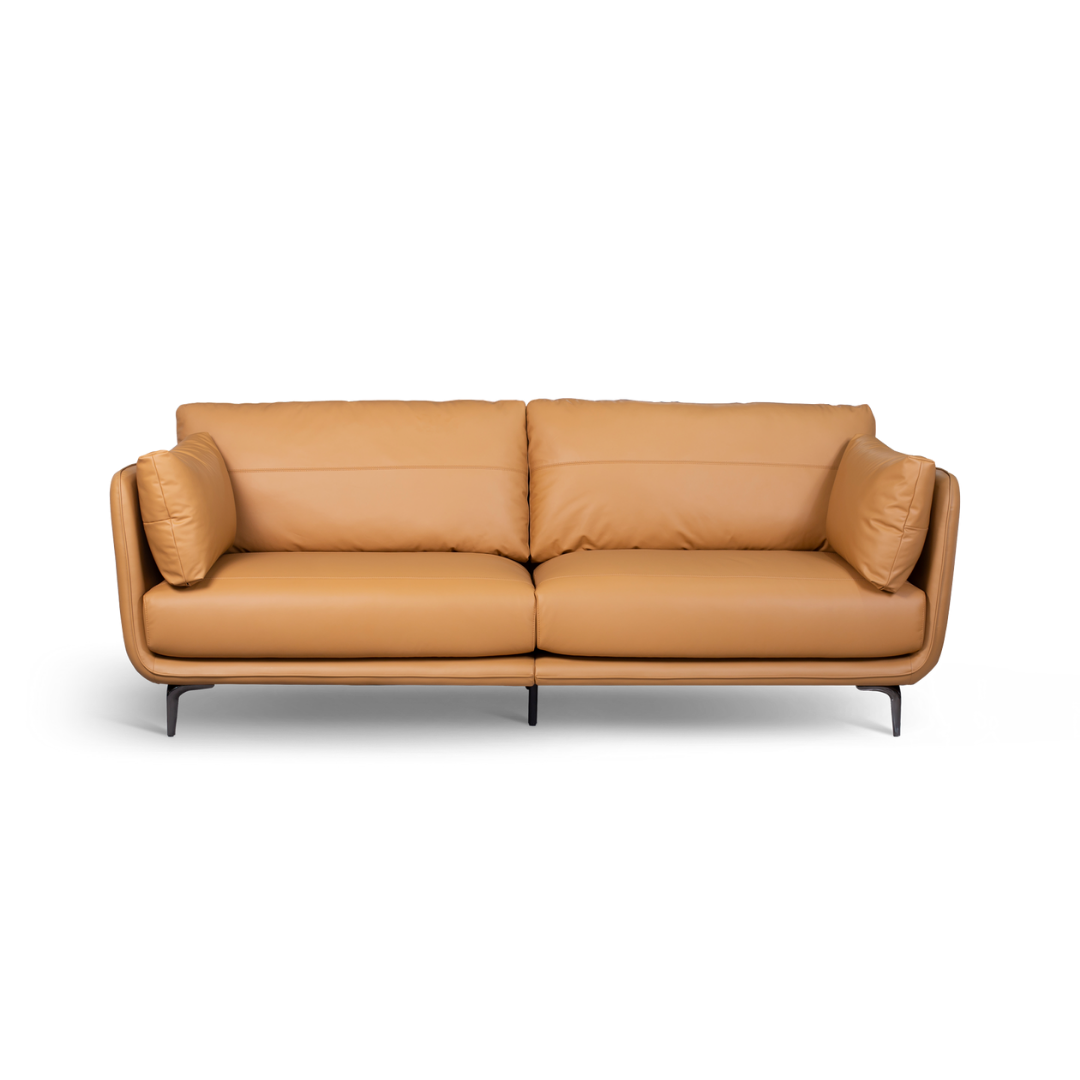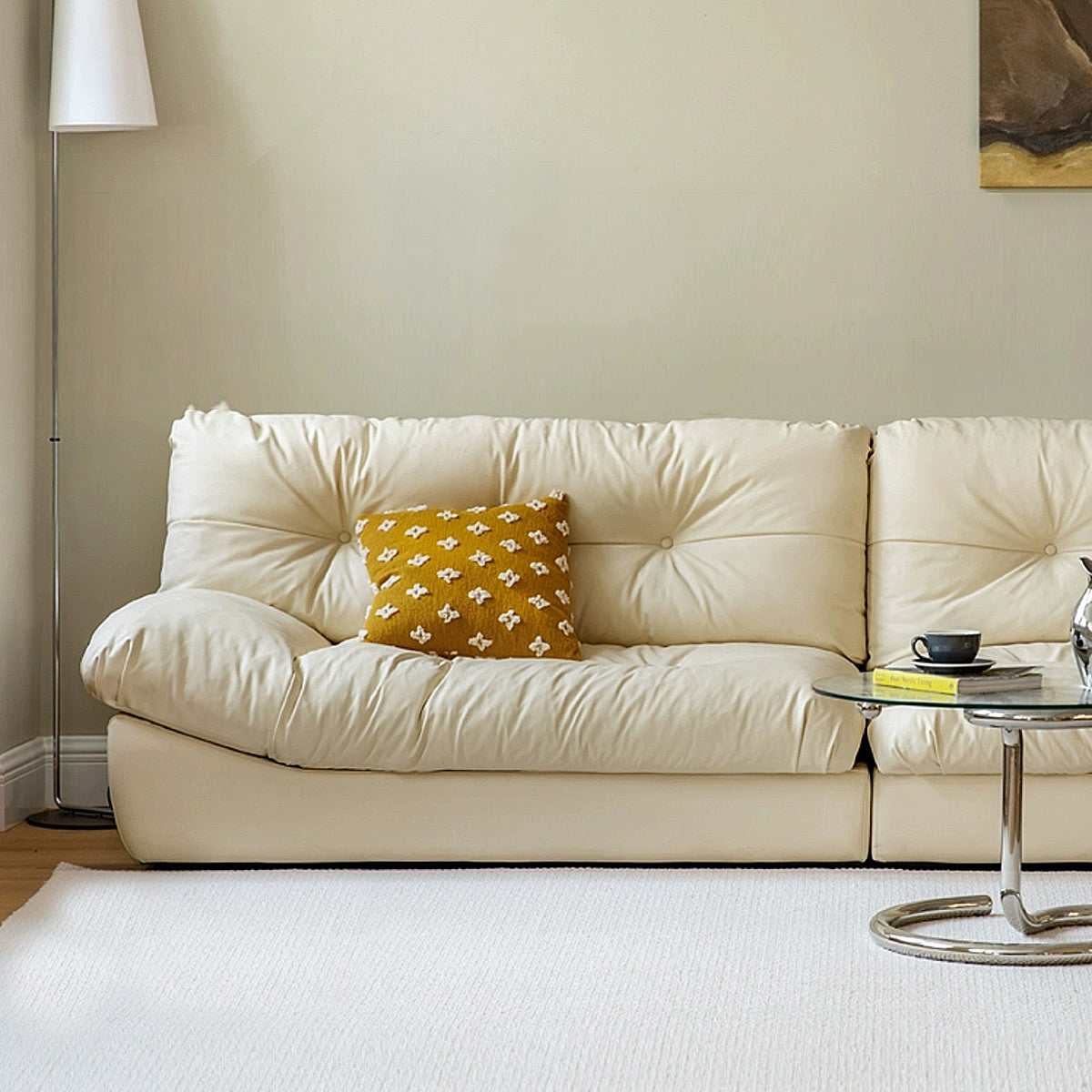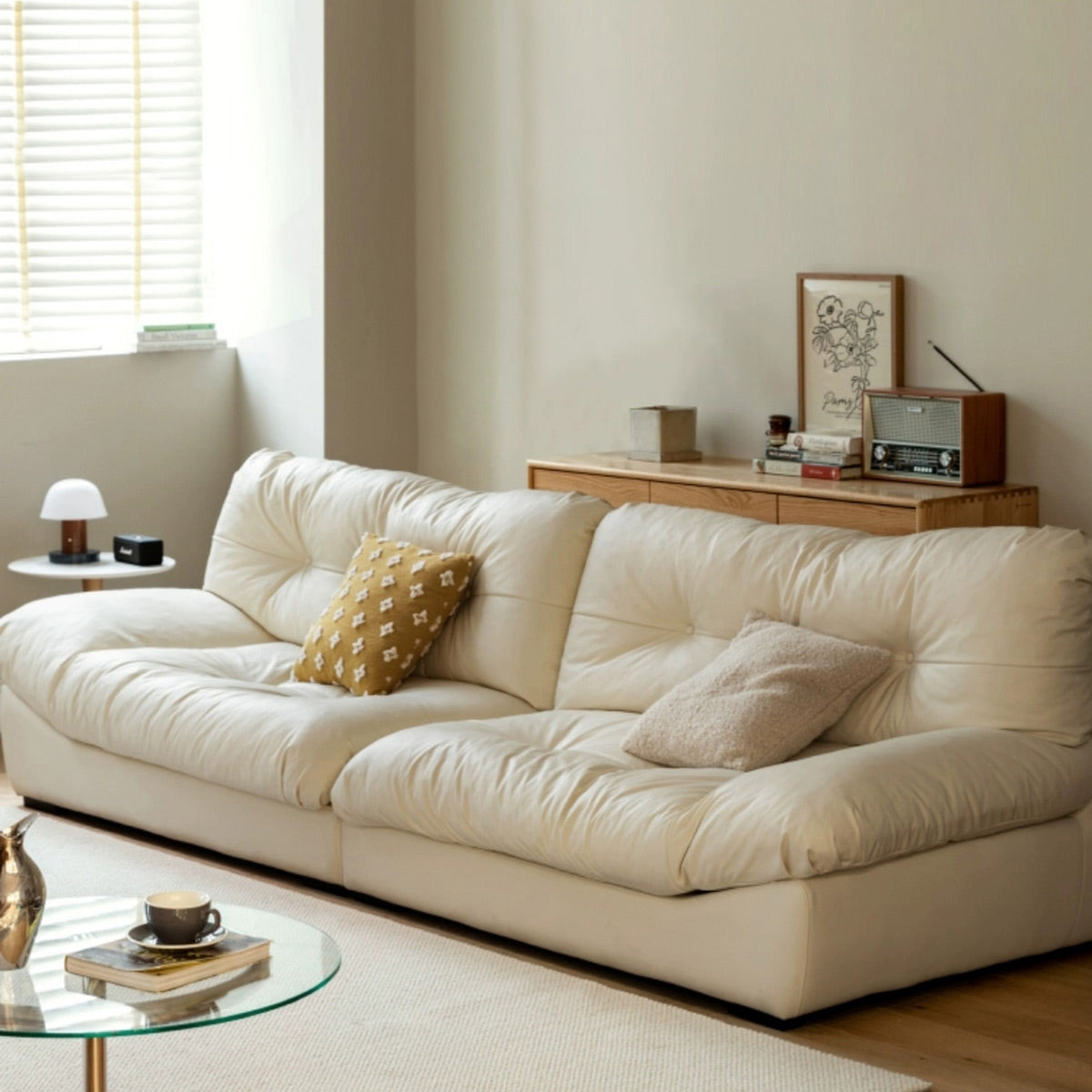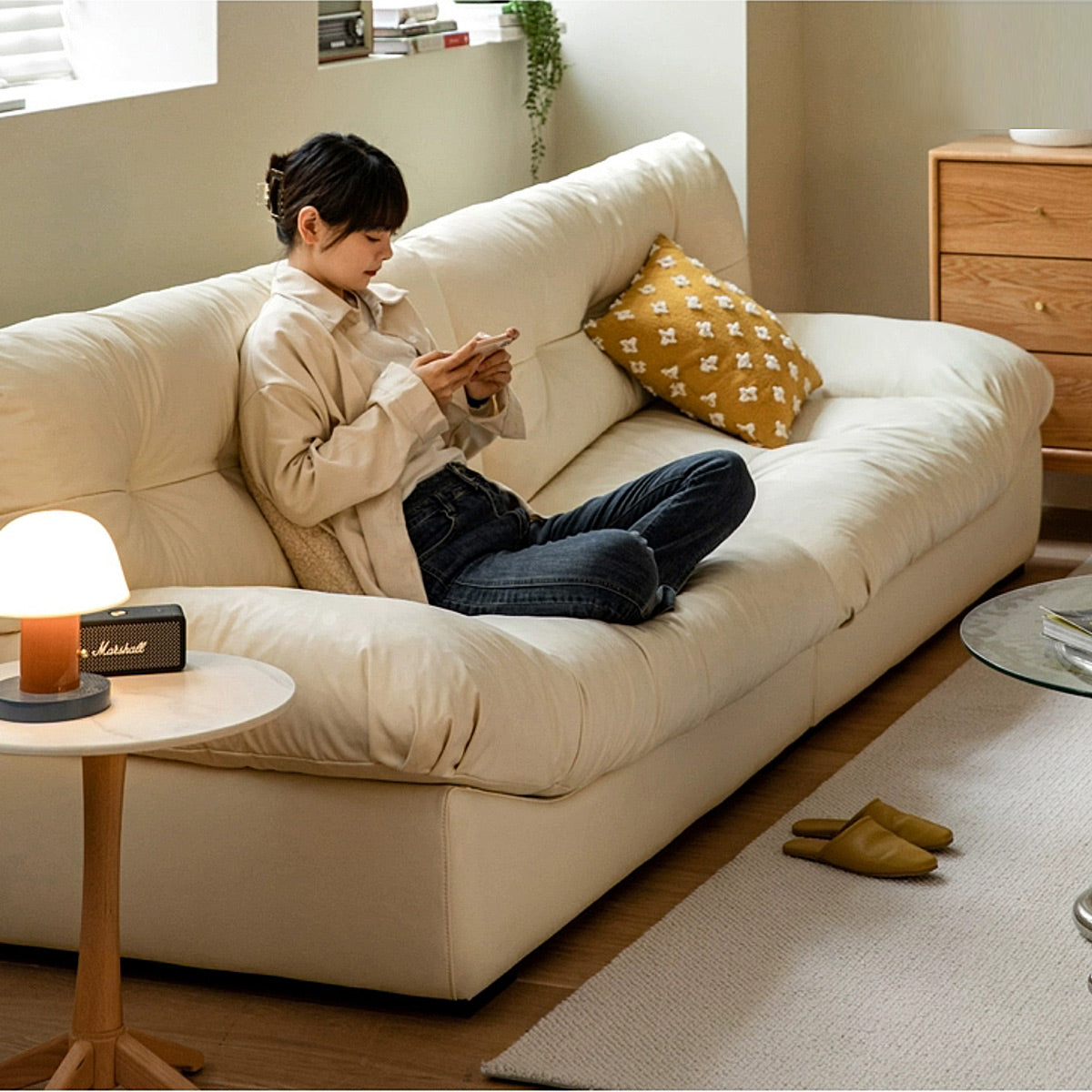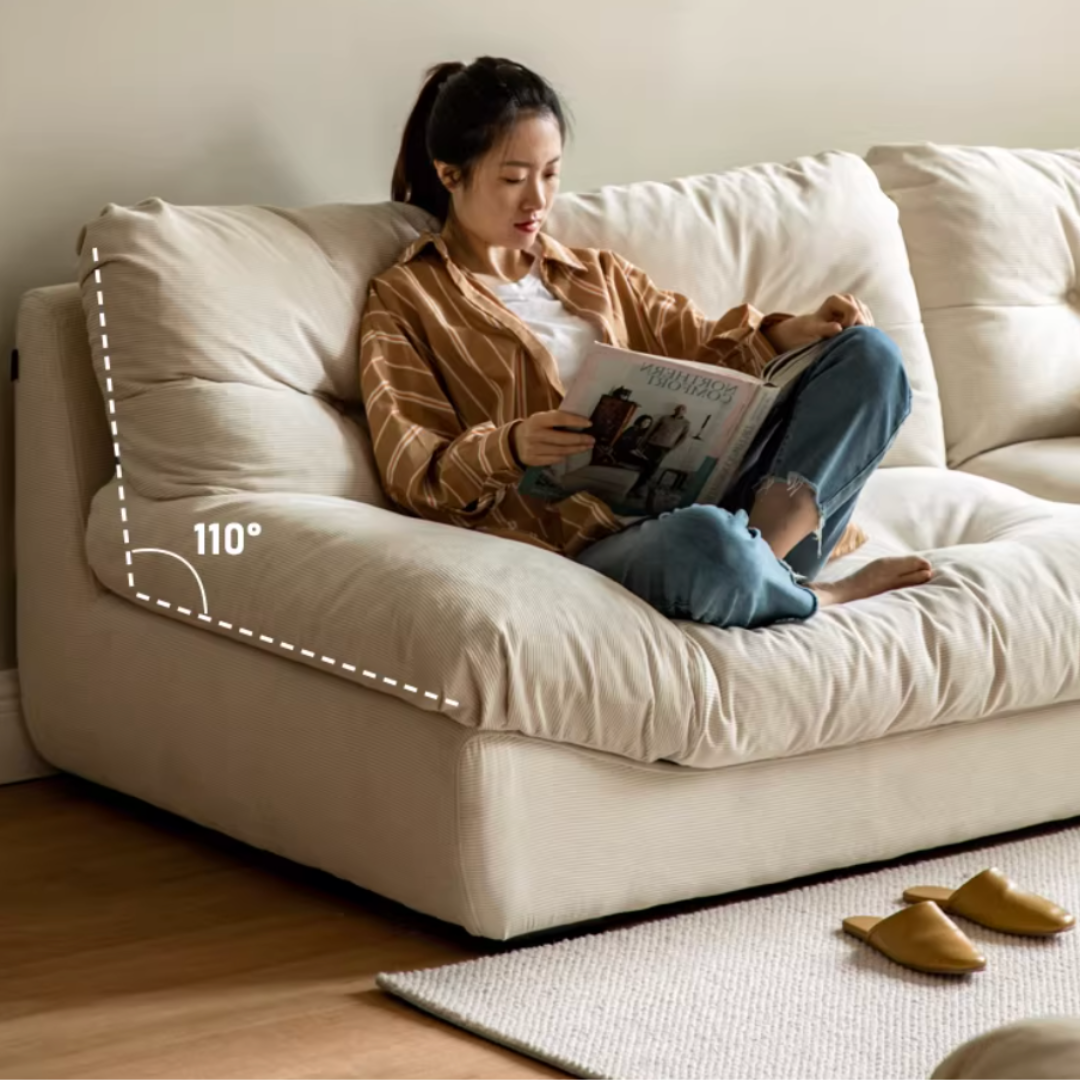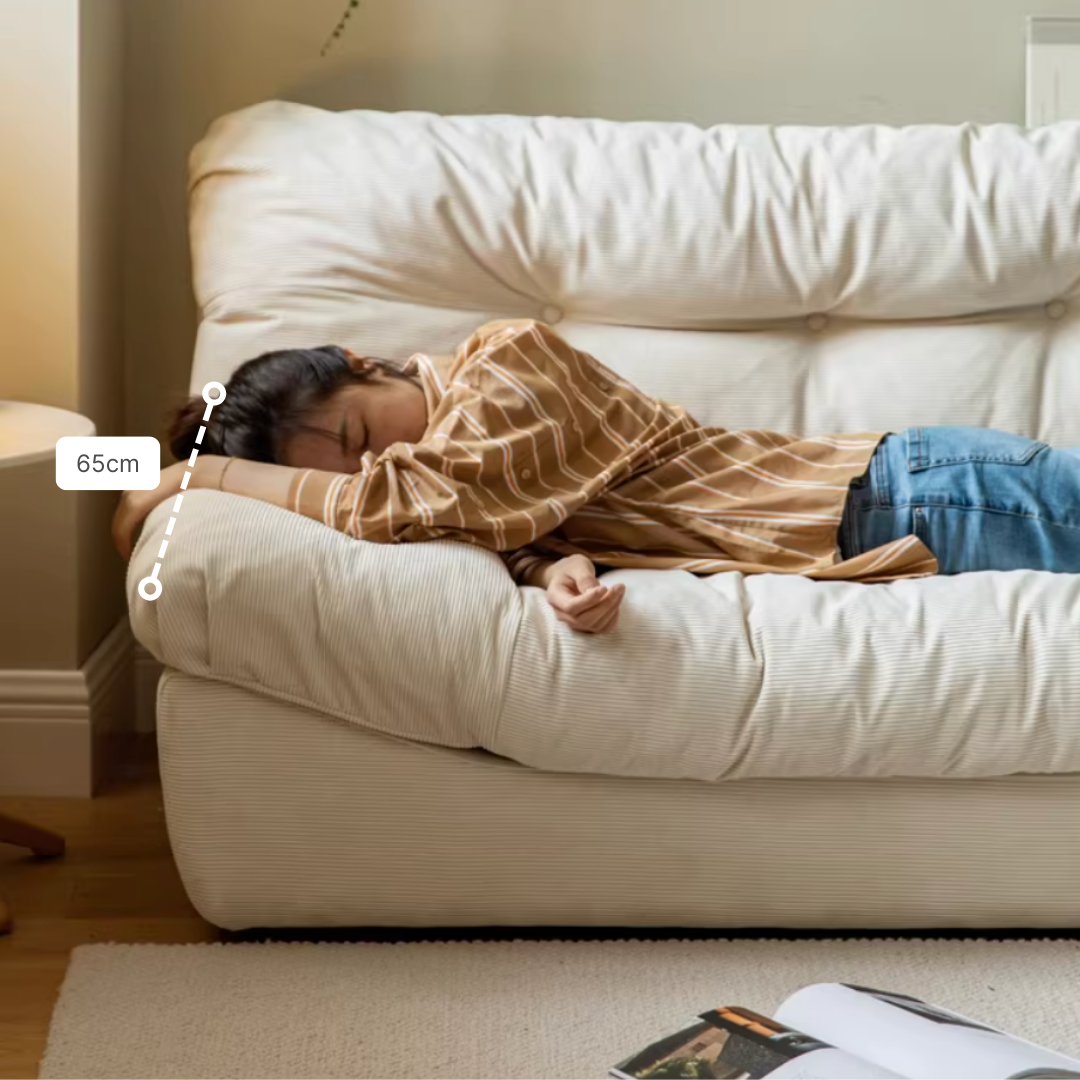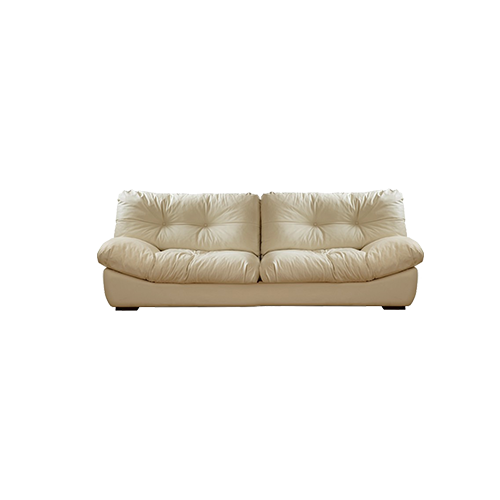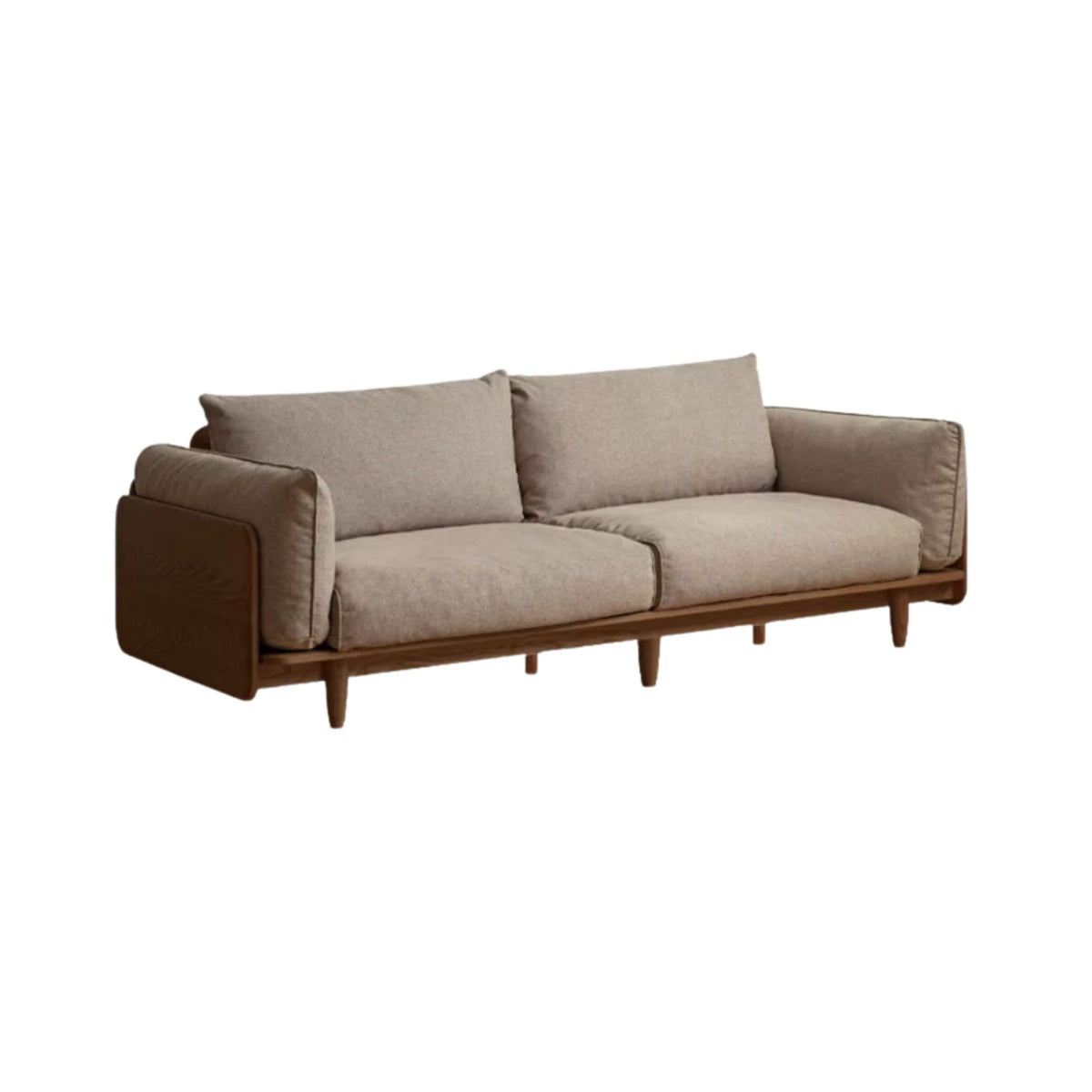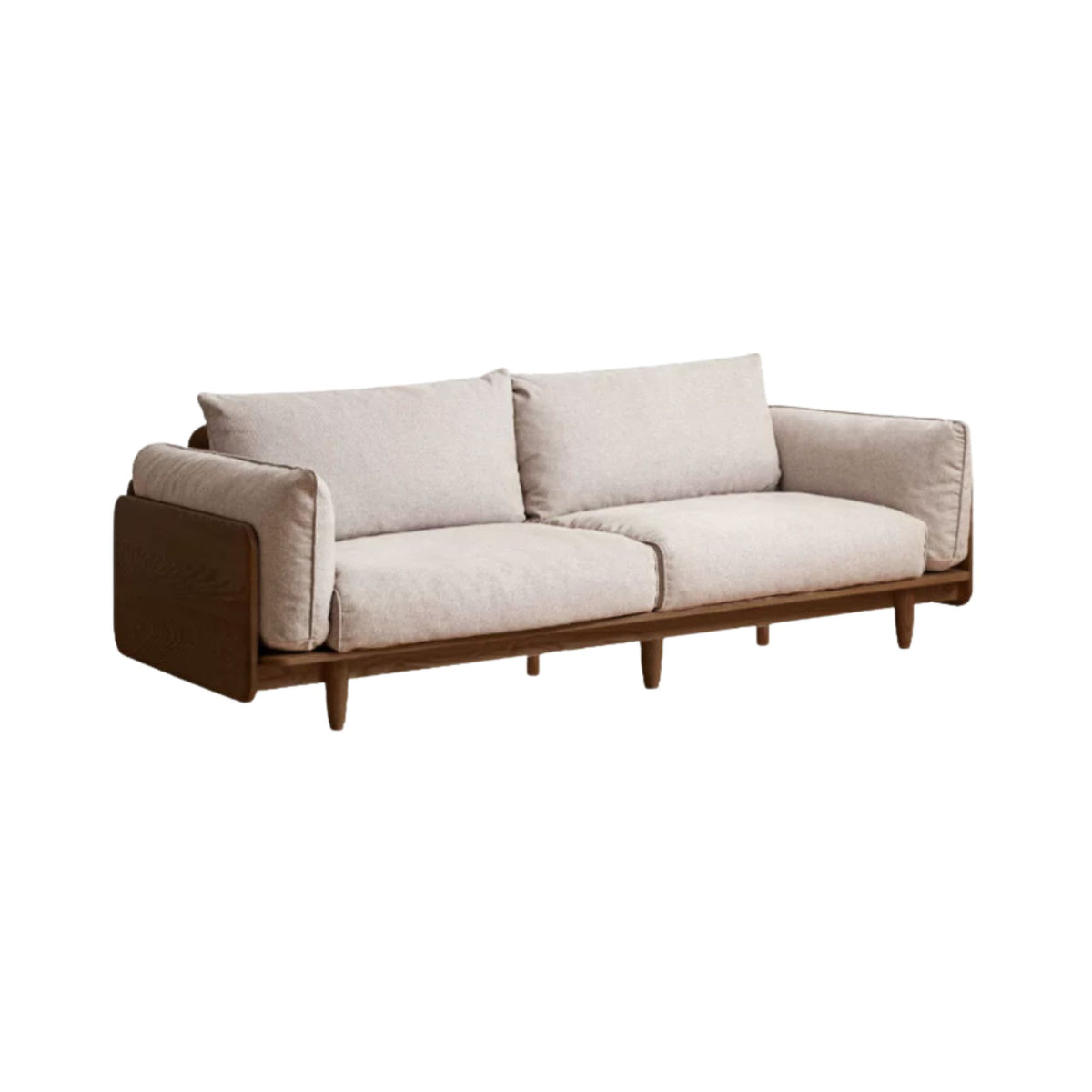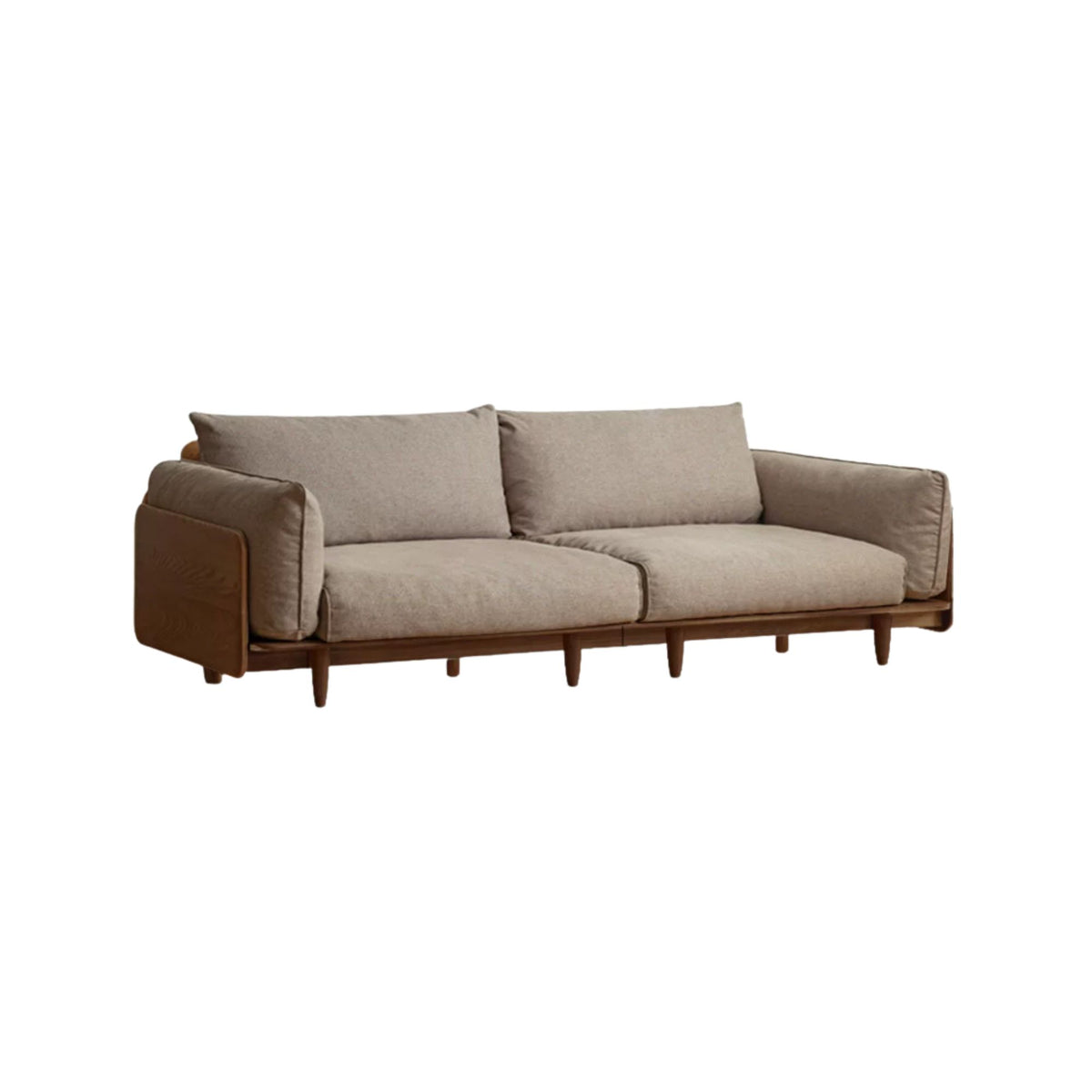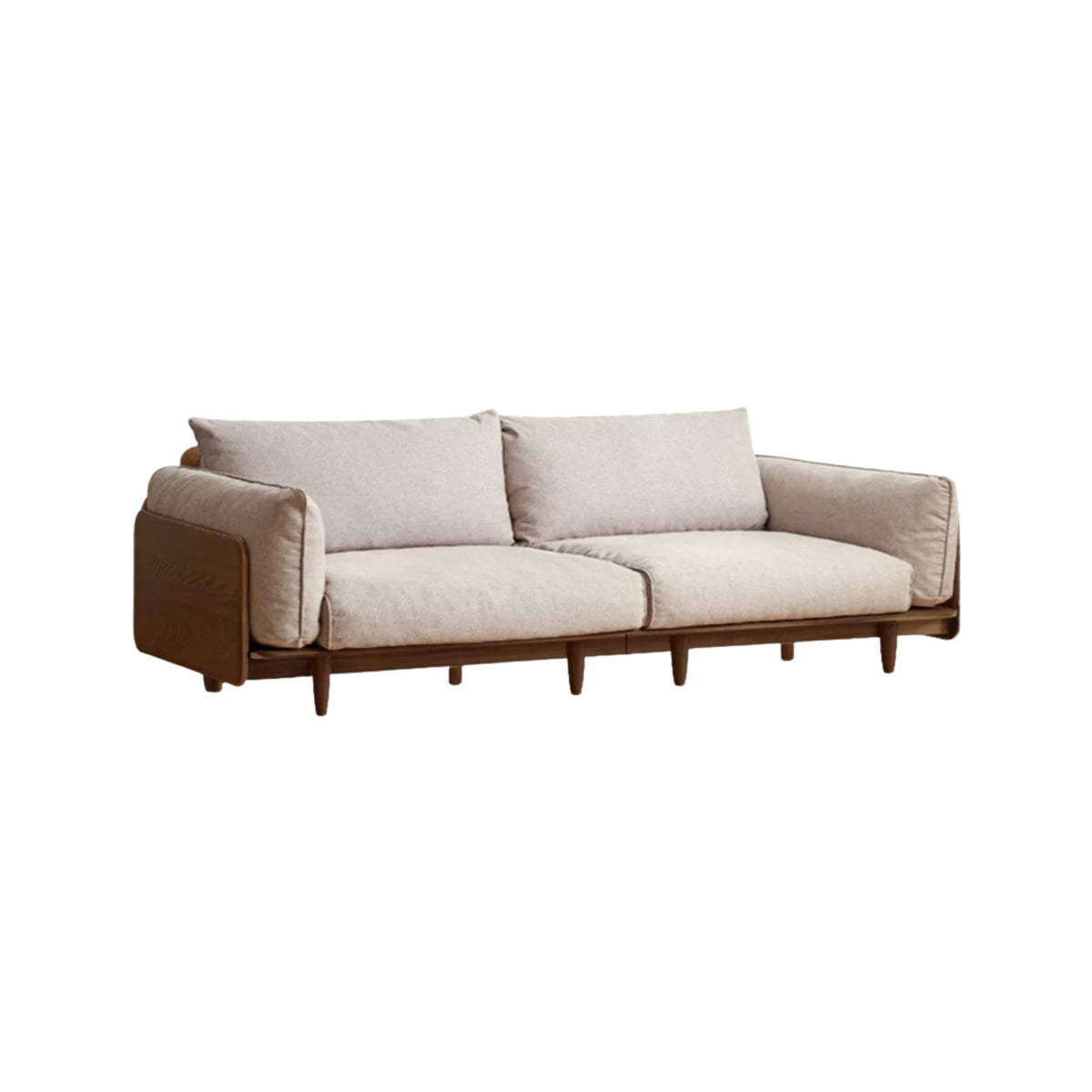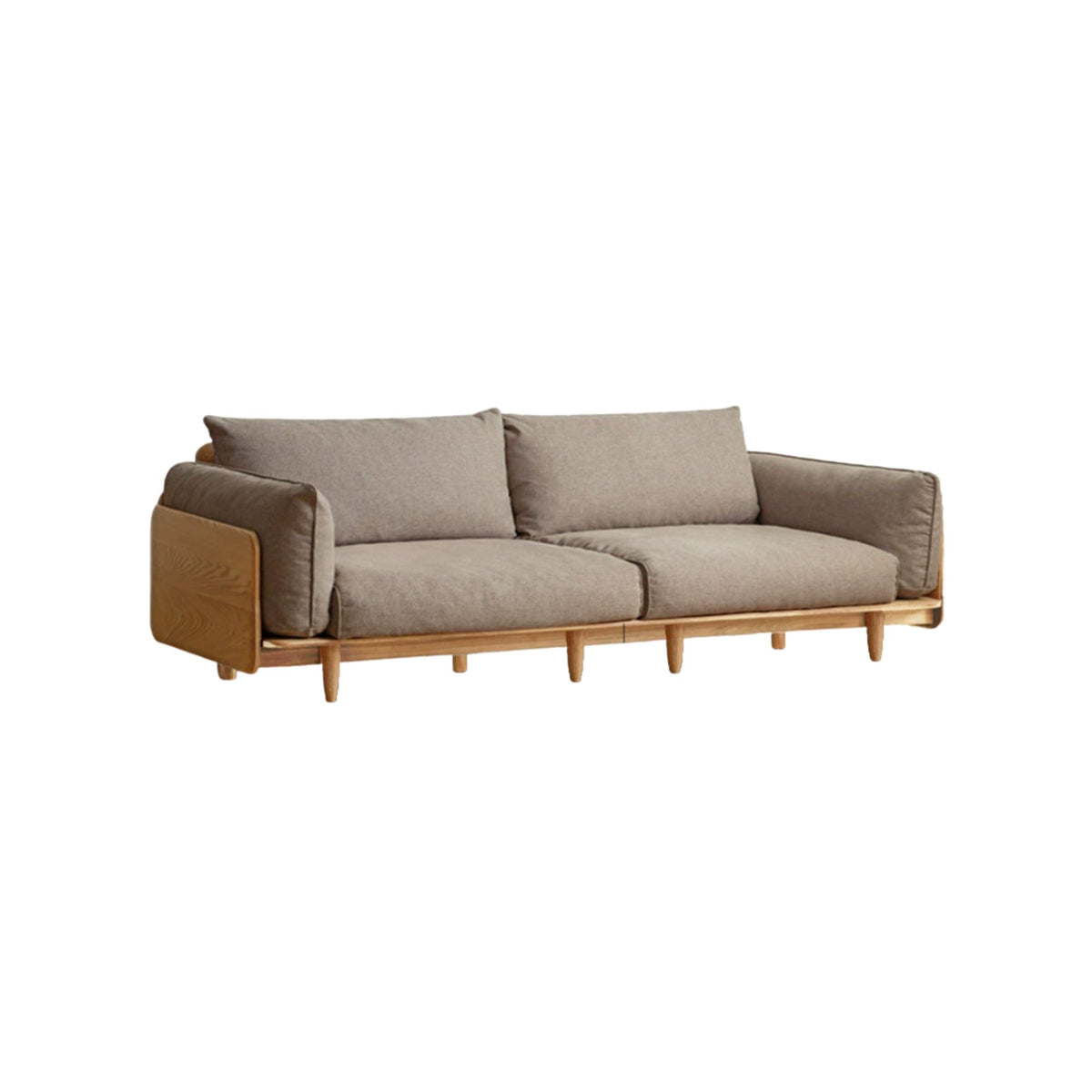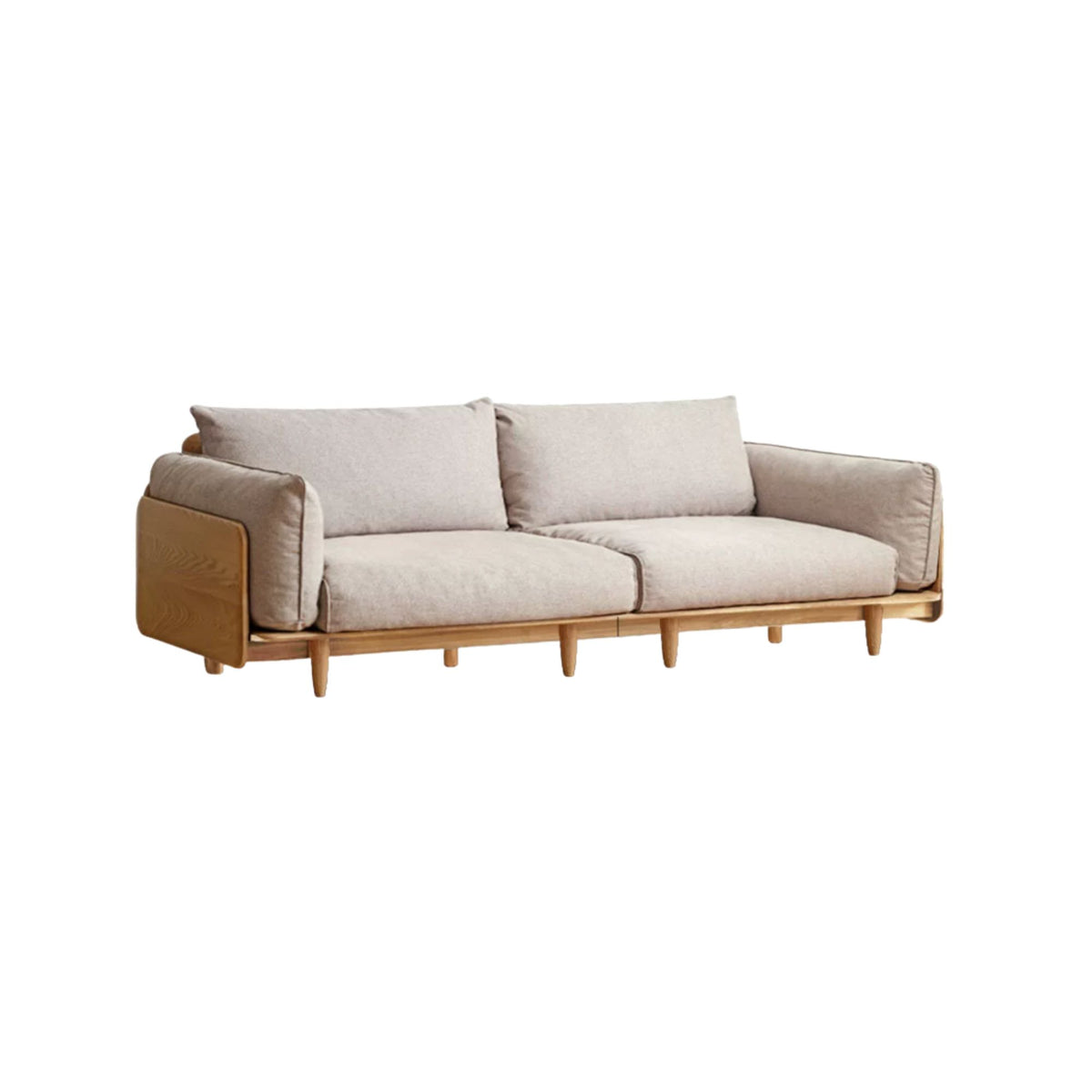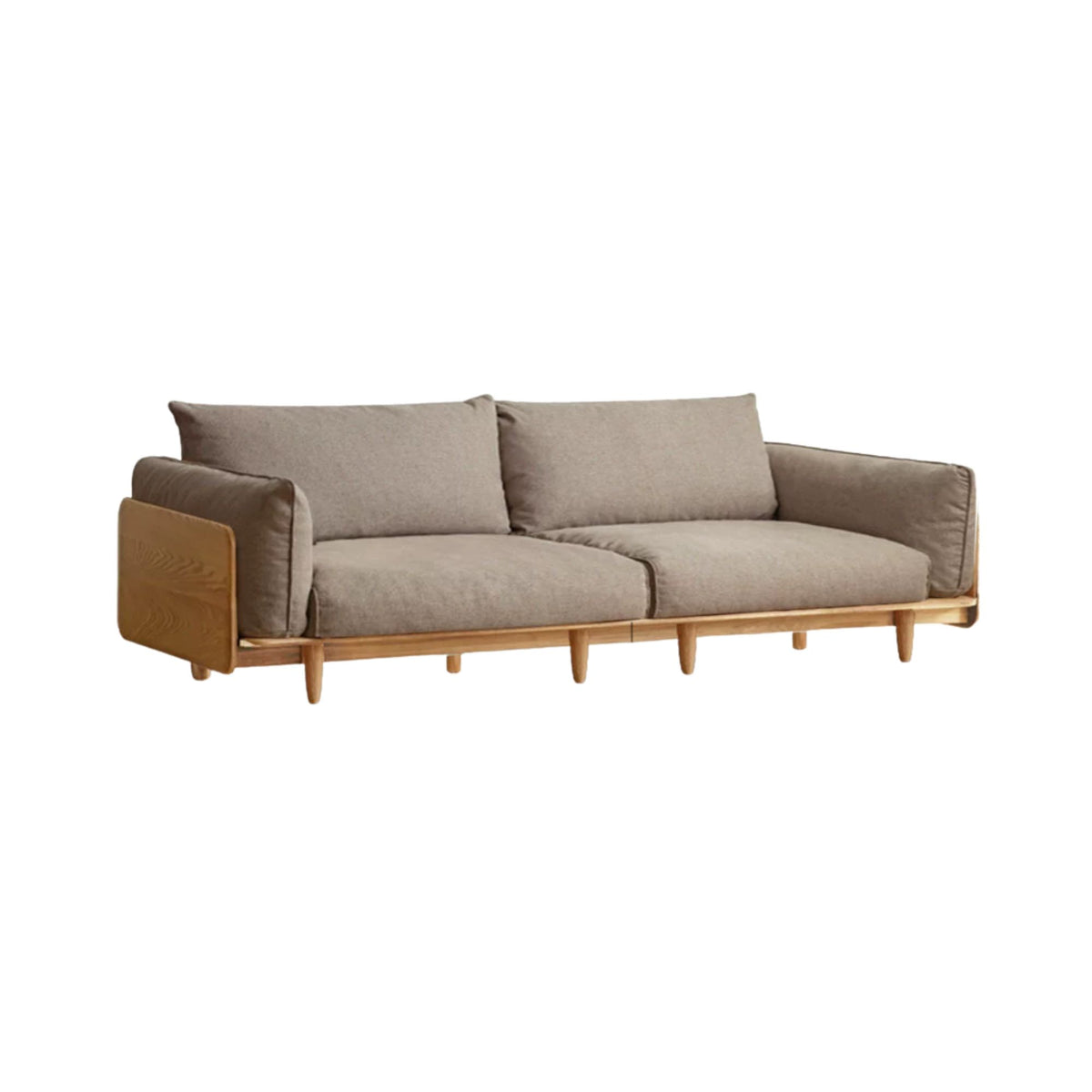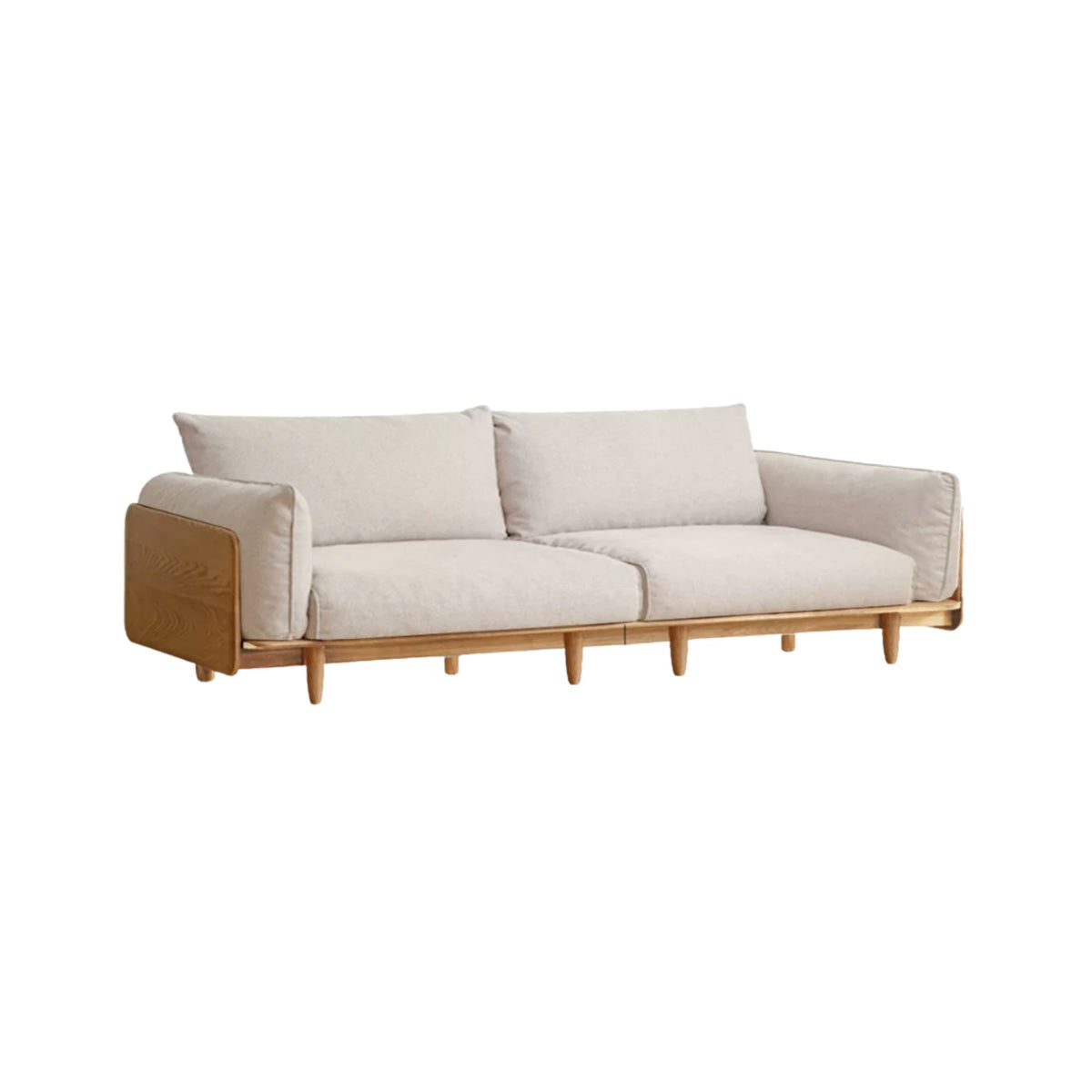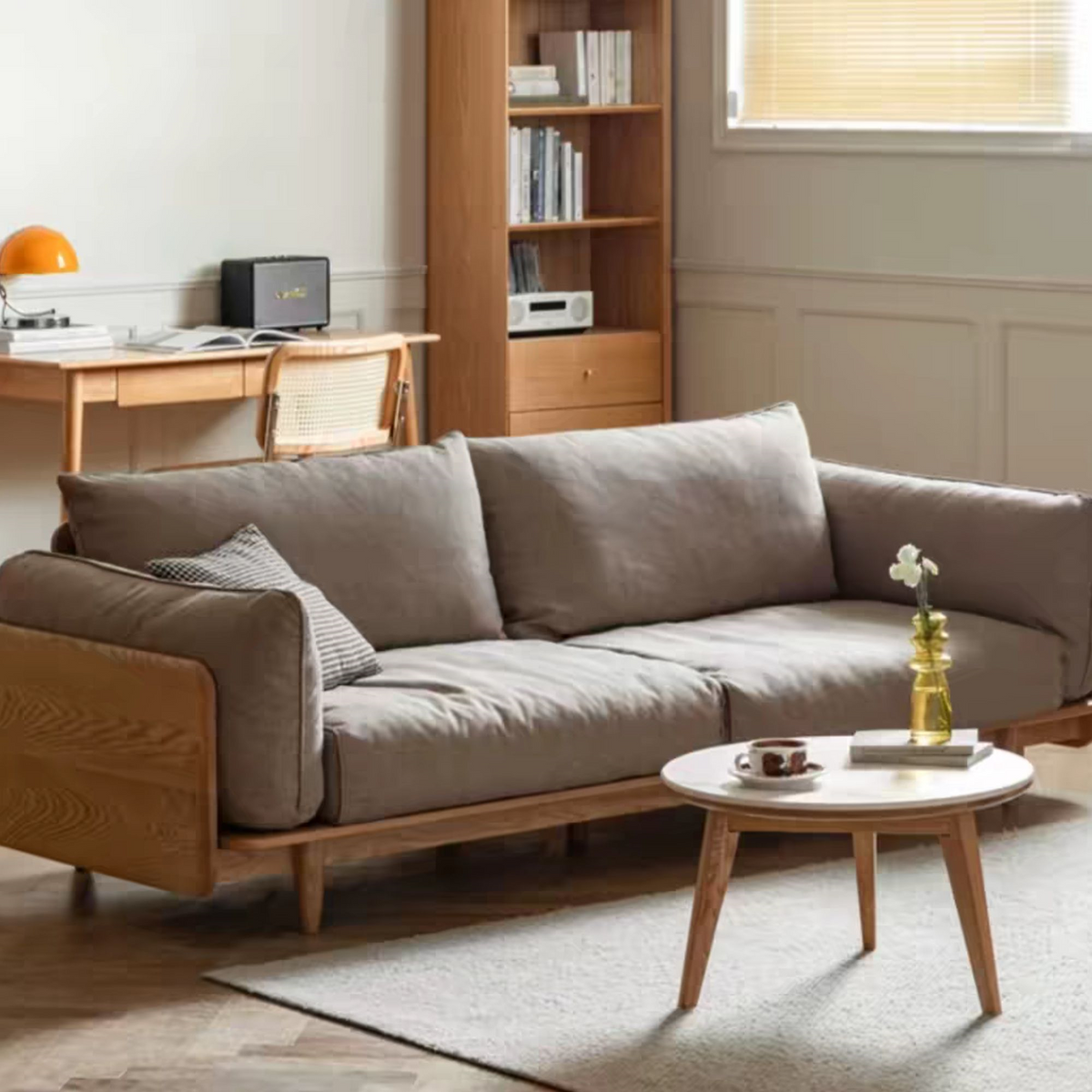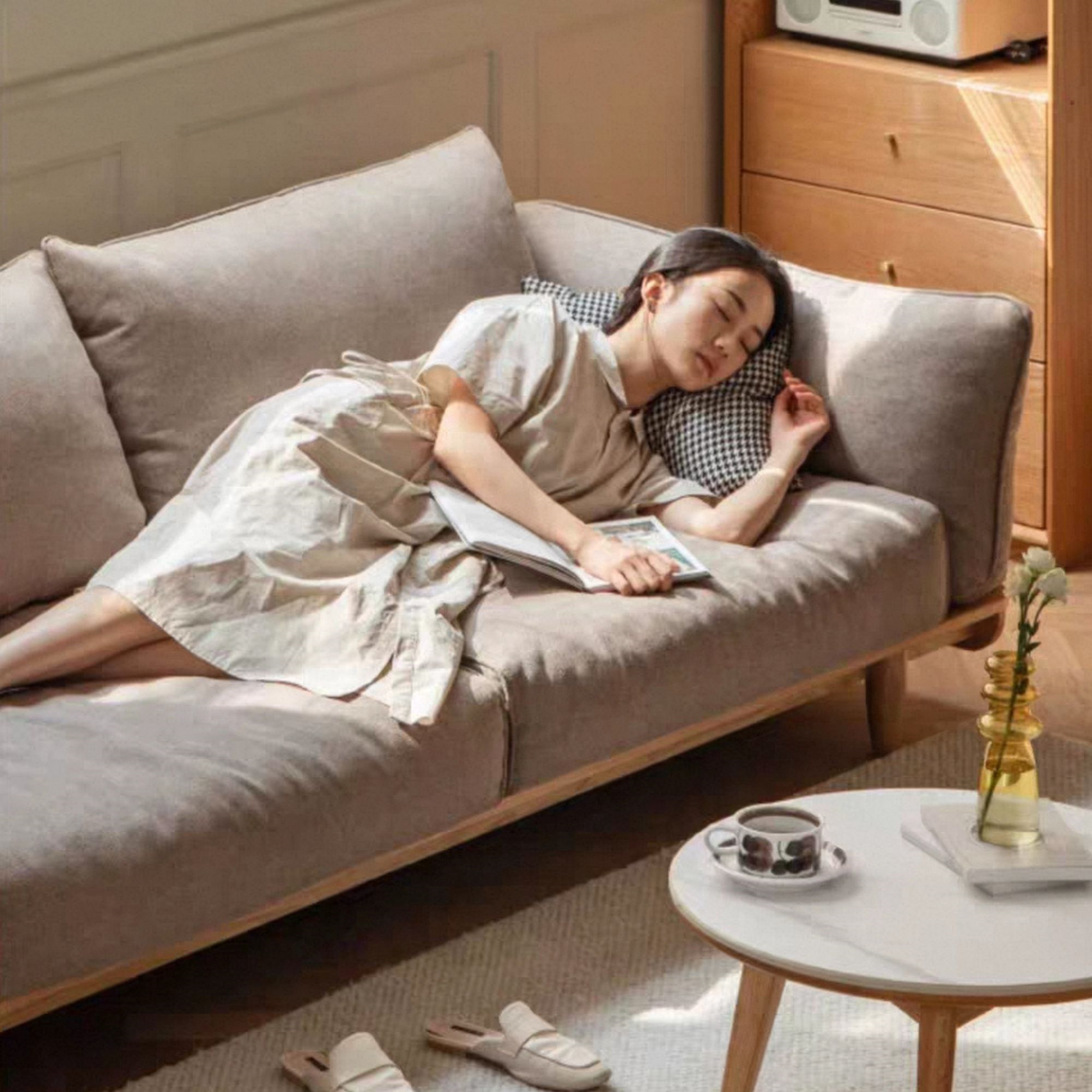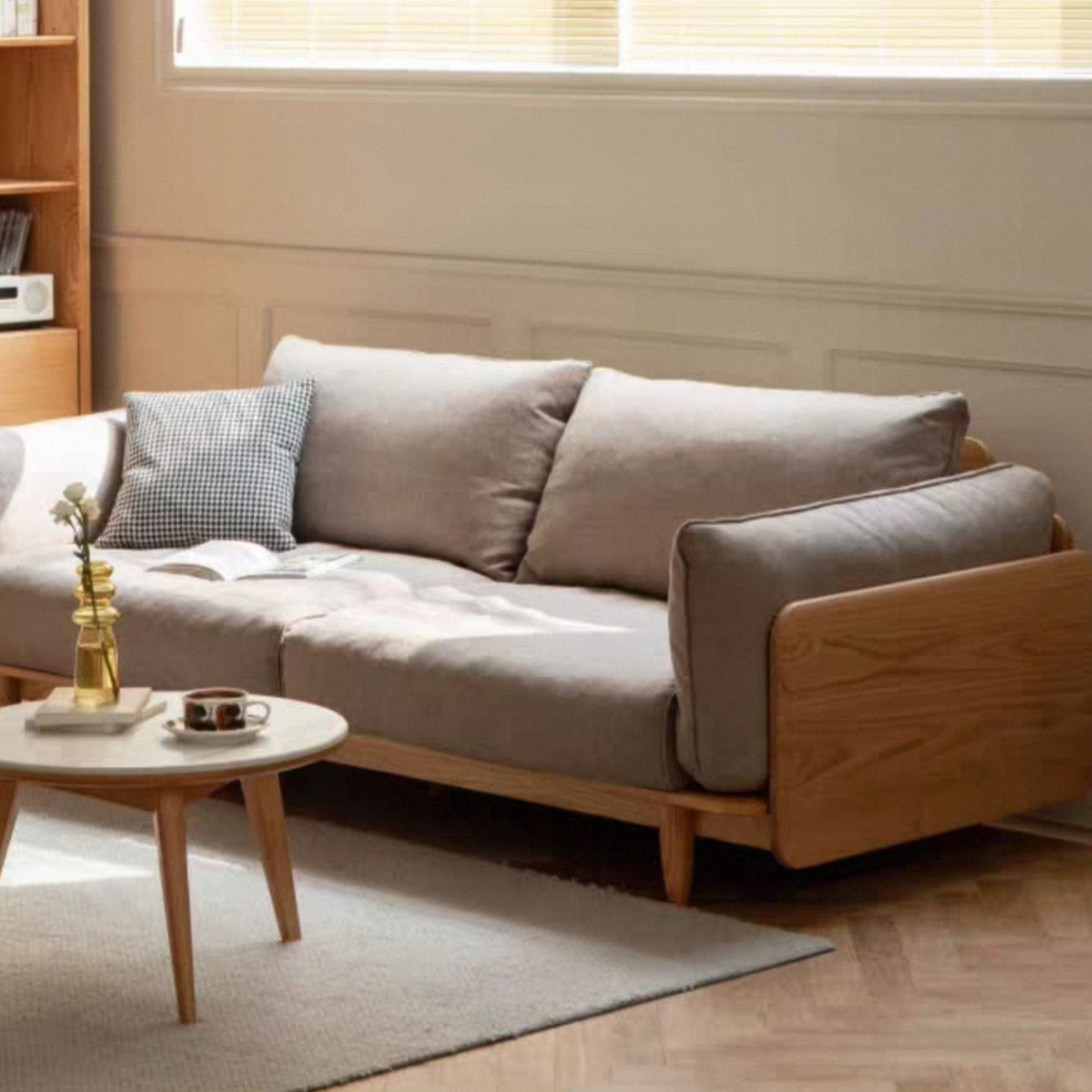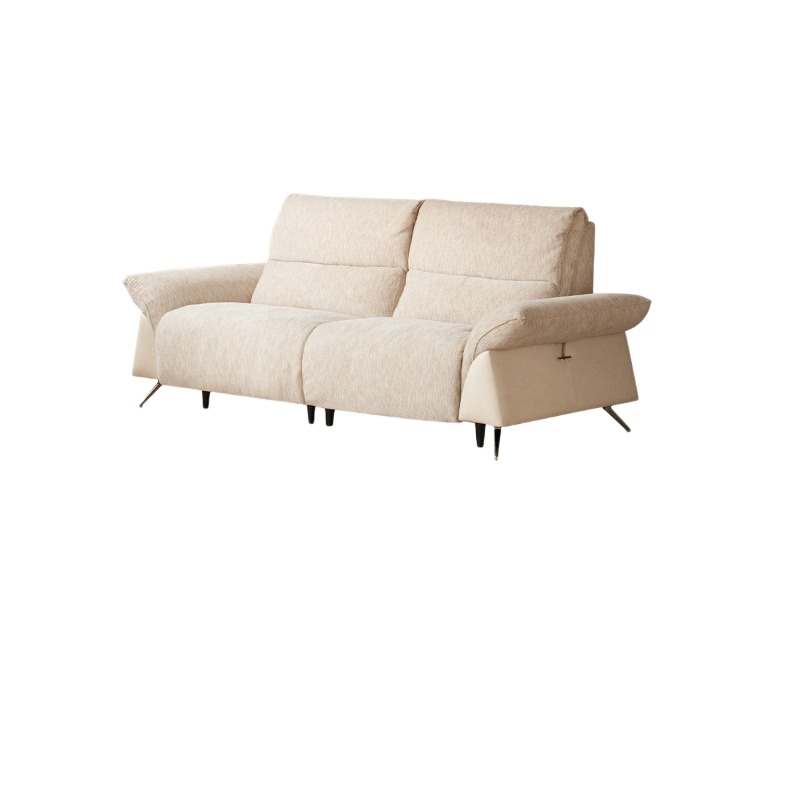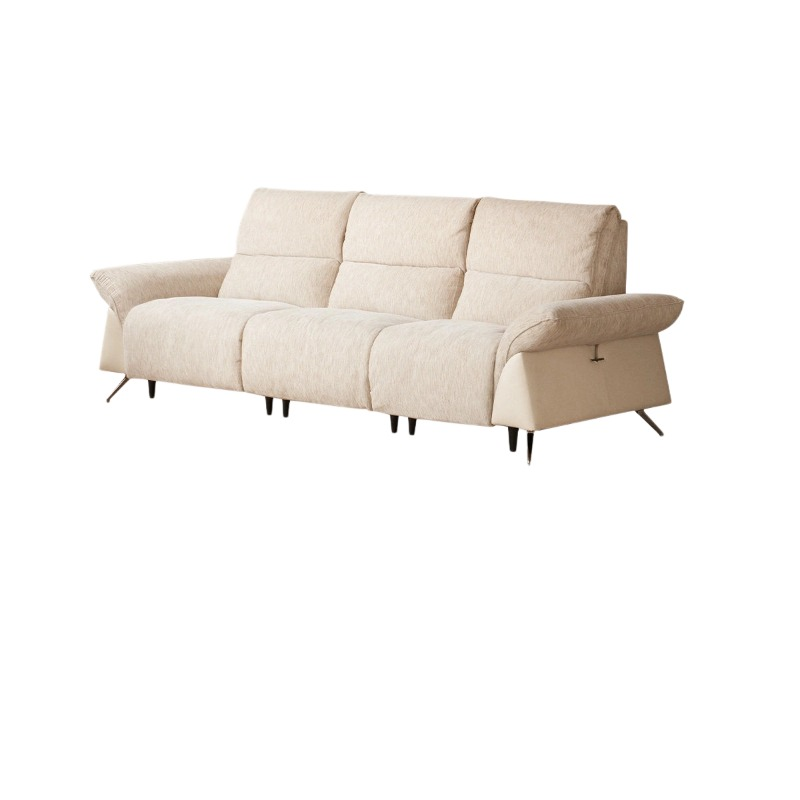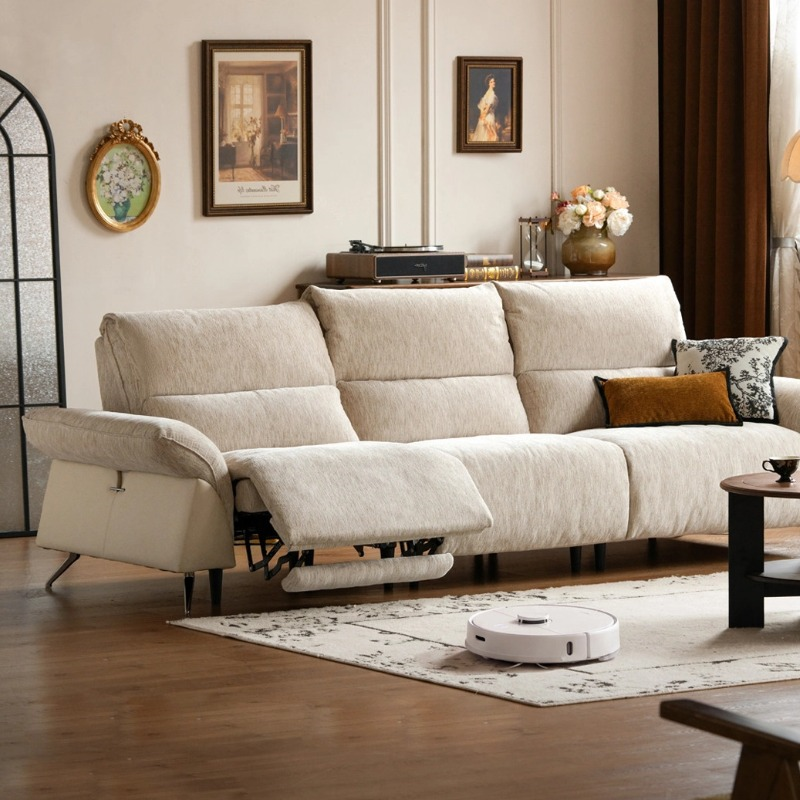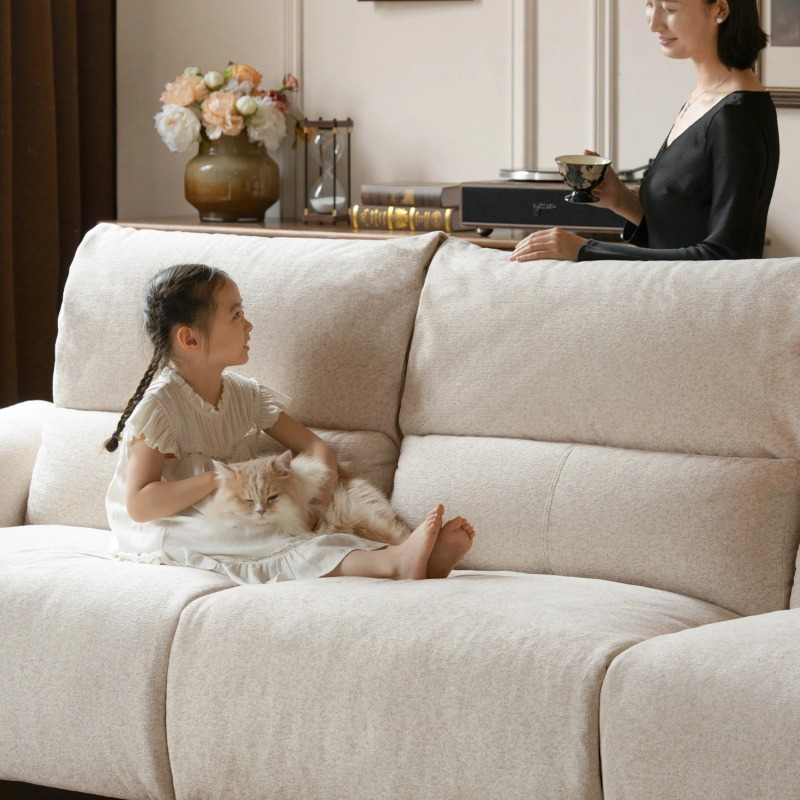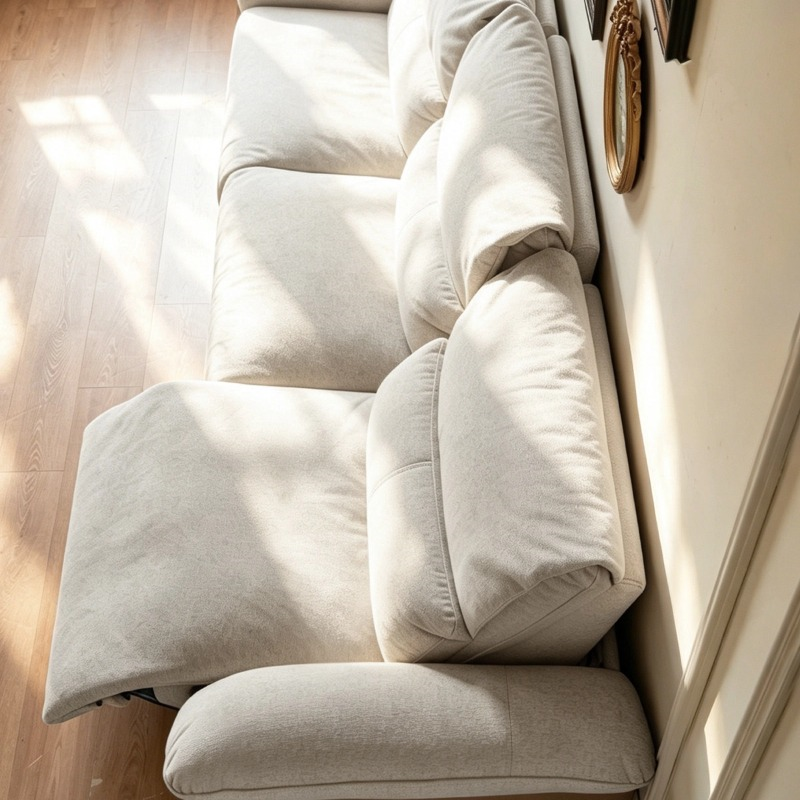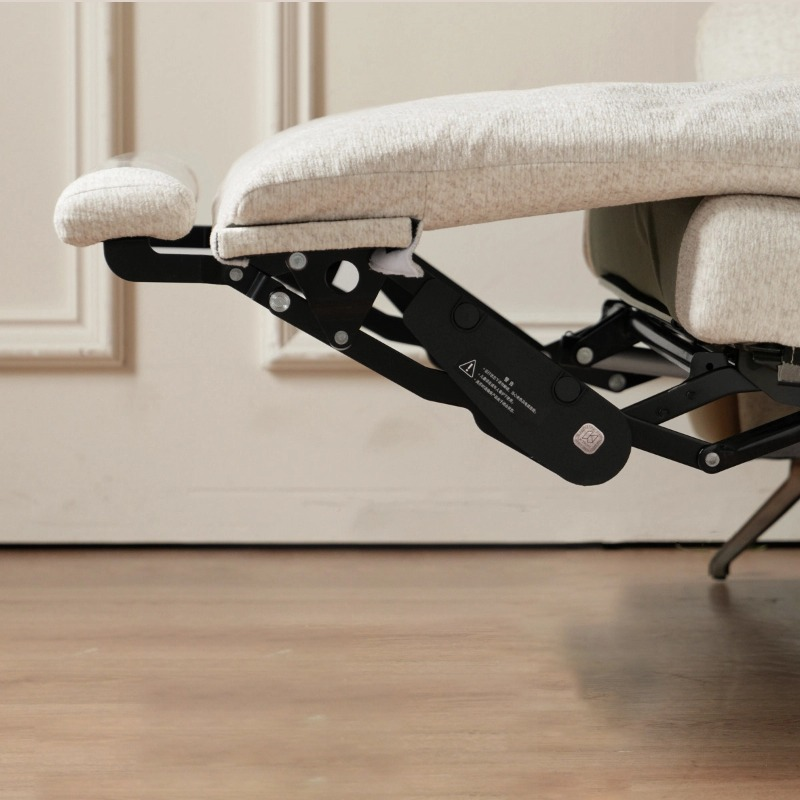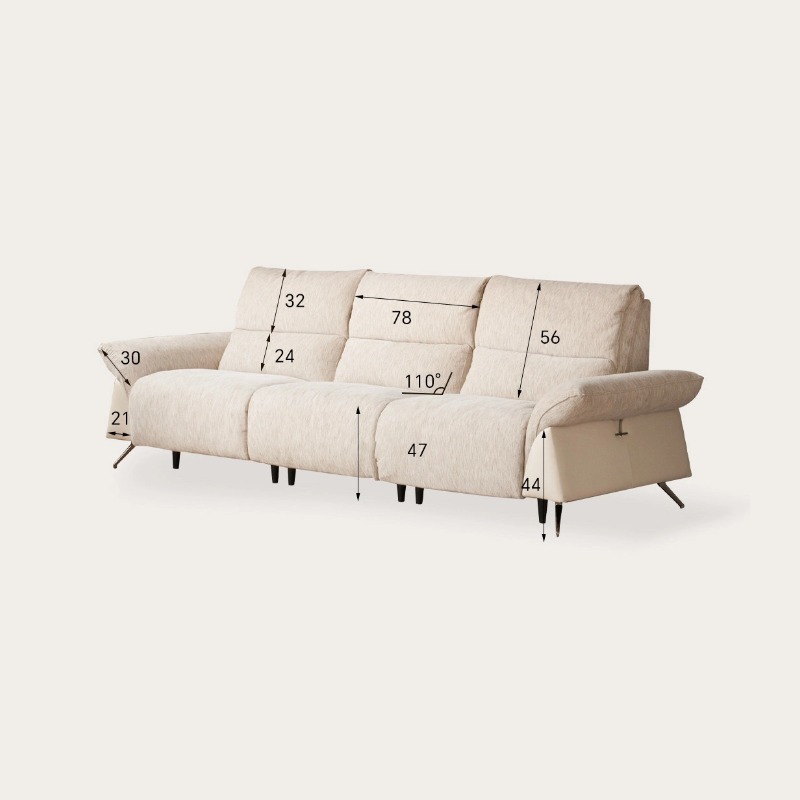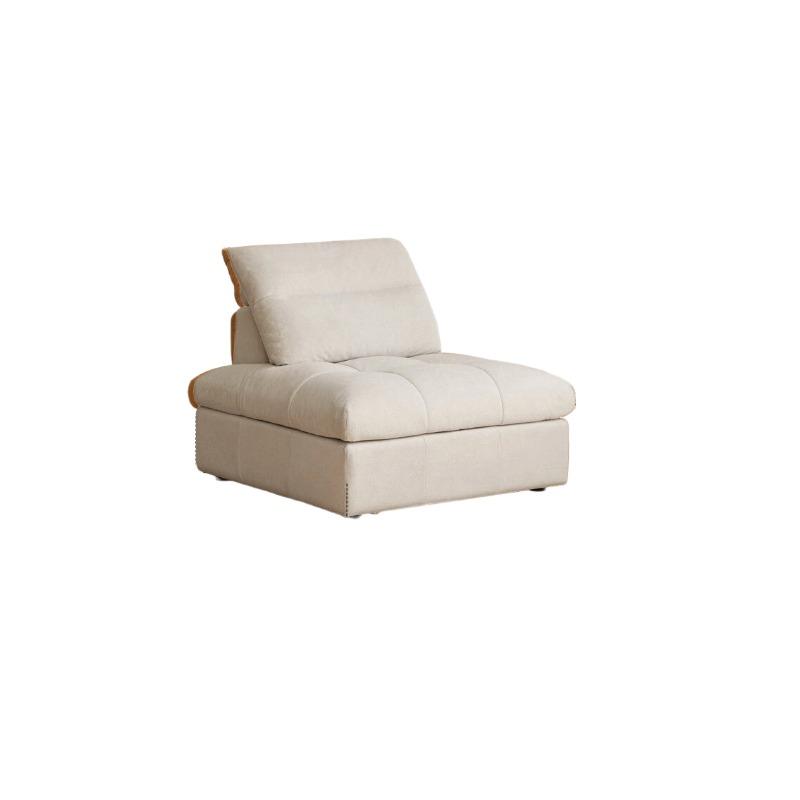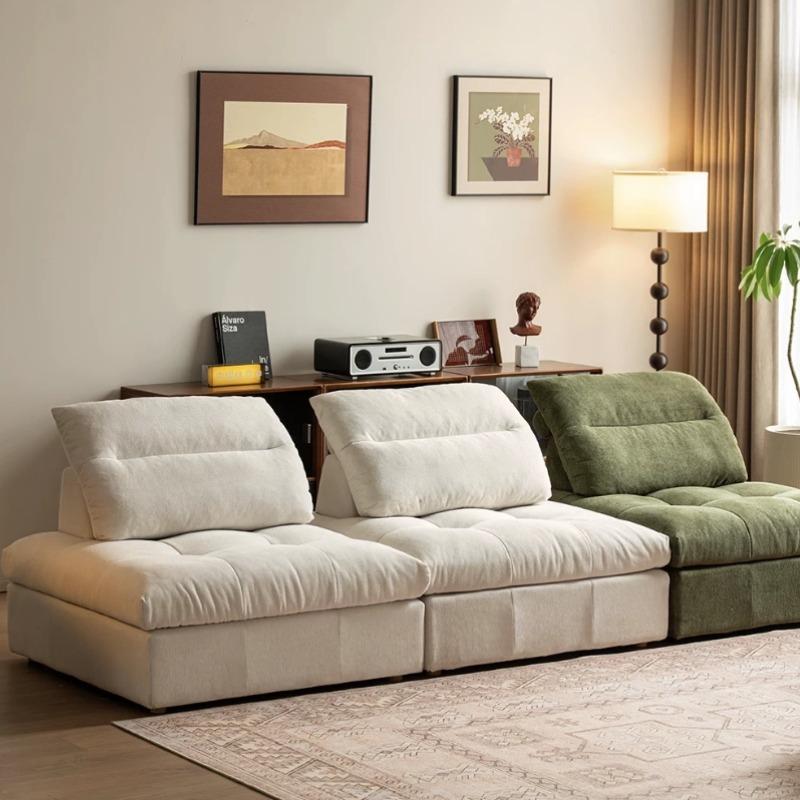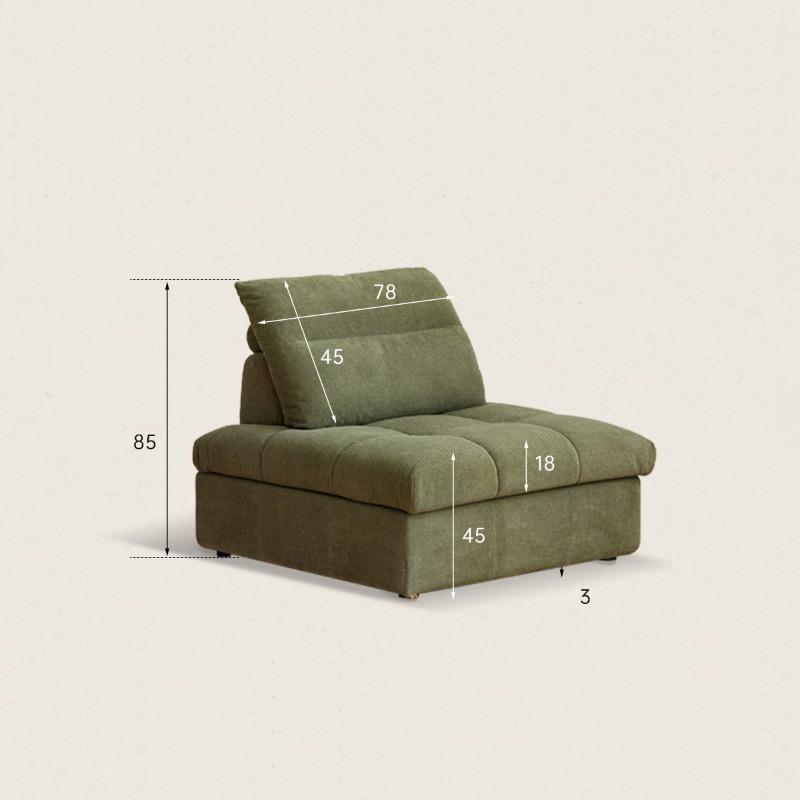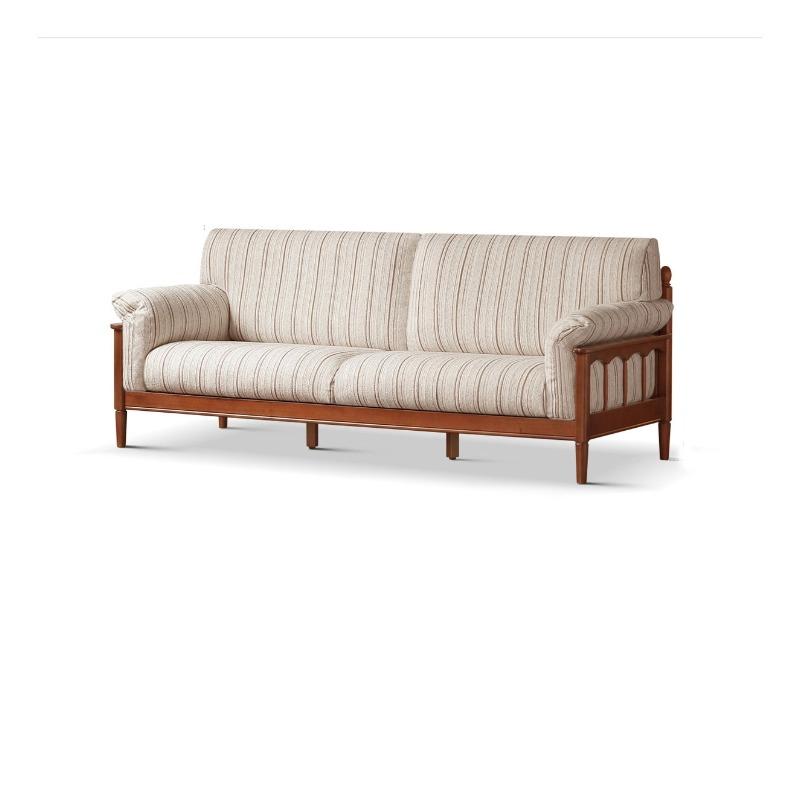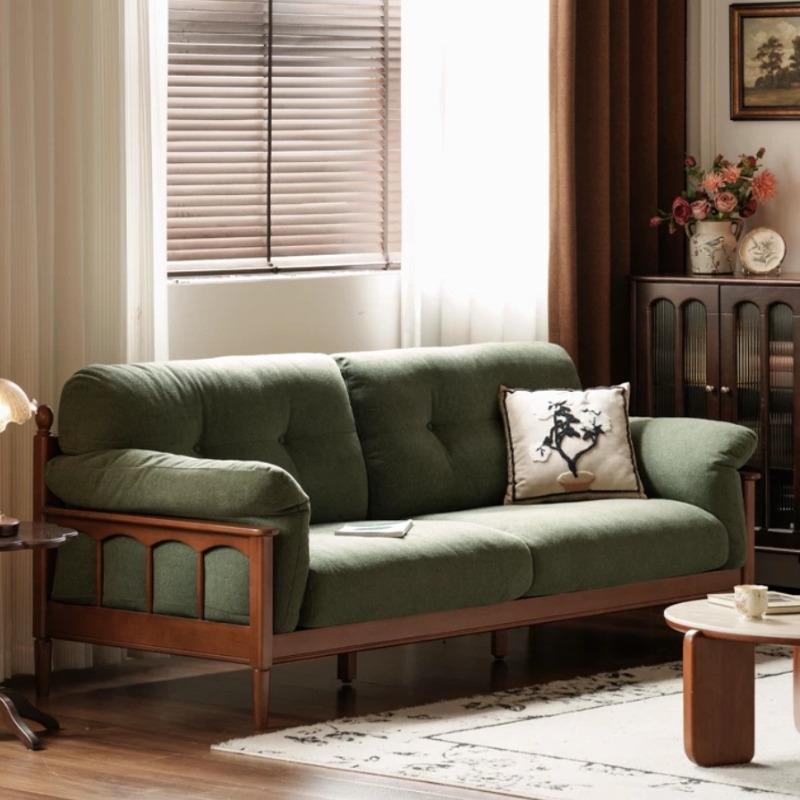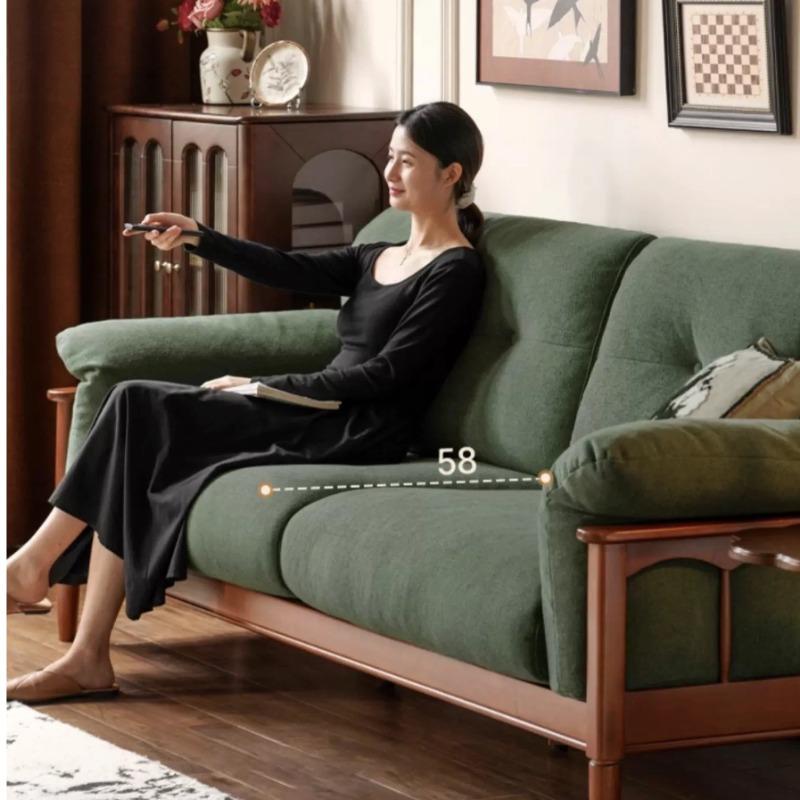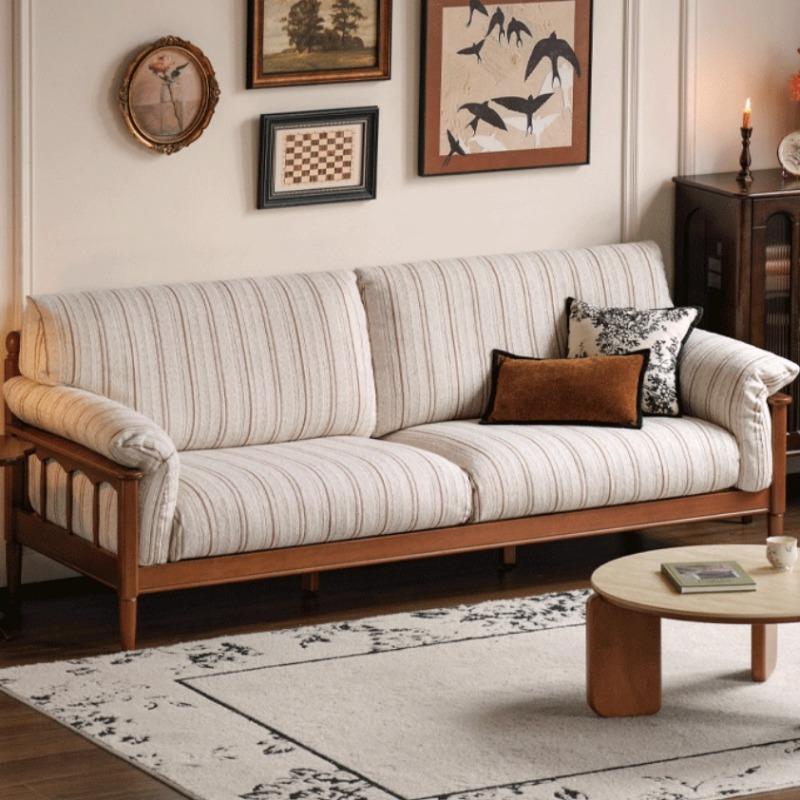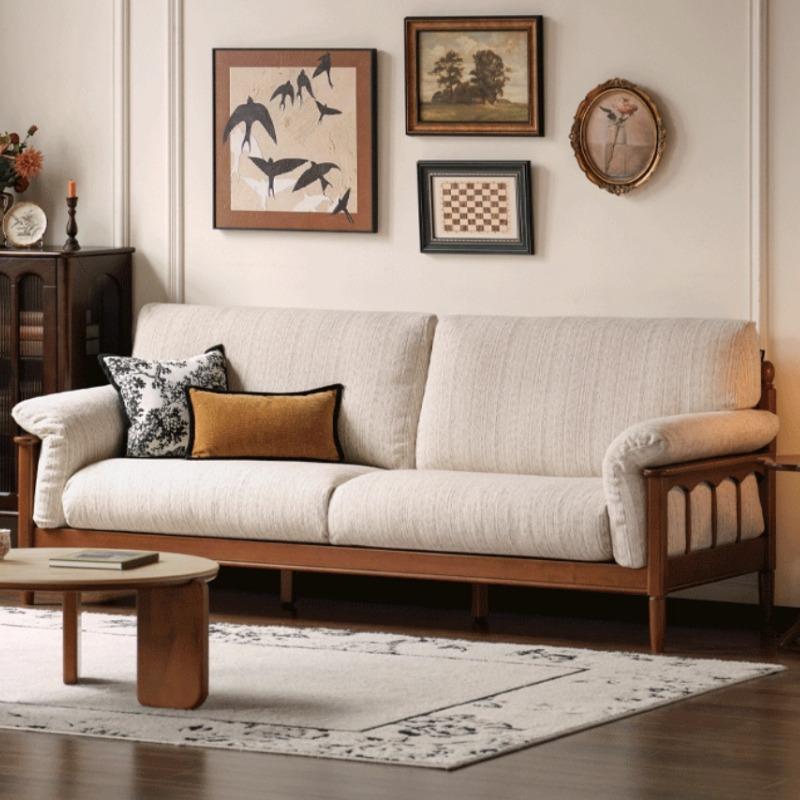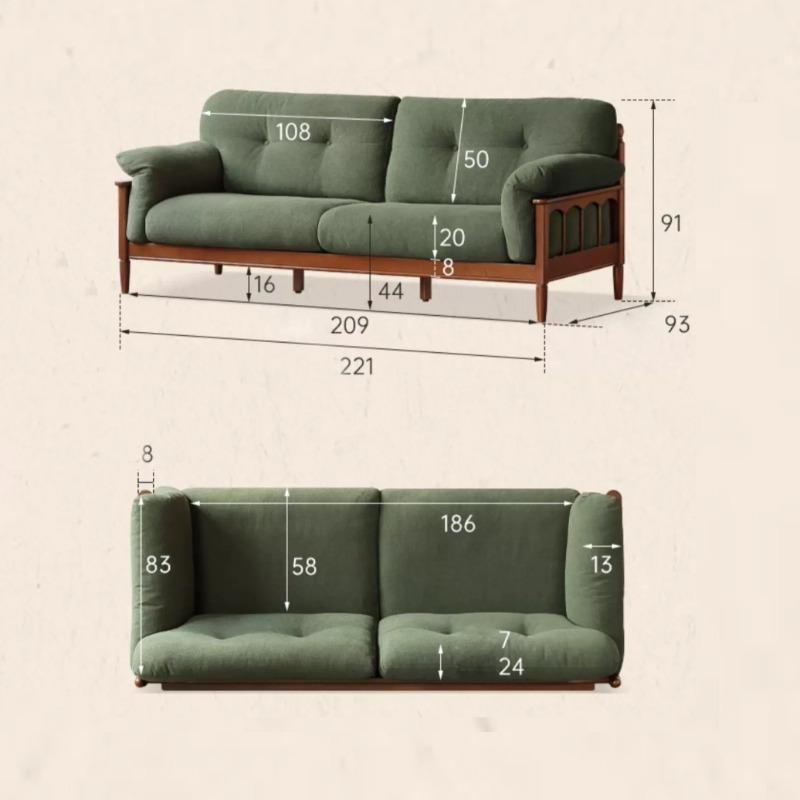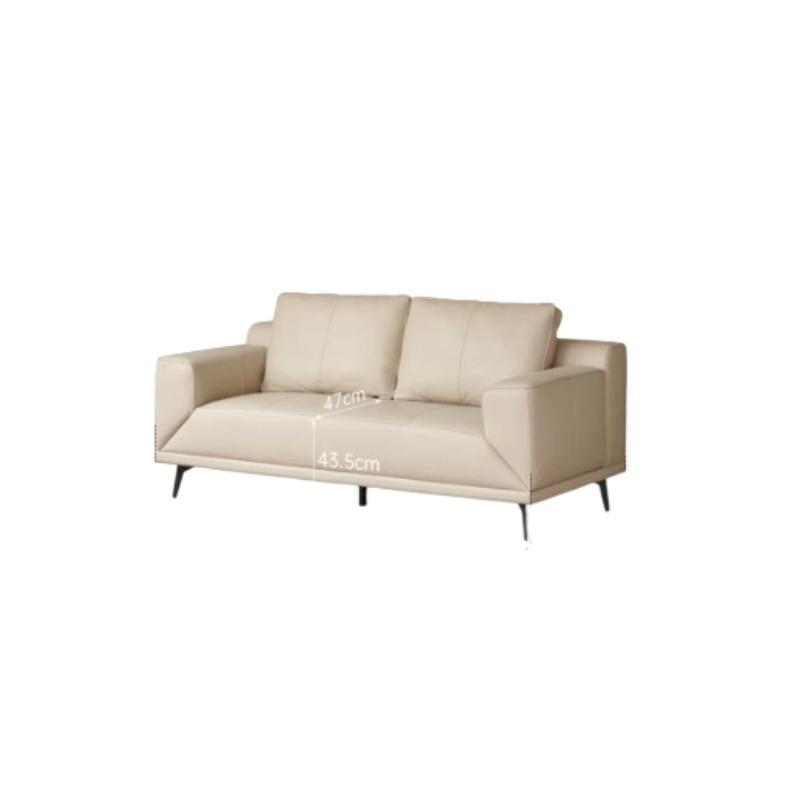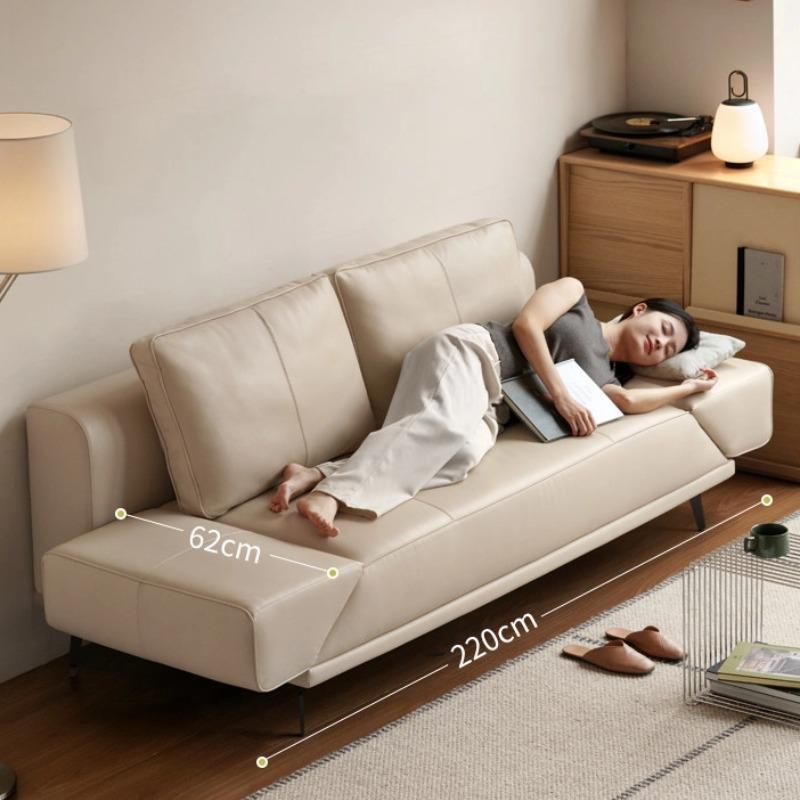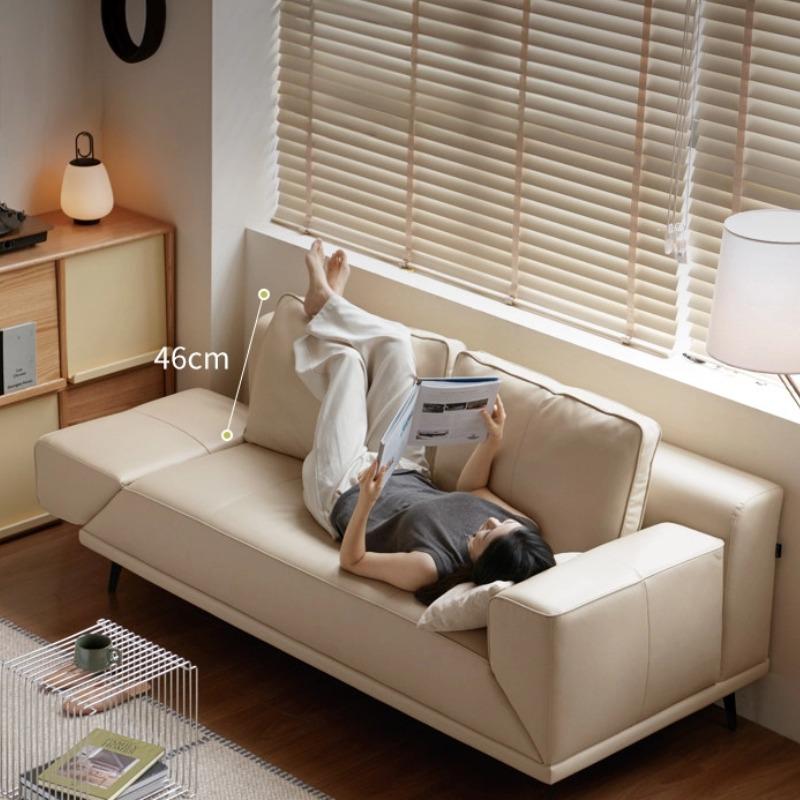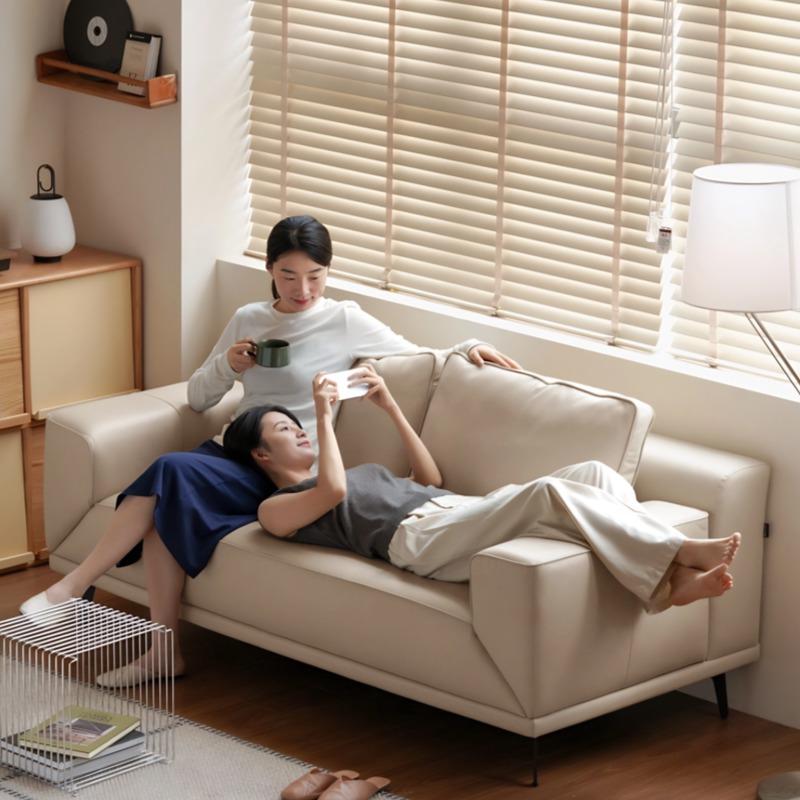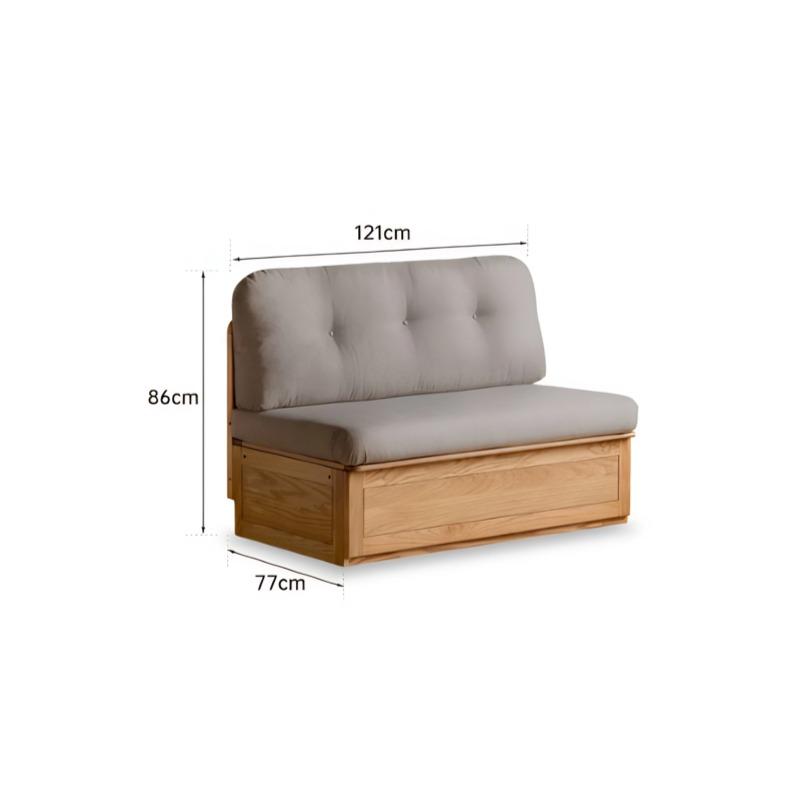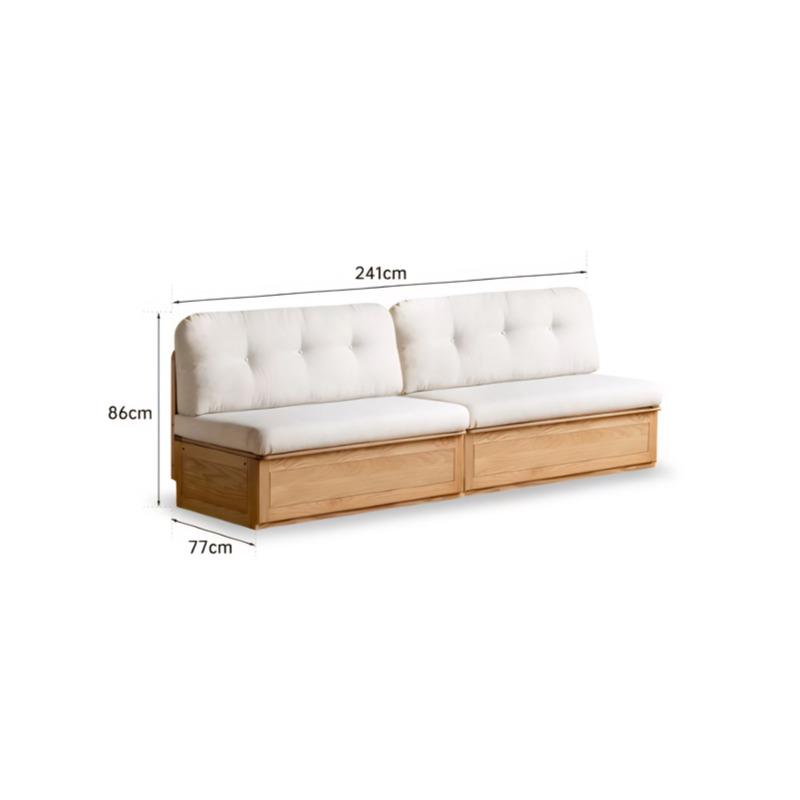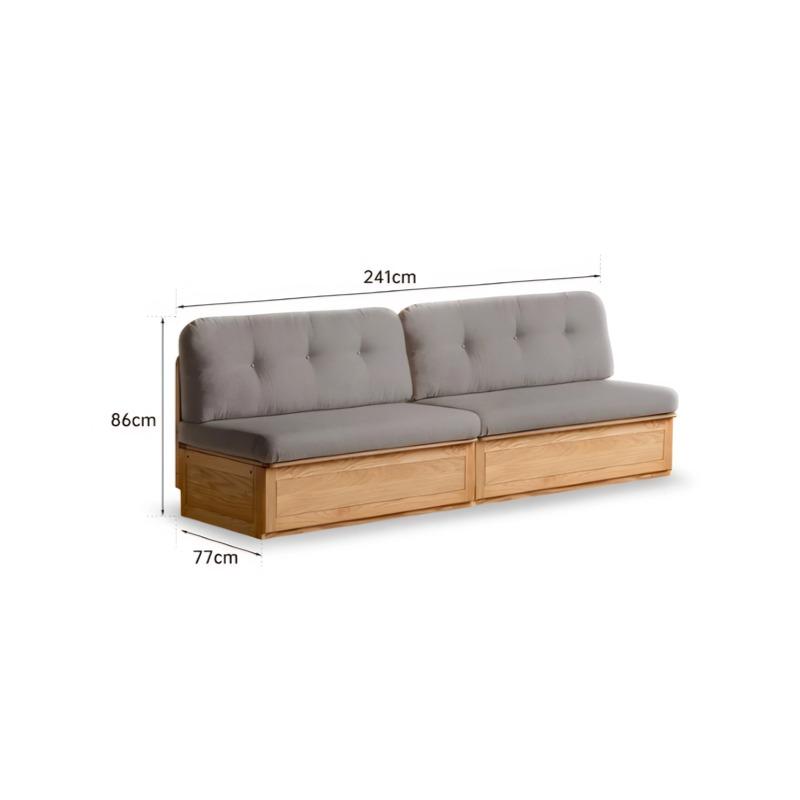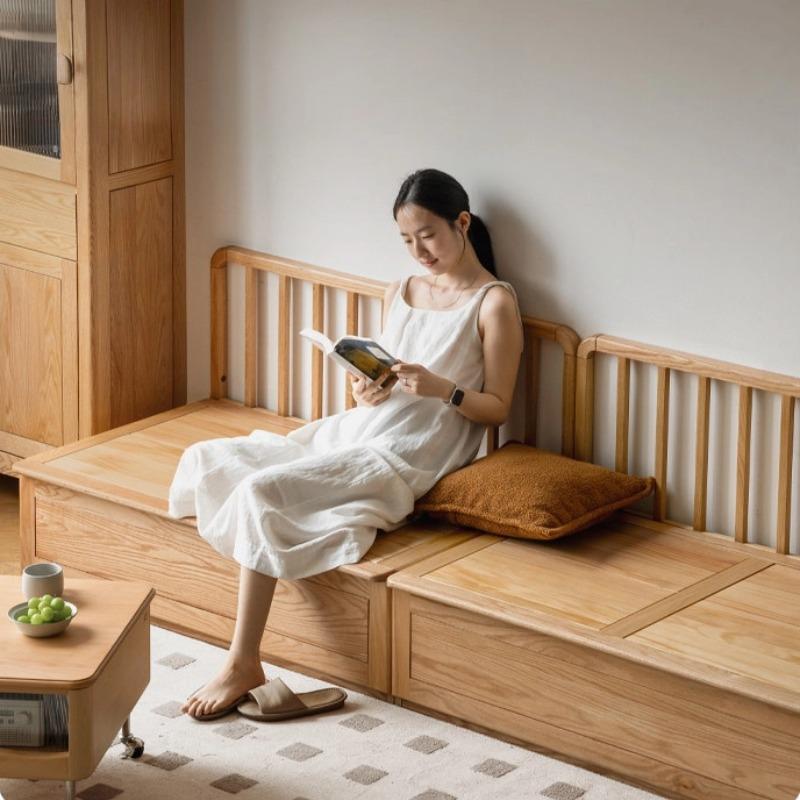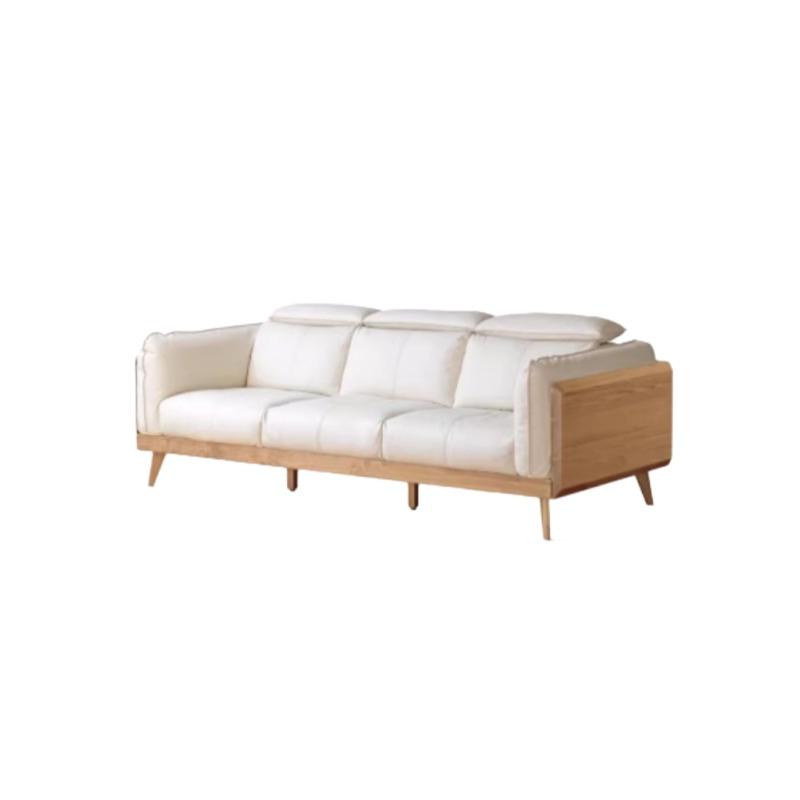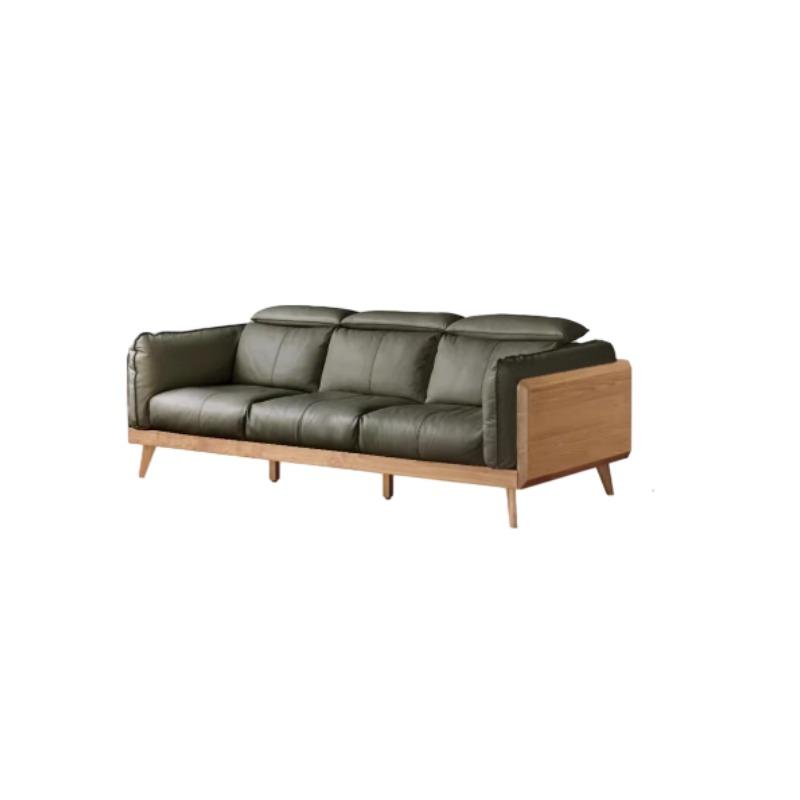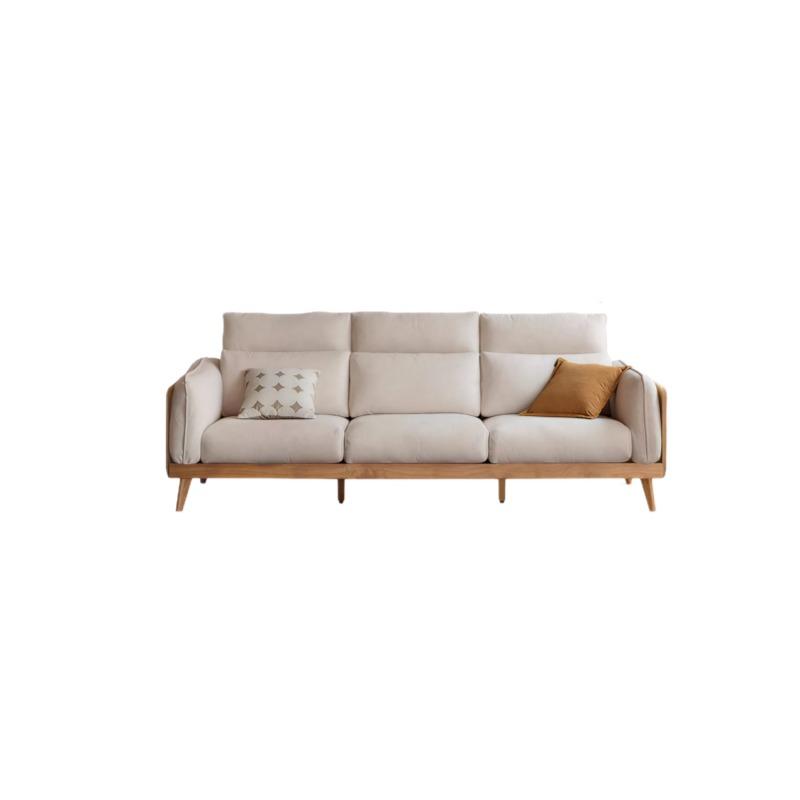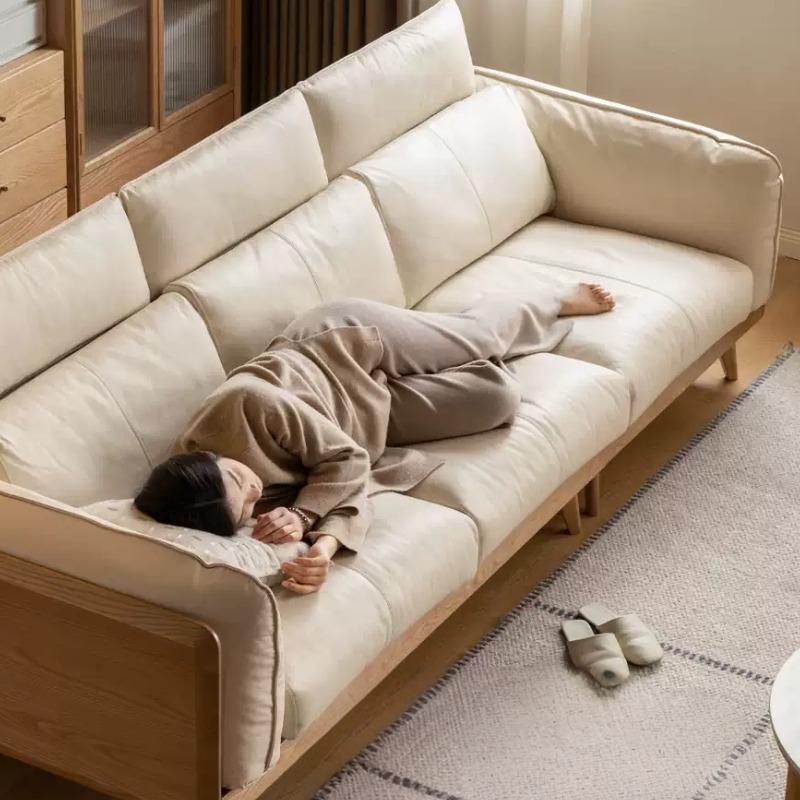



Does your living room sometimes feel like a battleground between good interior design and your cat’s very enthusiastic claws?
For many pet owners, this dilemma is all too familiar. You want a home that looks polished and welcoming, yet your feline companion sees your sofa as the perfect scratching post. Between fur, accidental spills, and the occasional claw mark, maintaining a pristine seating area can feel like a constant challenge.
Because of this, many homeowners believe they must choose between a stylish living room and a pet-friendly environment. But the truth is, the right furniture choices can help you enjoy both.
The key lies in selecting the right materials and thoughtful design features. Certain fabrics resist snags, some surfaces discourage scratching, and clever construction details make cleaning far easier.
In this guide, we will explore how to choose the best pet-friendly sofa, including the most durable fabrics, materials to avoid, and smart maintenance strategies. Whether you are looking for a cat-proof sofa, a scratch-proof sofa, or simply a comfortable cat-friendly sofa that works for your household, these tips will help you keep your living space looking its best.
Selecting the Best Fabrics for a Cat Friendly Sofa
When choosing a sofa for a home with pets, fabric selection makes all the difference. Cats naturally explore surfaces with their claws, so materials that resist snagging and wear are essential.
Two materials consistently stand out for durability and practicality.
The Durability of Microfiber and Microsuede
Microfiber and microsuede are often recommended when searching for a cat-friendly sofa, and for good reason.
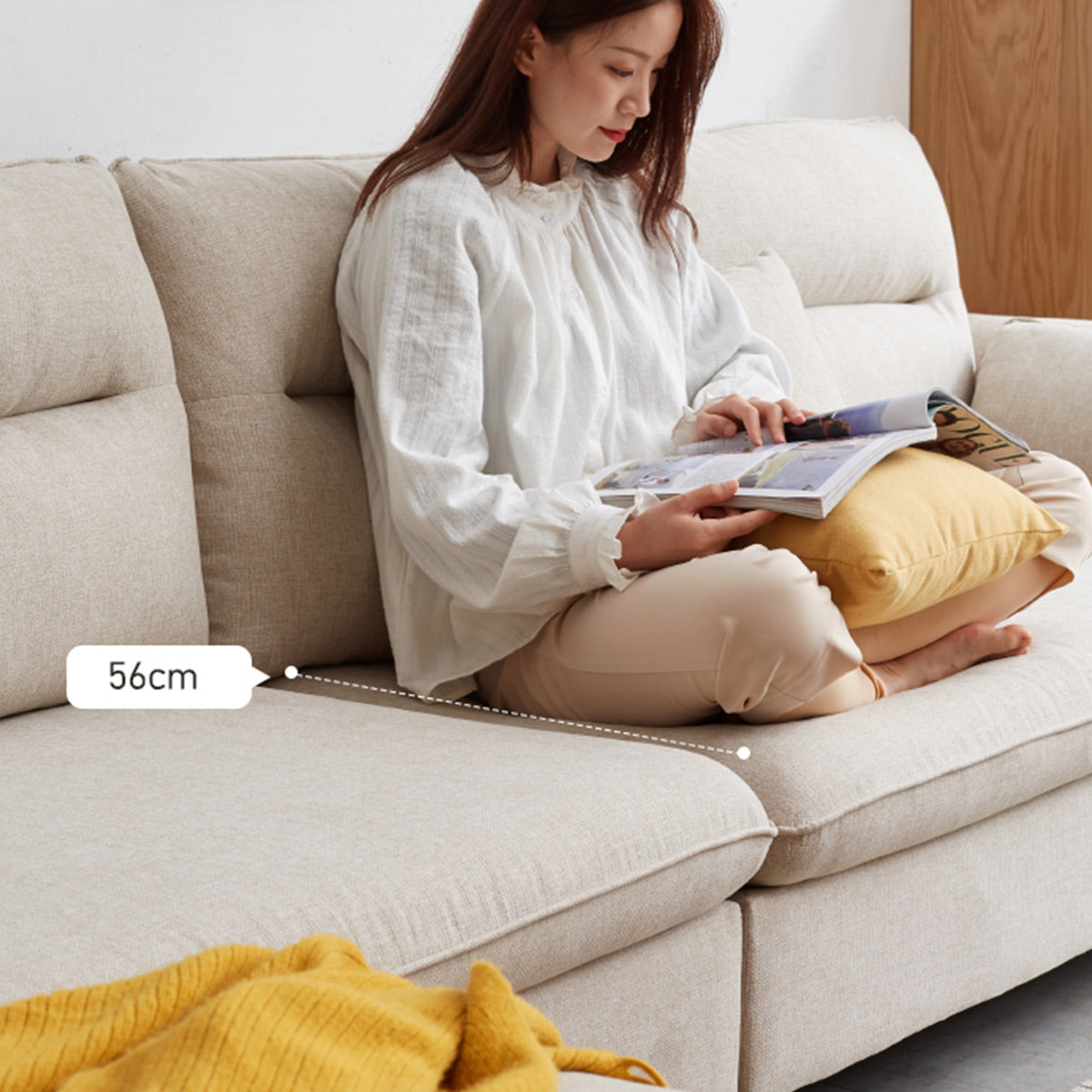
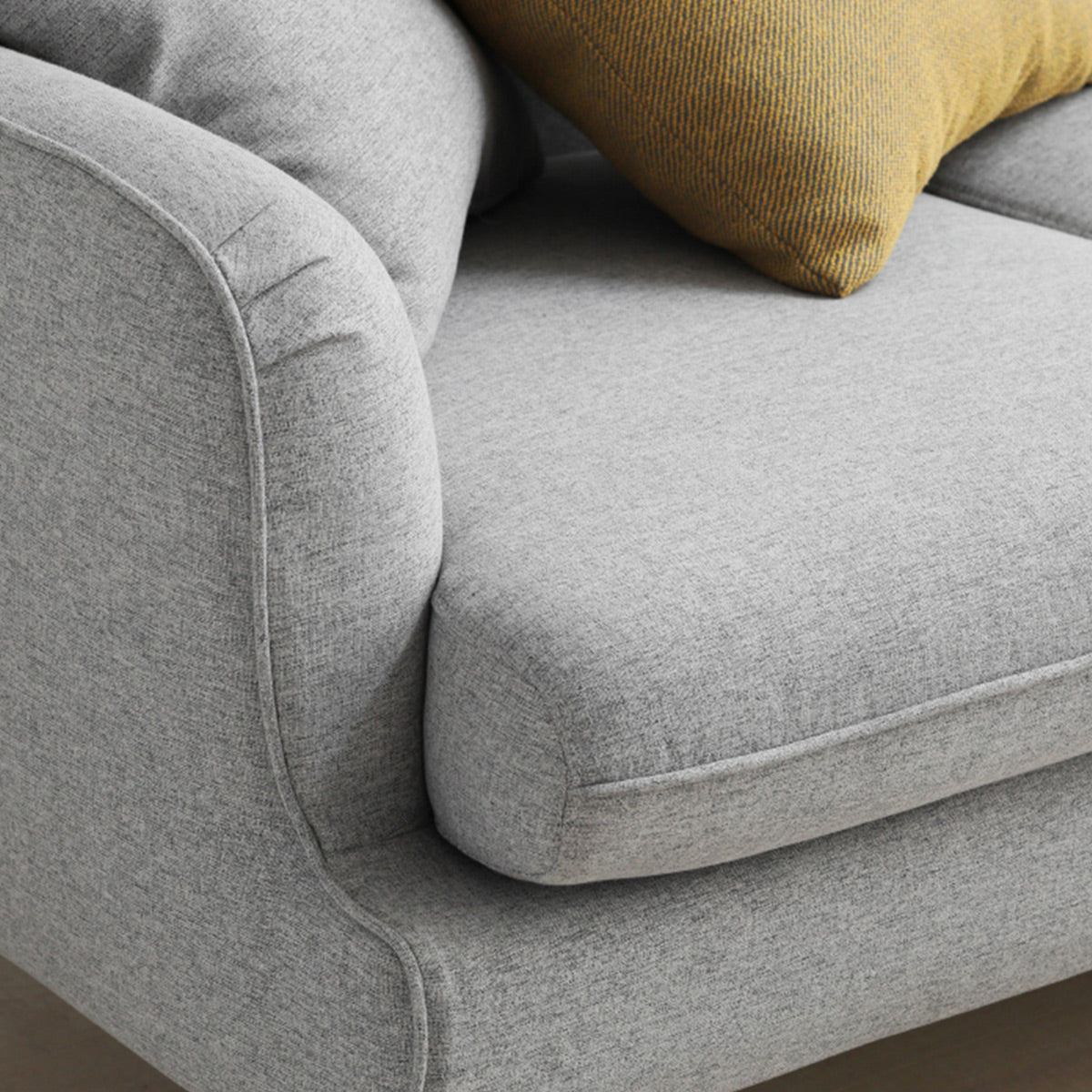
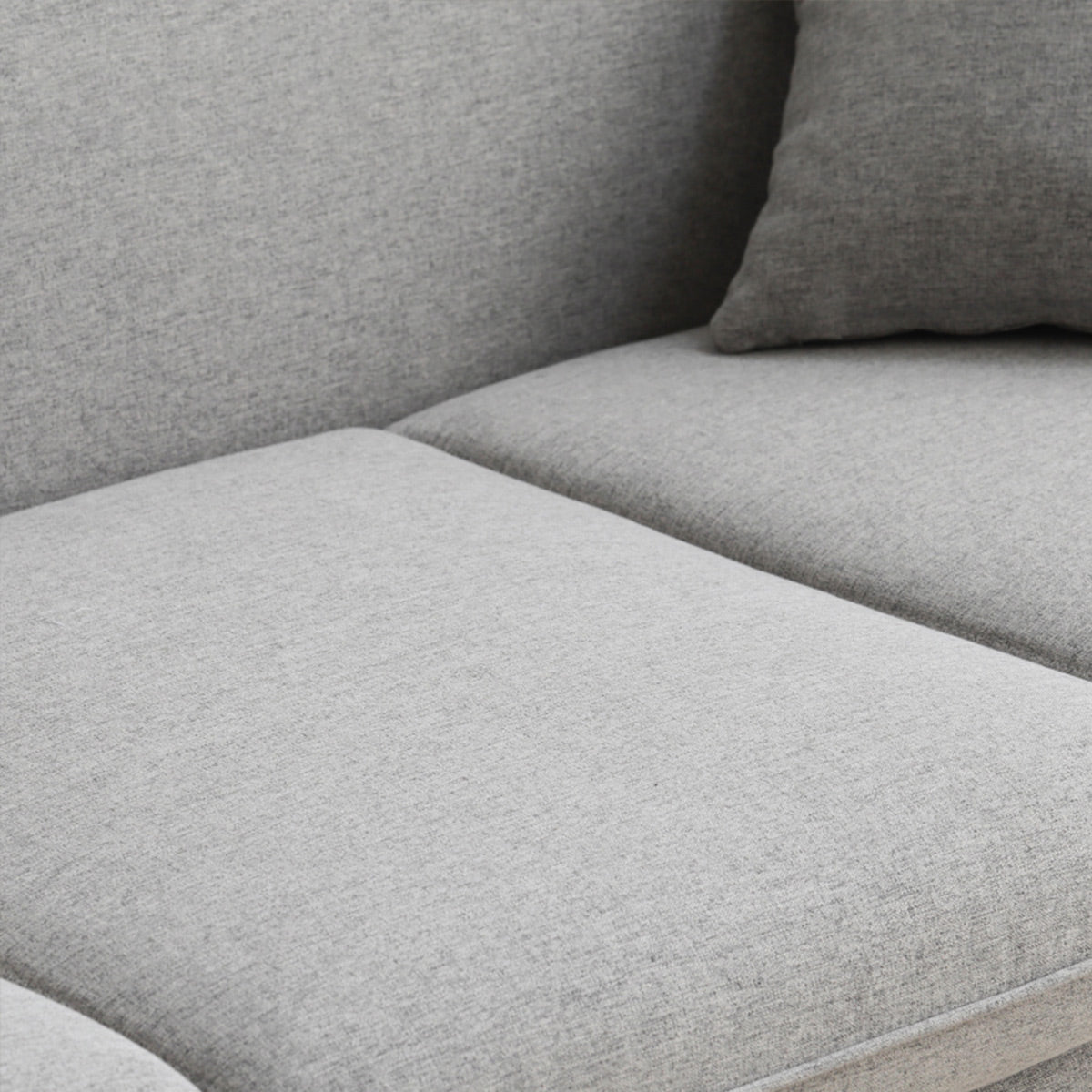
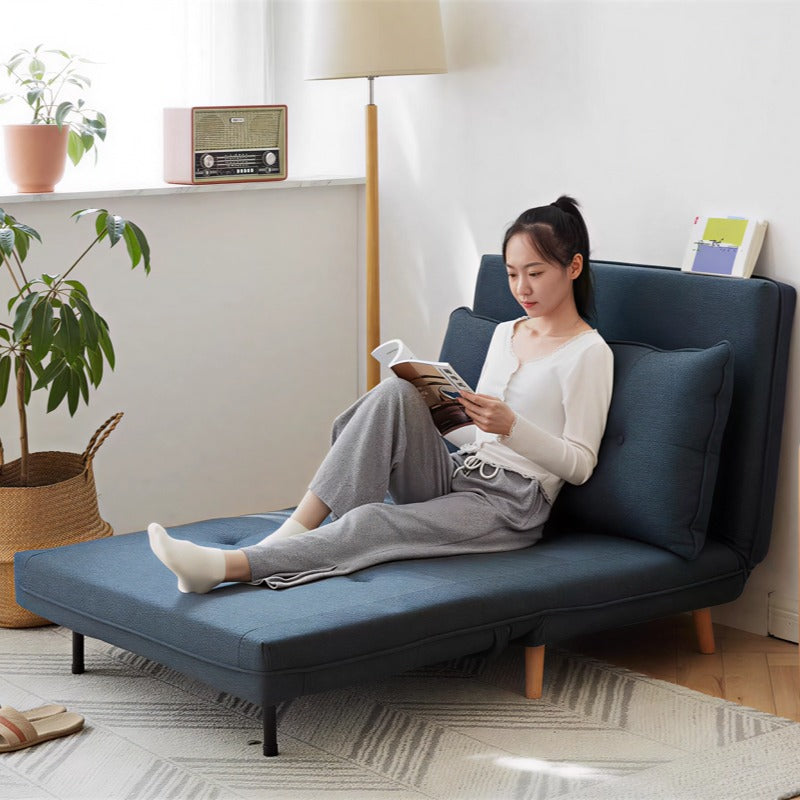
These fabrics are made from tightly woven synthetic fibres, which create a smooth surface that claws struggle to grip. Because there are no loose threads or loops, cats find it difficult to snag or pull at the material.
Another advantage is ease of cleaning. Microfiber tends to repel moisture, which makes it easier to wipe away spills or accidents before they soak in. Pet hair also sits on the surface rather than becoming embedded in the fabric, allowing it to be removed quickly with a lint roller or vacuum.
For households with multiple pets, microfiber offers a balance of comfort, resilience, and practicality that keeps sofas looking neat even with regular use.
Why Genuine Leather is a Smart Pet Friendly Choice
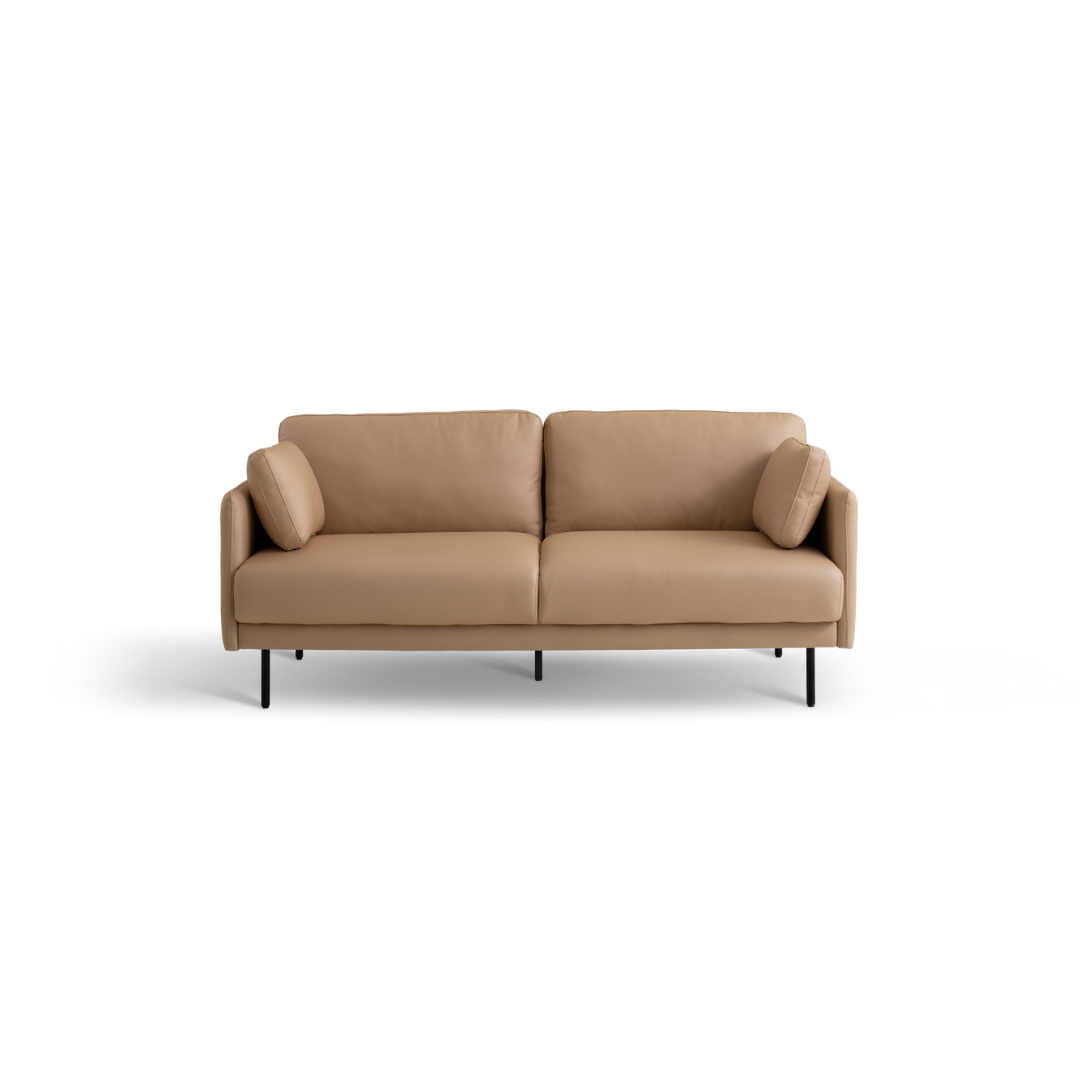
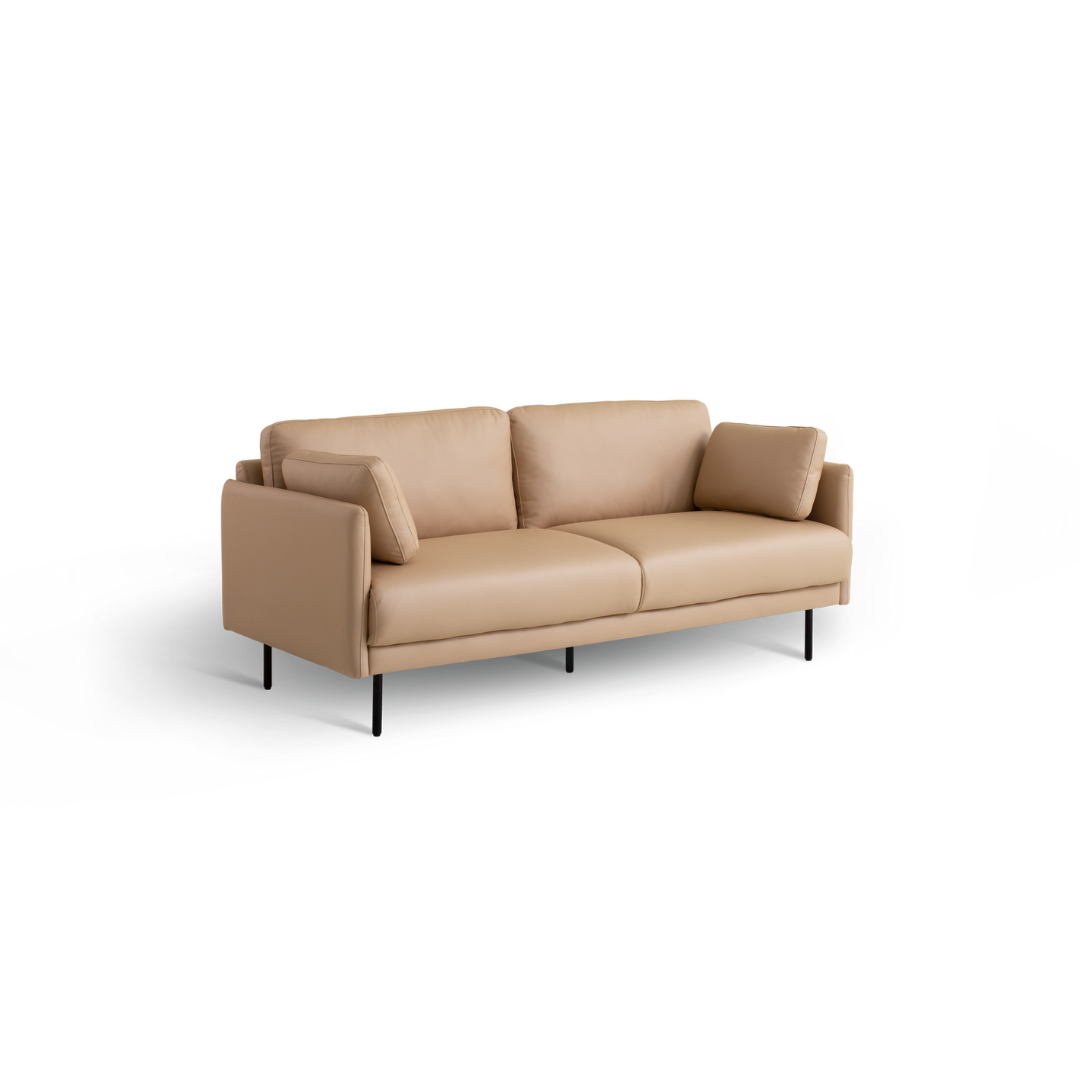
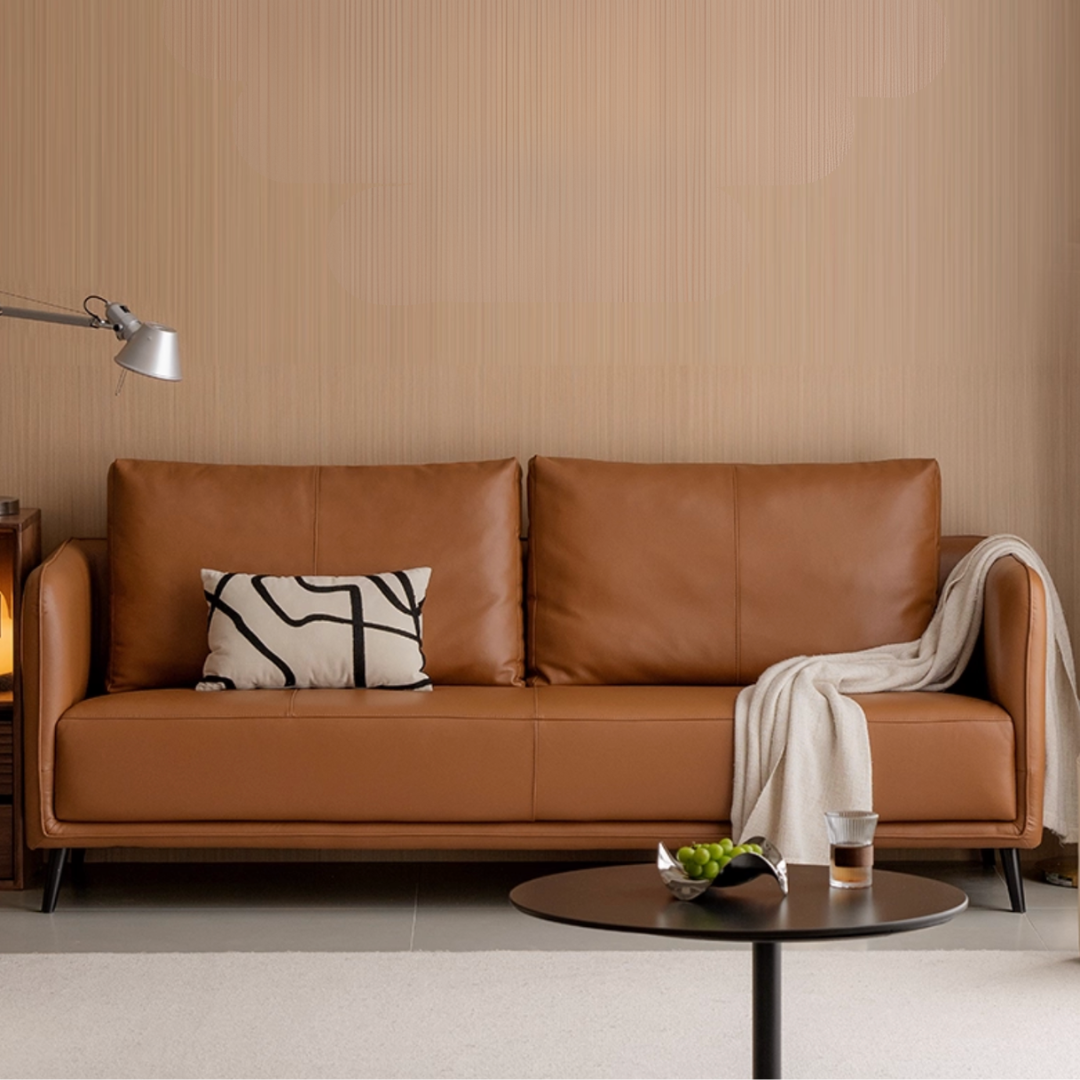
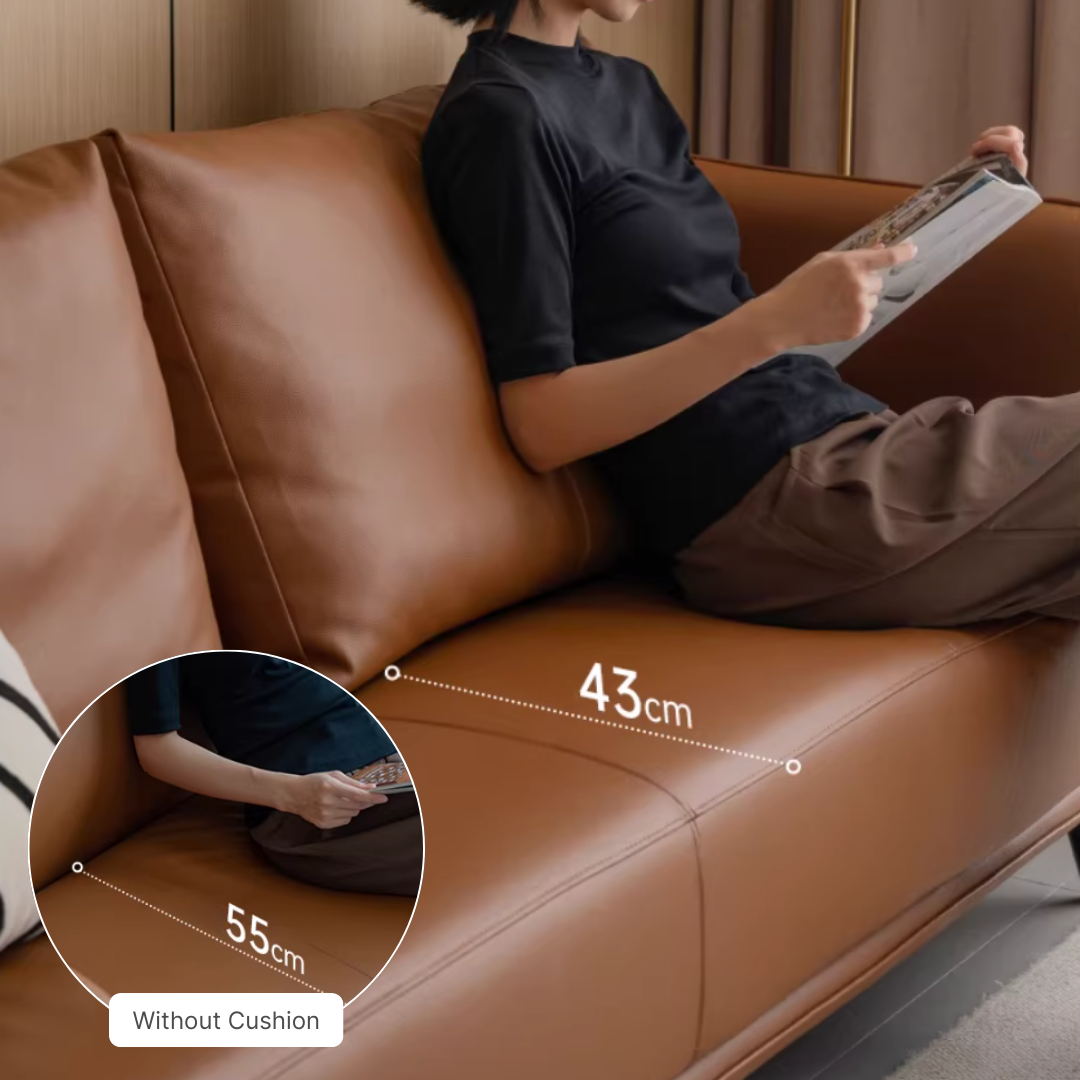
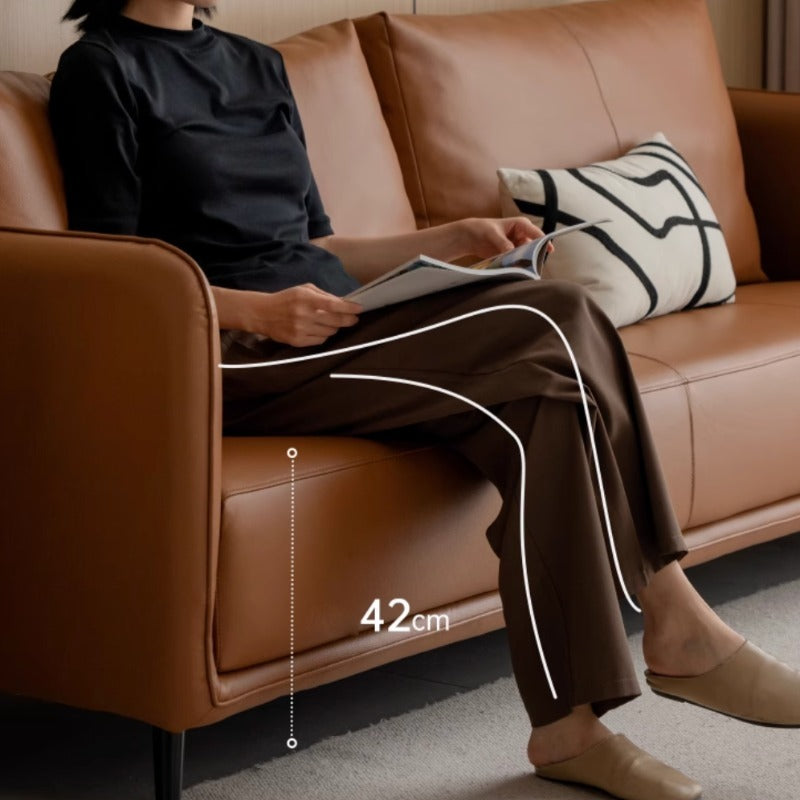
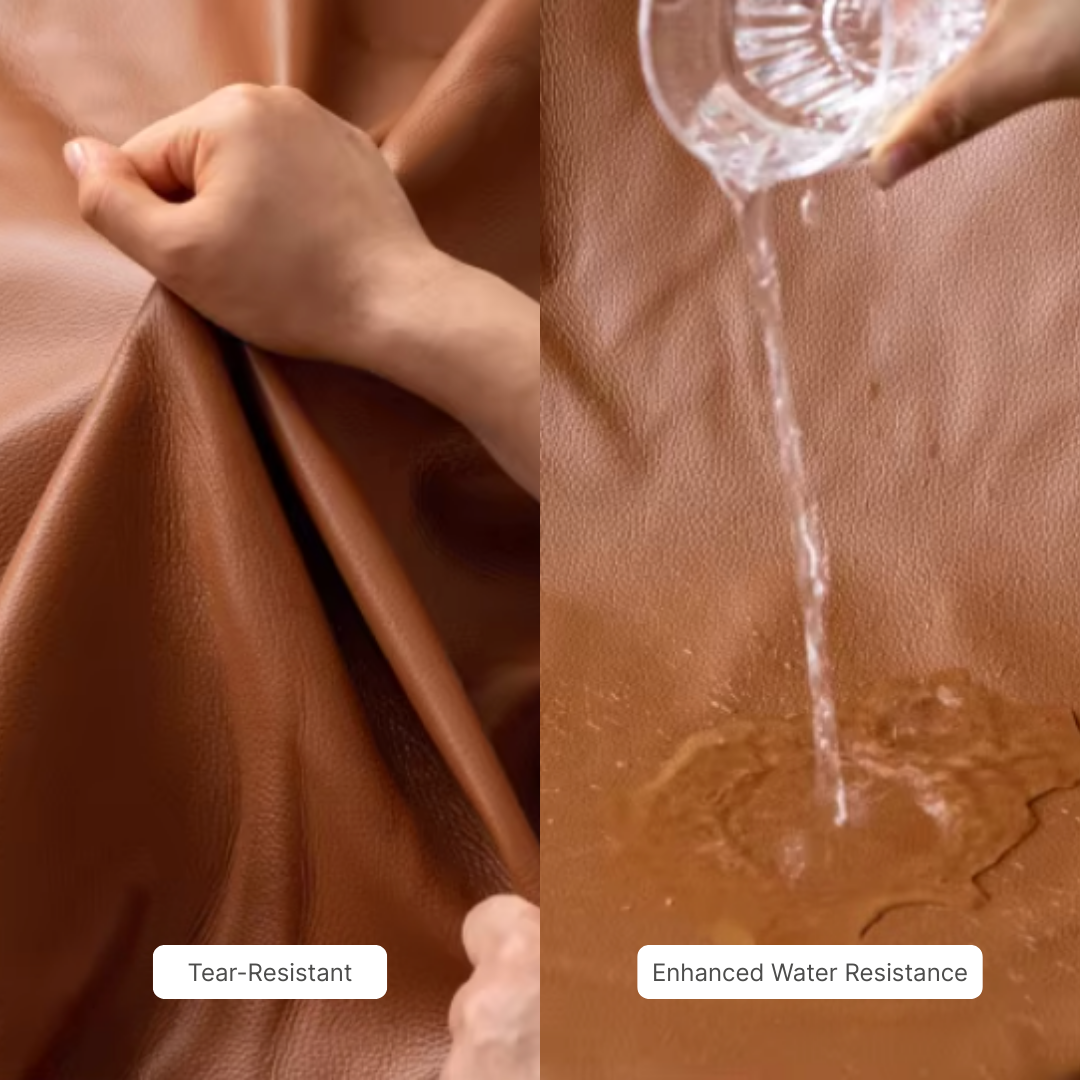
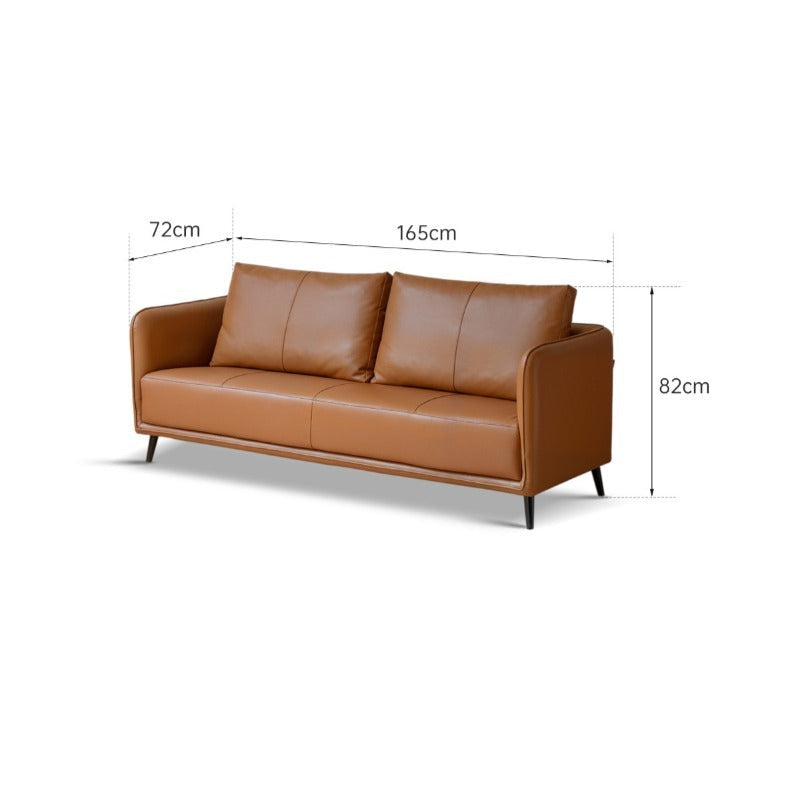
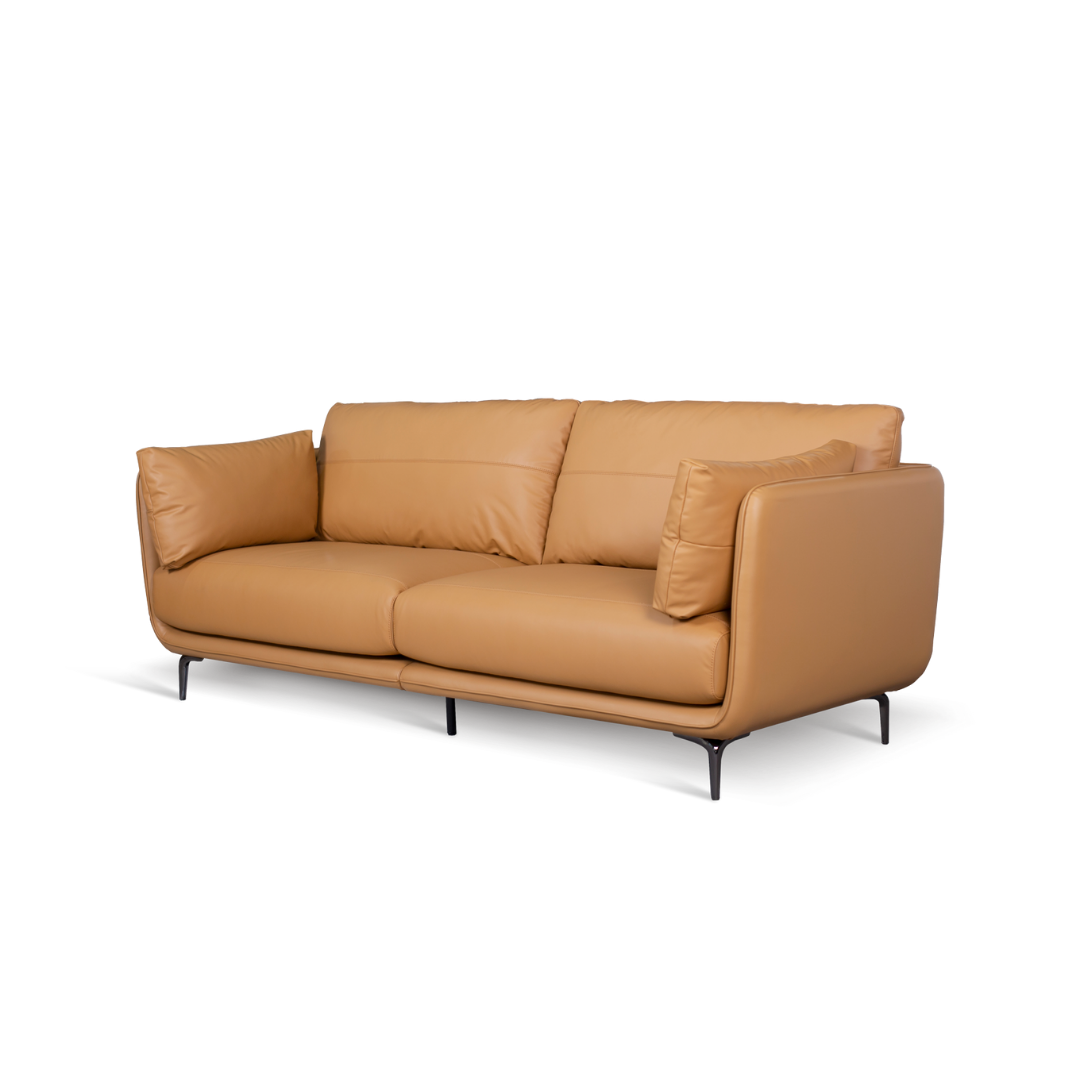
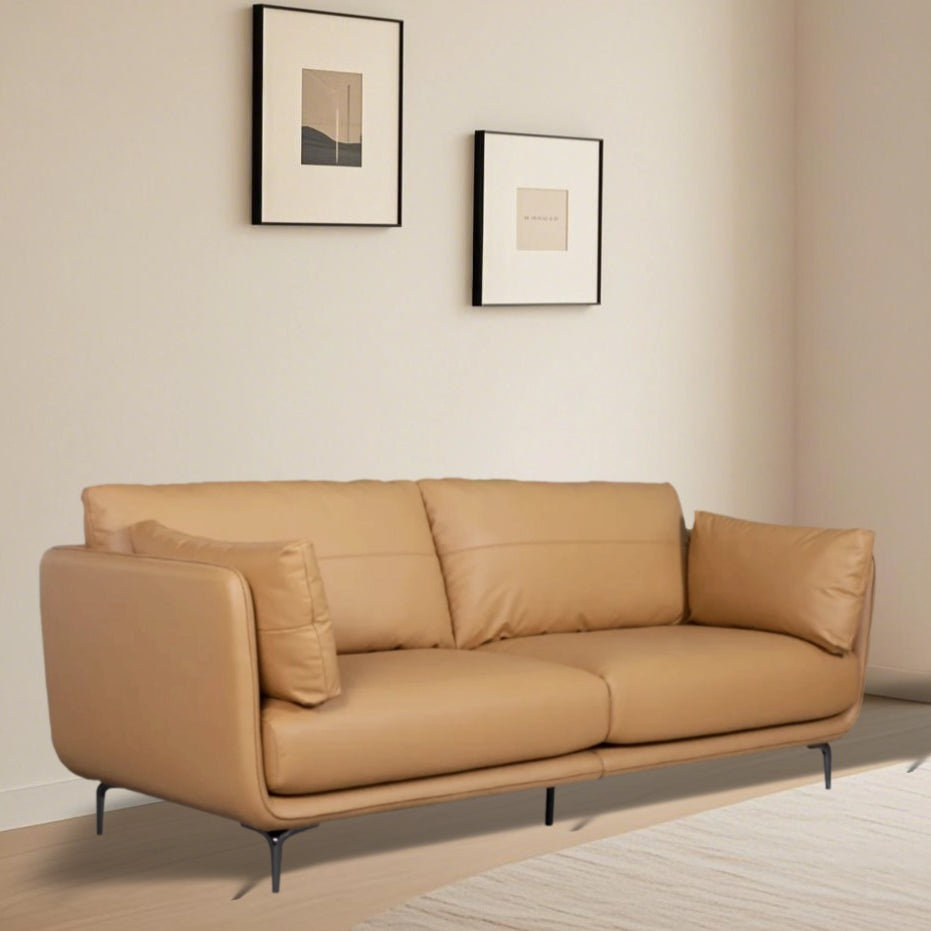
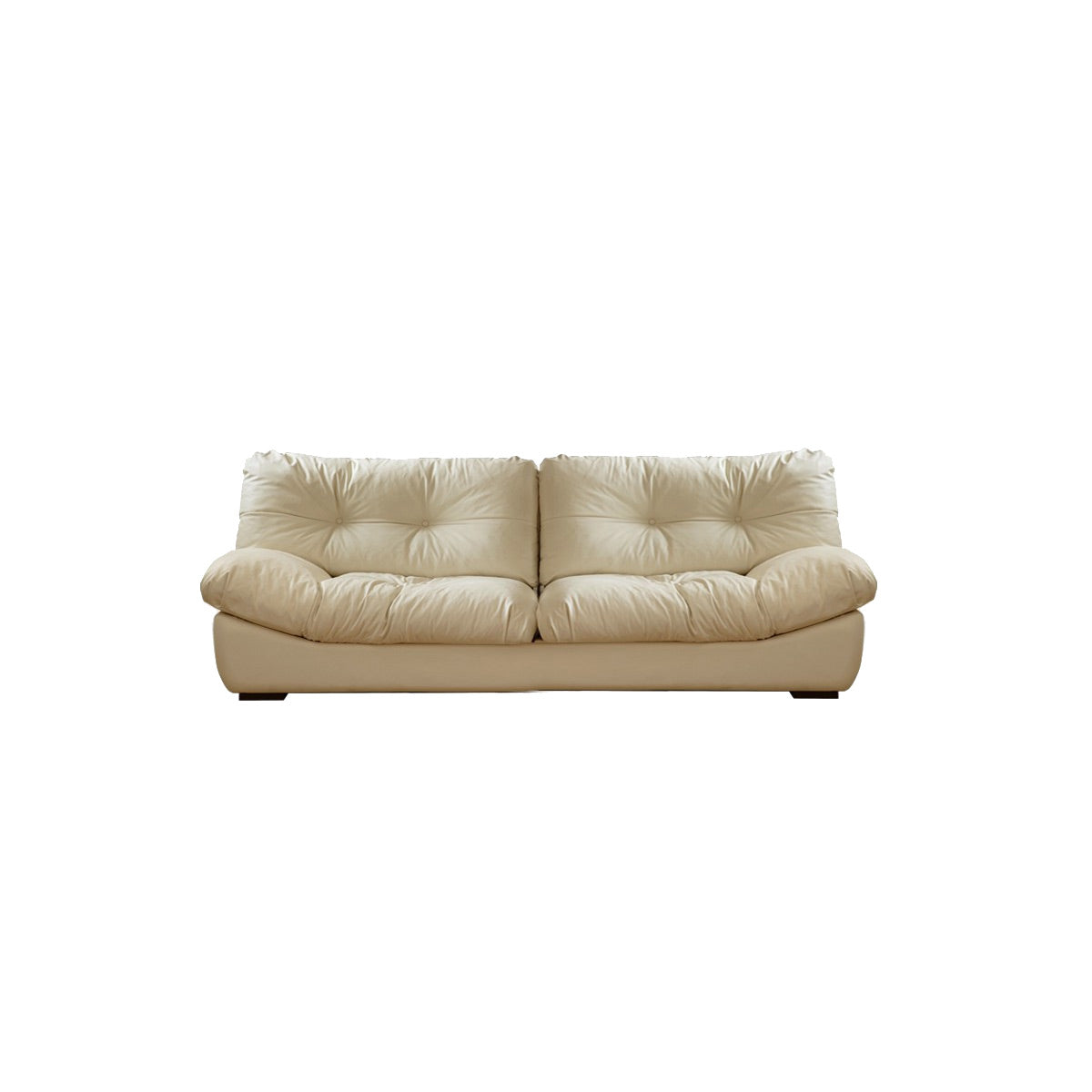
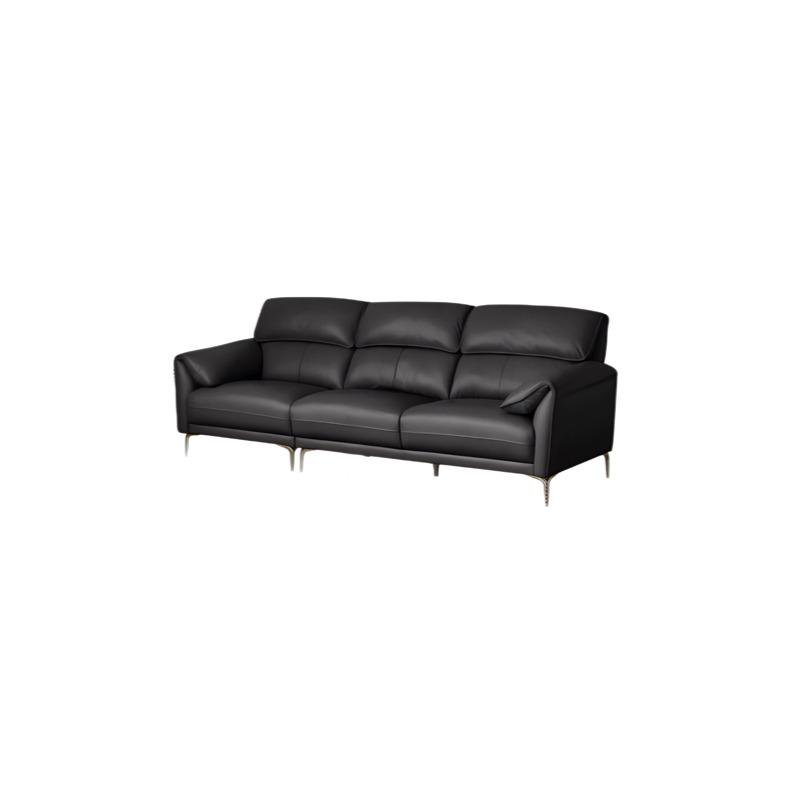
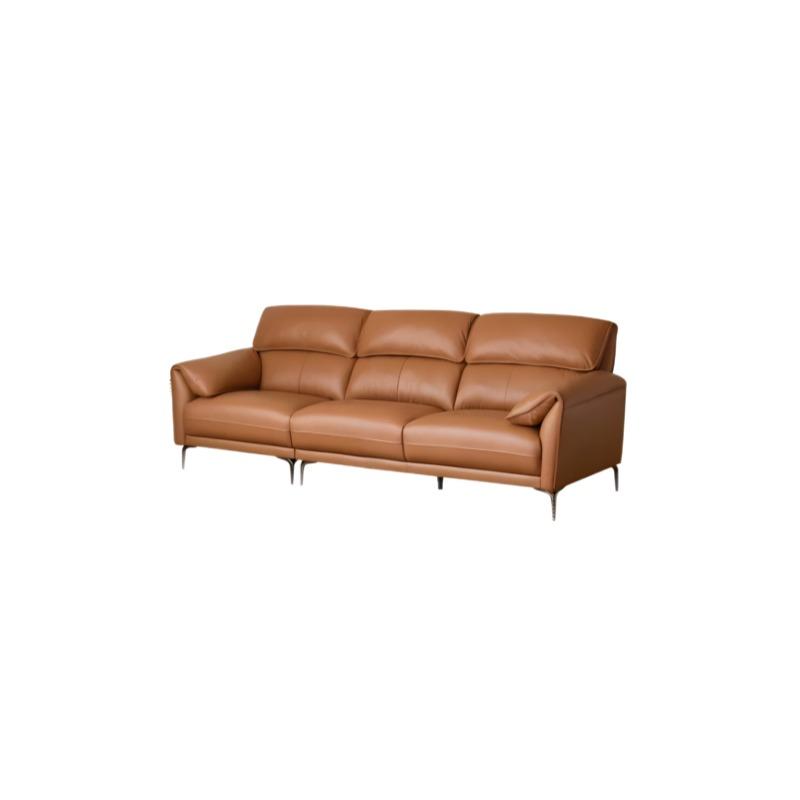
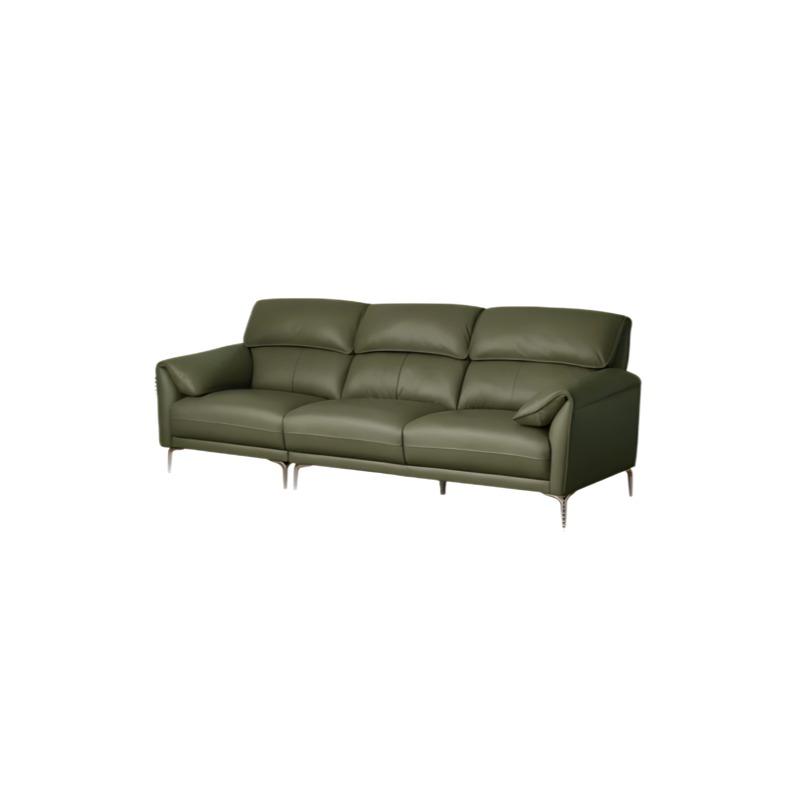
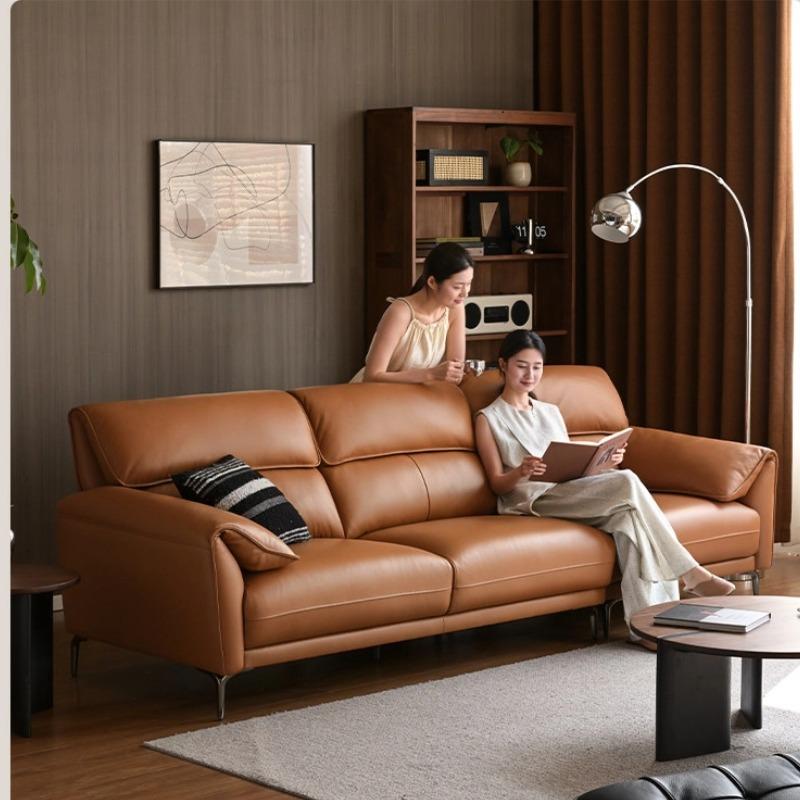
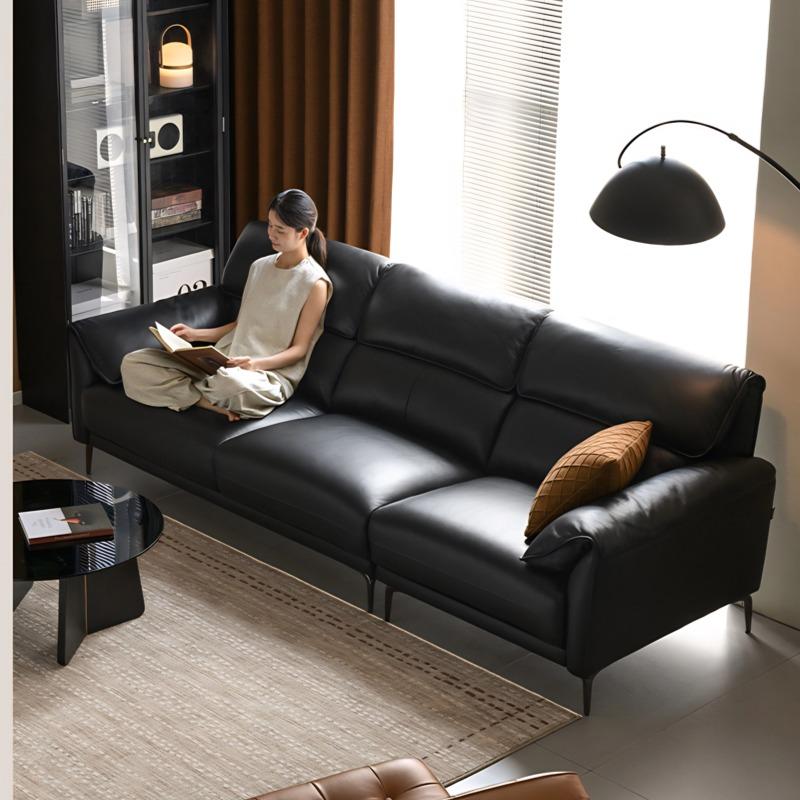
Leather may not be the first material people think of when considering a pet friendly sofa, but it can actually be a very practical option.
Unlike woven fabrics, leather does not trap pet fur or odours as easily. Hair can usually be wiped away with a soft cloth, making everyday maintenance simple.
Another benefit is durability. While leather may develop small marks over time, these tend to blend naturally into the material’s character. In fact, distressed or textured leather finishes are particularly forgiving, as they help conceal minor scuffs and scratches.
This means that even if your cat occasionally tests the sofa’s surface, the overall appearance remains intact. With proper care, leather sofas often age gracefully, making them a long-term investment for pet owners.
Materials to Avoid When Shopping for a Scratch Proof Sofa
While some fabrics are ideal for pets, others can quickly become damaged in a home with curious cats.
Knowing what to avoid can save you from frustration and costly replacements later.
The Danger of Loosely Woven Fabrics like Tweed and Linen
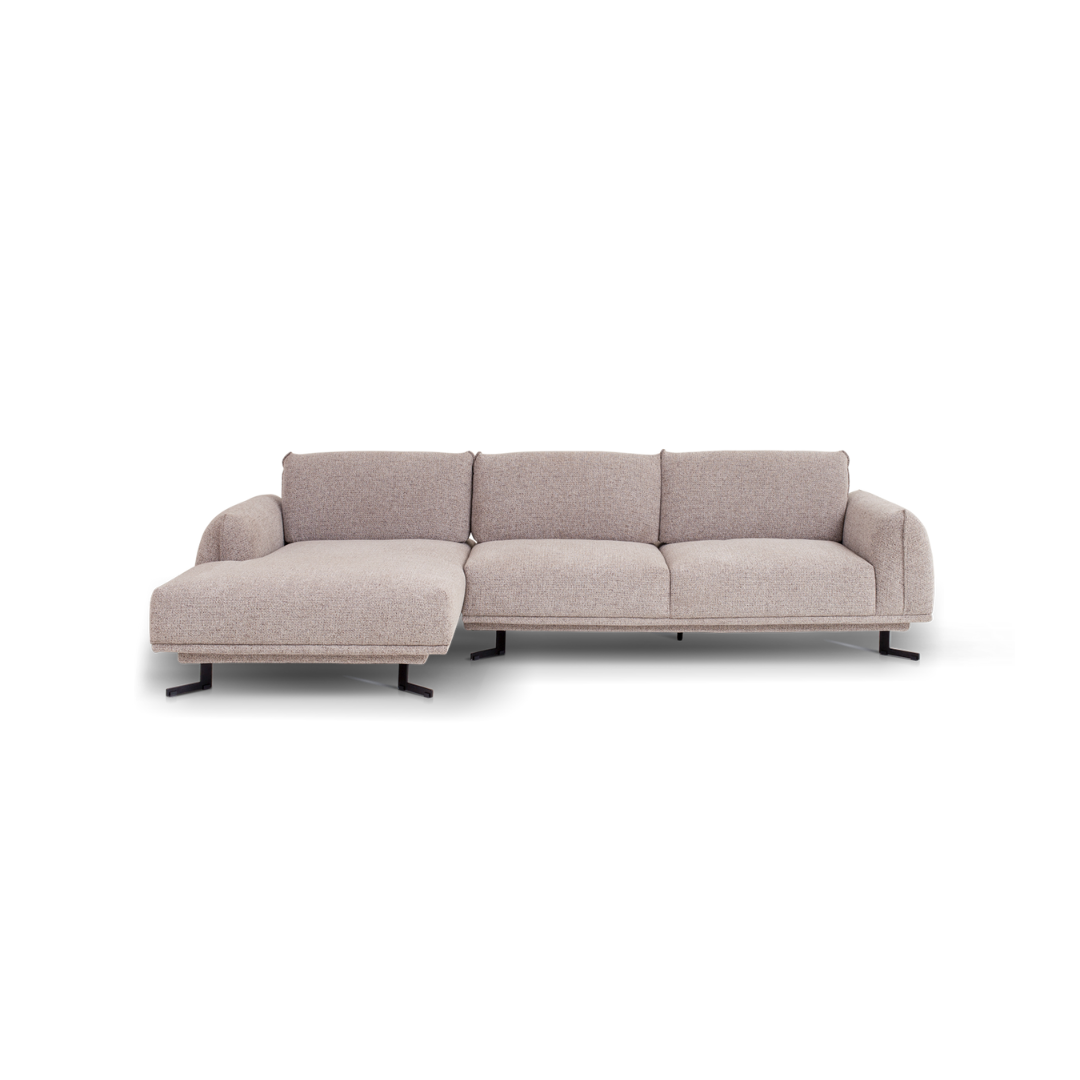
Fabrics such as tweed, linen, and other loosely woven textiles may look attractive, but they are rarely suitable for a scratch-proof sofa.
The reason lies in their construction. These materials often contain small loops or visible threads that act like hooks for claws. When a cat scratches the surface, those loops can easily catch and pull, creating visible damage almost immediately.
Another issue is maintenance. Pet hair tends to embed itself deep within the textured weave, making it difficult to remove even with regular vacuuming.
For pet owners, choosing a tighter weave will almost always provide better long-term durability.
Why Delicate Silks and Velvets Might Not Last
Delicate materials such as silk or velvet are best admired from afar when pets are involved.
These fabrics are highly sensitive to moisture, meaning that spills or accidents may leave permanent stains or water marks. They also lack the structural strength needed to withstand repeated scratching.
Cat claws can easily puncture thin or delicate fibres, leaving visible tears that cannot be repaired easily.
While these materials can look luxurious, they rarely survive long in a pet-friendly home.
Design Features That Make a Sofa More Pet Friendly
Beyond fabric choice, certain design features can also make a sofa significantly more suitable for households with pets.
Small structural details often play a bigger role than many people realise.
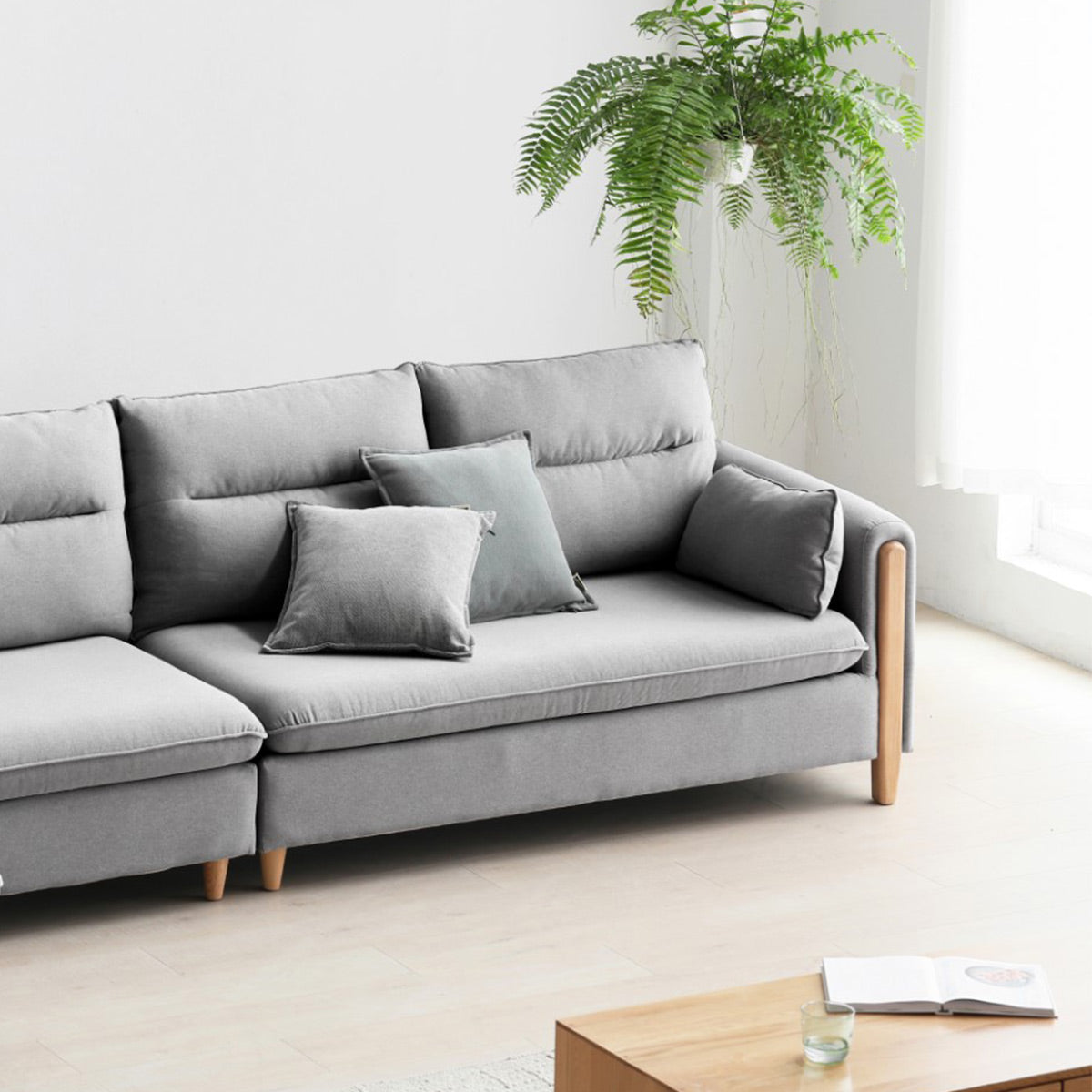
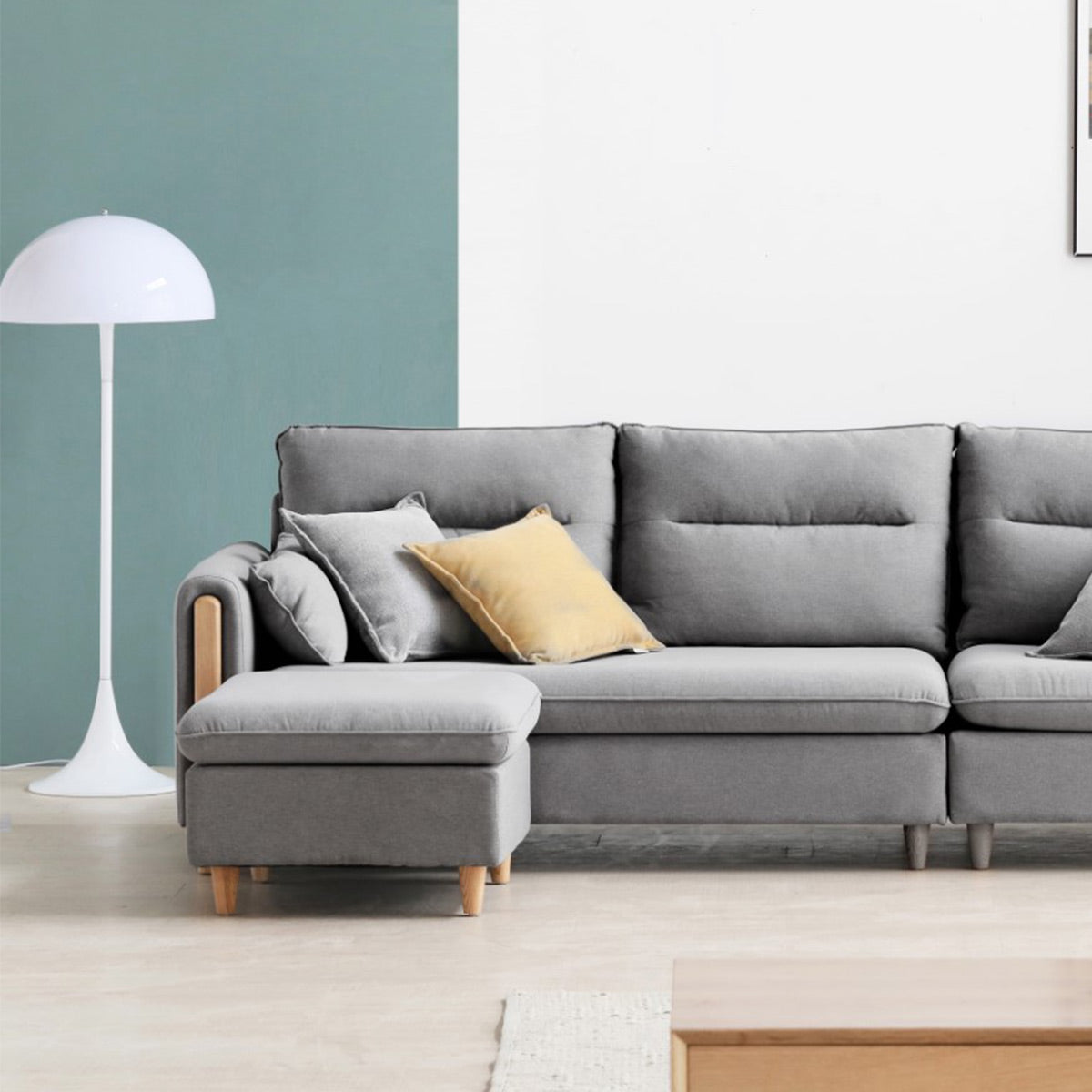
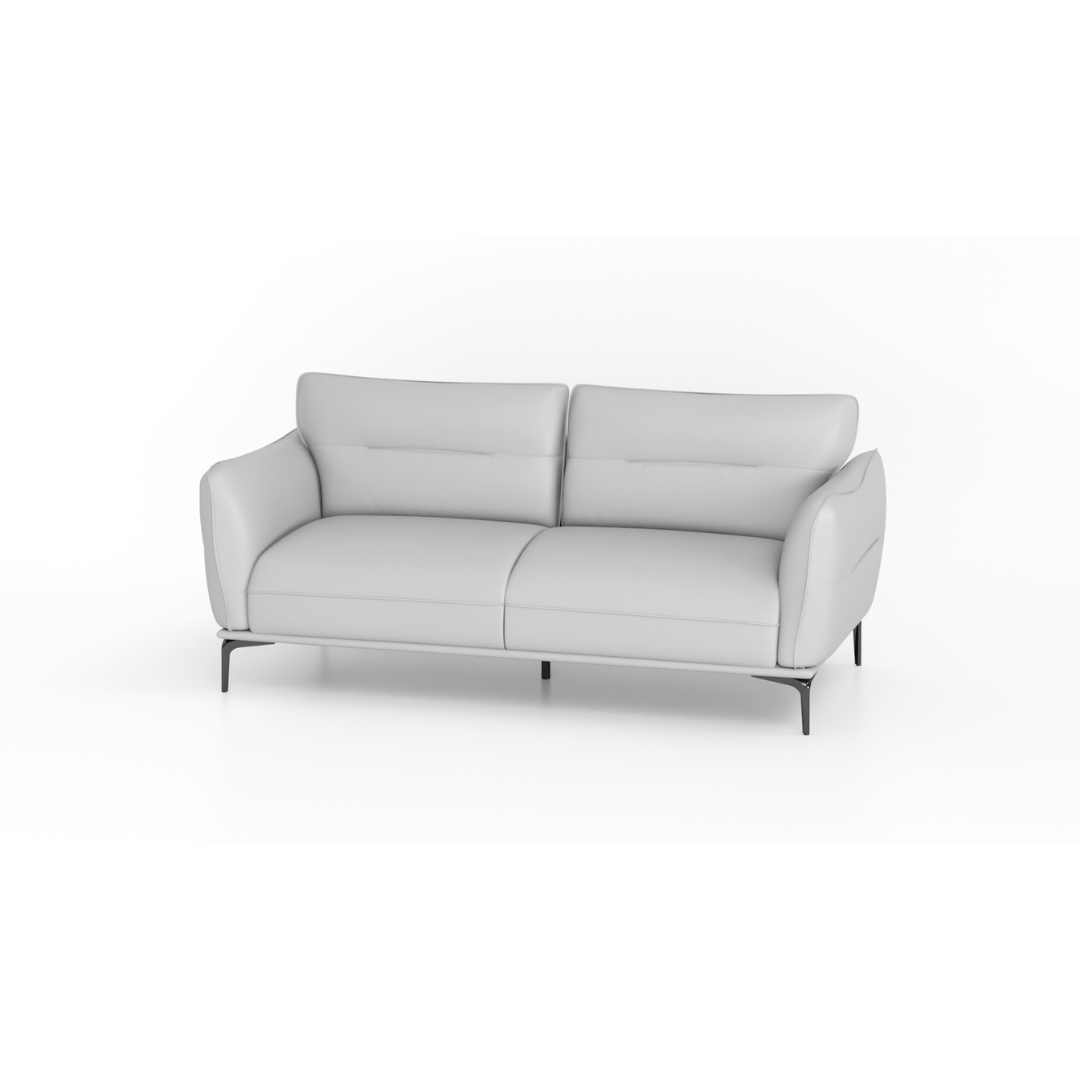
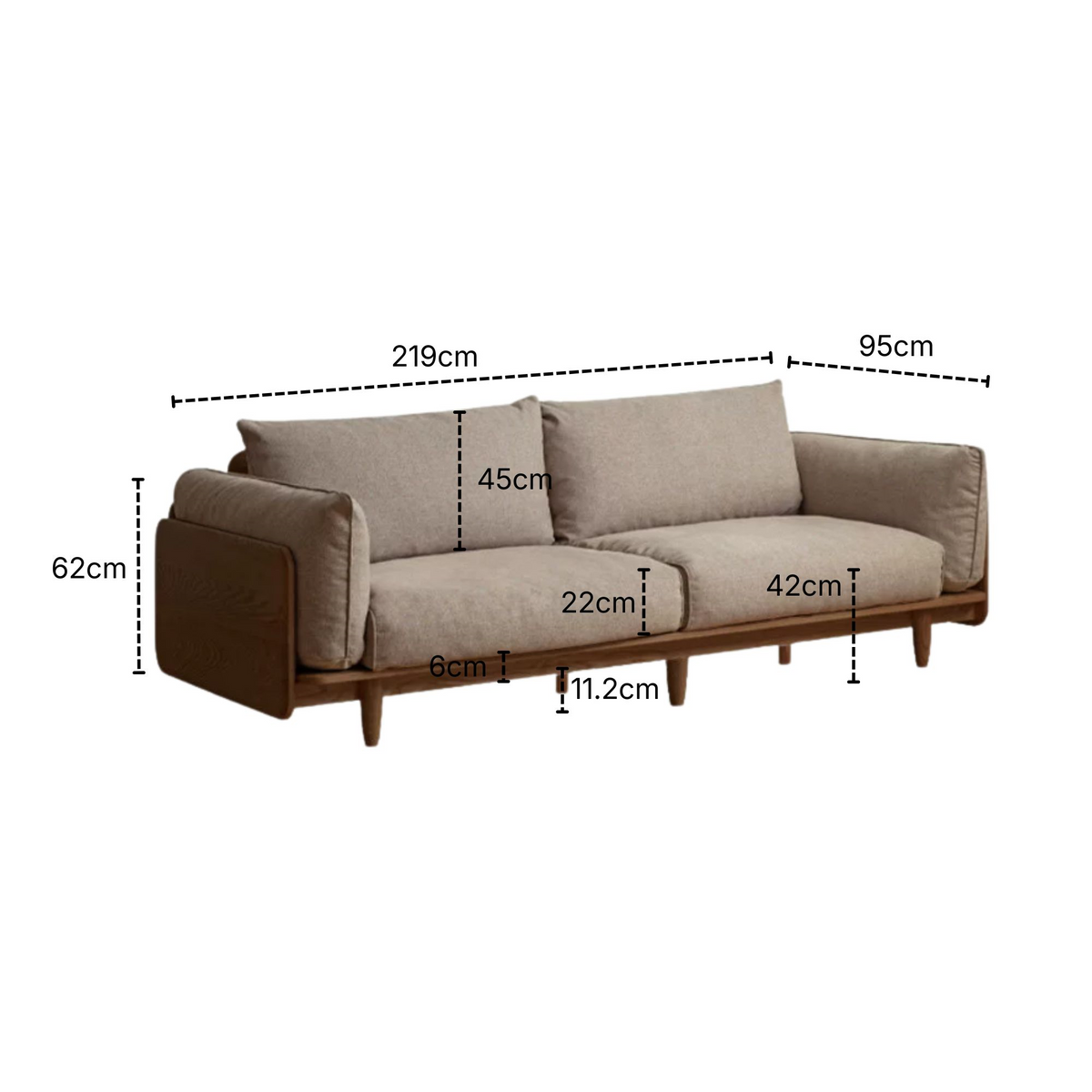
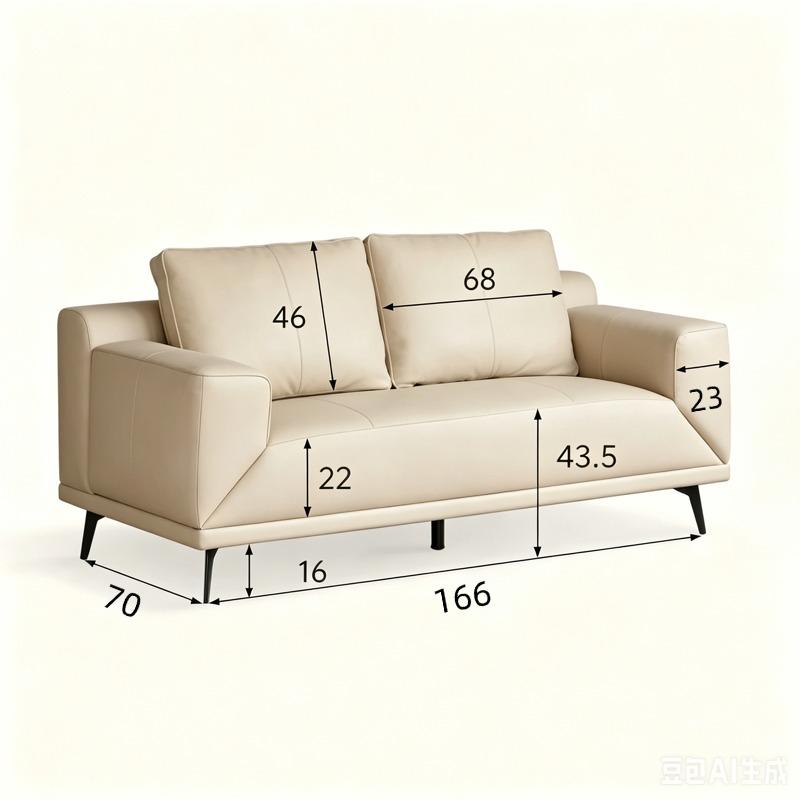
Choosing Metal or Finished Wood Legs
Sofa legs may seem like a minor detail, but they can influence how attractive the furniture appears to curious cats.
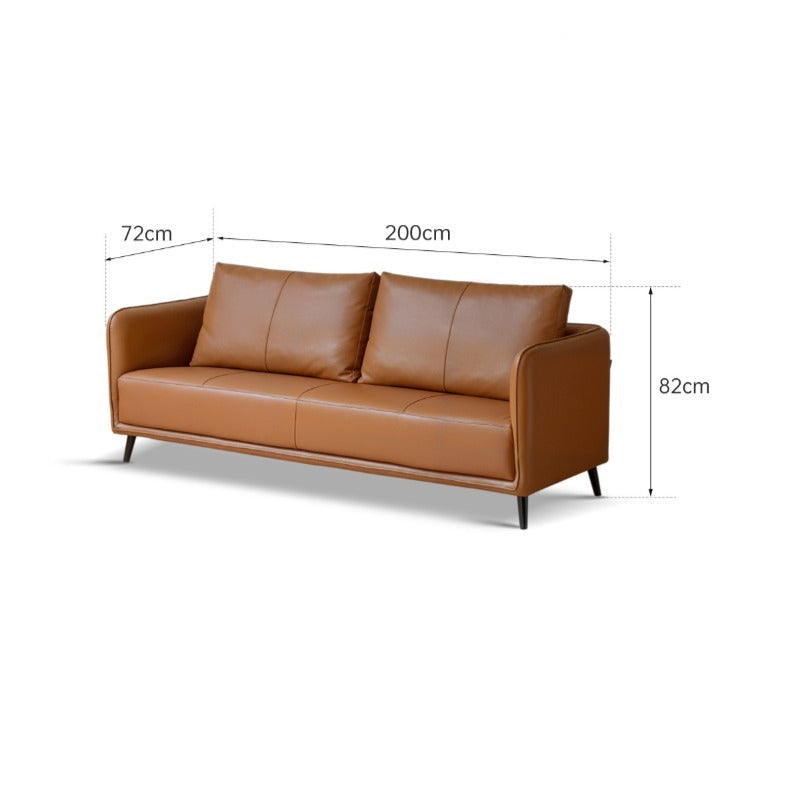
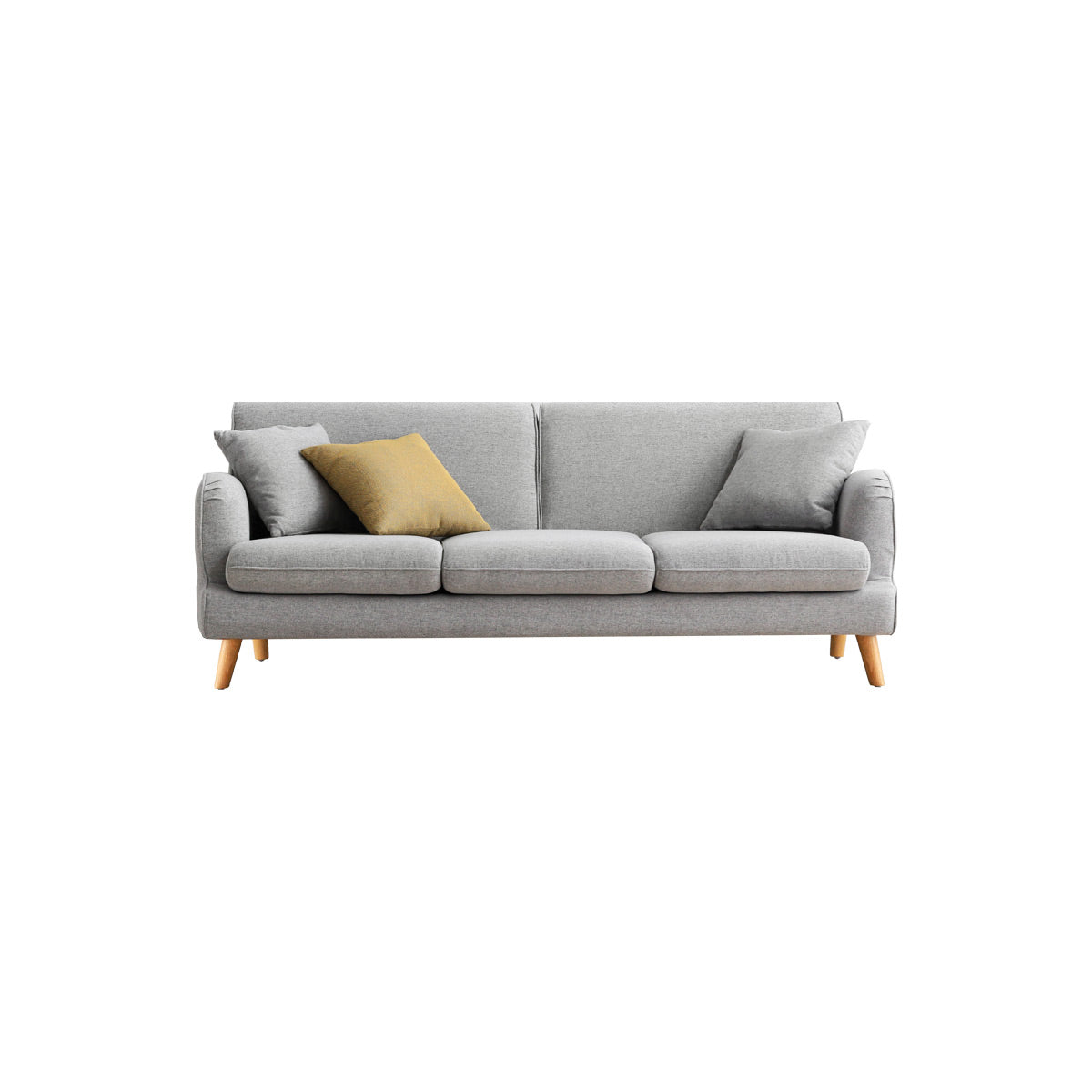
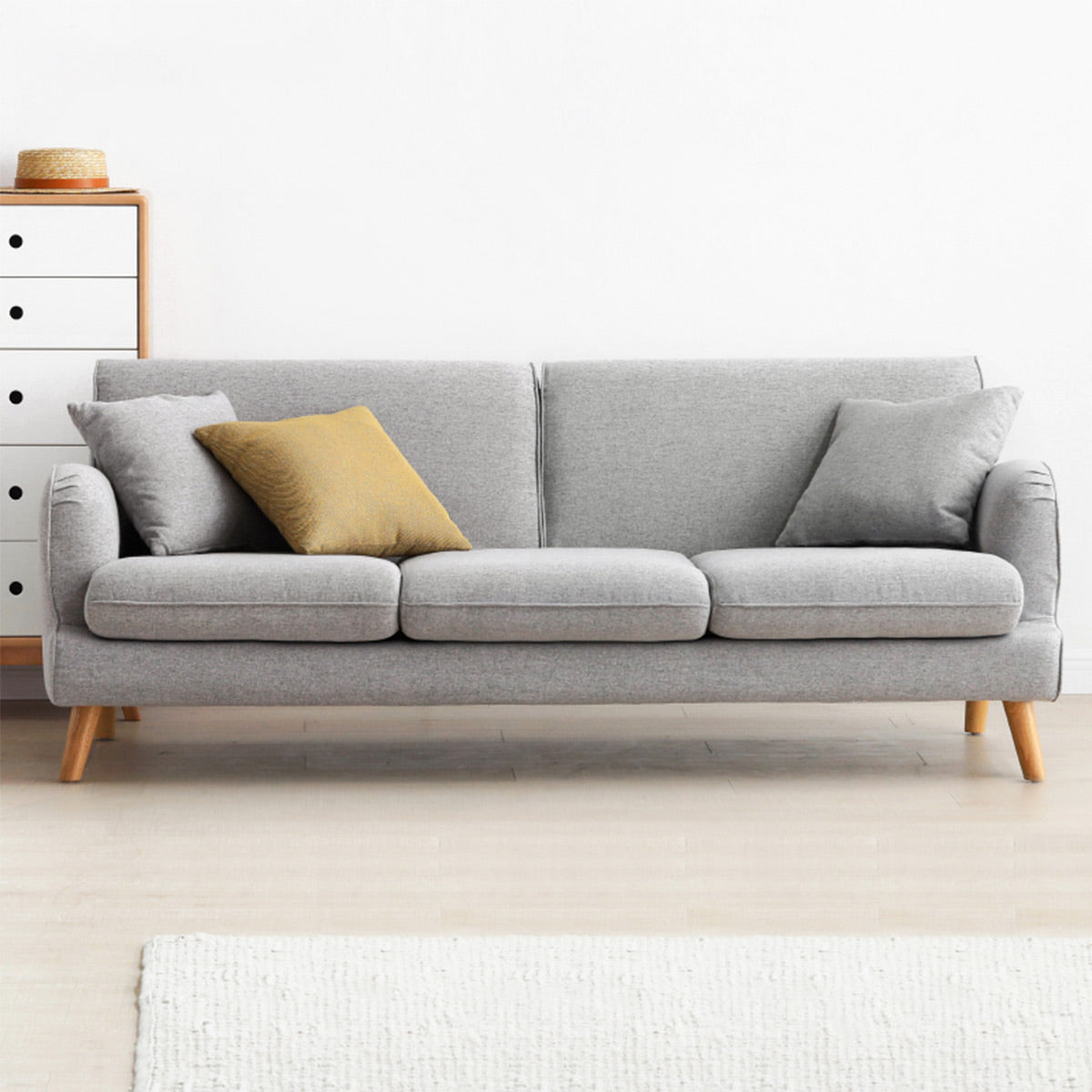
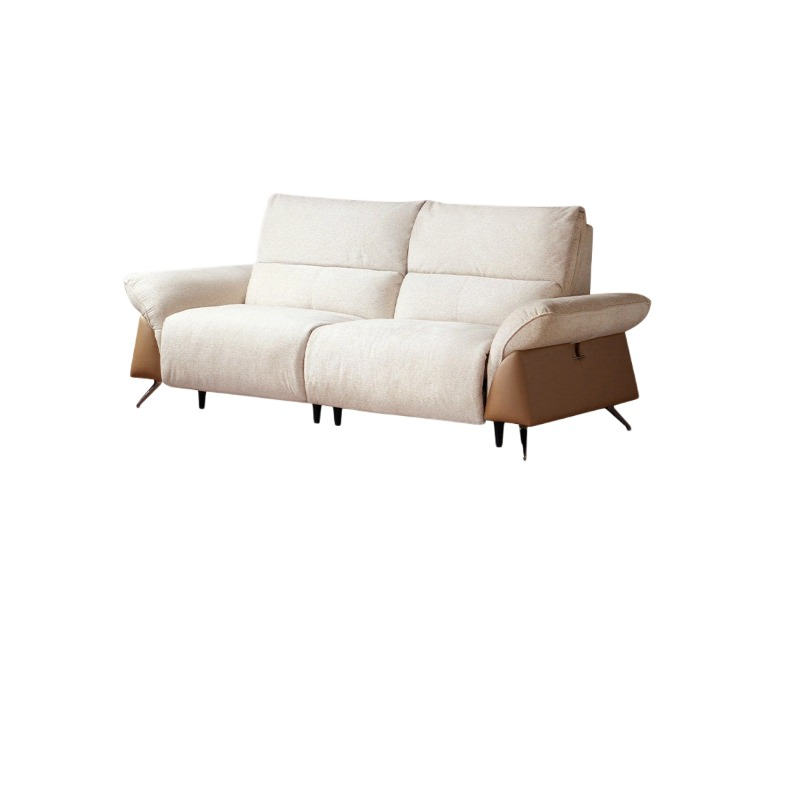
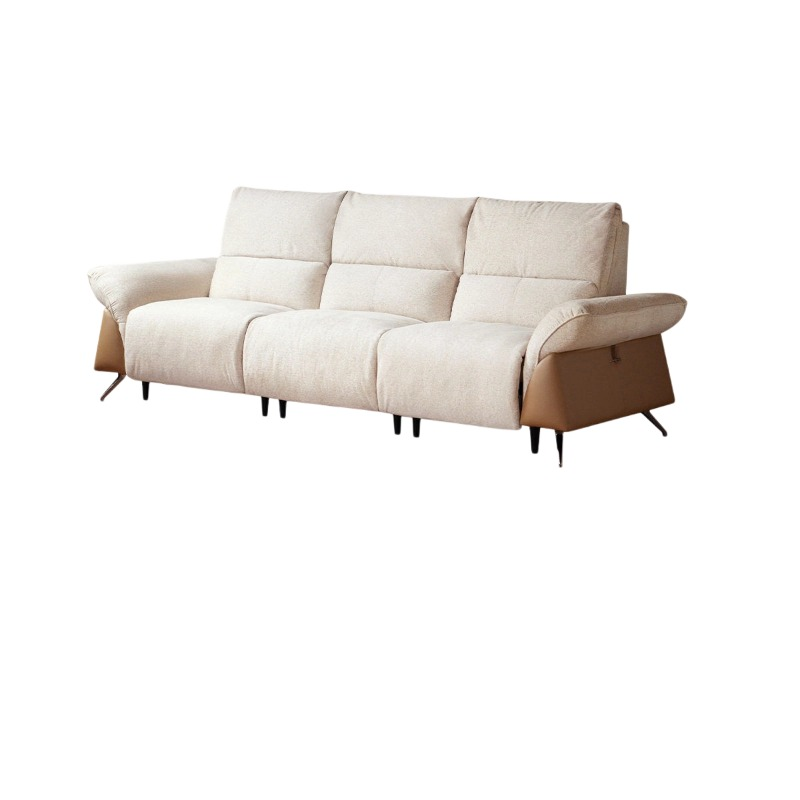
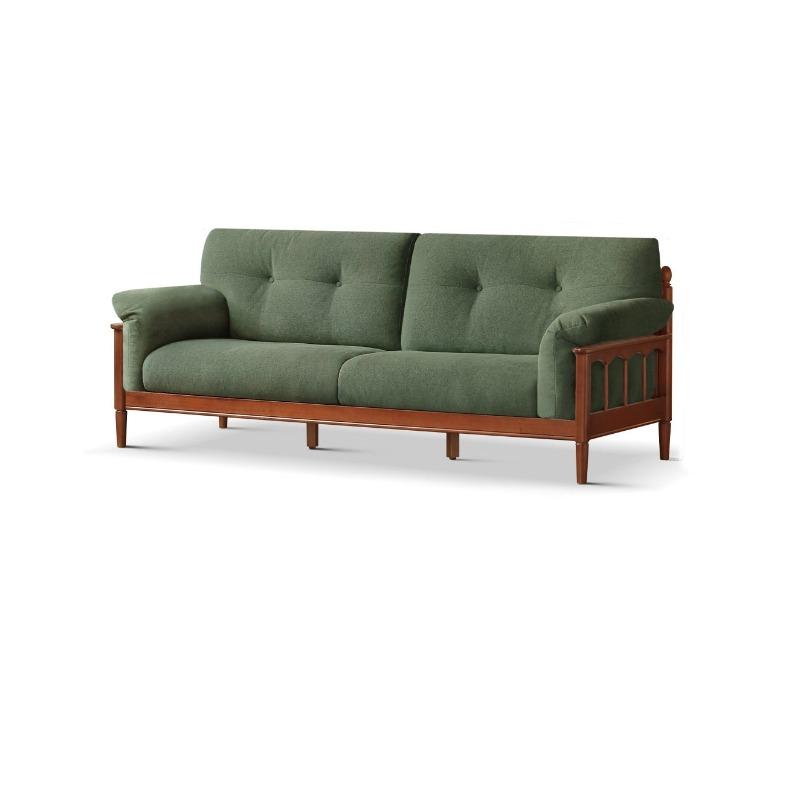
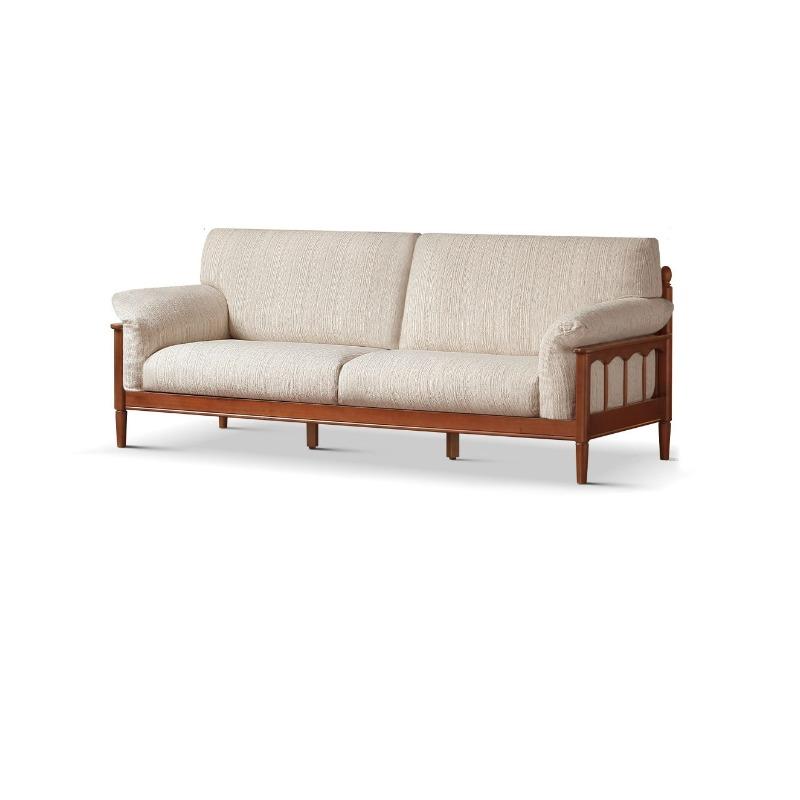
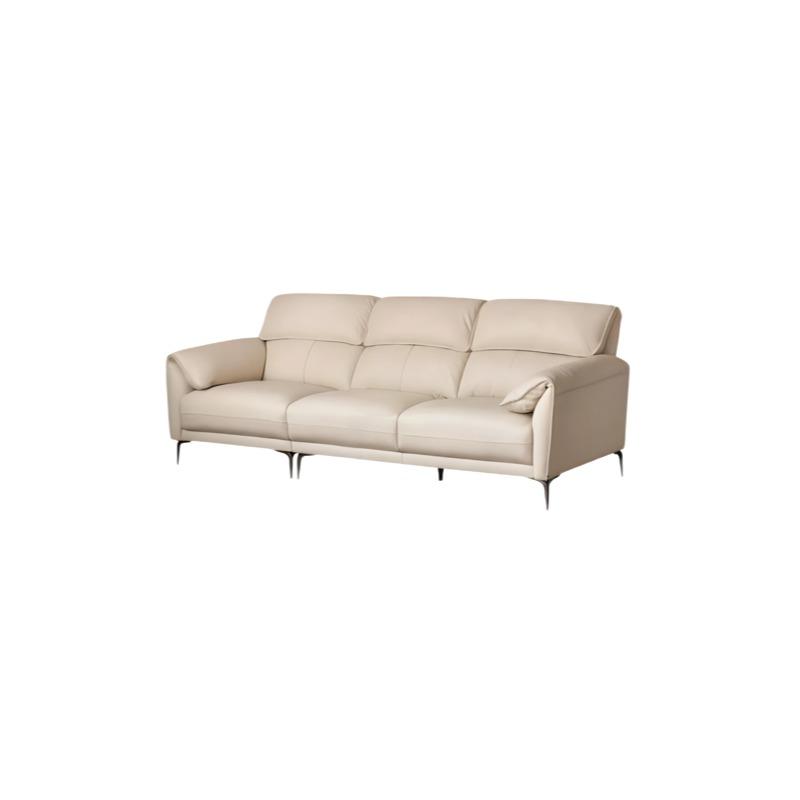
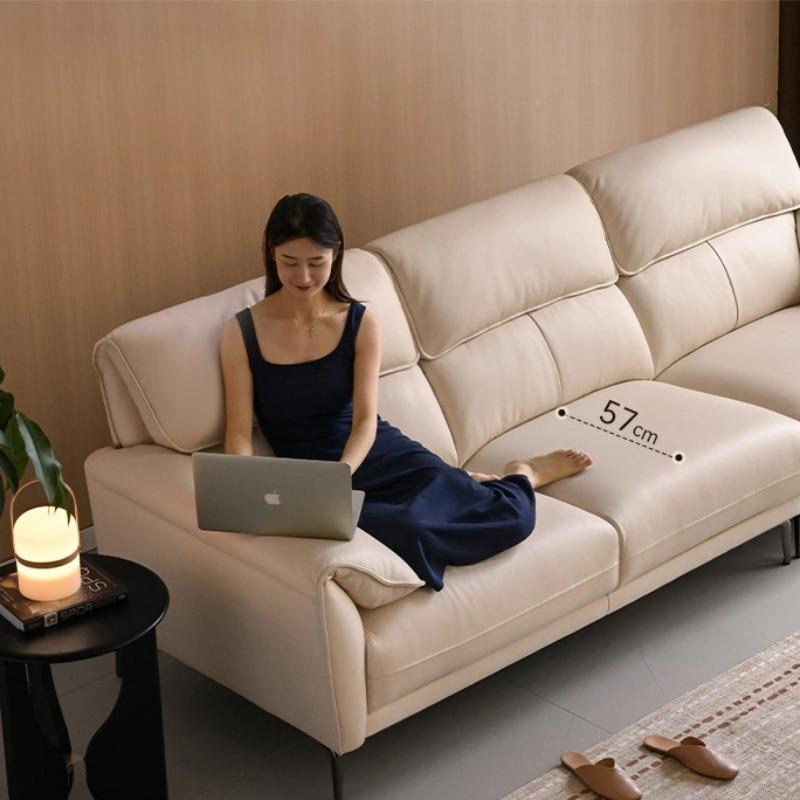
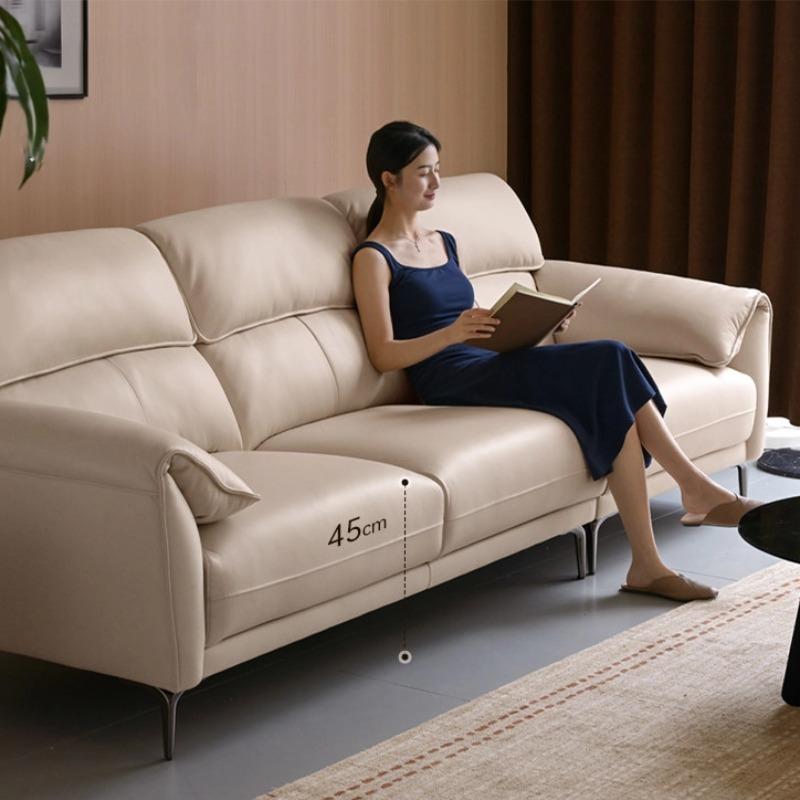
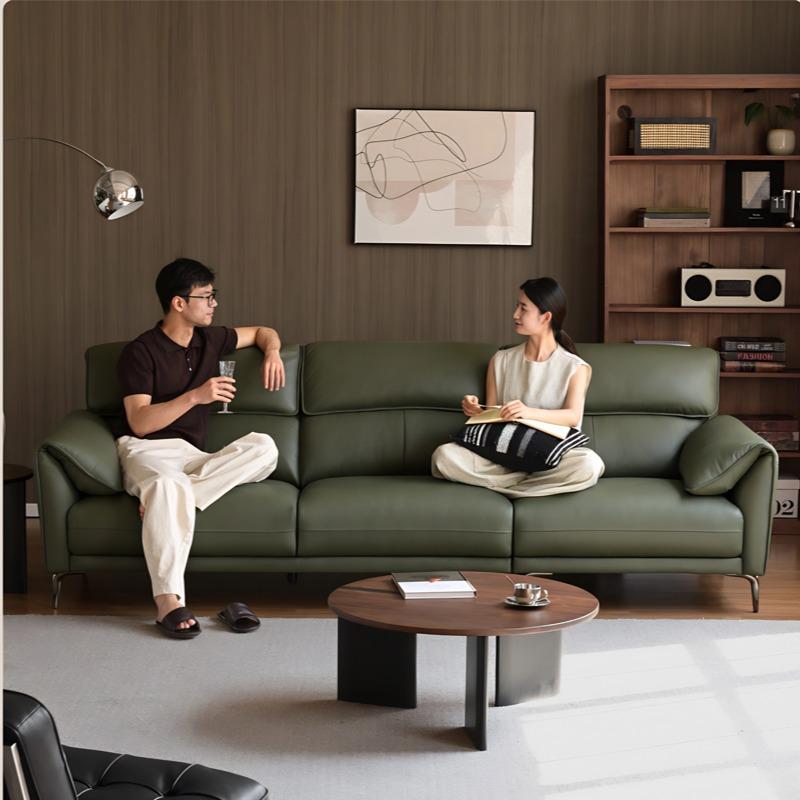
Upholstered or fabric-covered legs may tempt cats to scratch or climb. In contrast, smooth materials such as metal, finished wood, or durable plastic offer little grip for claws.
Tapered or narrow legs are particularly helpful because they provide less surface area for scratching.
This simple design choice can reduce the likelihood of damage while also giving the sofa a lighter, more modern appearance.
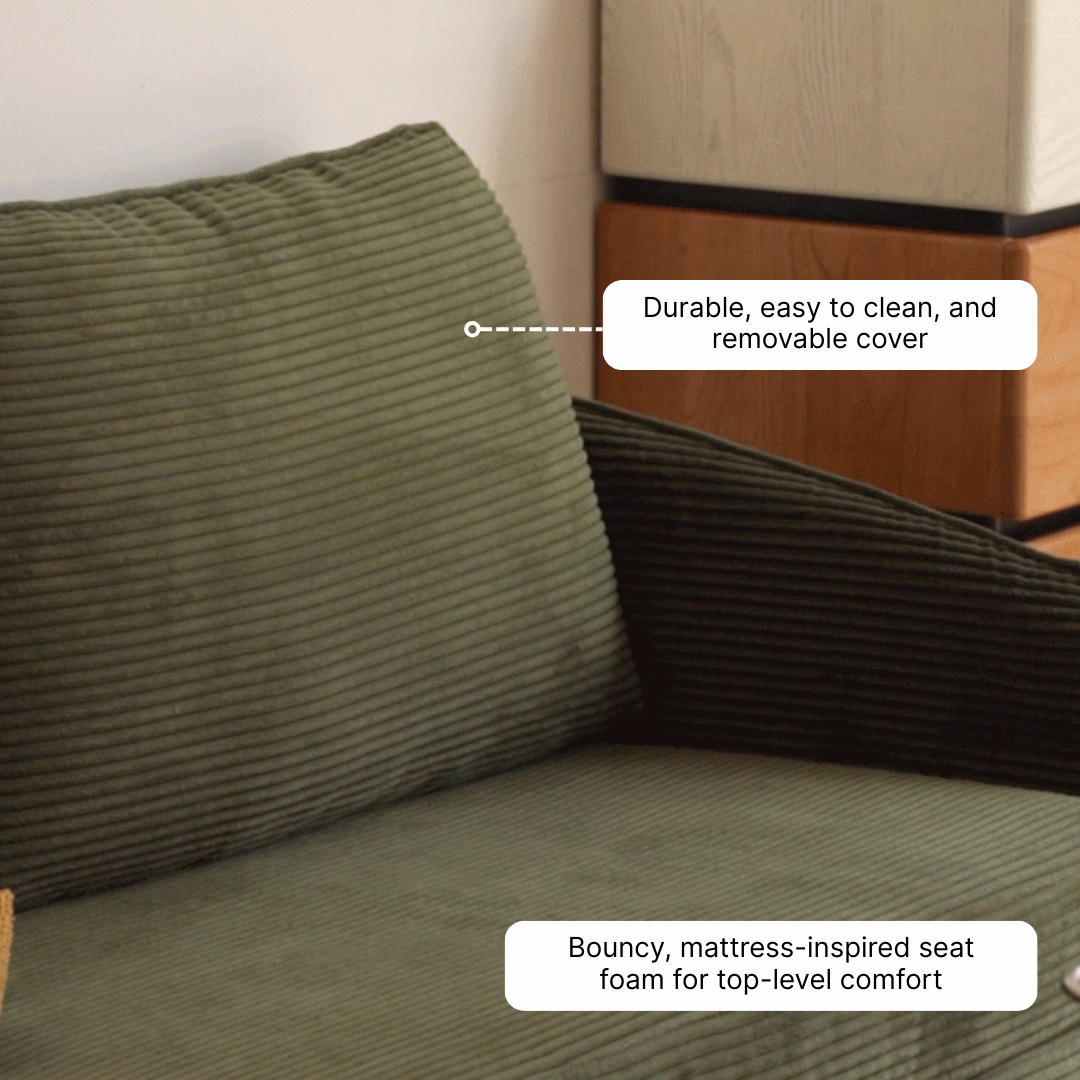
The Benefits of Removable and Washable Covers
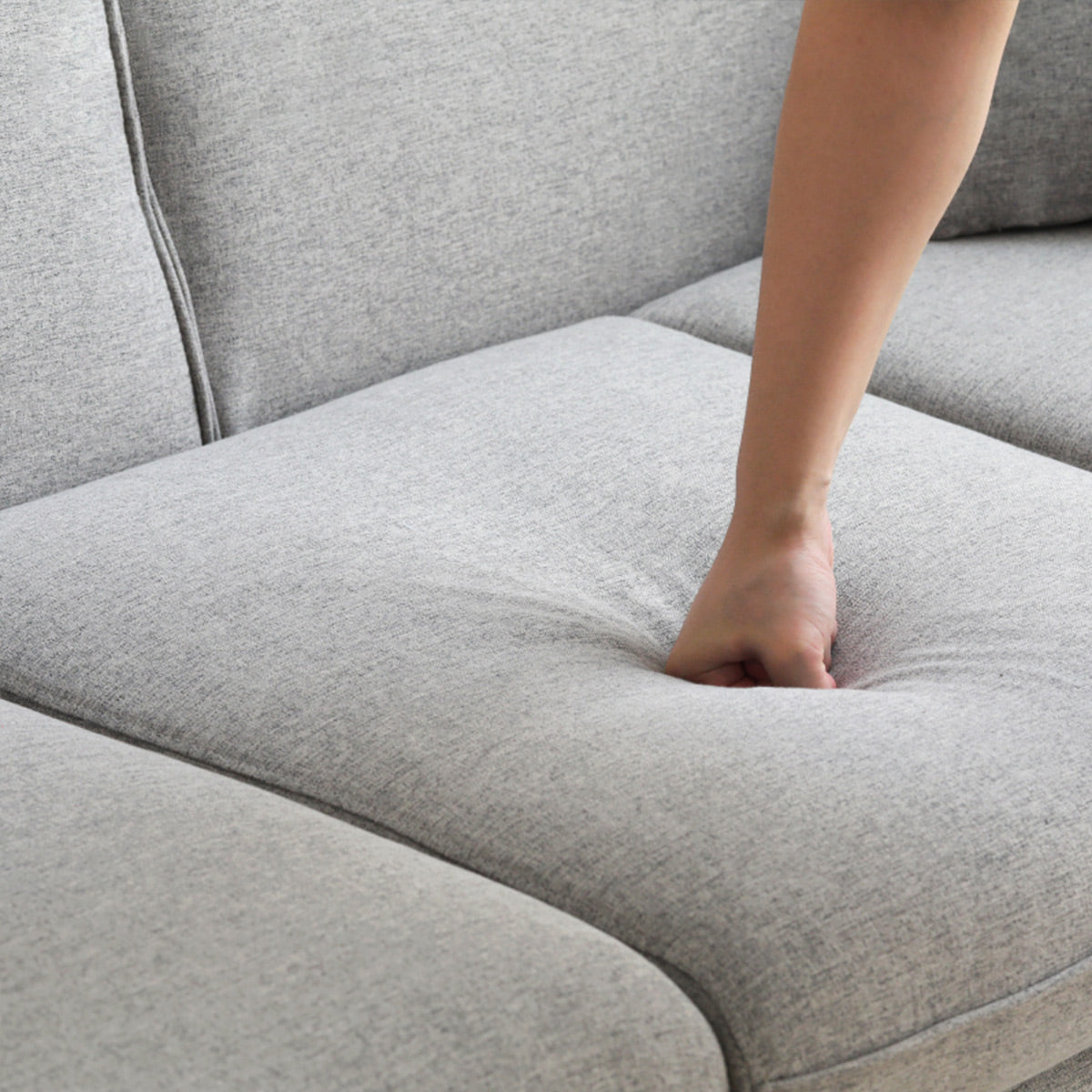
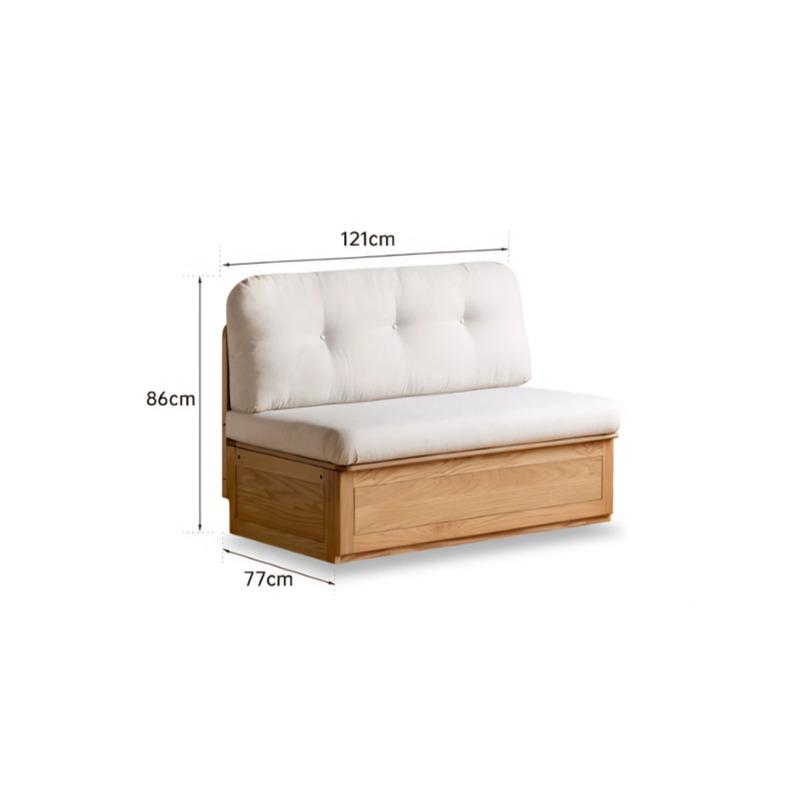
One of the most practical features for a pet friendly sofa is removable upholstery covers.
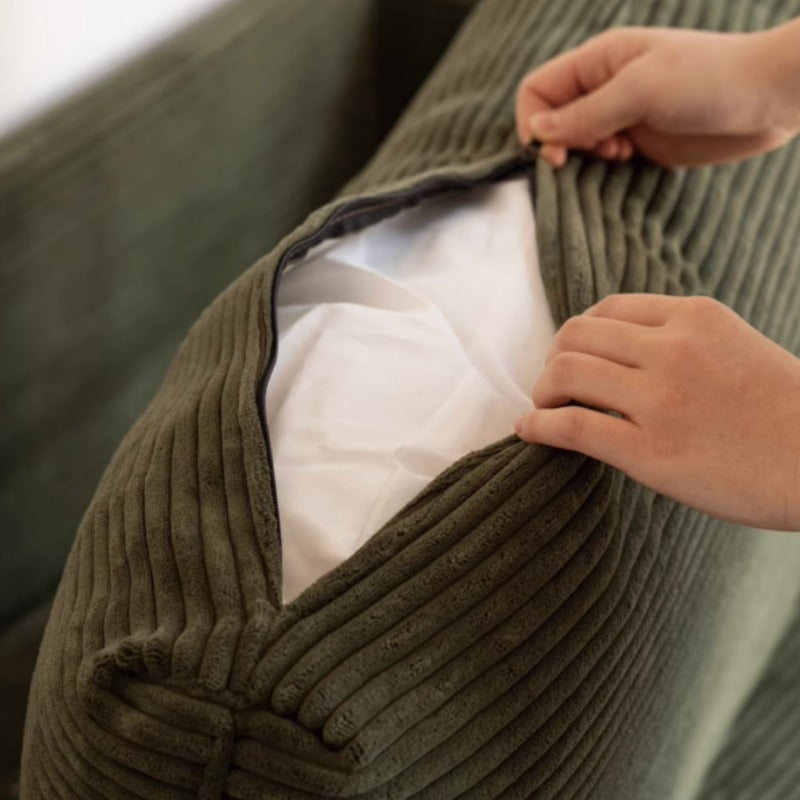
Slipcovers allow you to remove and wash sections of the sofa easily, which is invaluable for dealing with fur, stains, or the occasional muddy paw print.
Machine-washable covers also extend the lifespan of the furniture. Instead of replacing the entire sofa when wear appears, you can refresh the fabric with a quick wash or replace individual sections if necessary.
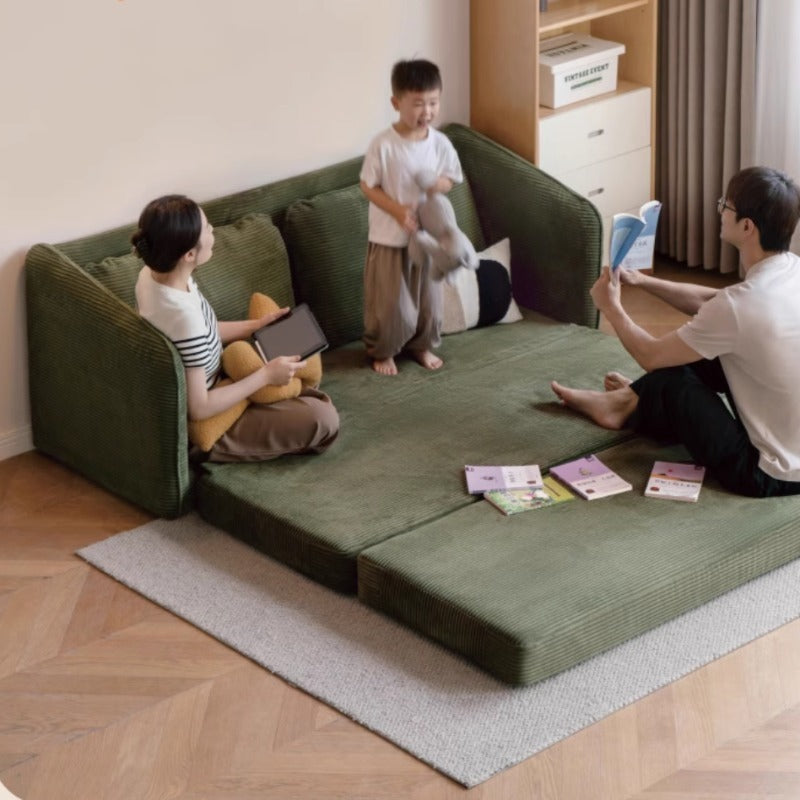
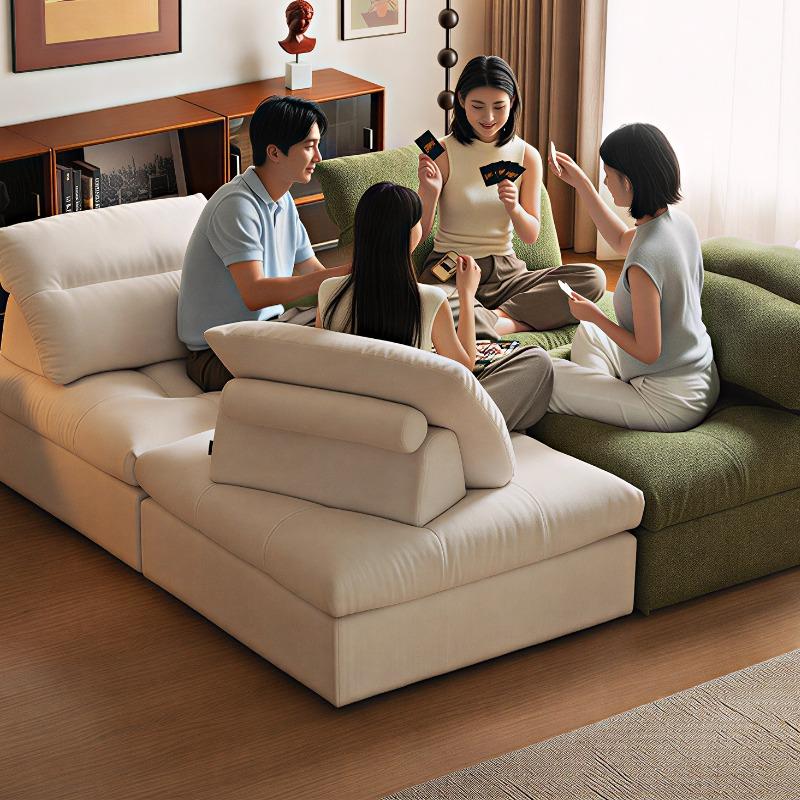
Many modern sofa designs prioritise this flexibility, making them particularly well-suited to homes with pets and children.
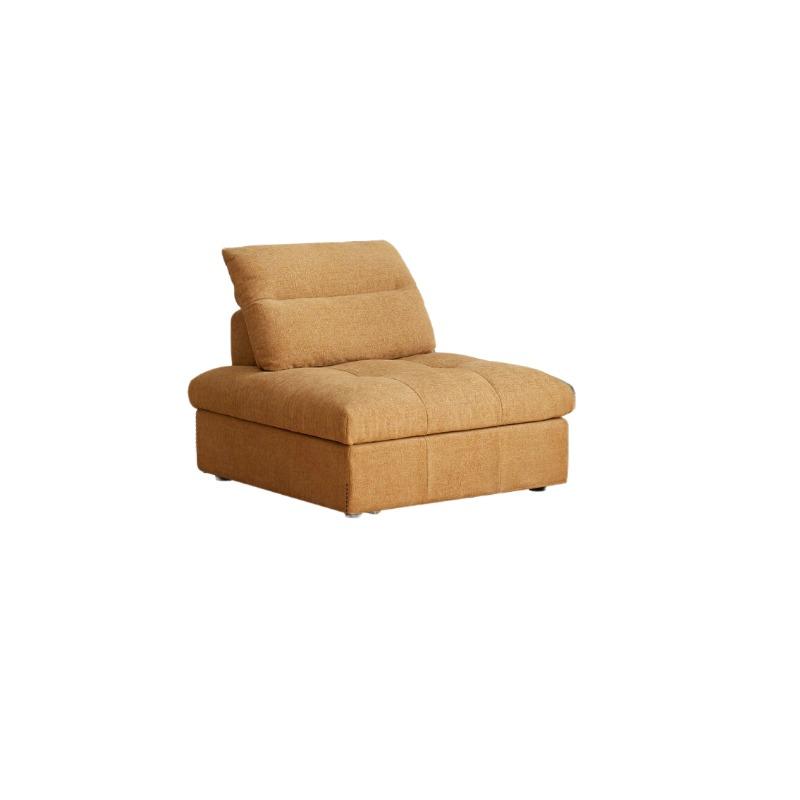
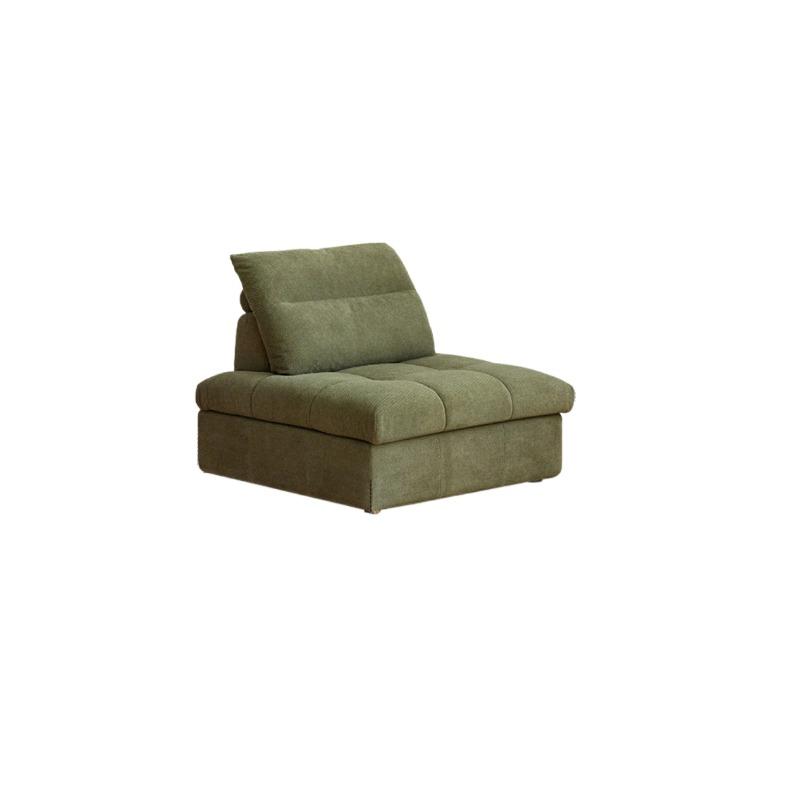
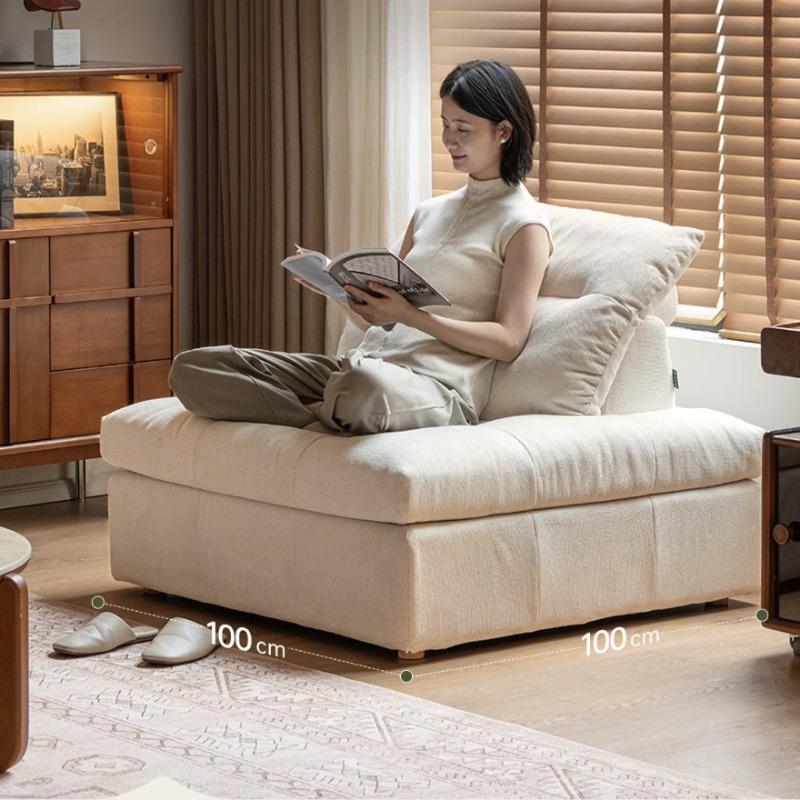
We often focus on these kinds of thoughtful features when designing living room furniture, as they help homeowners maintain a tidy and comfortable space without constant upkeep.
Extra Steps to Protect Your New Investment
Even the most durable cat proof sofa benefits from a few additional protective measures.
Fortunately, these steps are simple and can significantly reduce long-term wear.
Using Furniture Protectors and Stylish Throws
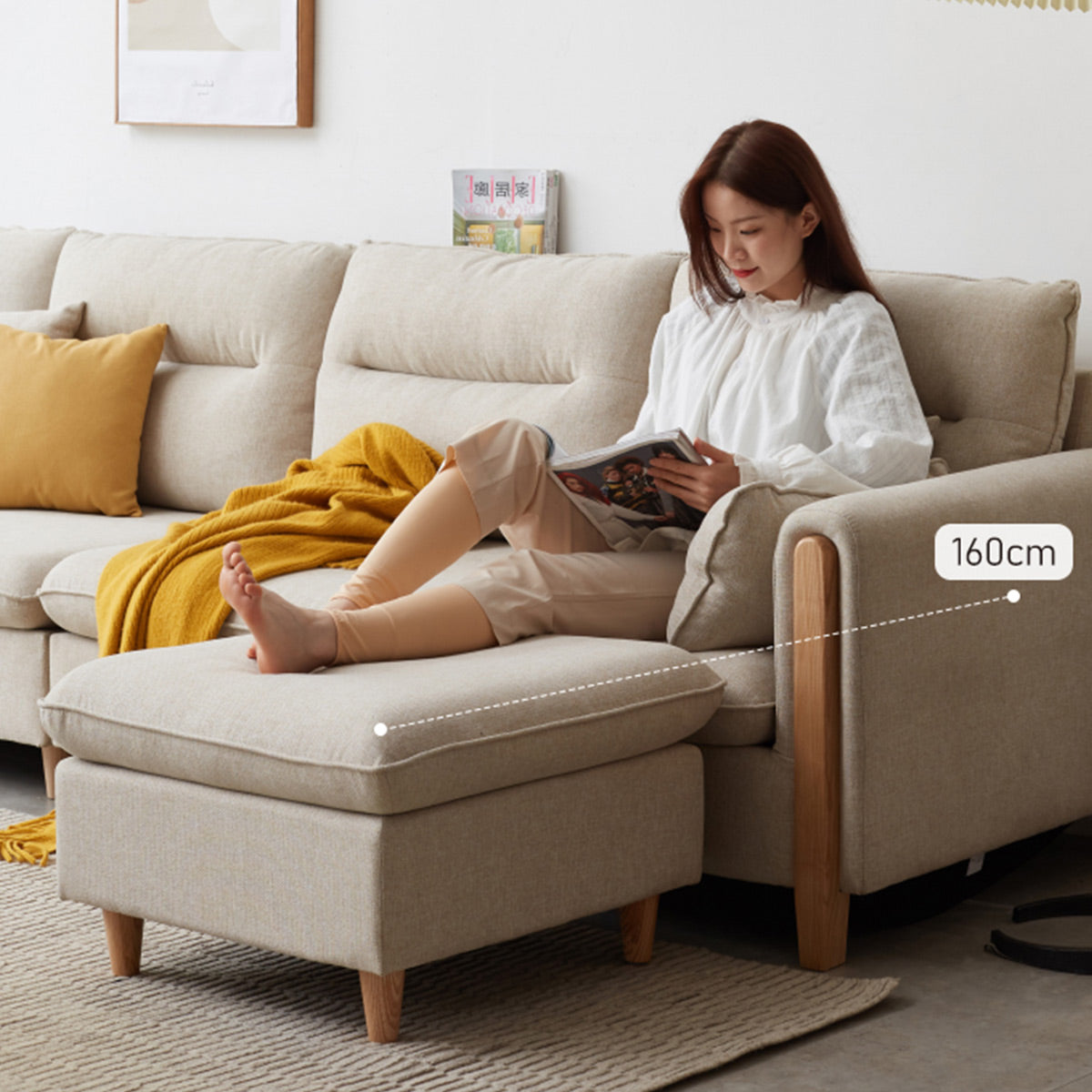
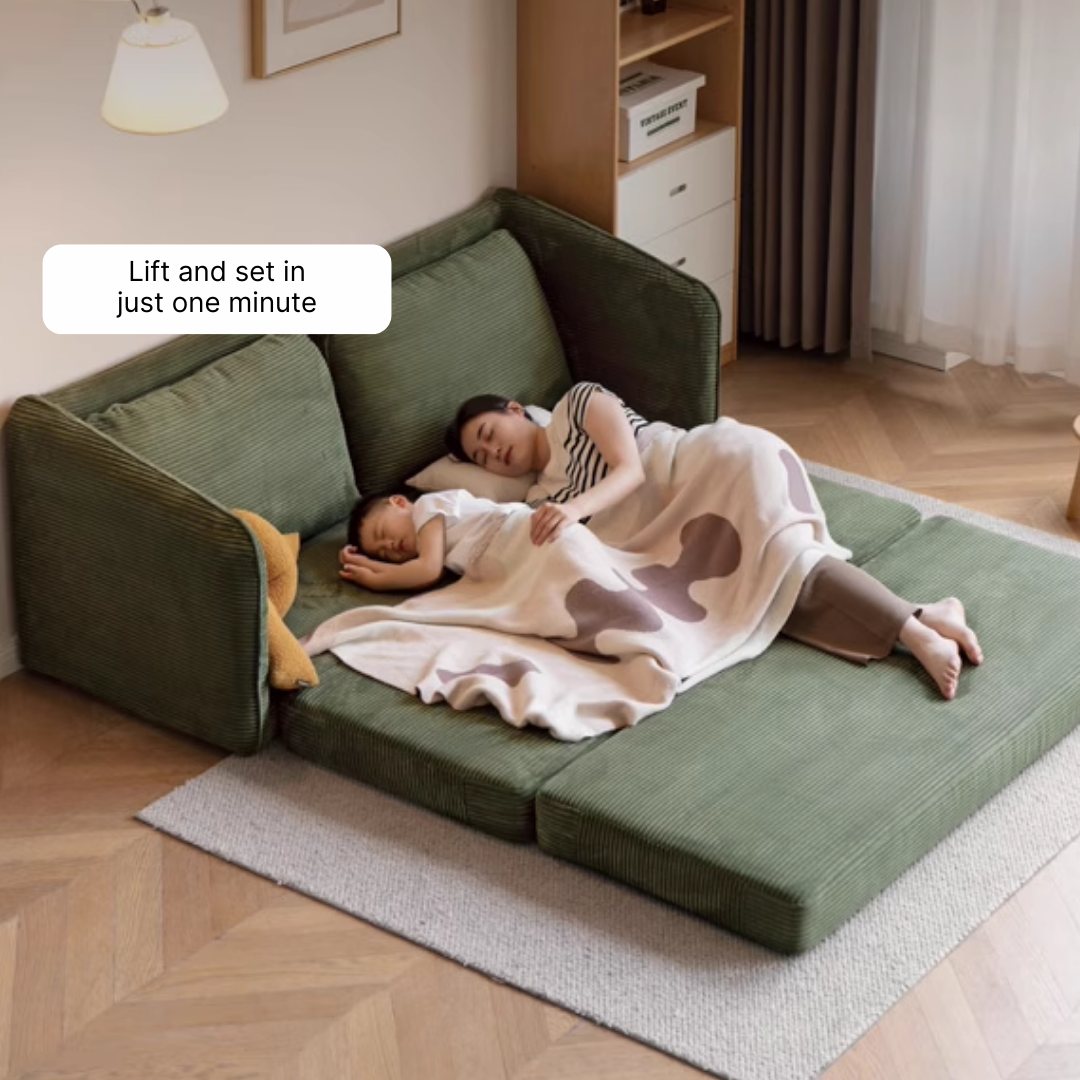
Placing washable throws or blankets on your sofa can make a big difference.
Cats often develop favourite sleeping spots, so adding a blanket in those areas protects the upholstery underneath while keeping your pet comfortable.
The bonus is that throws also add warmth and texture to your living room décor.
For cats that persistently scratch corners, transparent adhesive furniture guards can provide a subtle deterrent. These protectors blend into the sofa’s surface while shielding vulnerable areas from claw damage.
Providing Better Alternatives to Your Furniture
Sometimes the best way to protect your furniture is to redirect your cat’s behaviour.
Cats scratch because it is part of their natural instinct to stretch, mark territory, and maintain their claws. Providing high-quality scratching posts near the sofa gives them a more appealing alternative.
Positioning these posts close to their favourite resting areas increases the chances they will use them instead of the furniture.
Regular nail trimming also helps minimise accidental snags when cats jump onto the sofa or knead the cushions.
With the right environment and a few simple habits, your furniture can coexist peacefully with your pets.
Conclusion: Creating a Home You and Your Pet Love
Choosing the right pet-friendly sofa does not mean sacrificing comfort or style.
By focusing on tight weaves, durable materials, and thoughtful design features, you can find a pet friendly sofa that stands up well to everyday life with cats. Materials such as microfiber and leather, combined with practical features like removable covers and sturdy legs, help create a seating area that remains attractive even with curious pets around.
Equally important is setting up your home in a way that works for both you and your pet. Providing scratching alternatives, using protective throws, and maintaining your furniture regularly all contribute to a living space that feels relaxed rather than stressful.
After all, a home should be a place where both people and pets feel welcome.
At IUIGA, we believe furniture should support everyday living, including life with pets. Our designs focus on durability, thoughtful materials, and practical comfort, helping you create a living room that looks great while standing up to daily use.
What fabric has worked best for your pets? Share your experience in the comments, or explore our guide to pet-safe cleaning solutions for keeping your sofa fresh and comfortable.