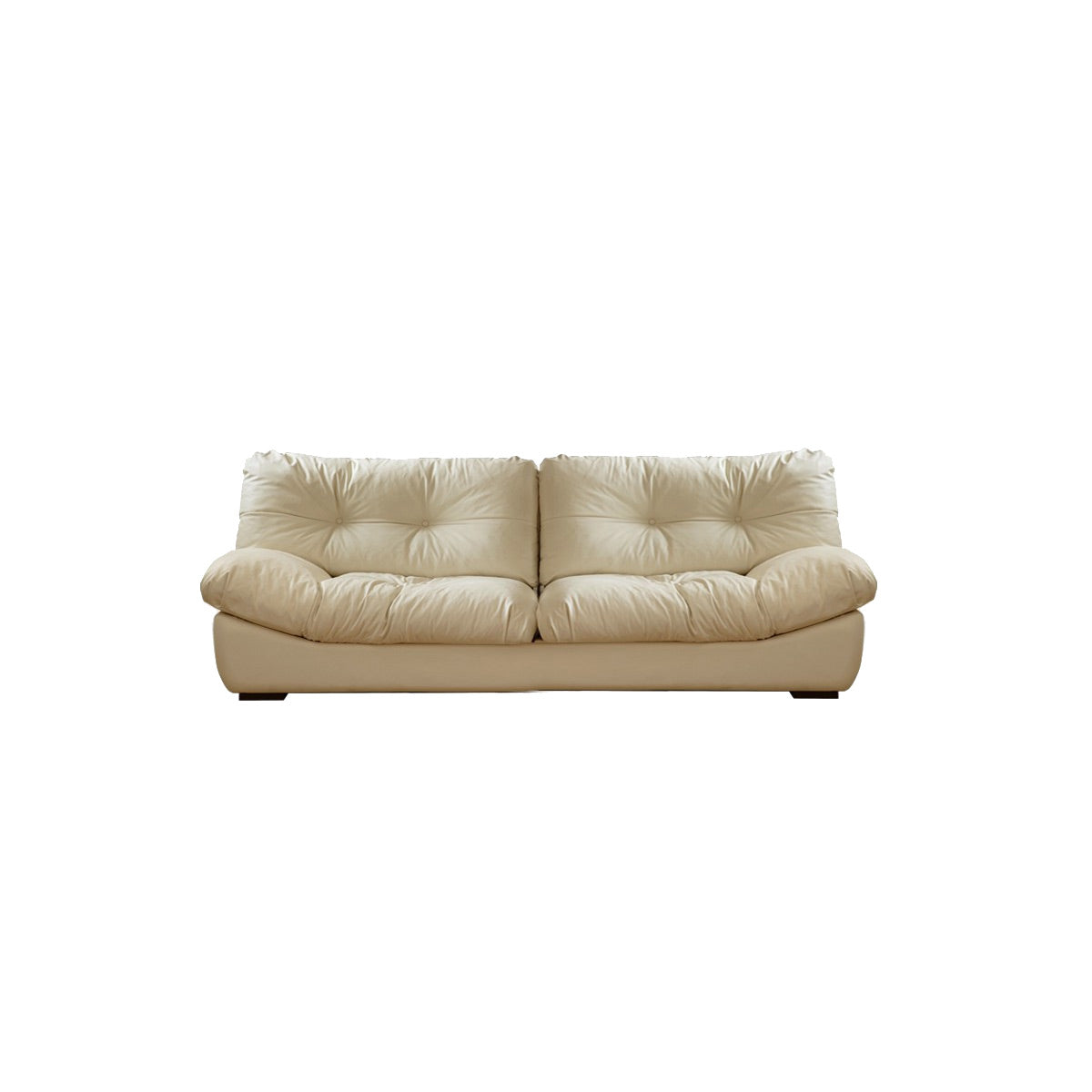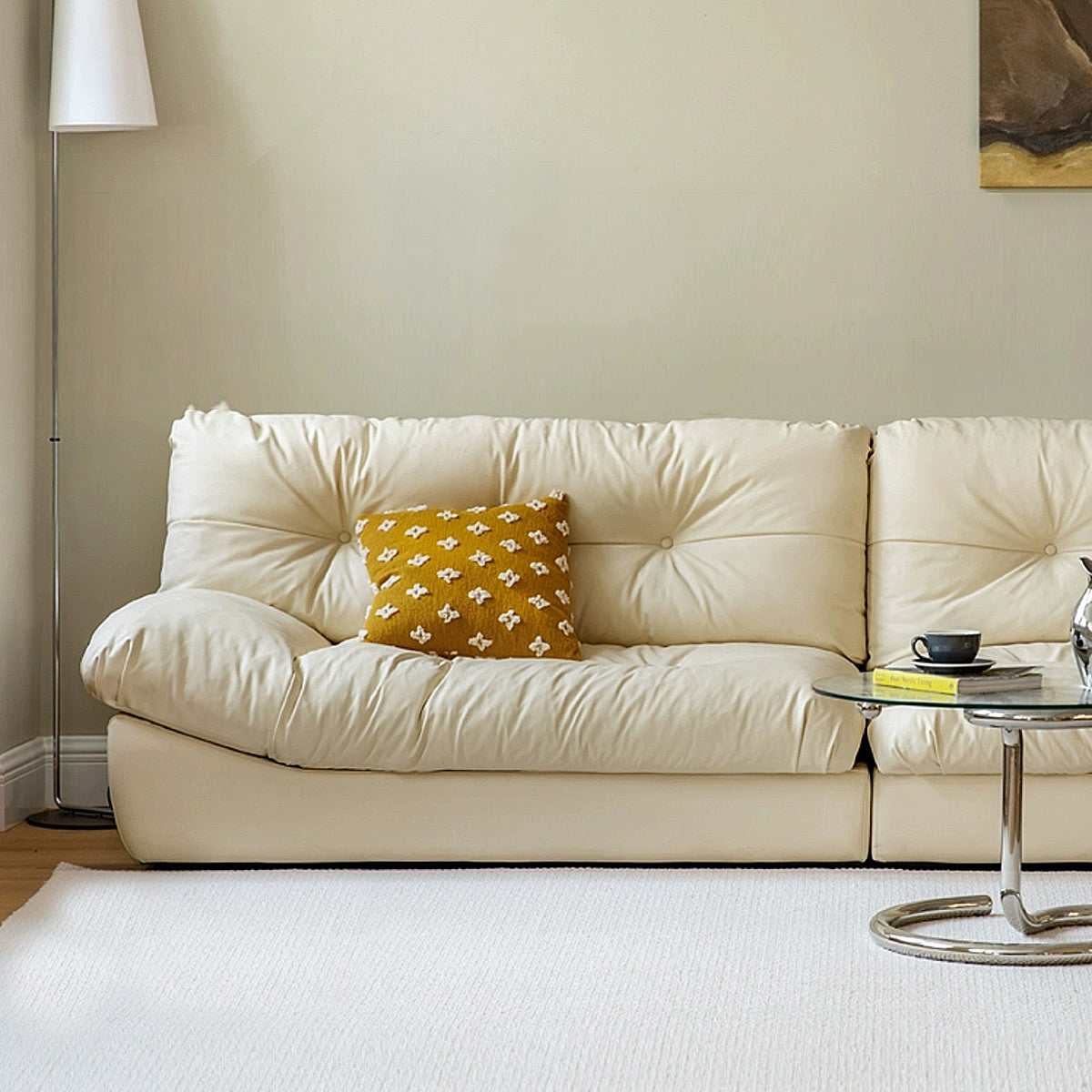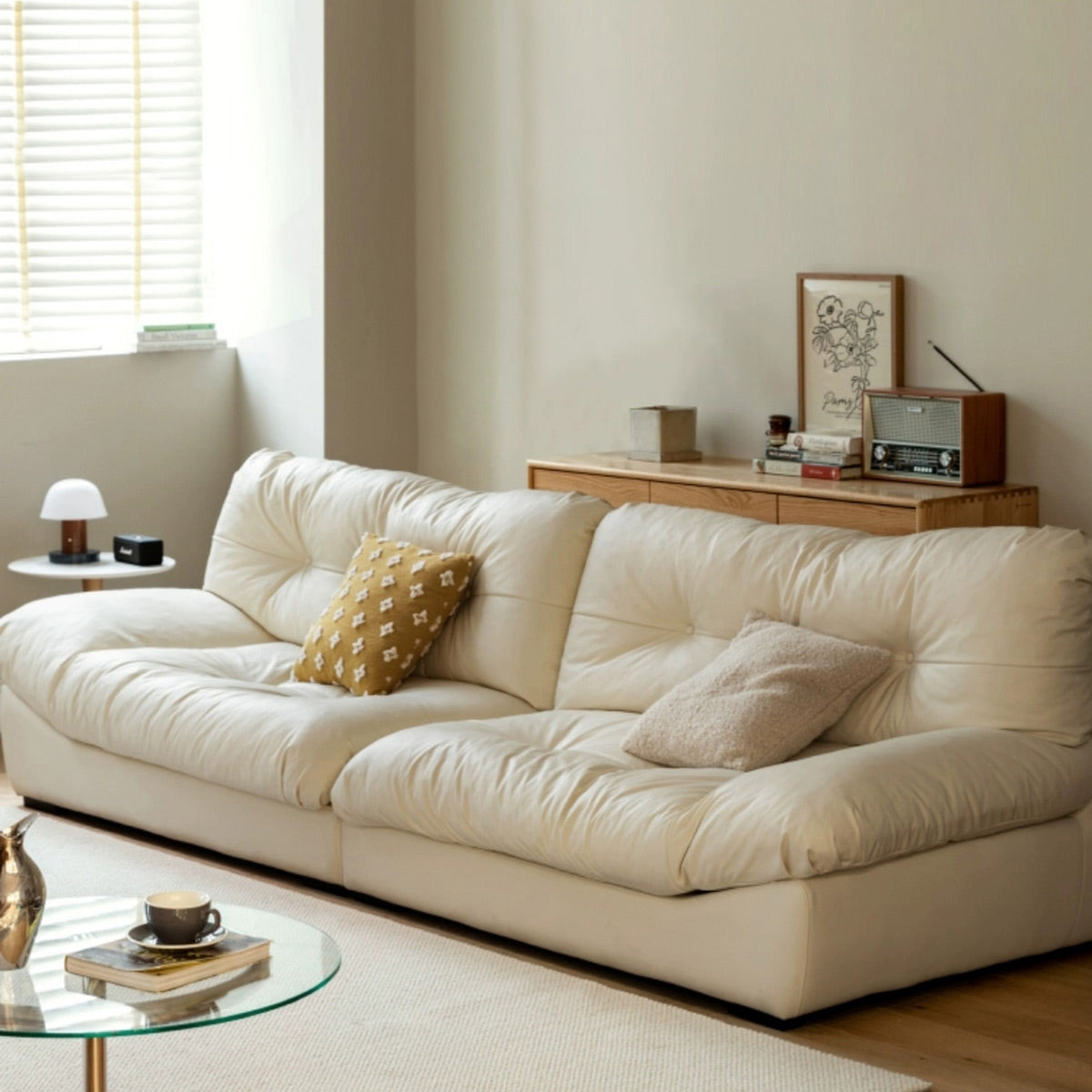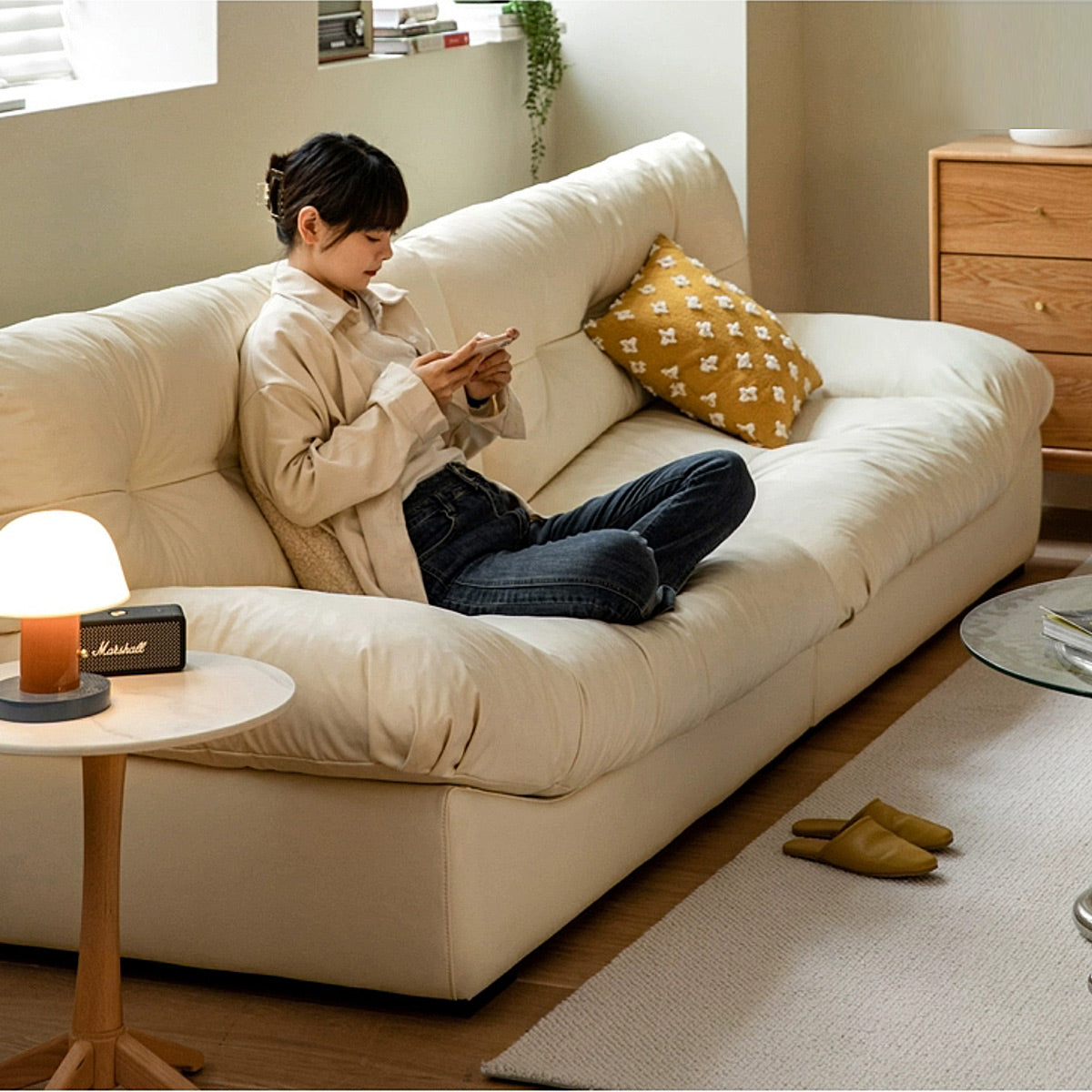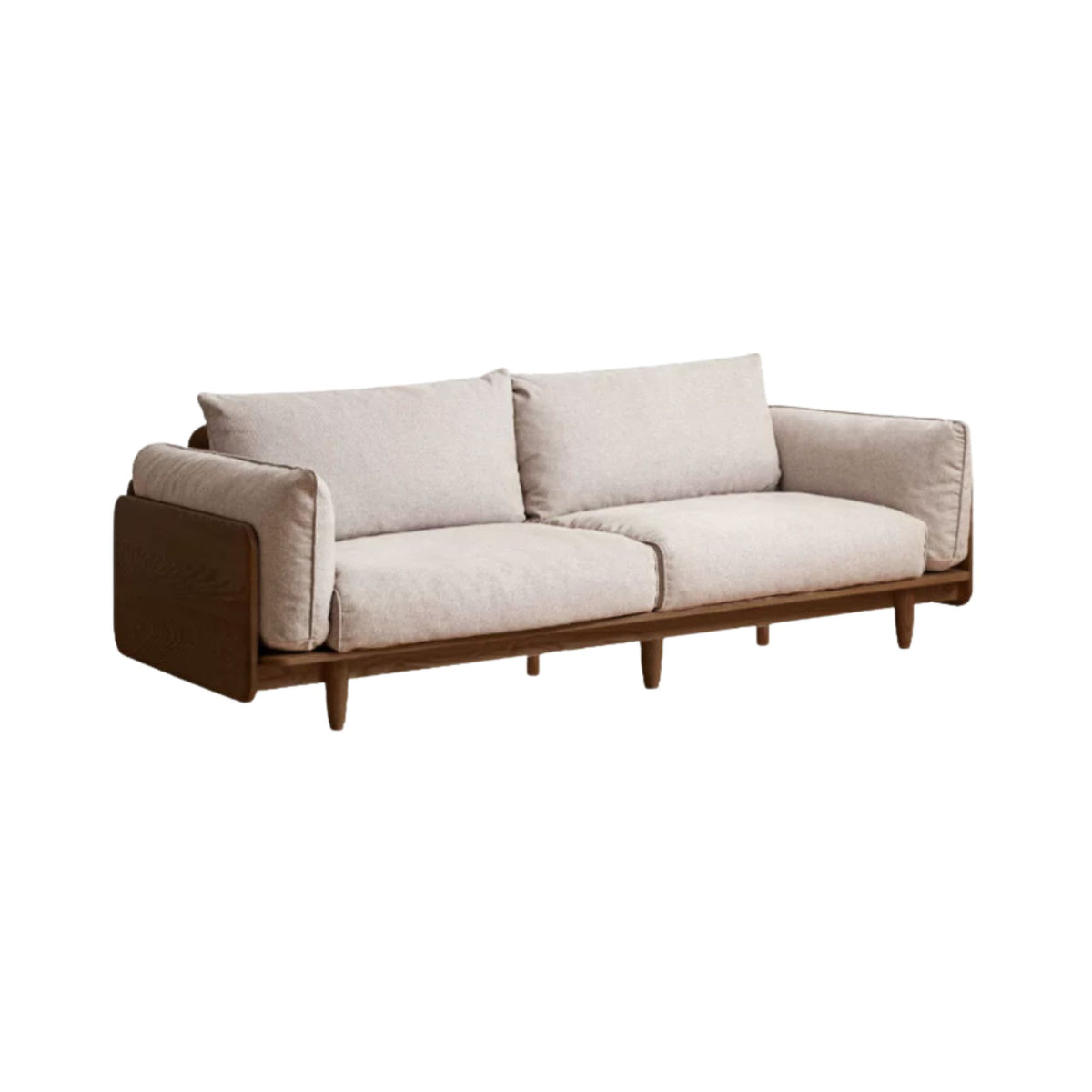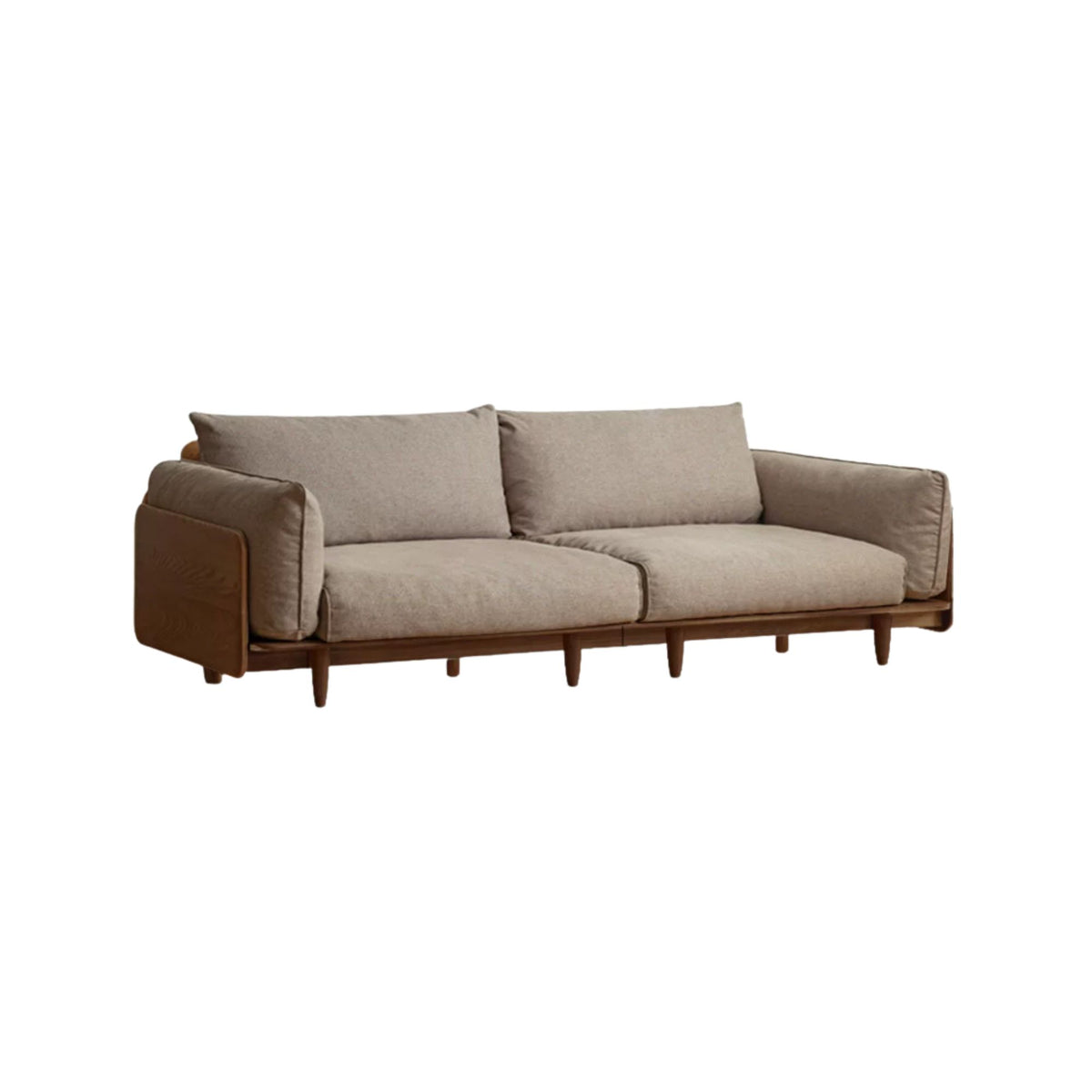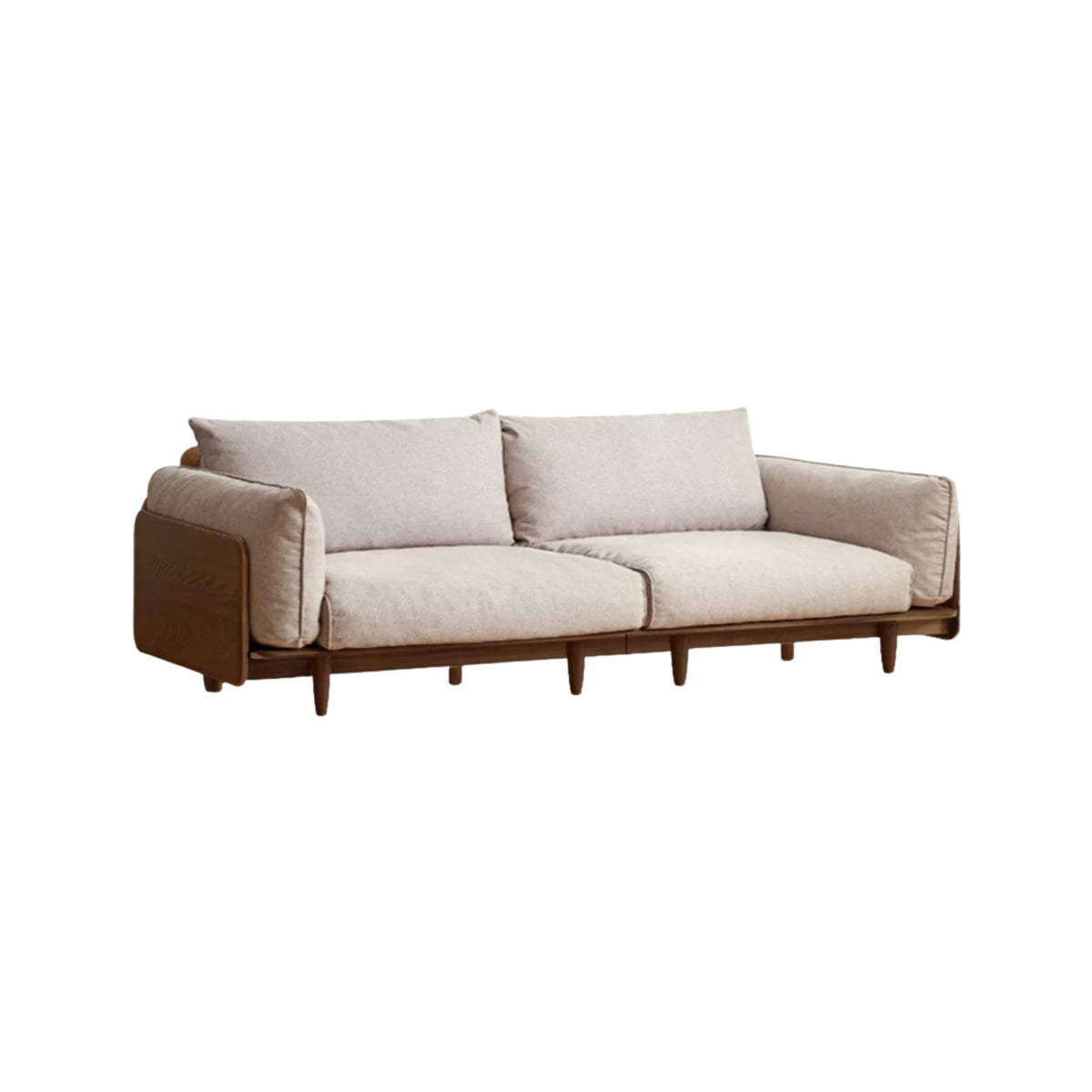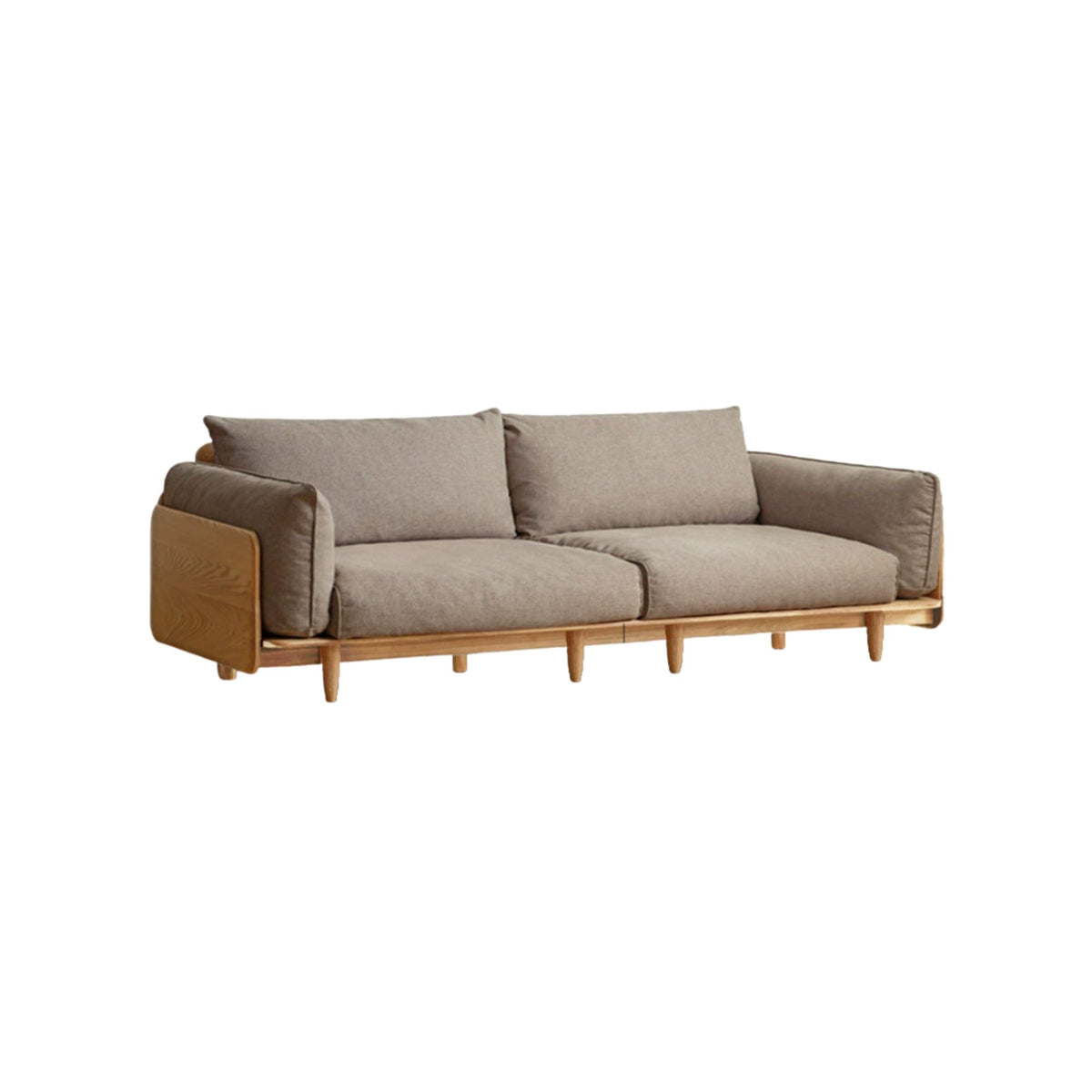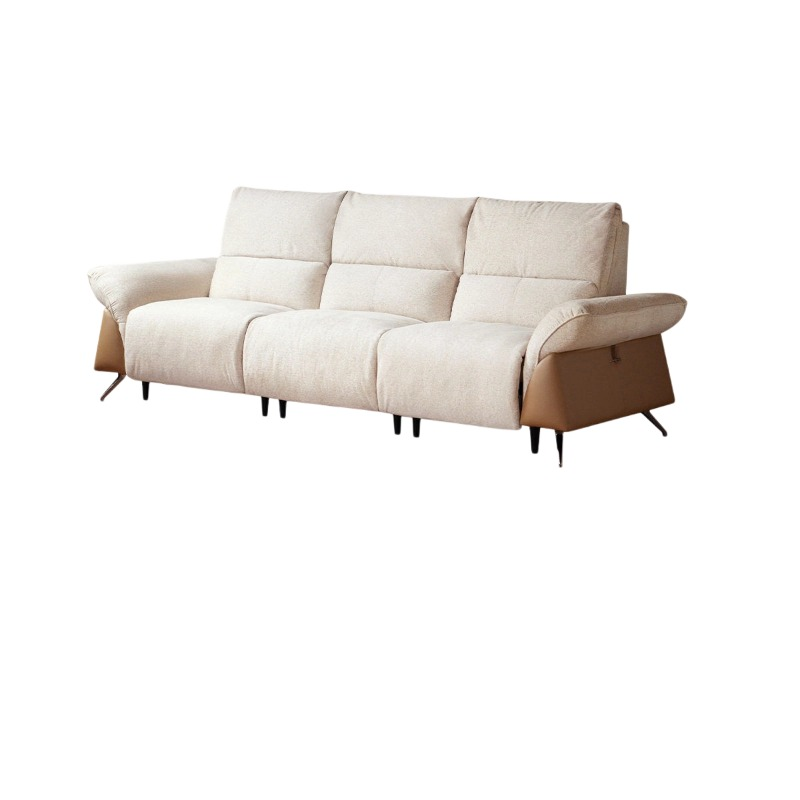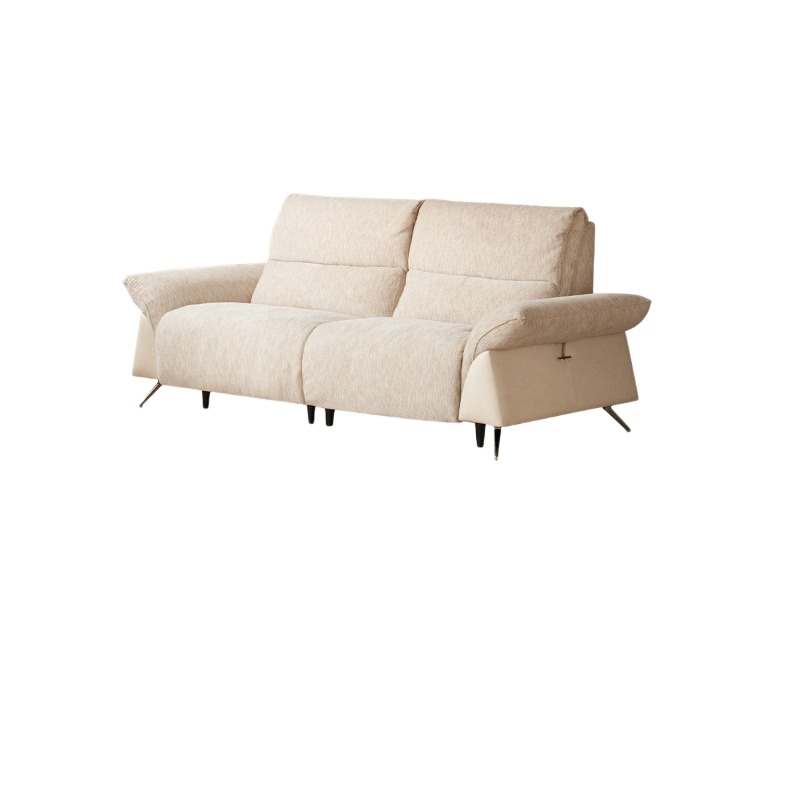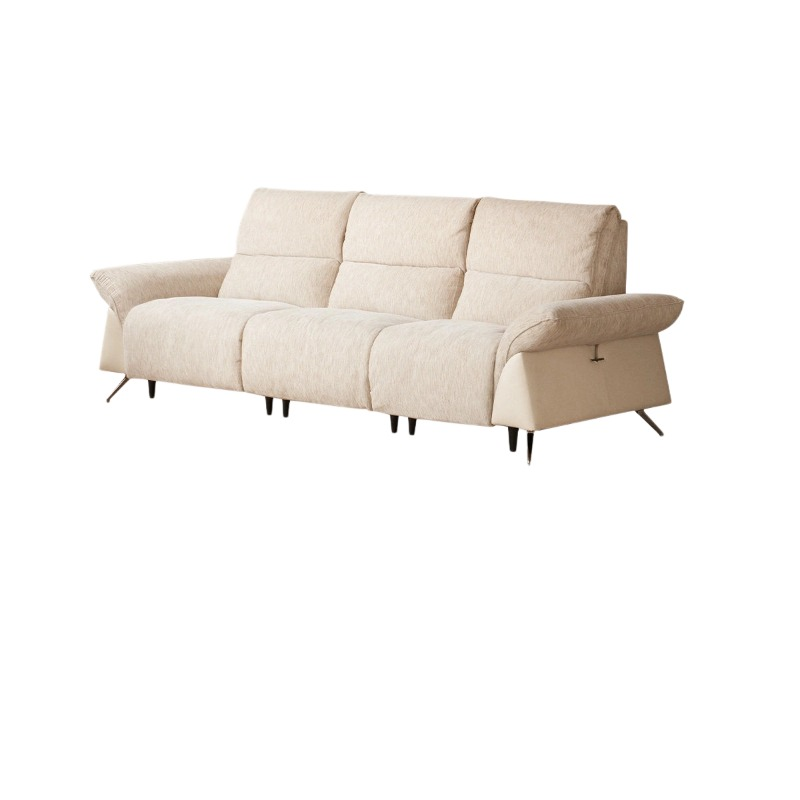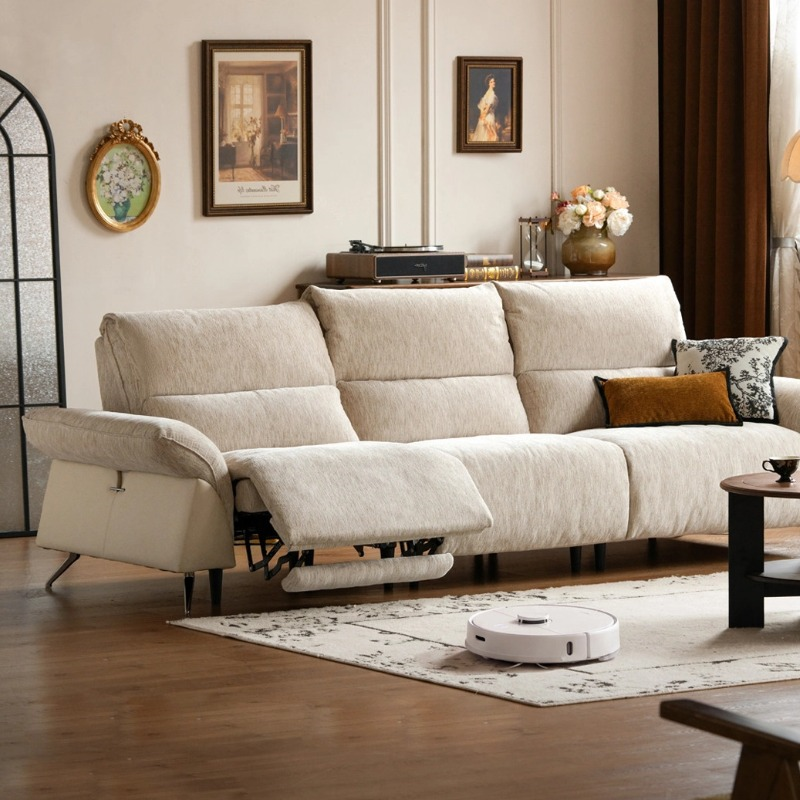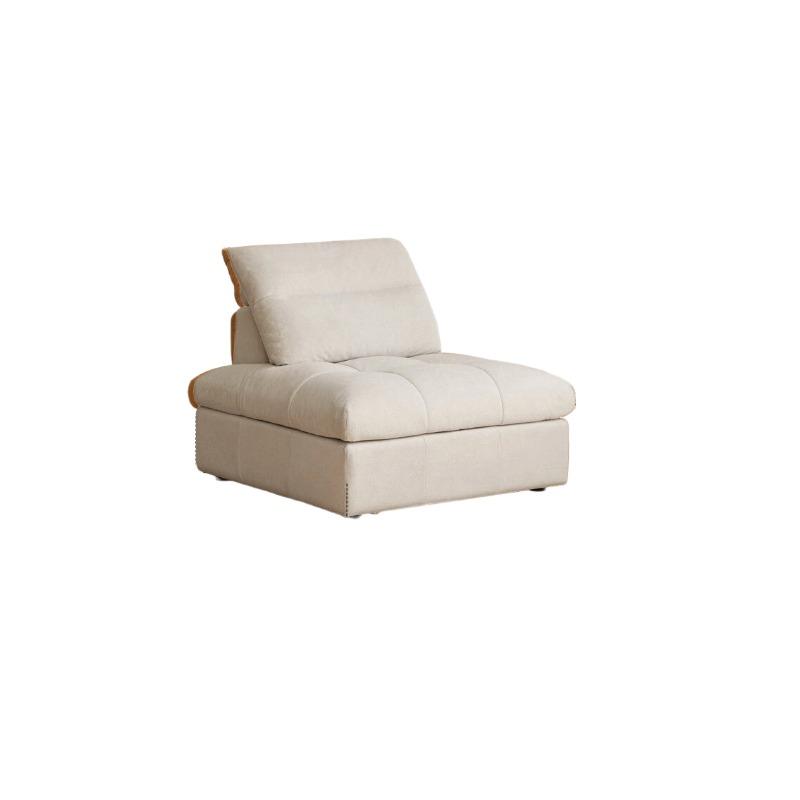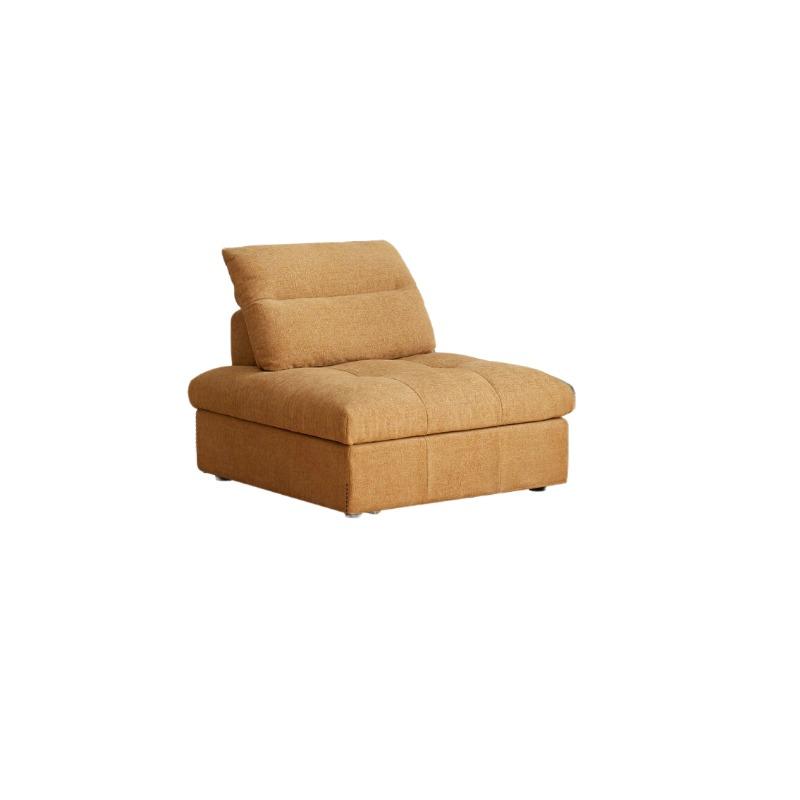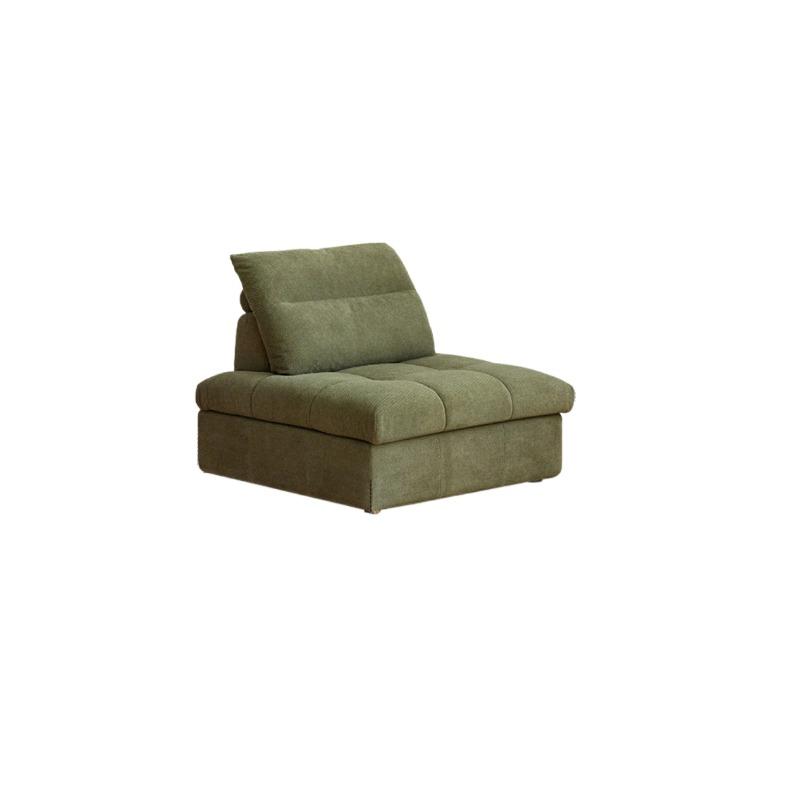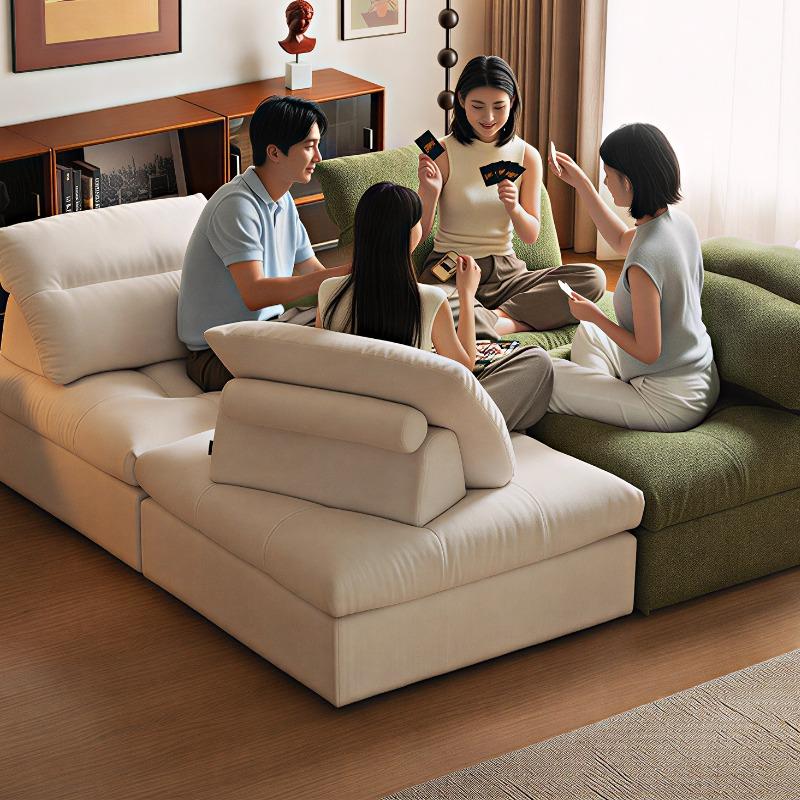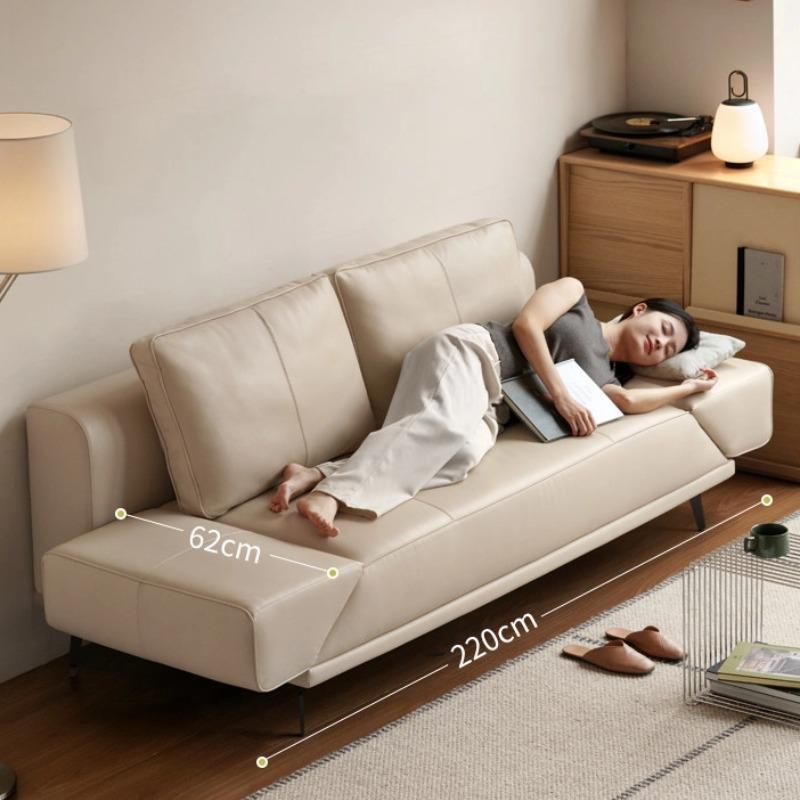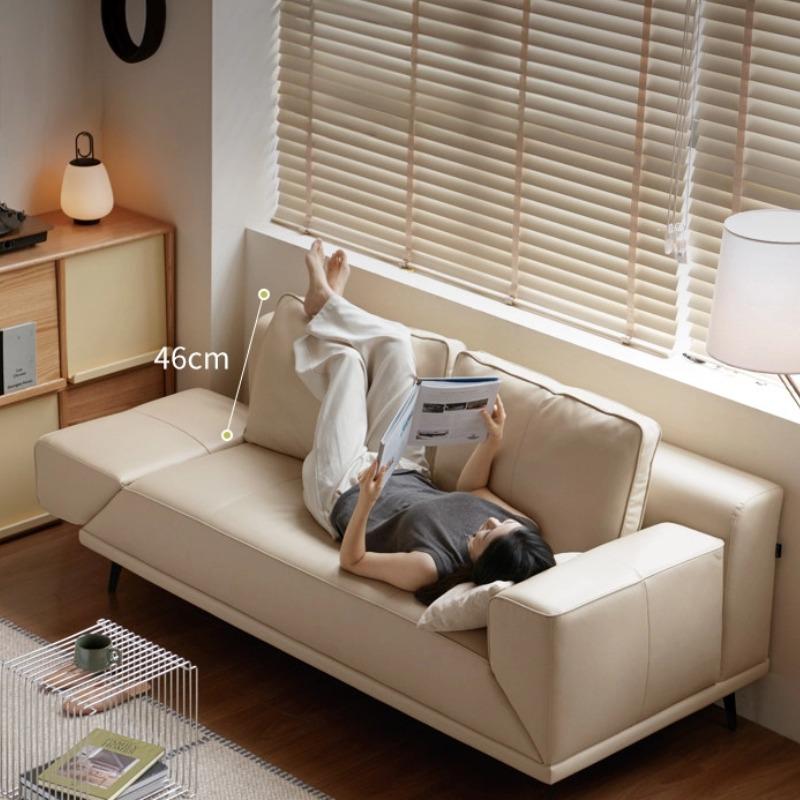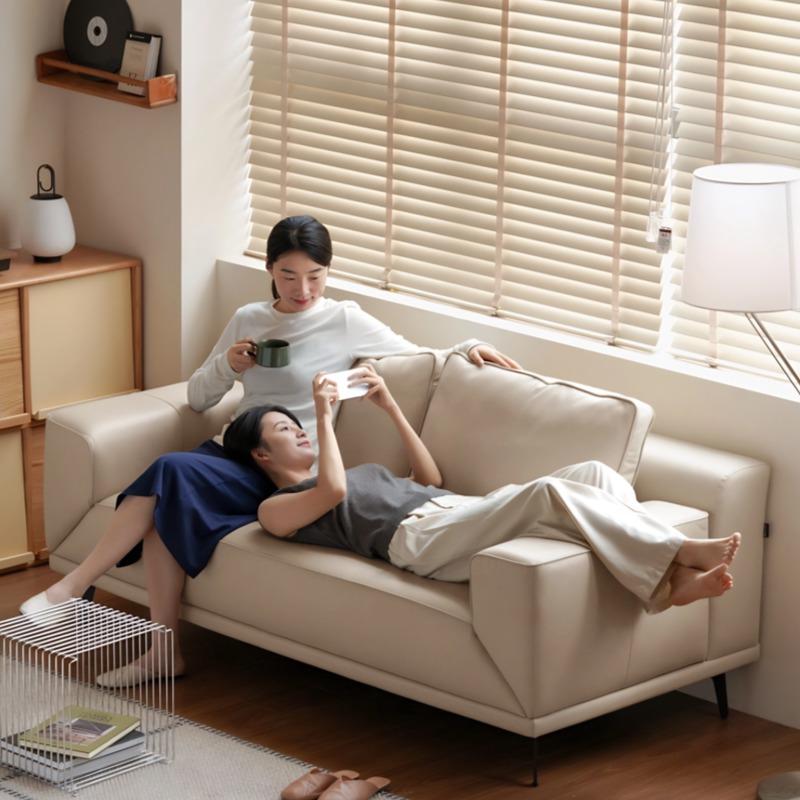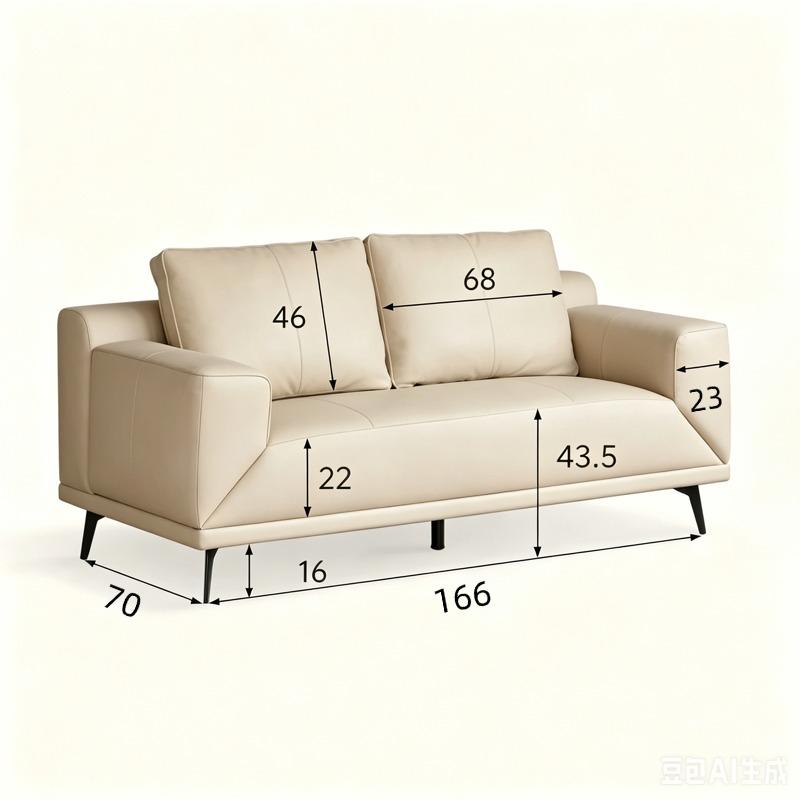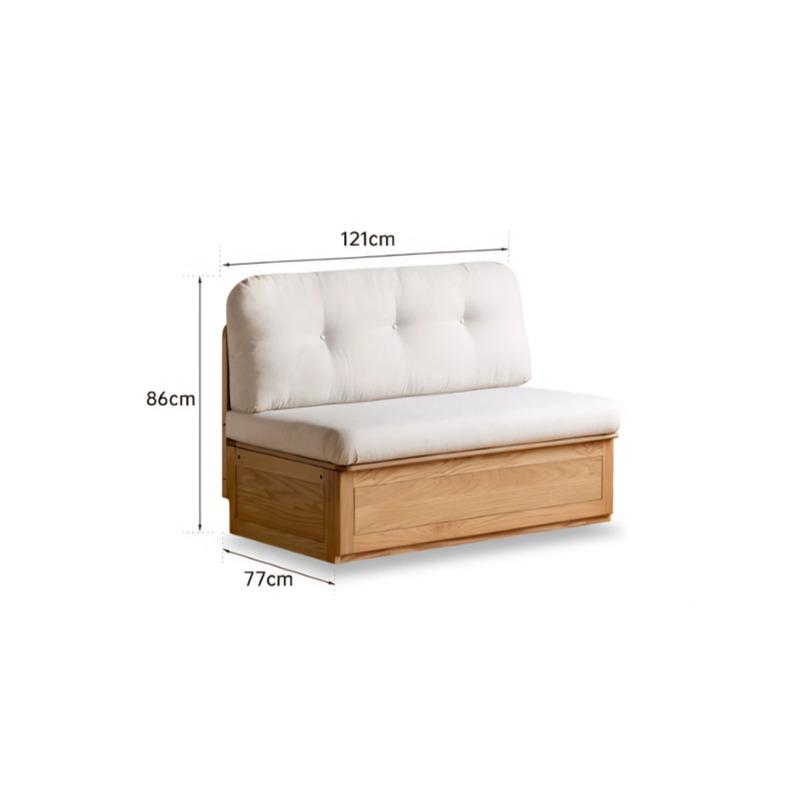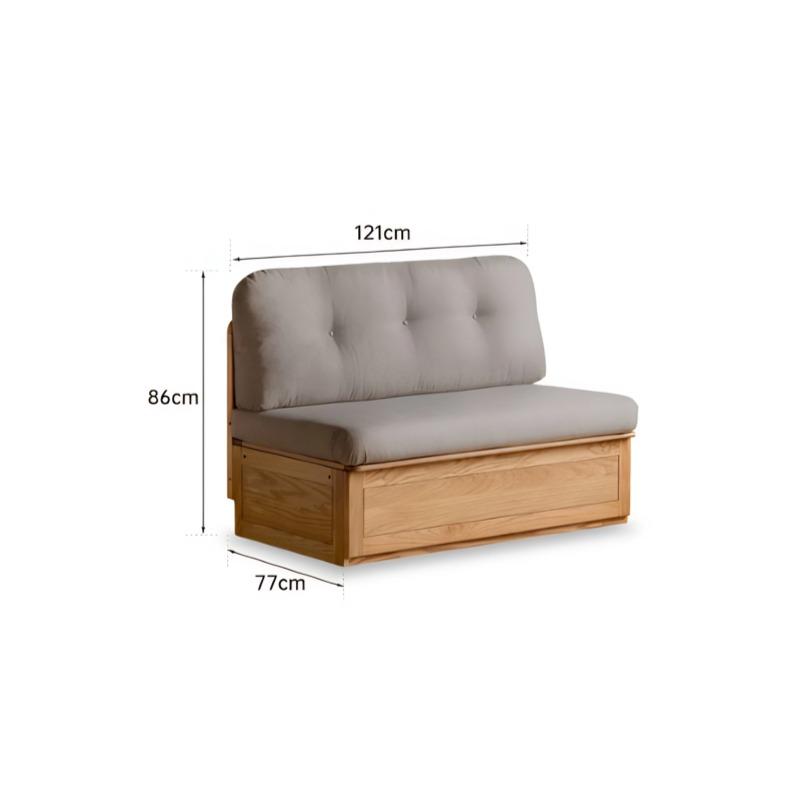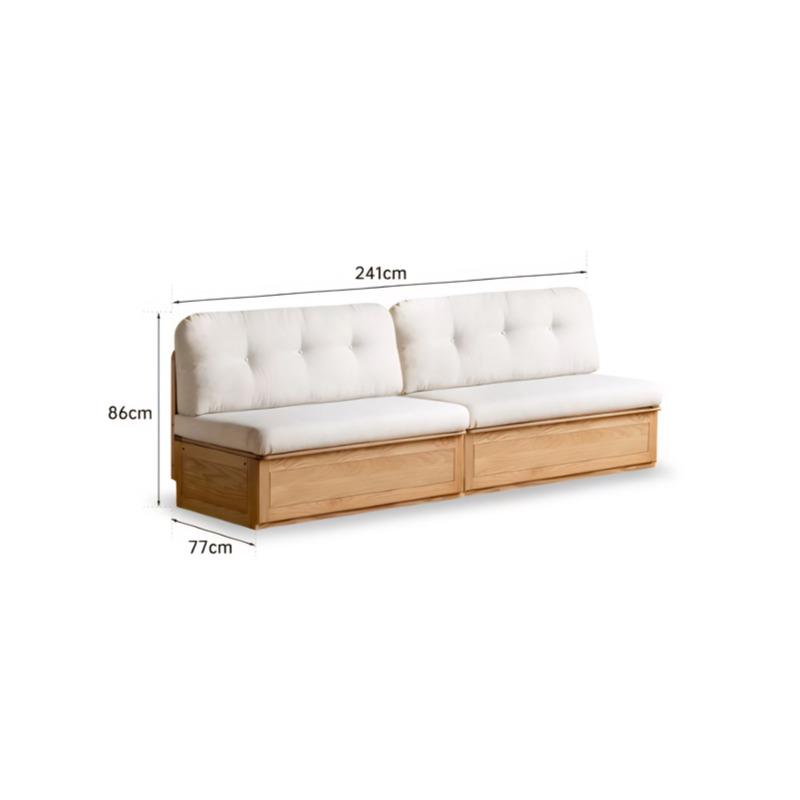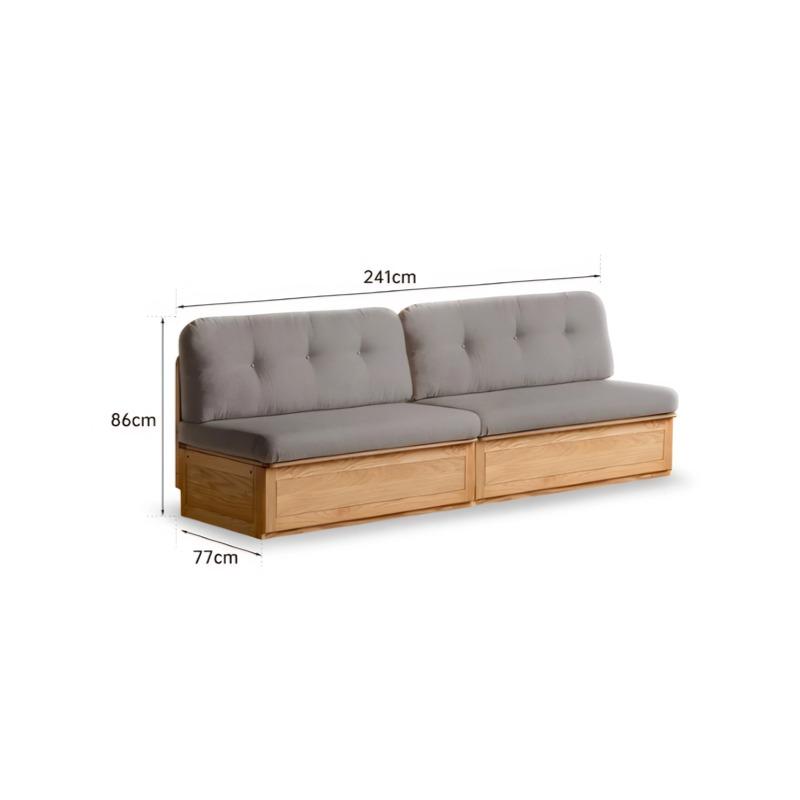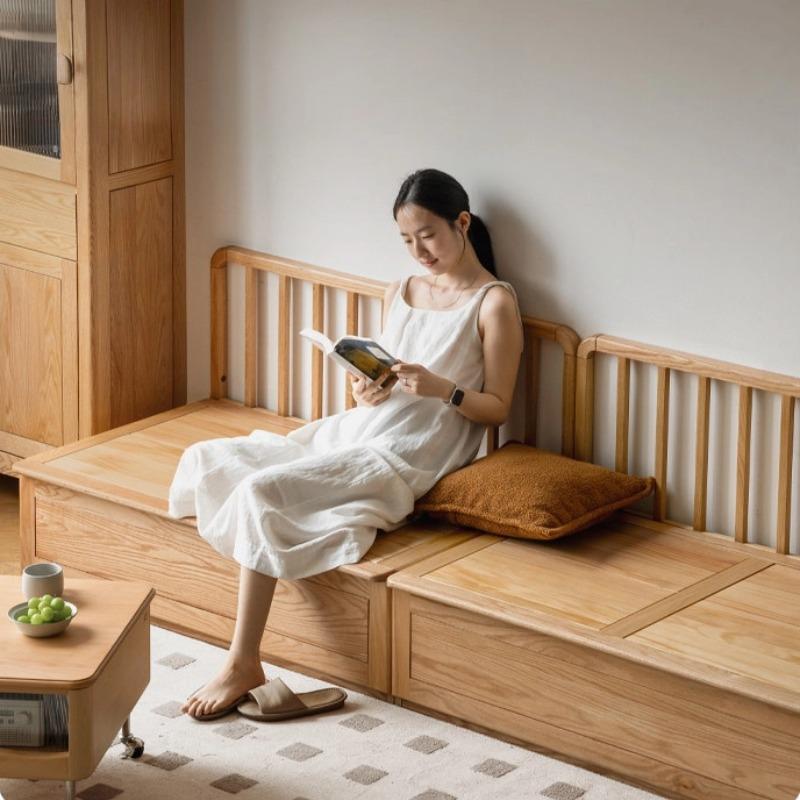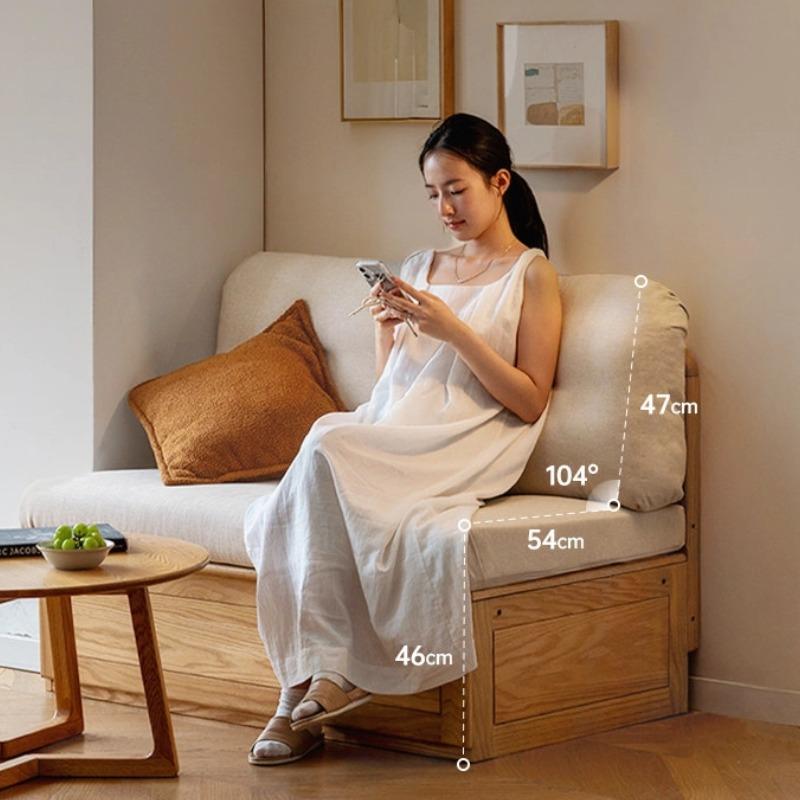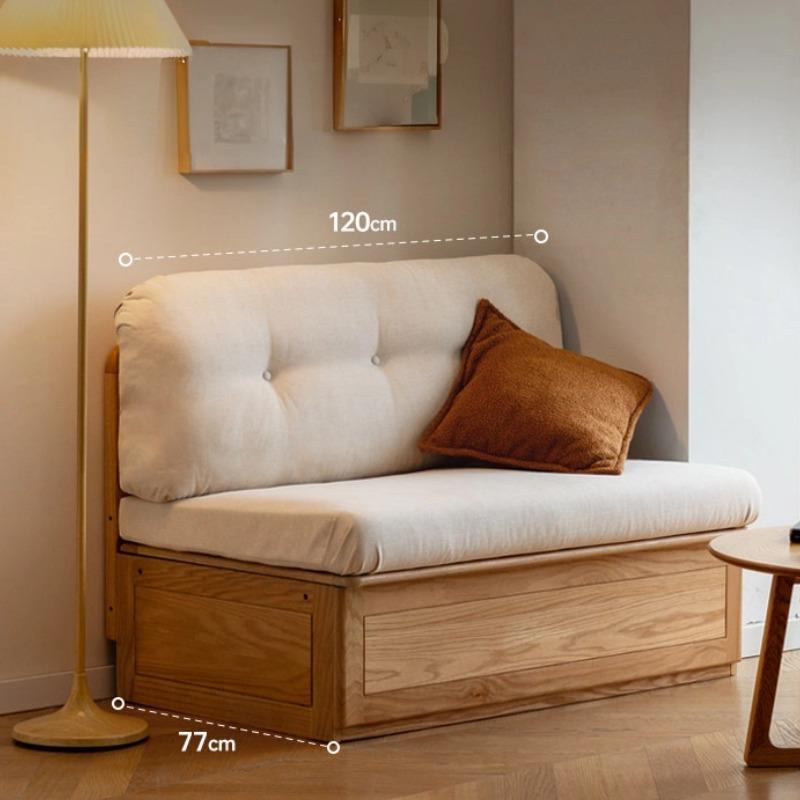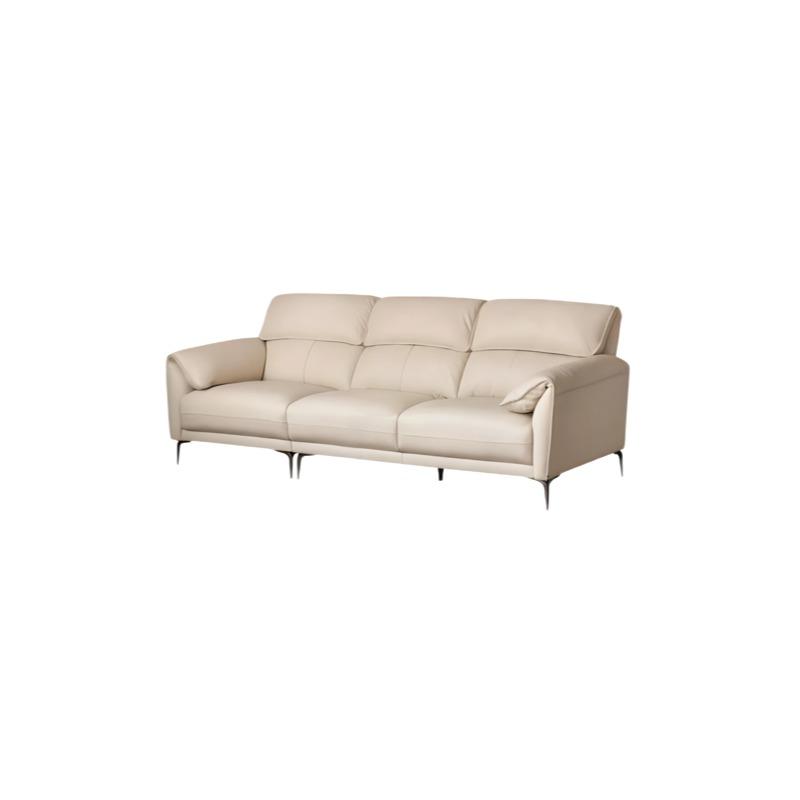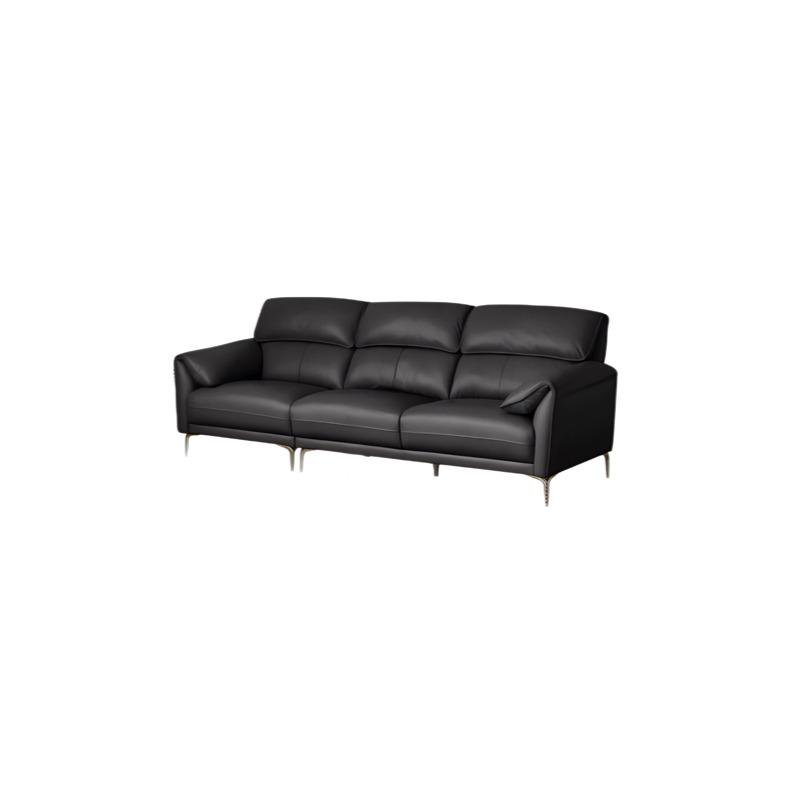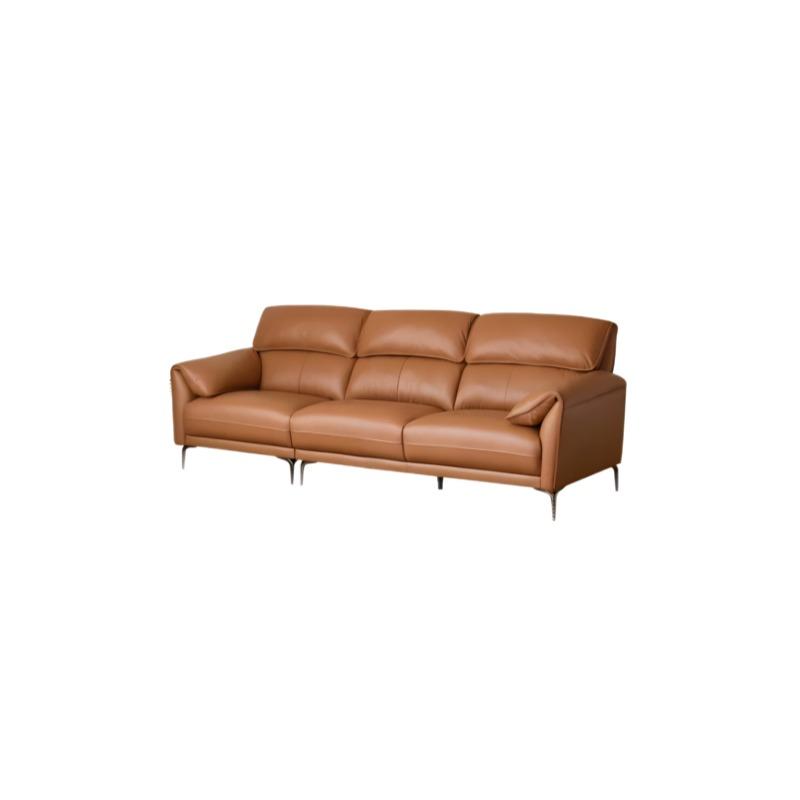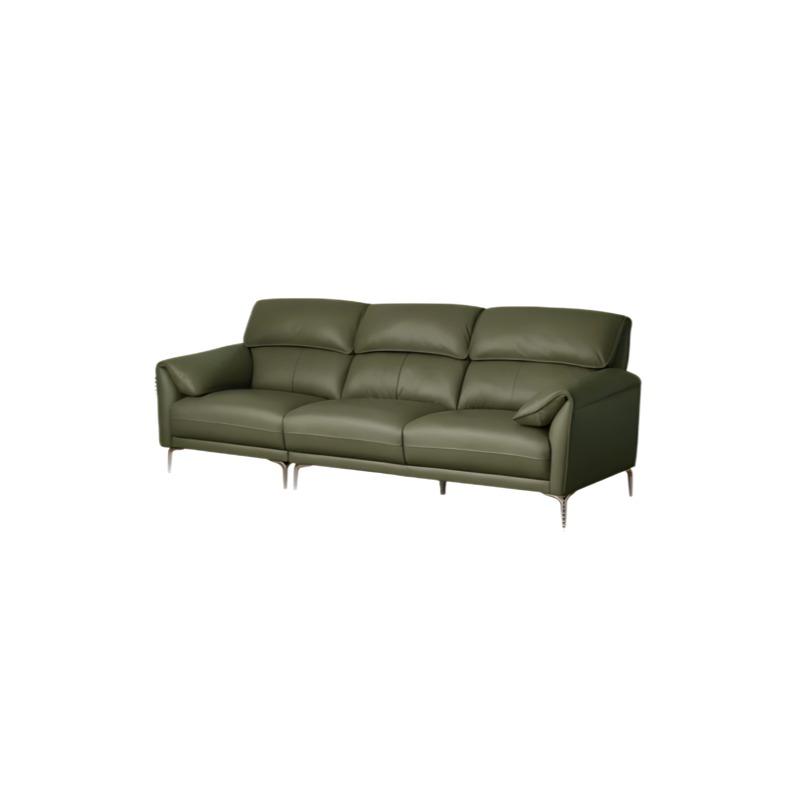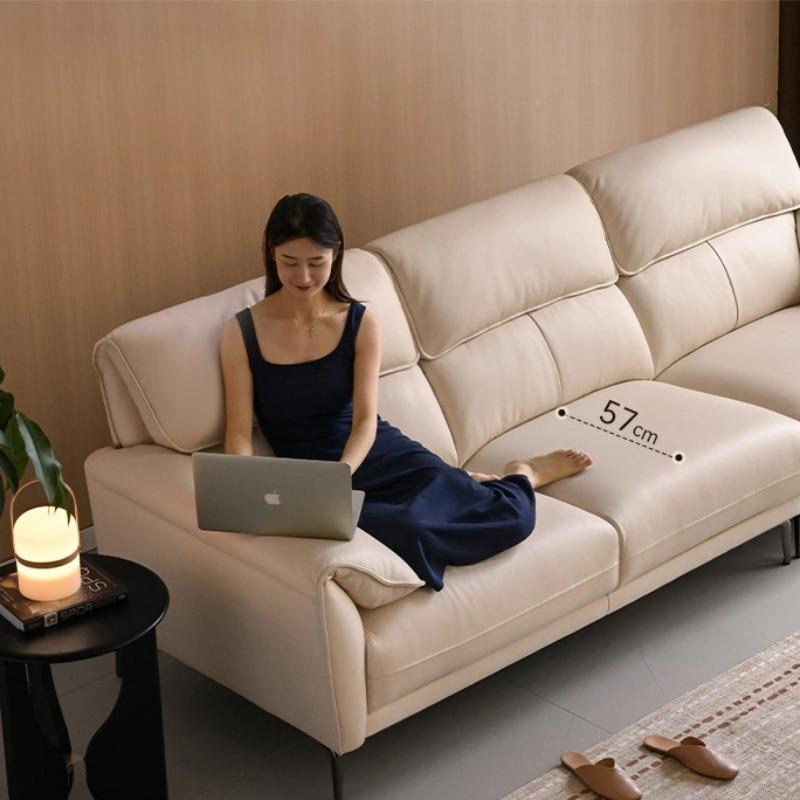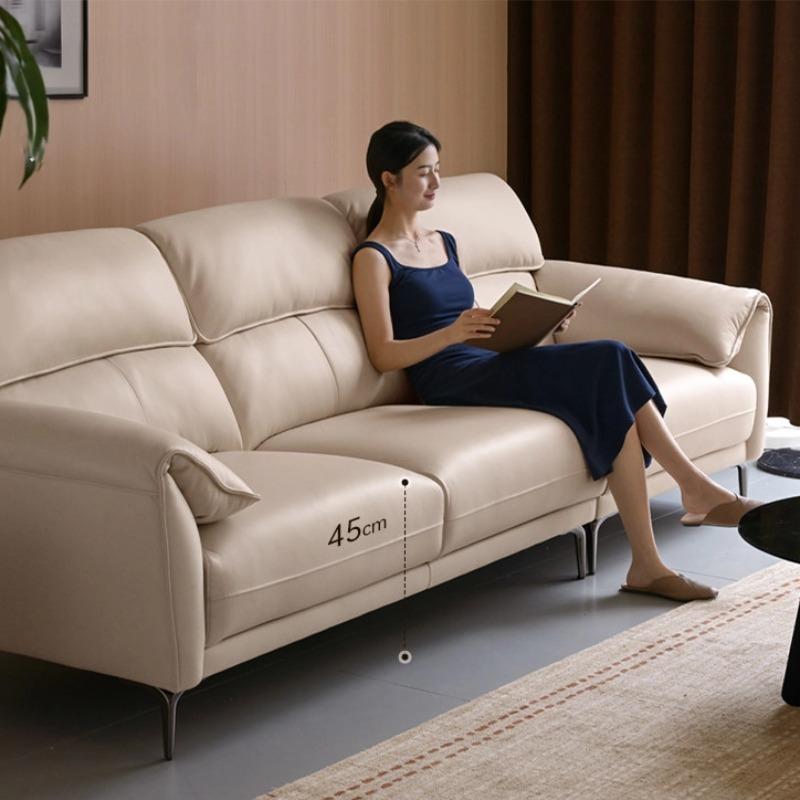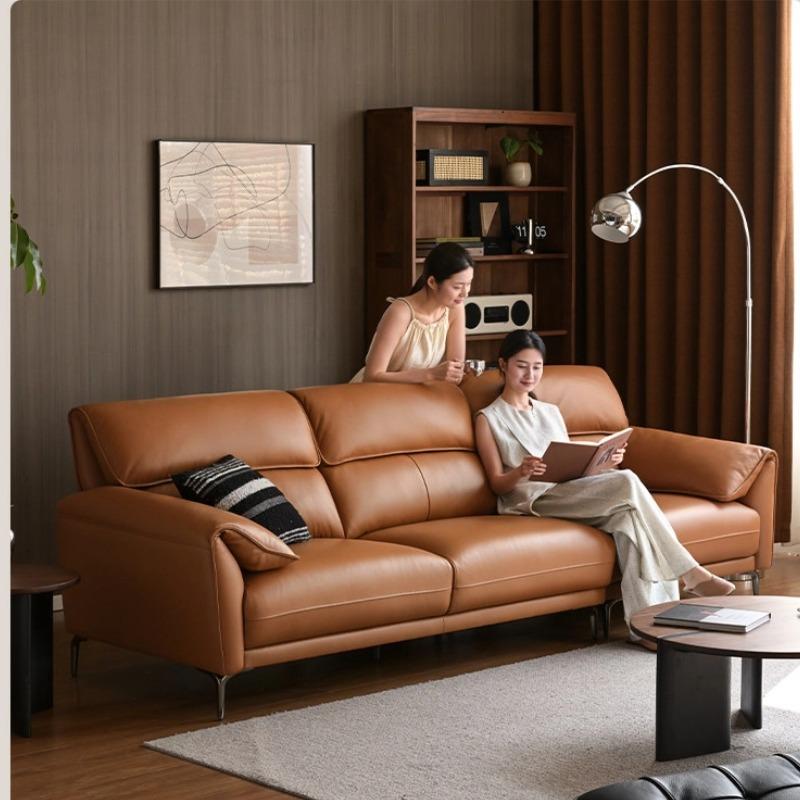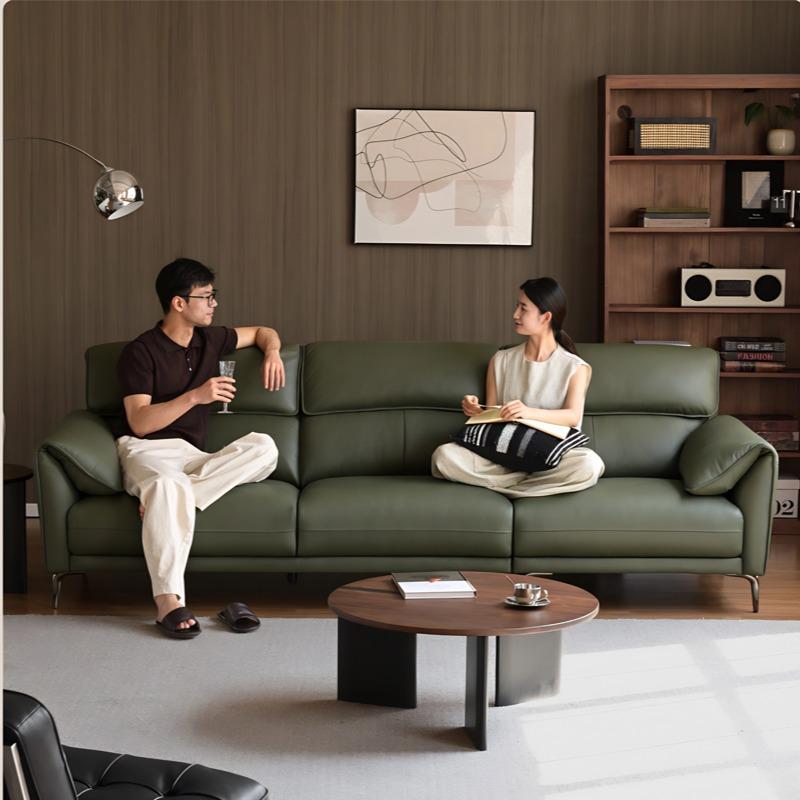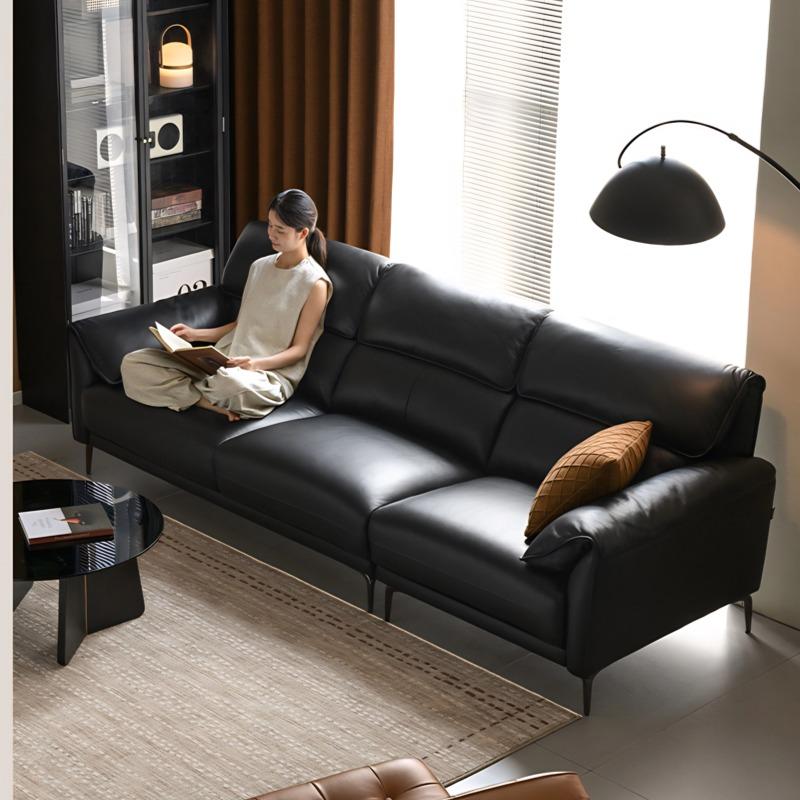



Furnishing a living room in Singapore comes with its own unique considerations. Between year-round humidity, warm afternoons, and occasional monsoon dampness, comfort and durability matter just as much as style.
One of the most common dilemmas homeowners face is choosing the right sofa material. A couch may look beautiful in a showroom, but how well does it hold up during a humid day or after years of daily use?
Material choice is arguably the most important factor when selecting a couch in Singapore. The wrong upholstery can trap heat, absorb moisture, or become difficult to maintain in a tropical environment.
In this guide, we compare the two most popular options, the fabric sofa that Singapore homes often favour, and the leather sofa that Singapore households commonly choose. We will look at how each material performs in terms of breathability, moisture resistance, maintenance, and overall longevity so you can decide which suits your lifestyle best.
Breathability and Comfort in High Humidity
Singapore’s climate plays a big role in how comfortable your sofa feels throughout the day. Breathability, heat retention, and airflow all influence whether your couch becomes a cosy resting spot or an uncomfortable seat during warm afternoons.
Why Fabric Sofas Stay Cool During Heatwaves
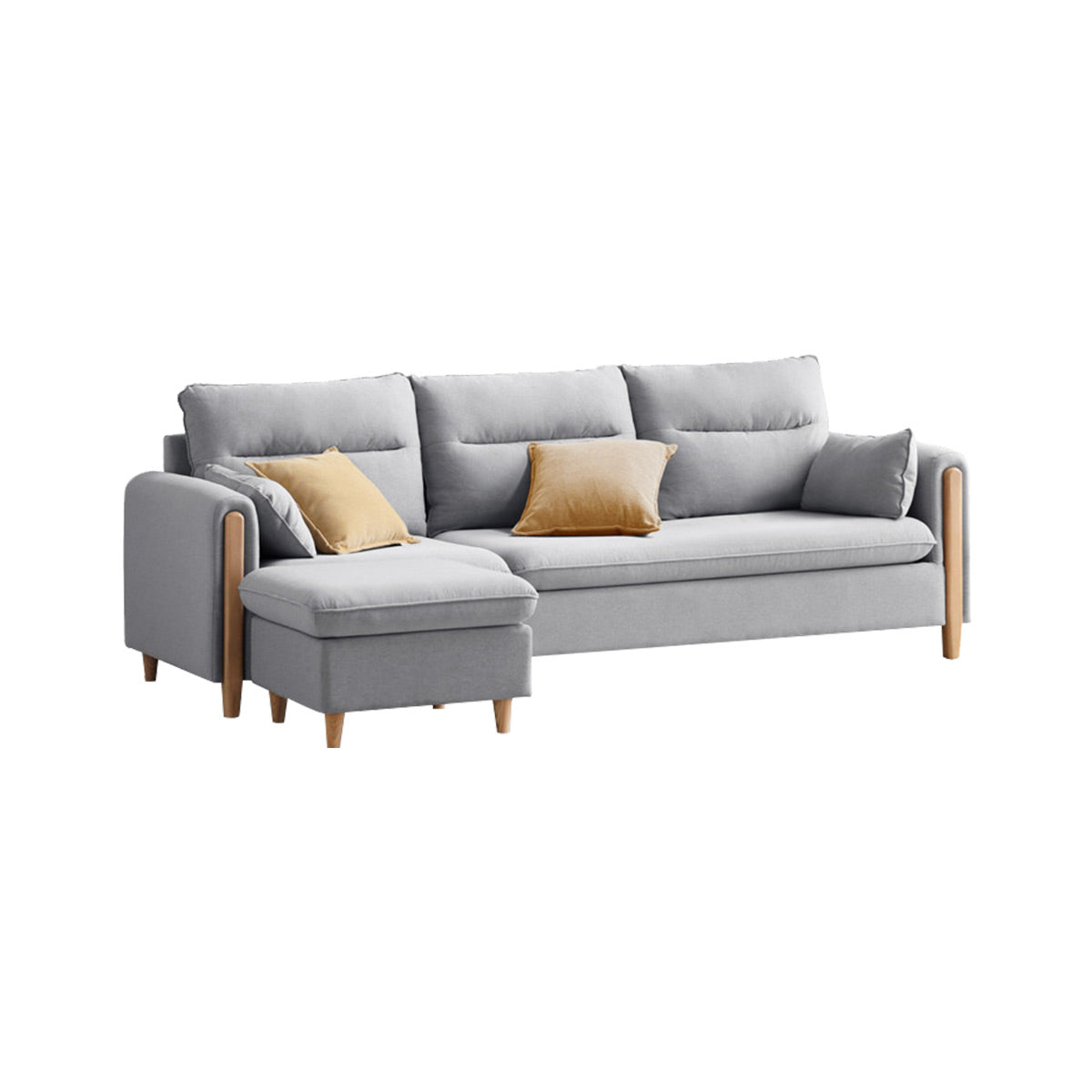
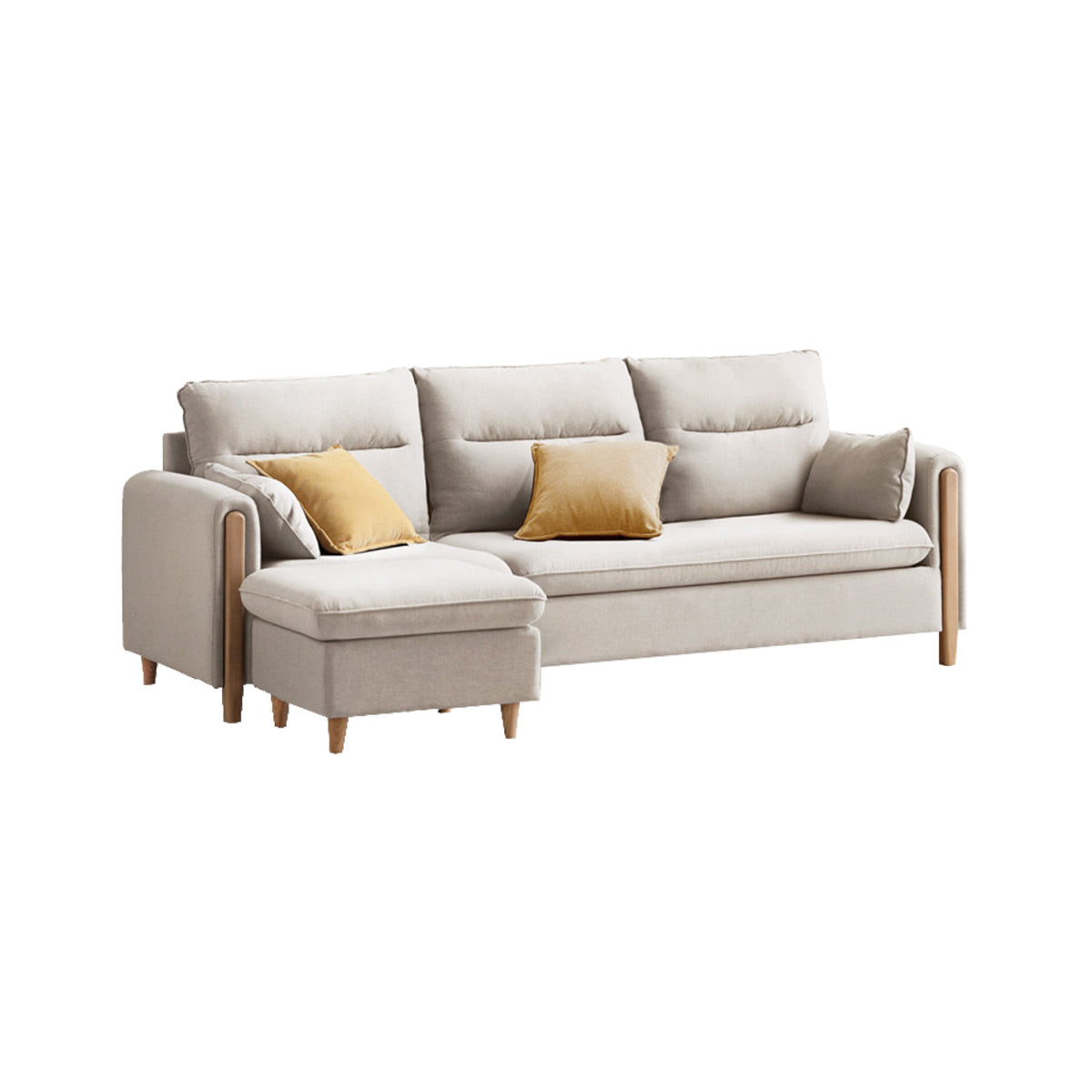
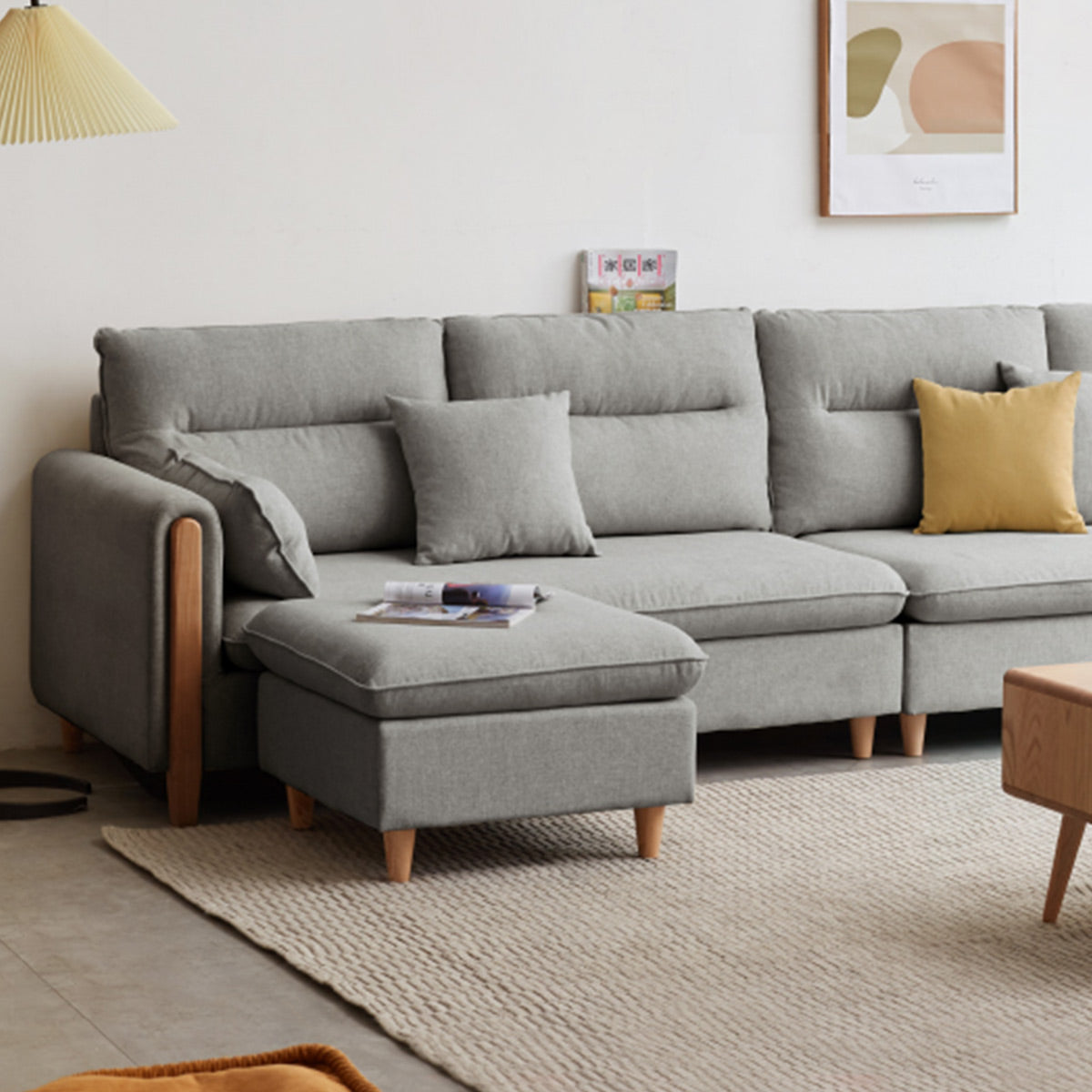
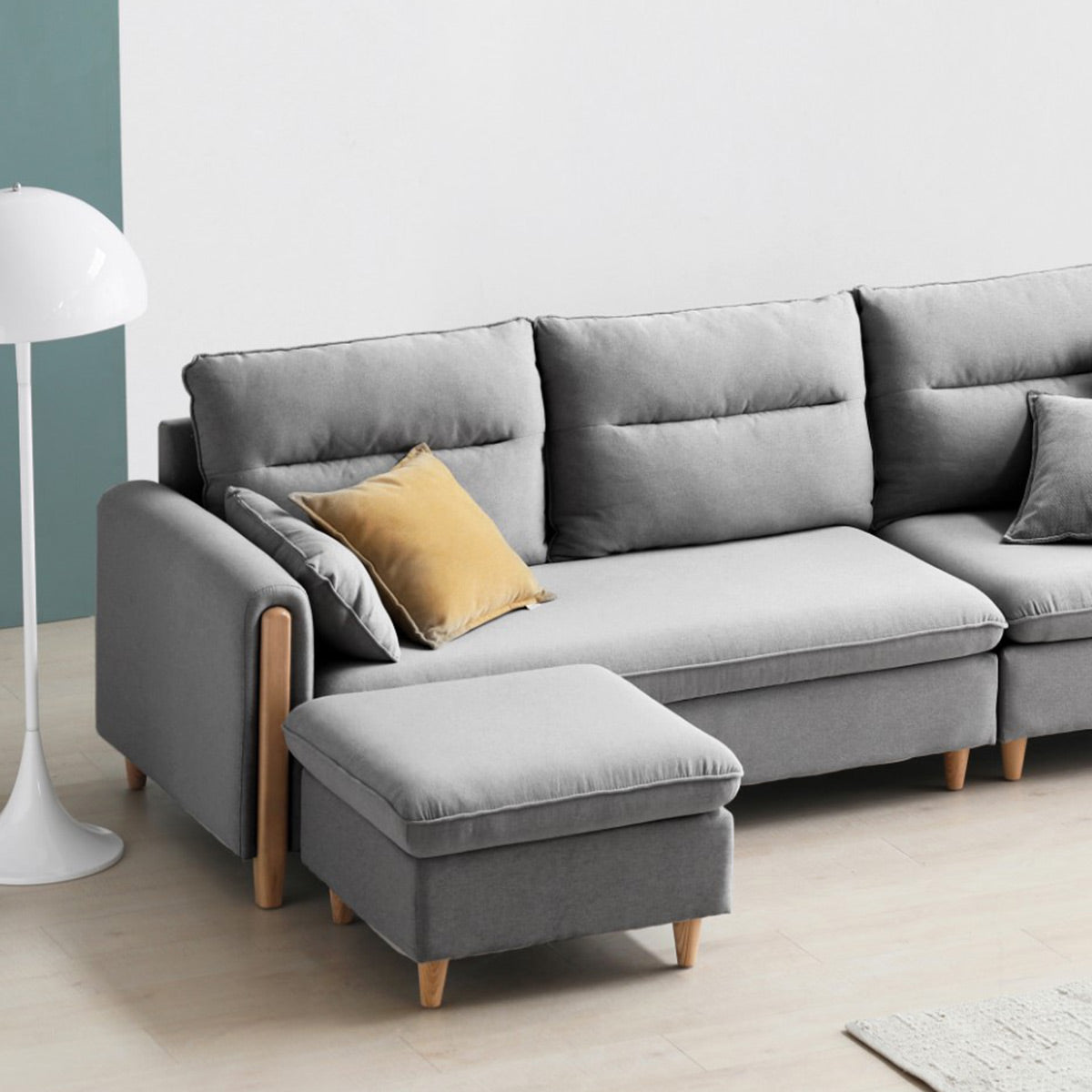
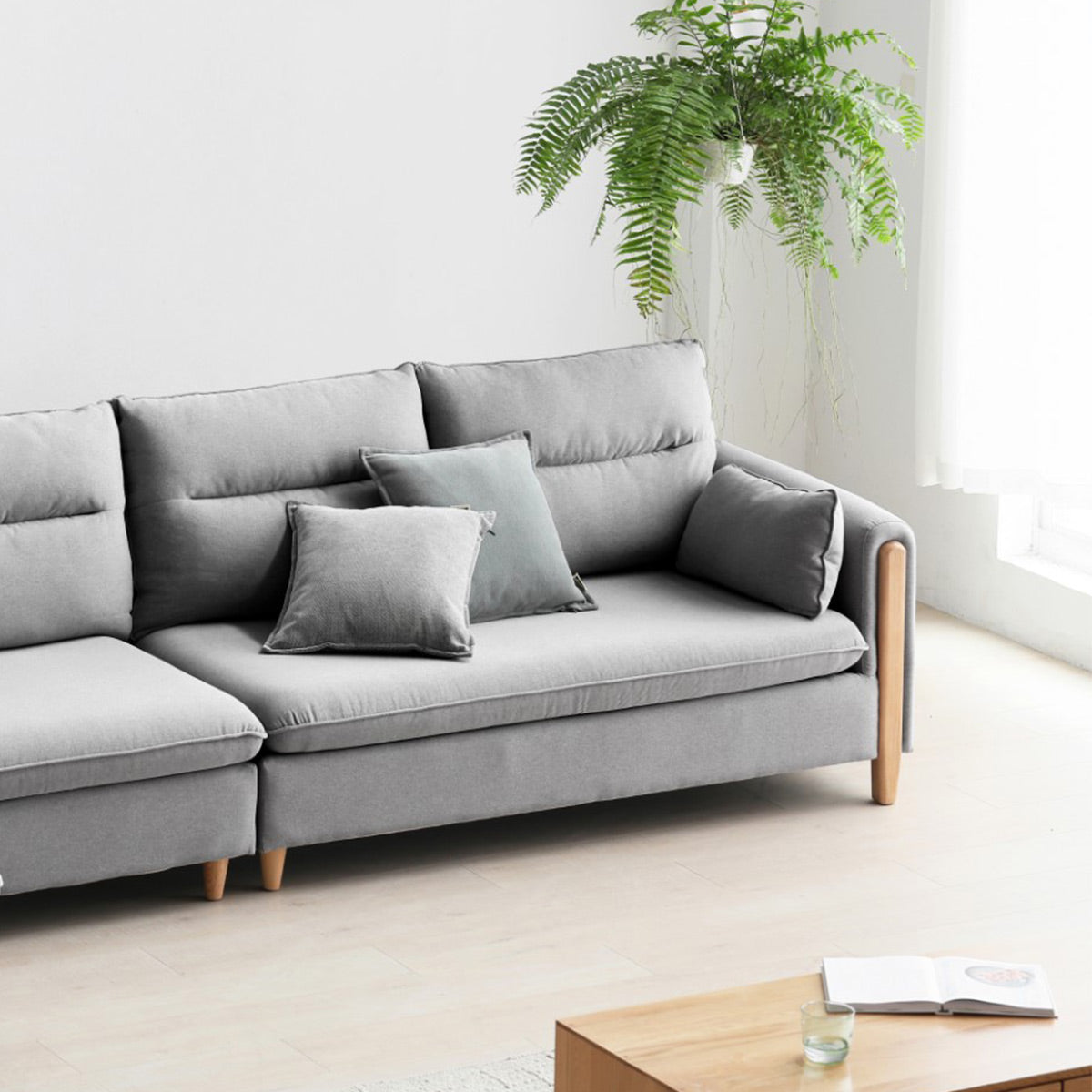
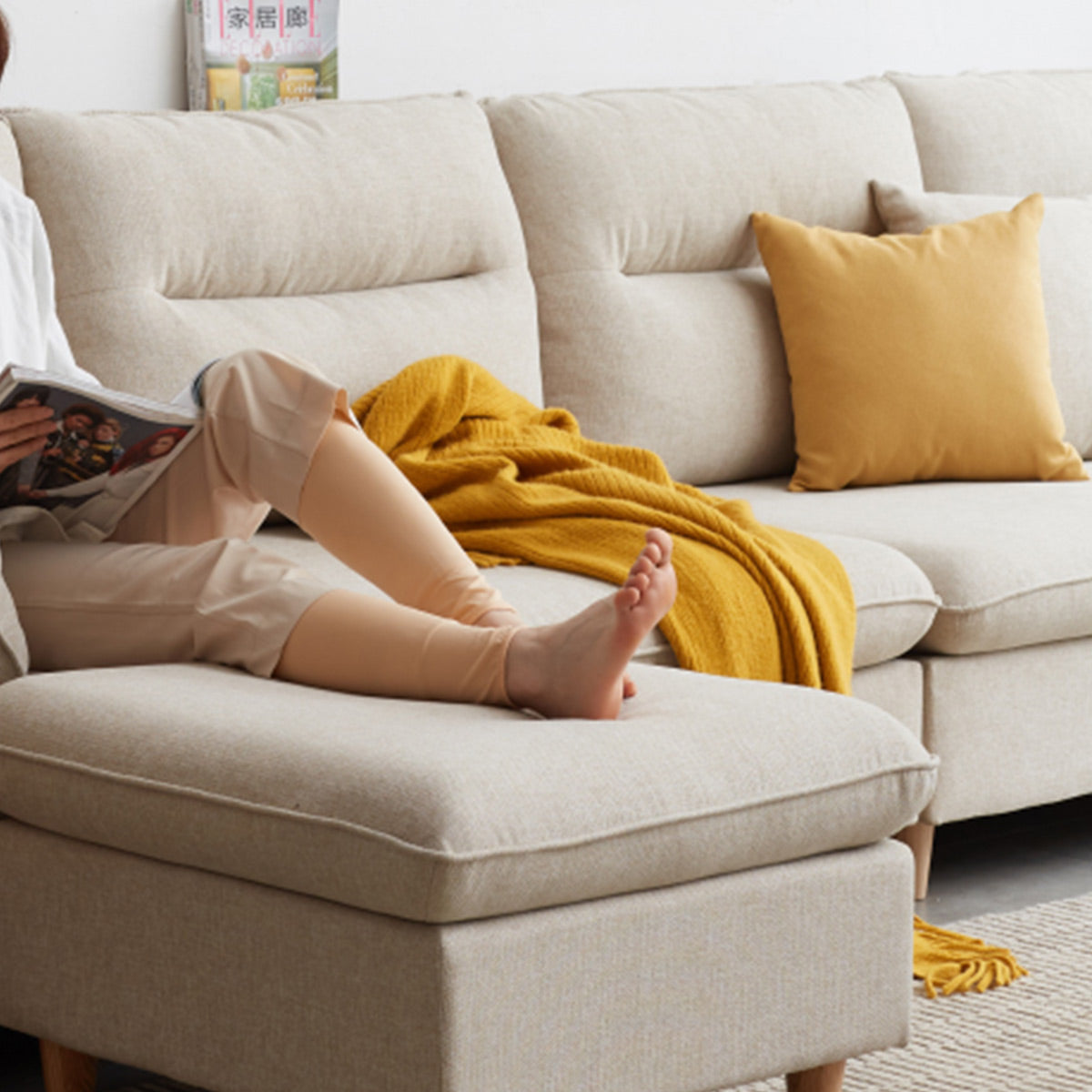
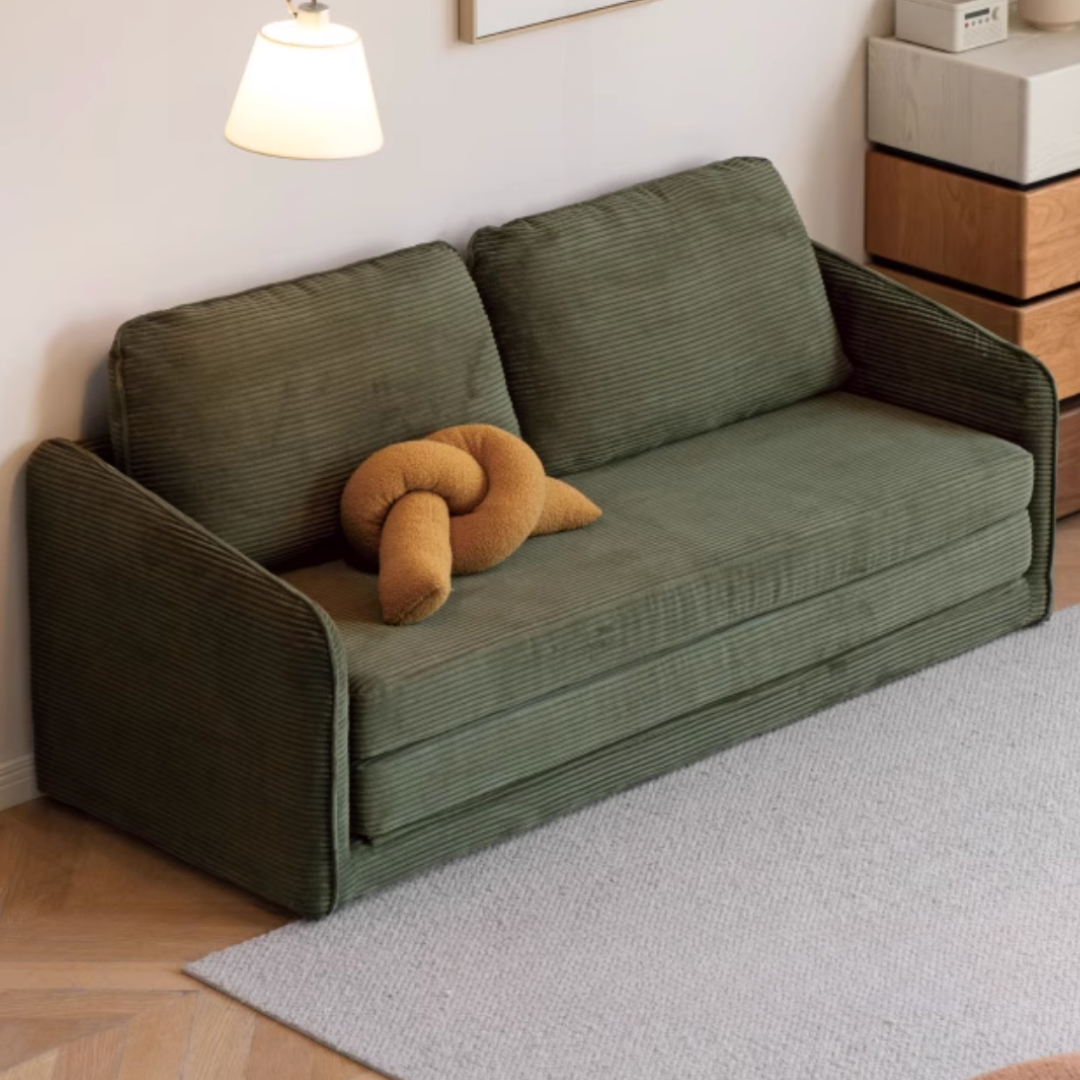
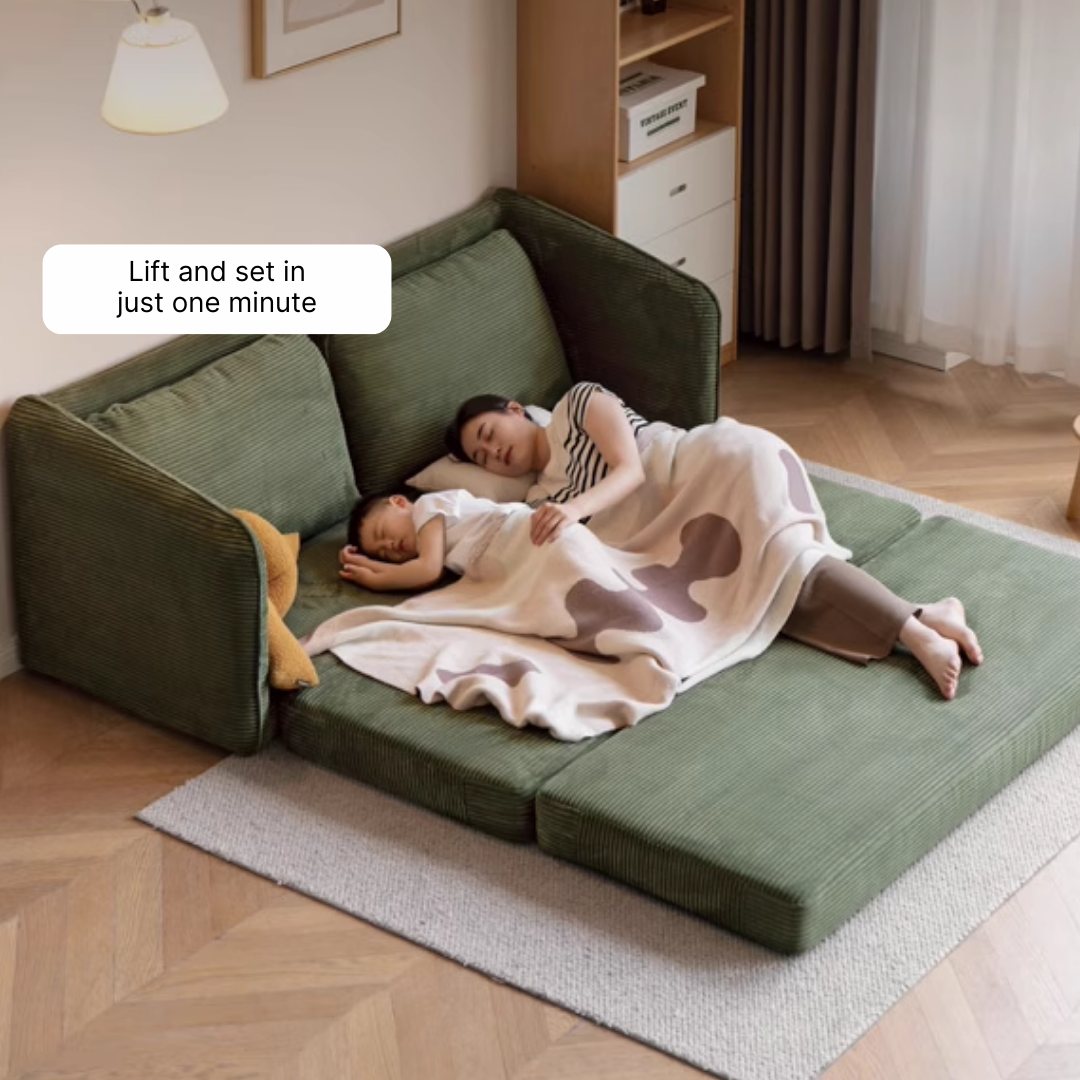
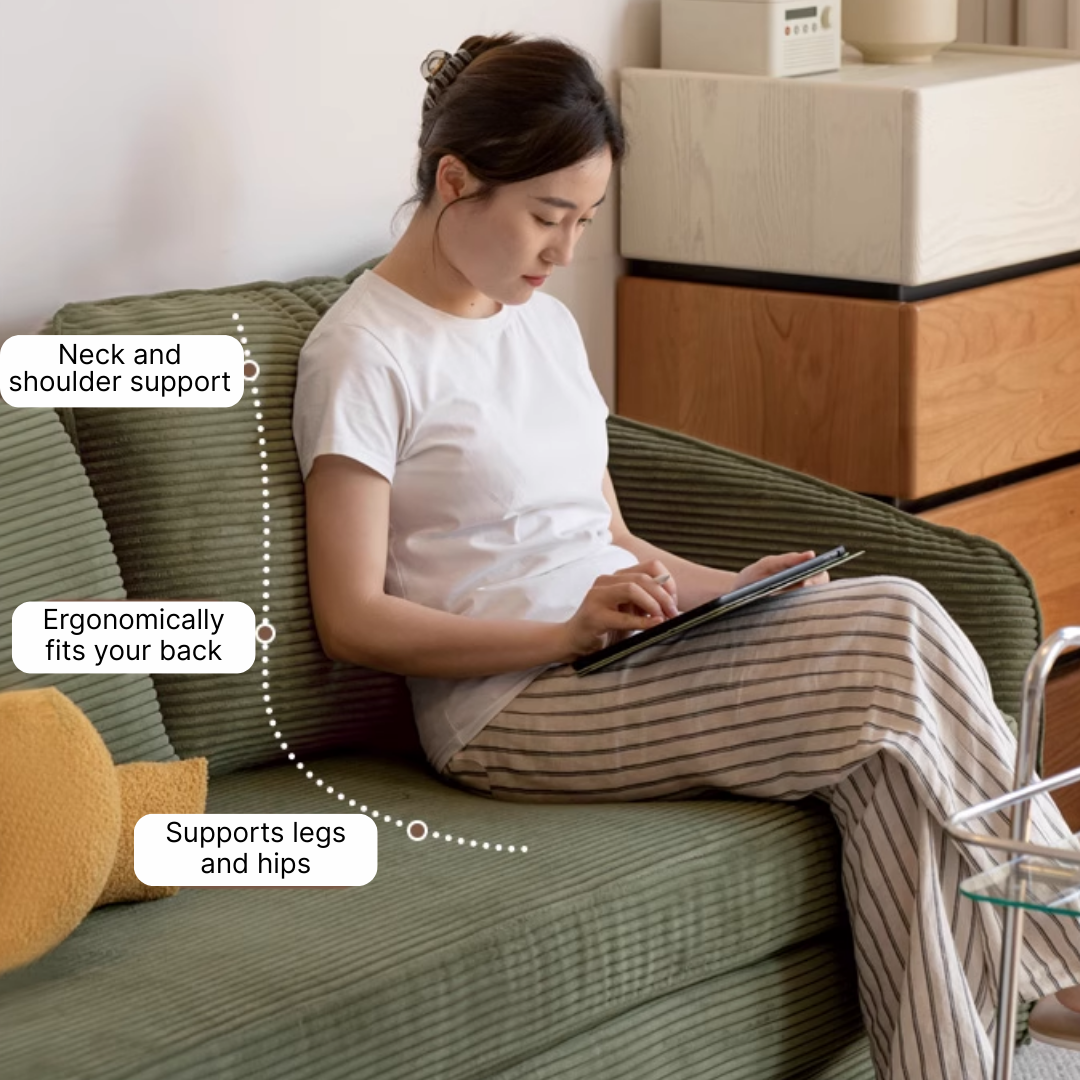
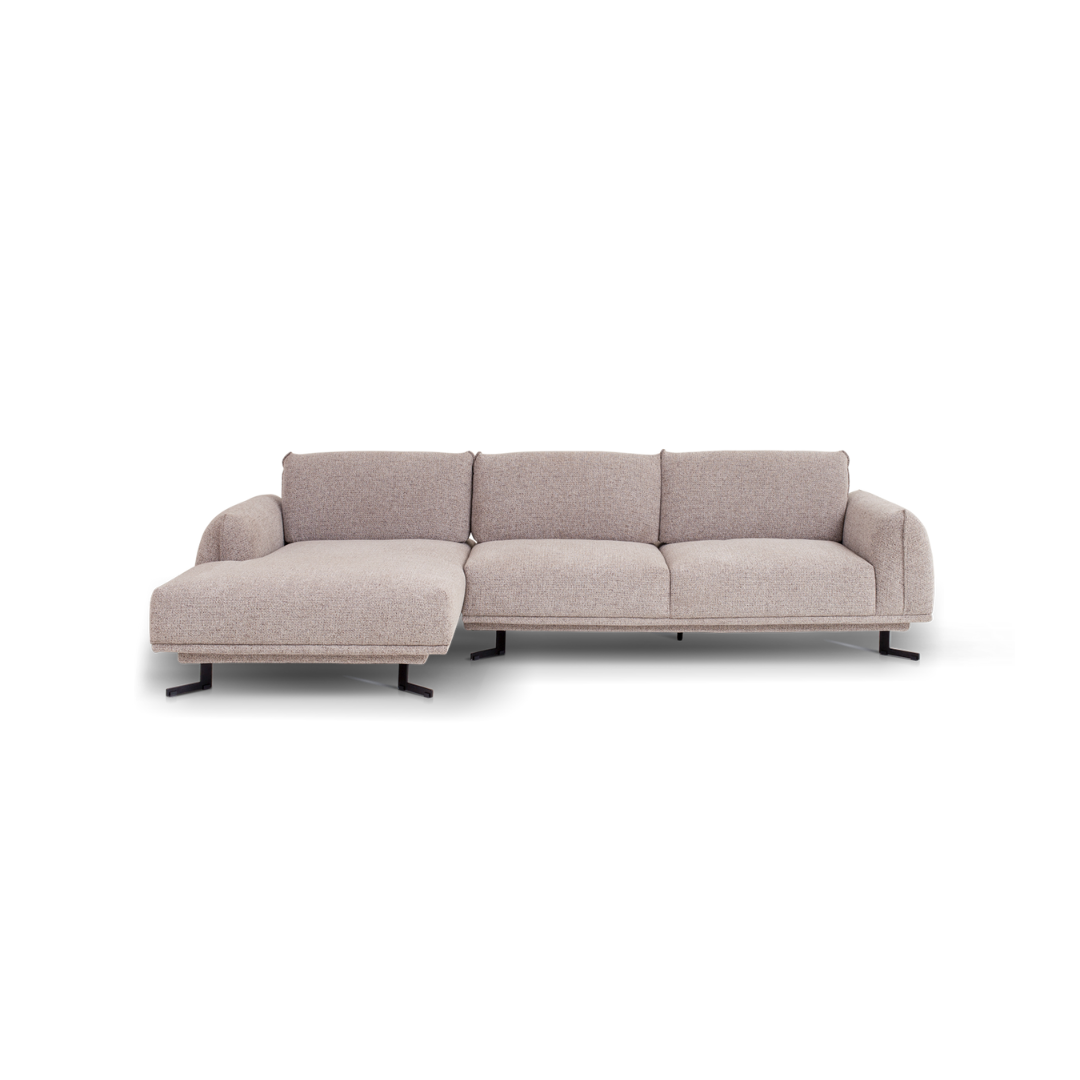
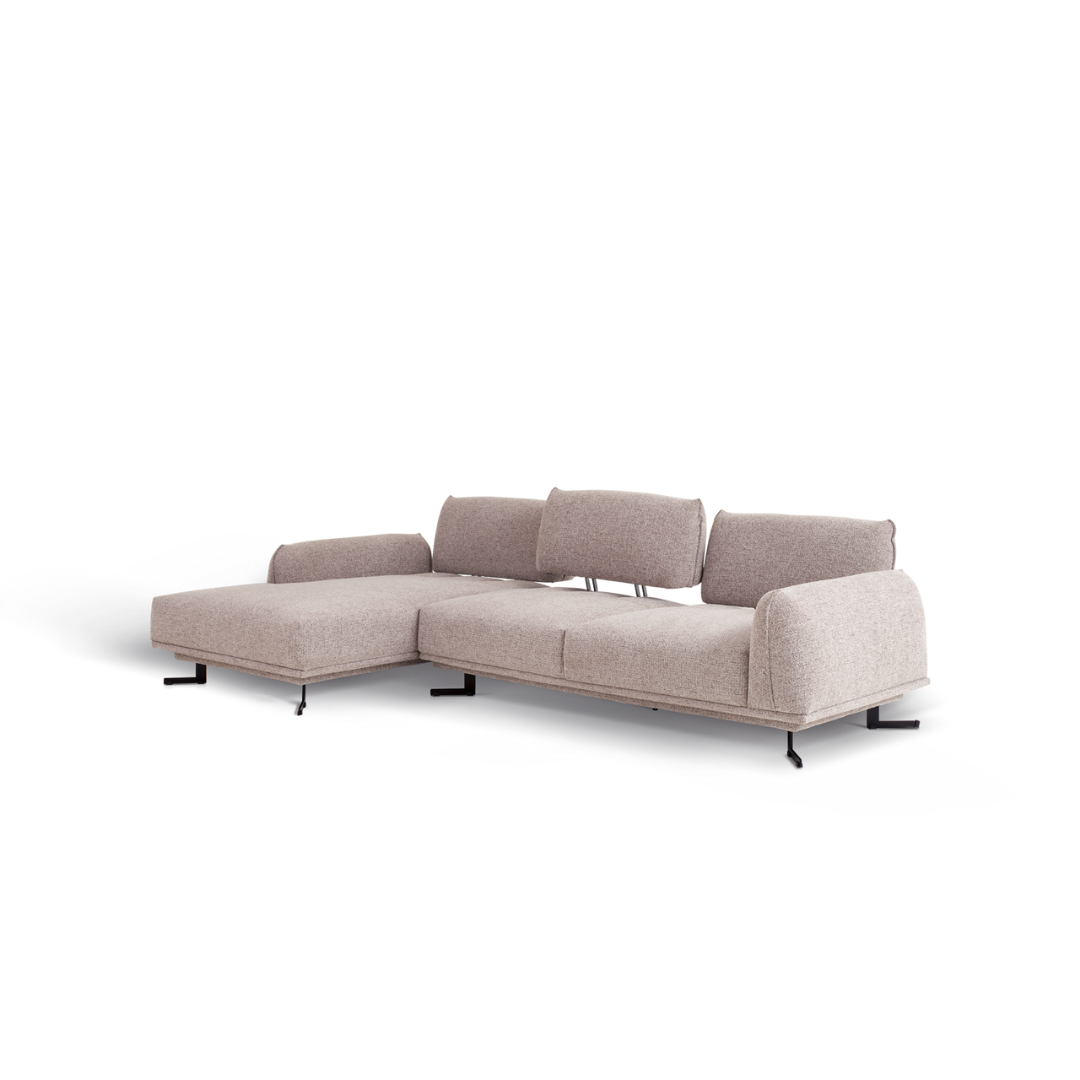
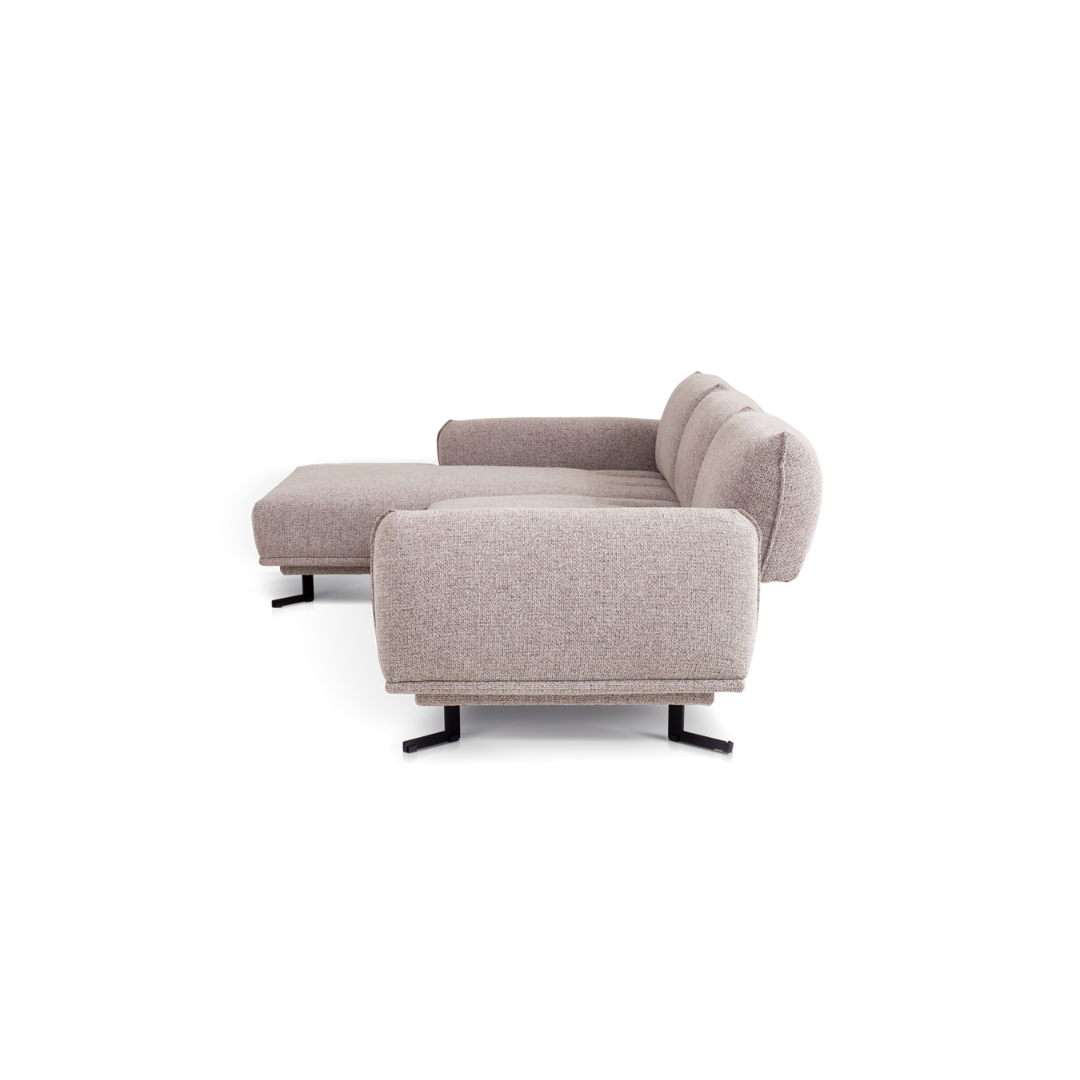
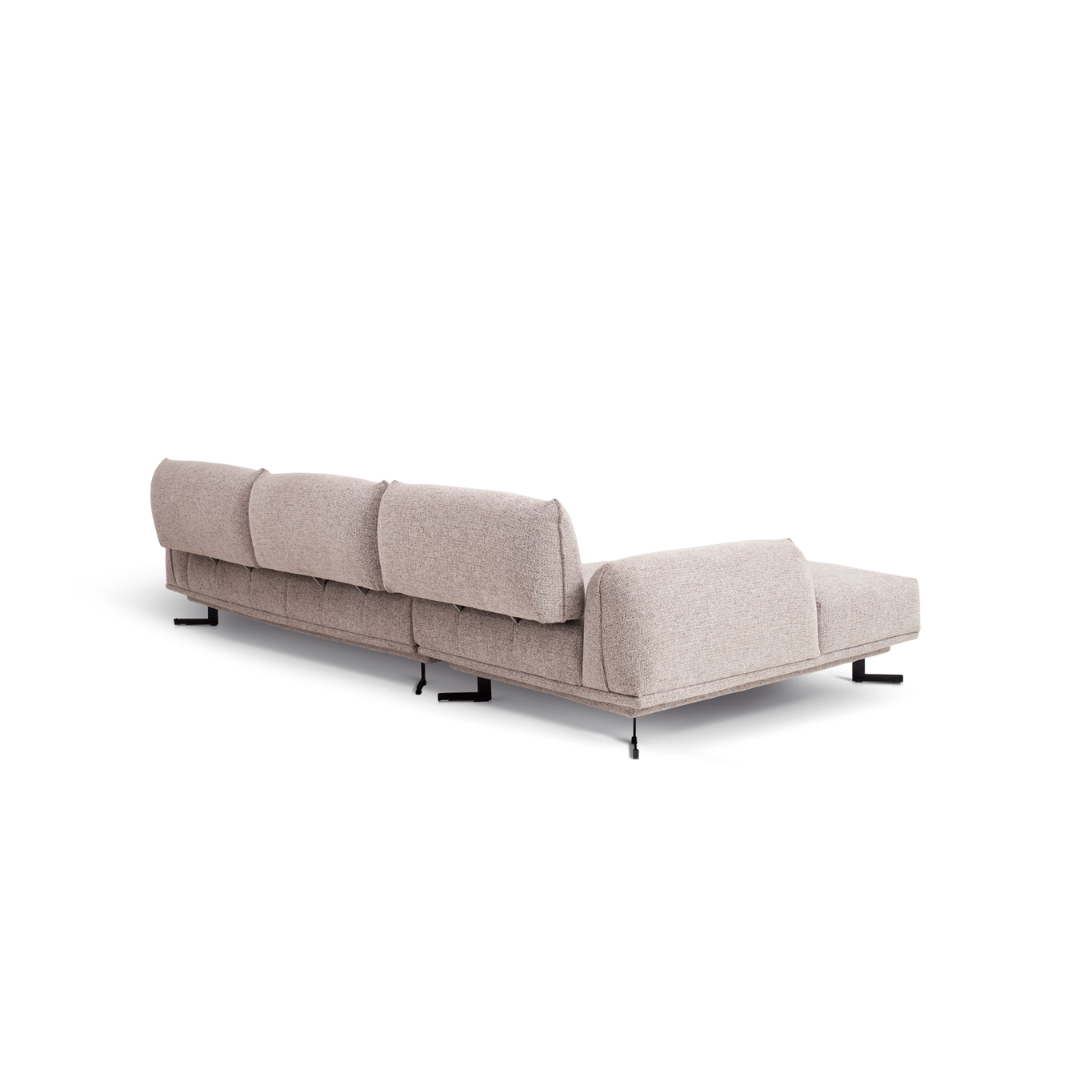
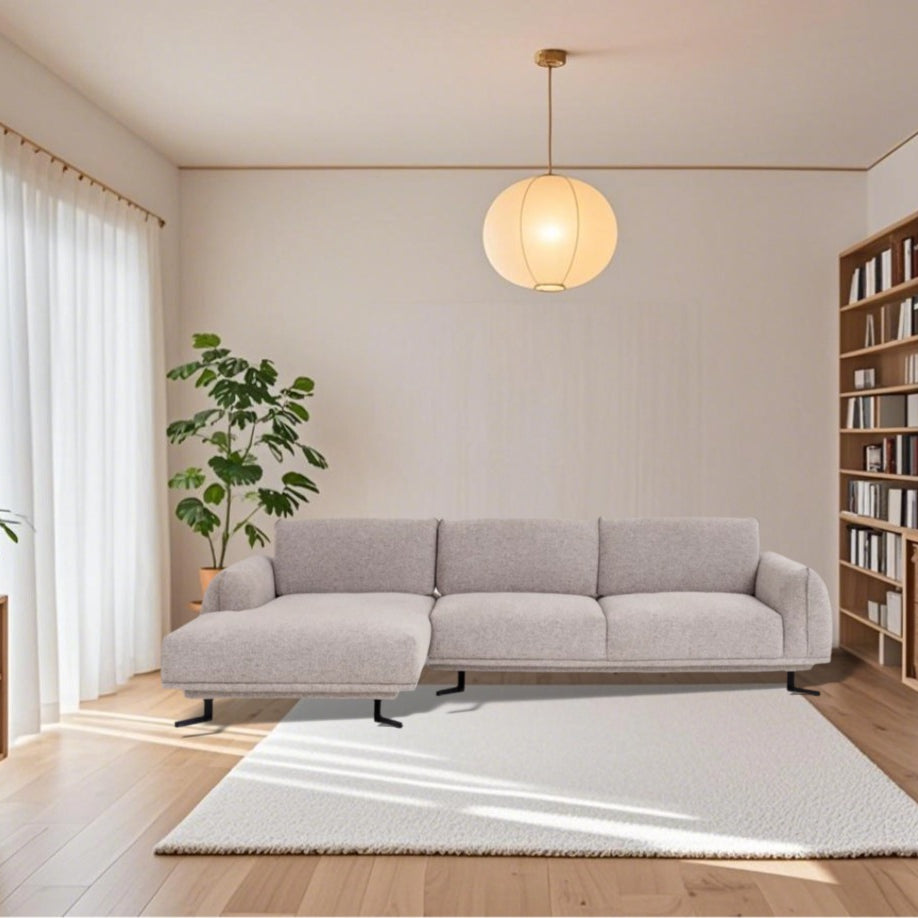
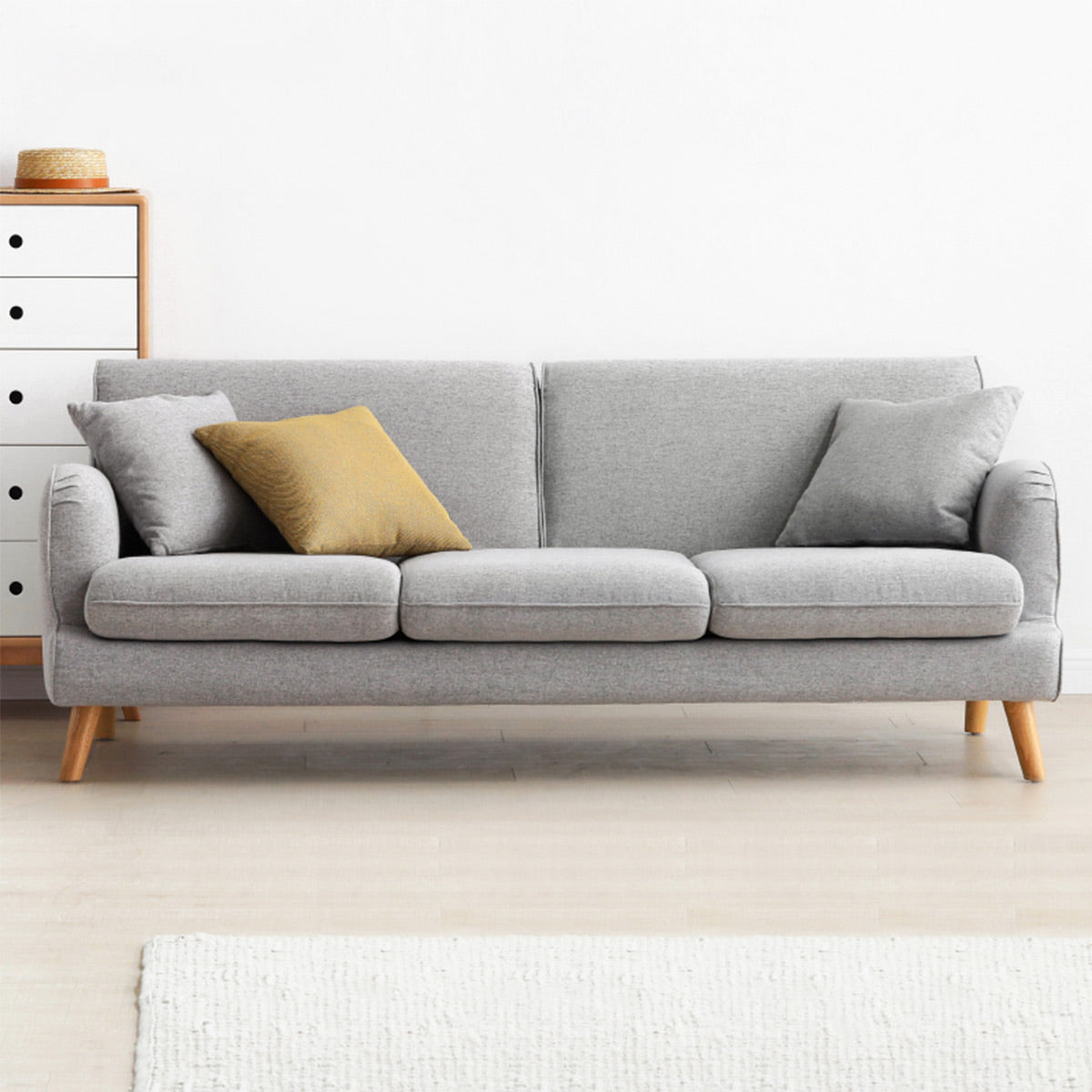
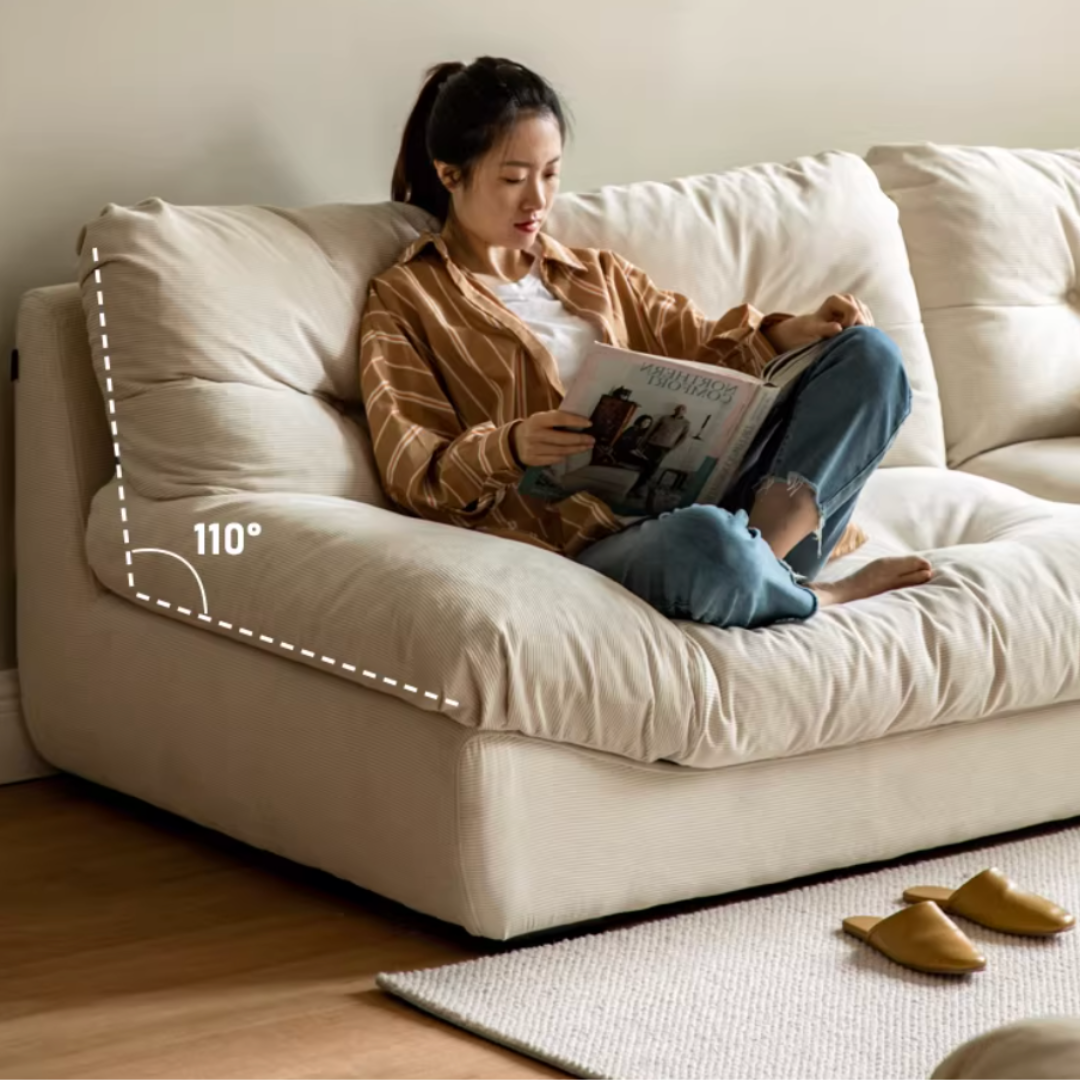
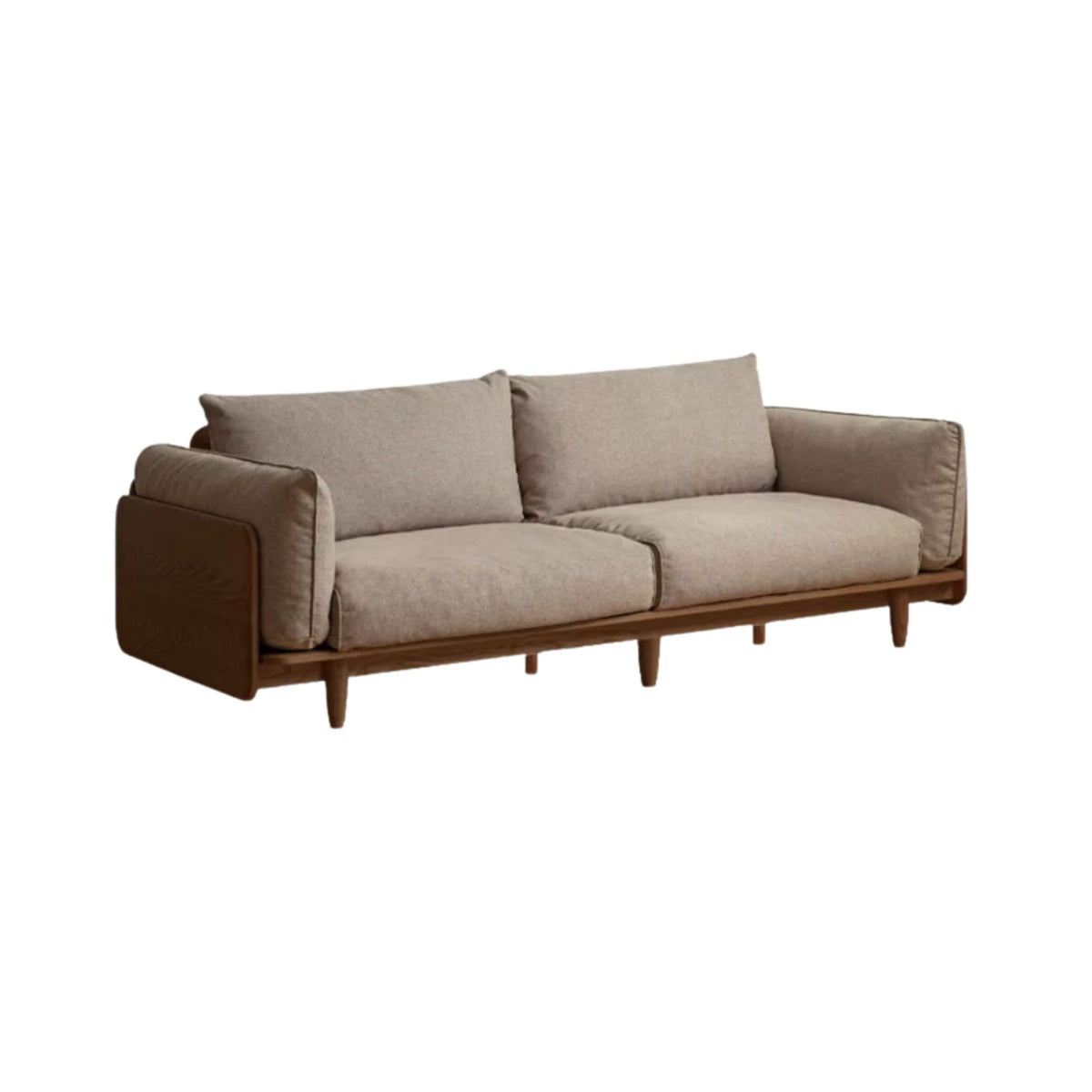
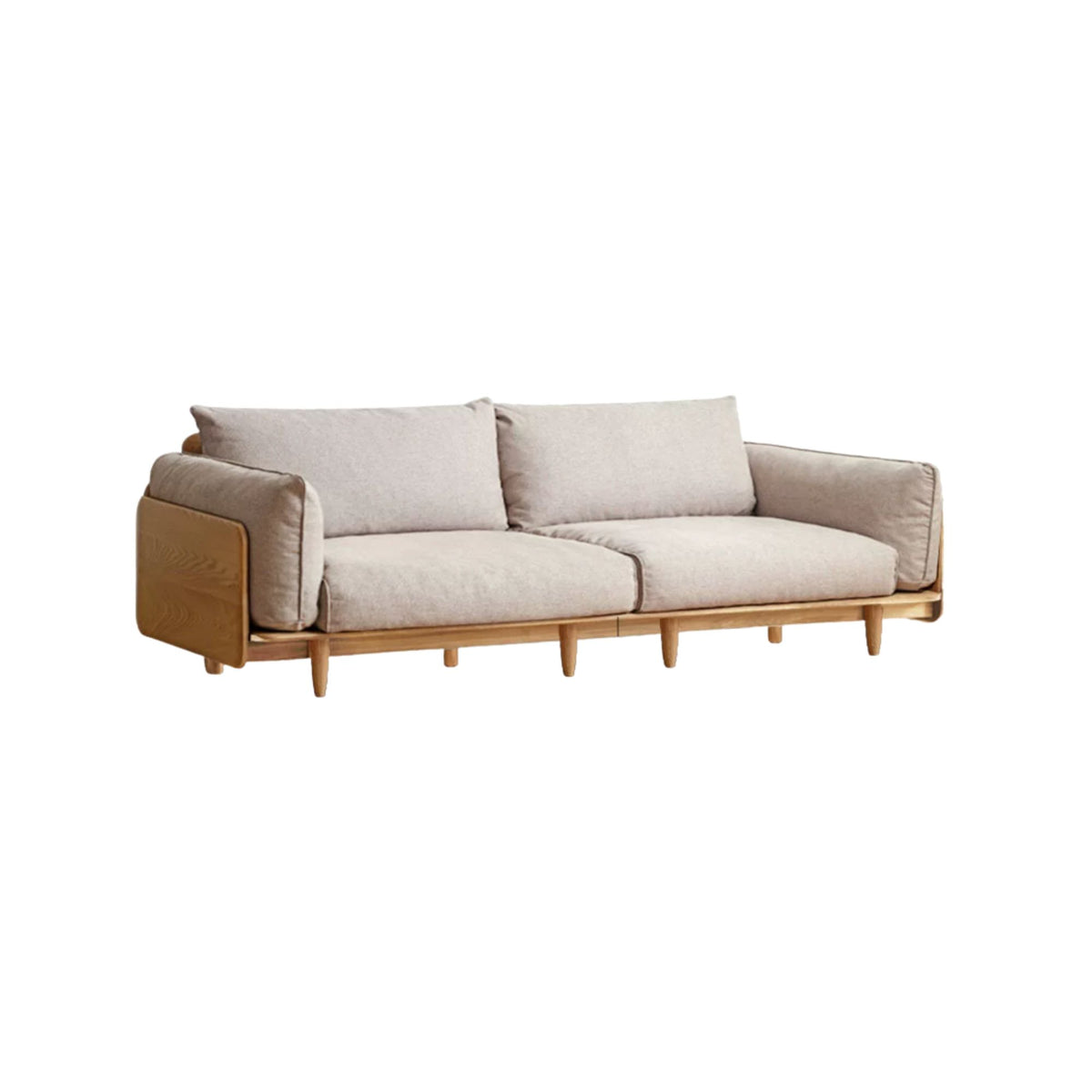
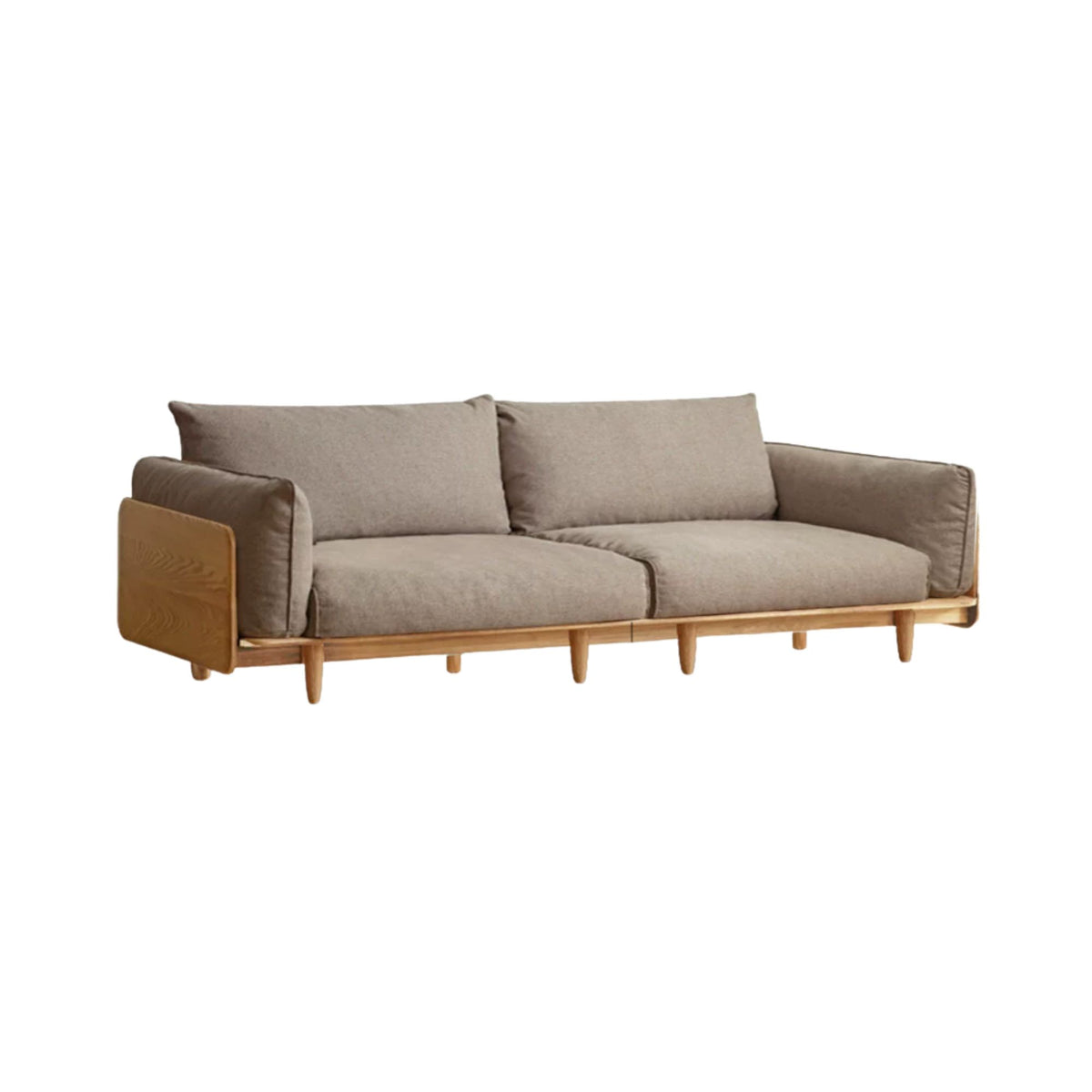
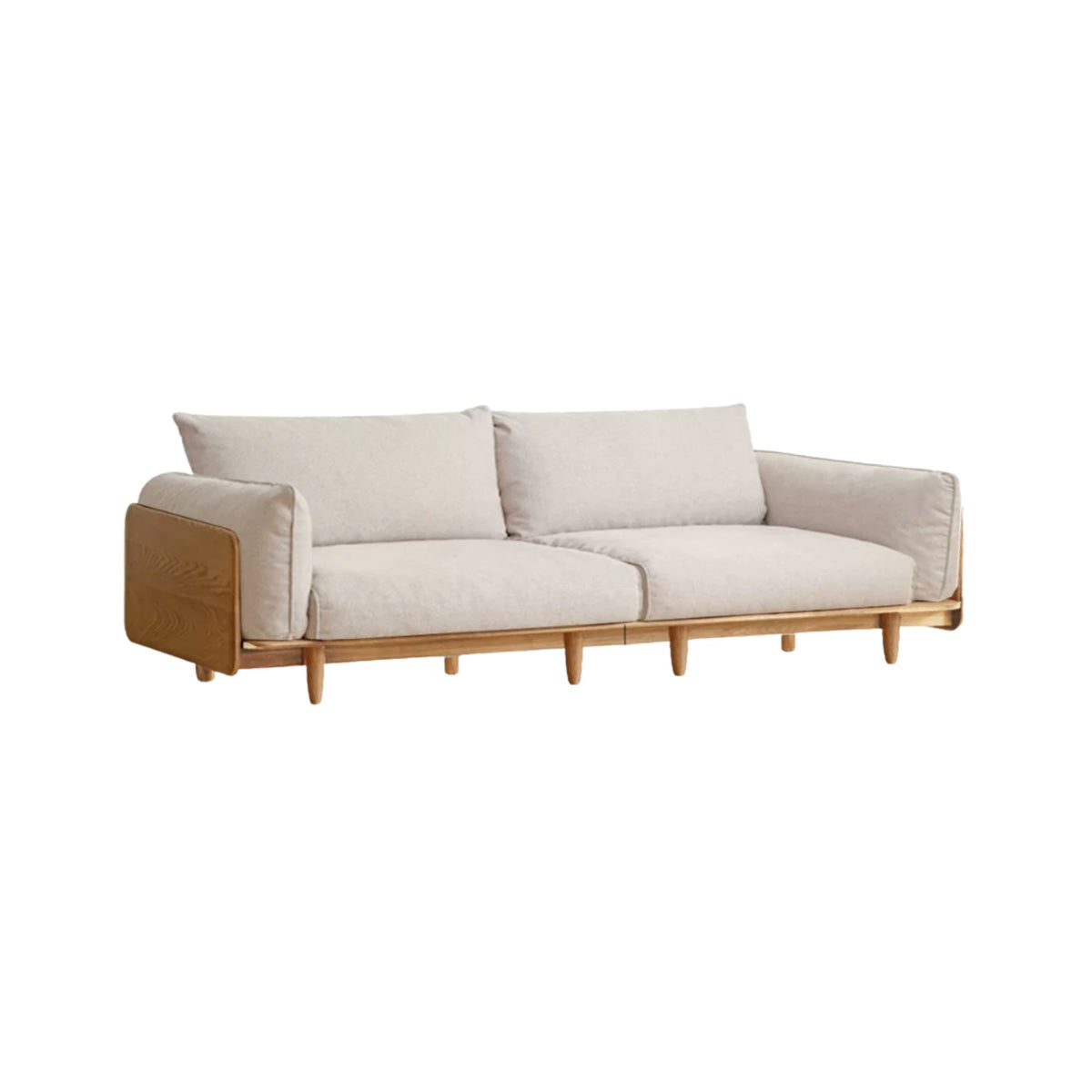
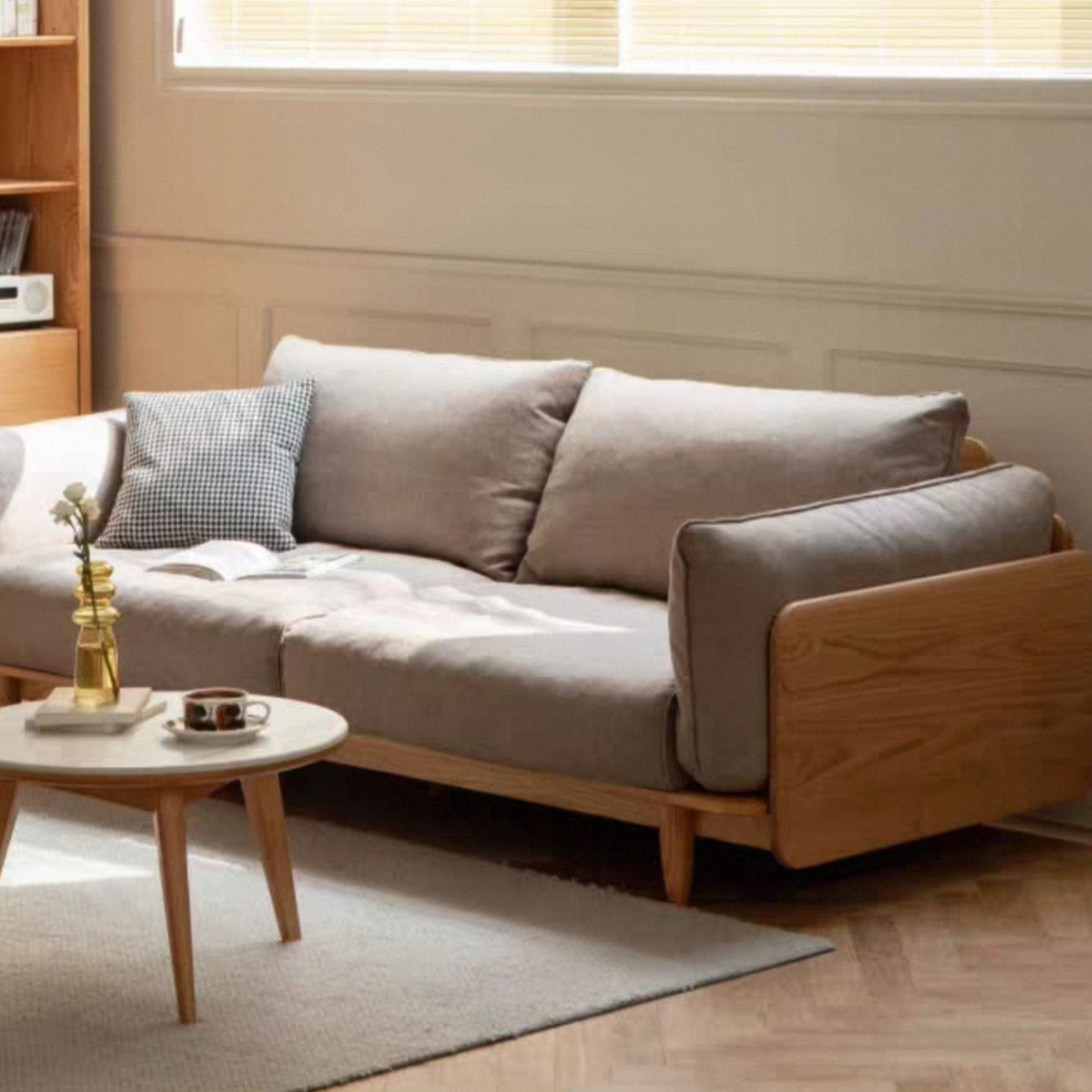
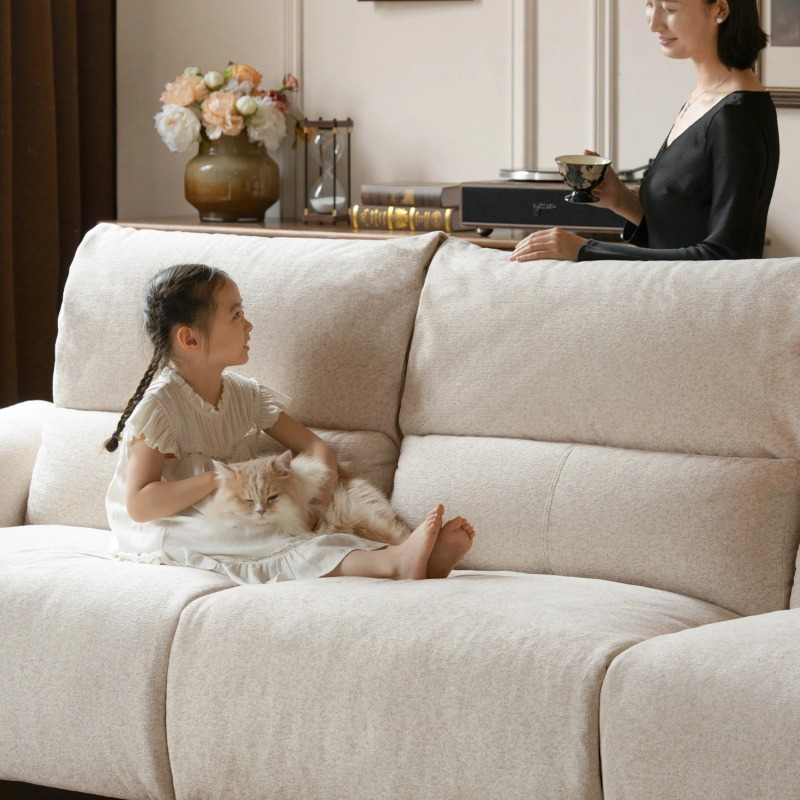
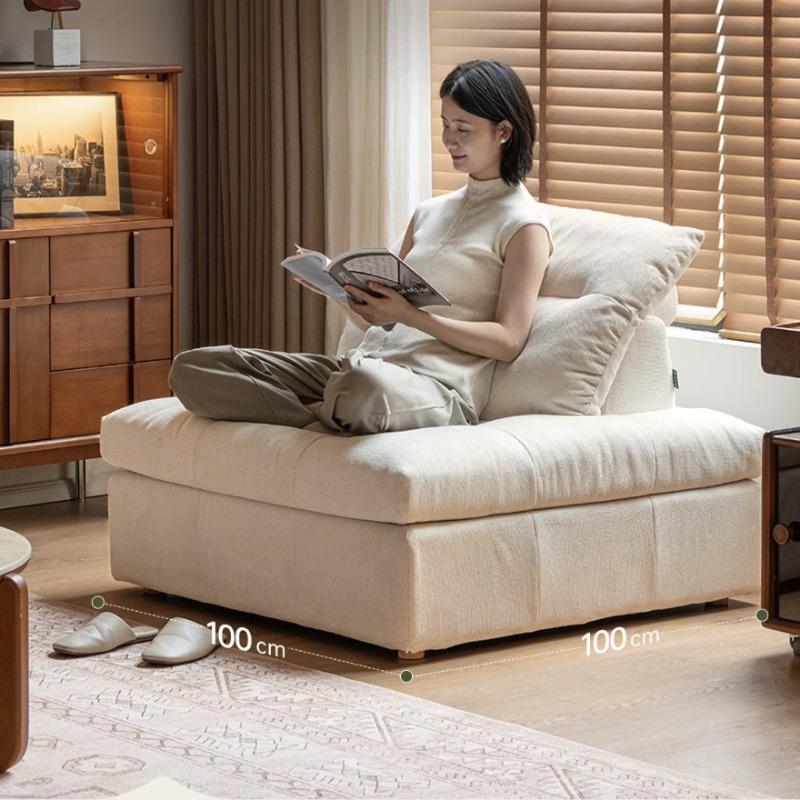
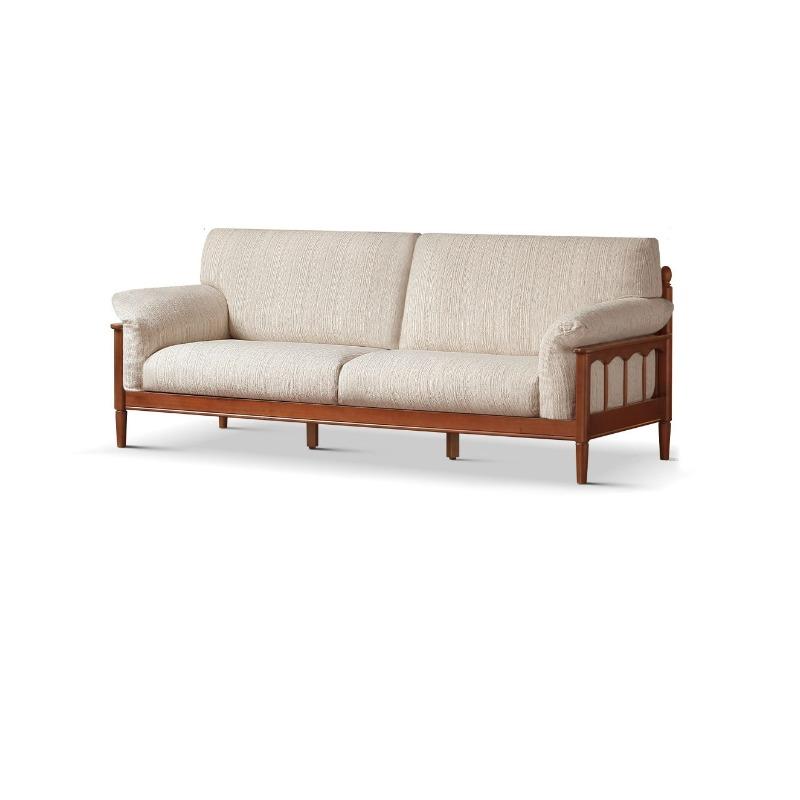
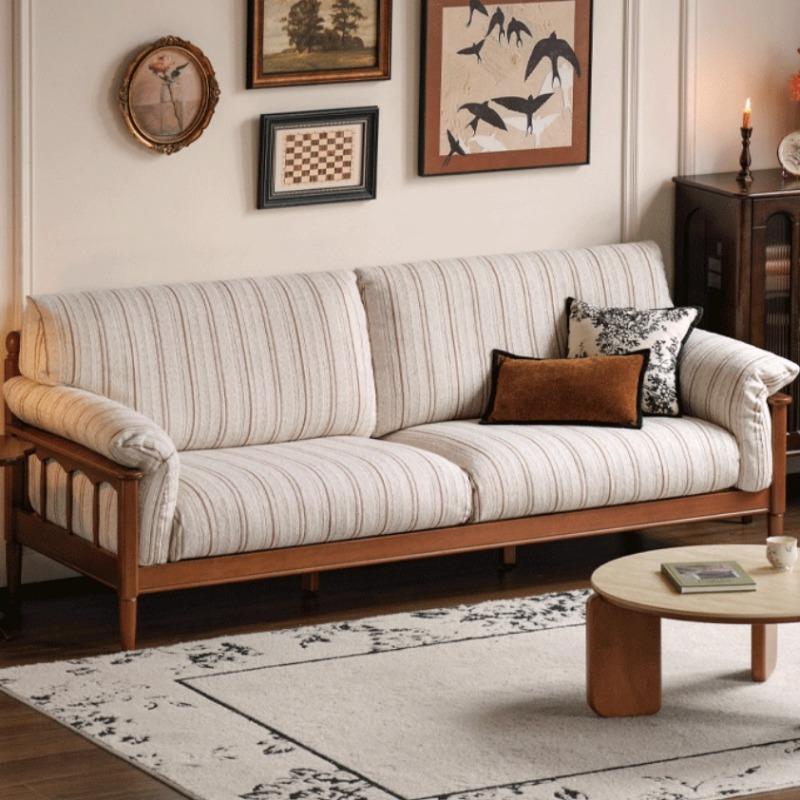
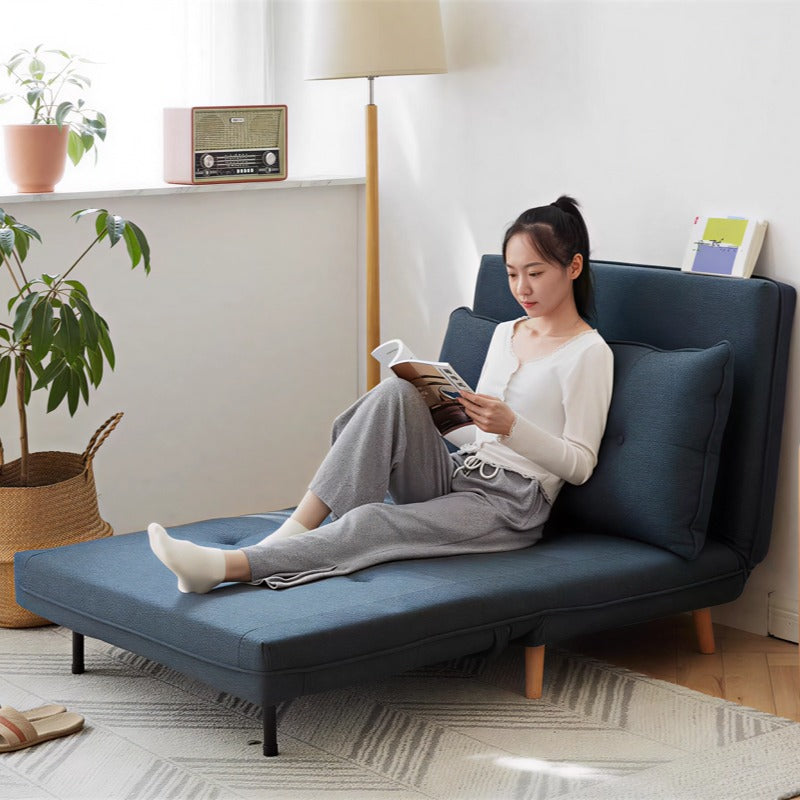
One reason many homeowners prefer a fabric sofa that Singapore residents often recommend is its breathability.
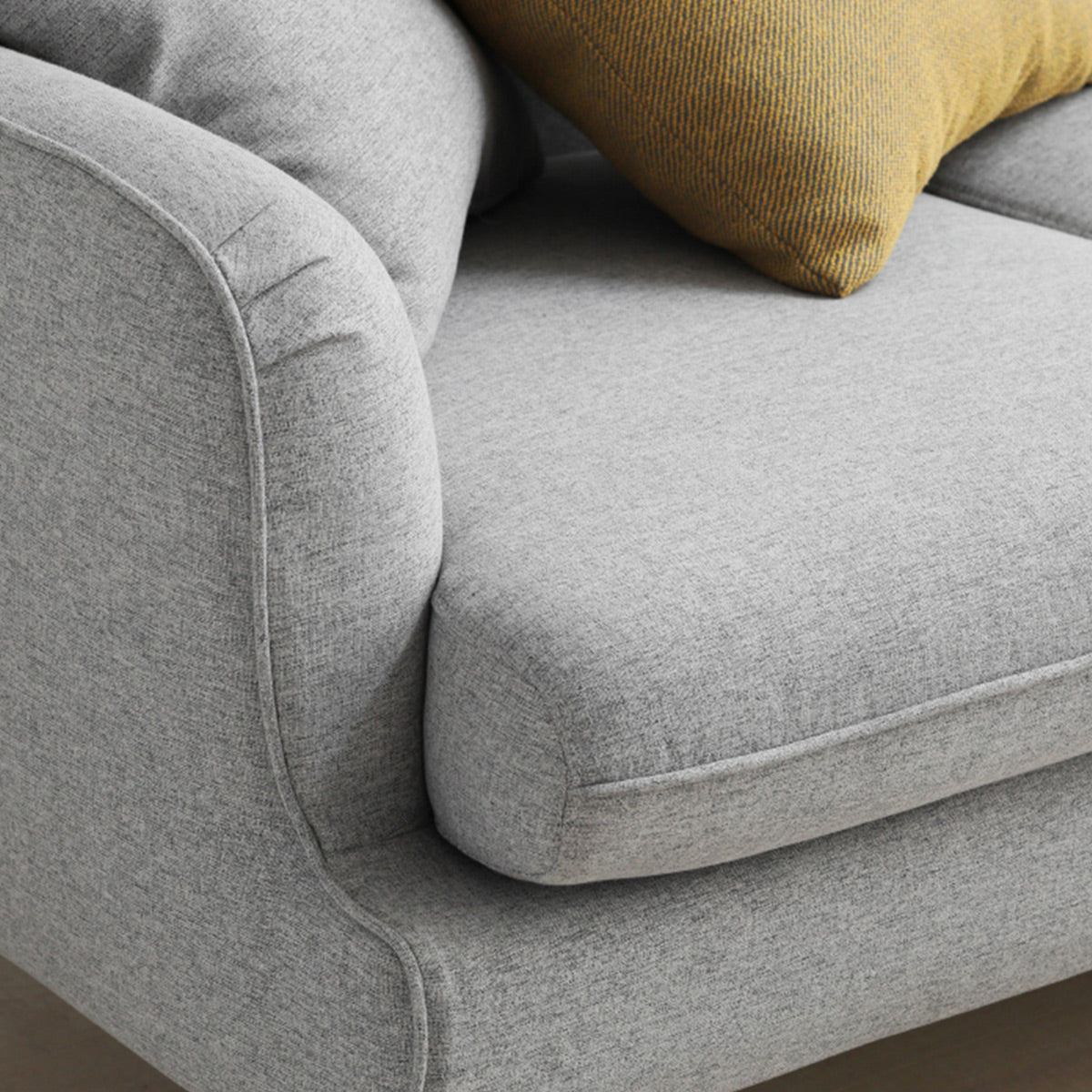
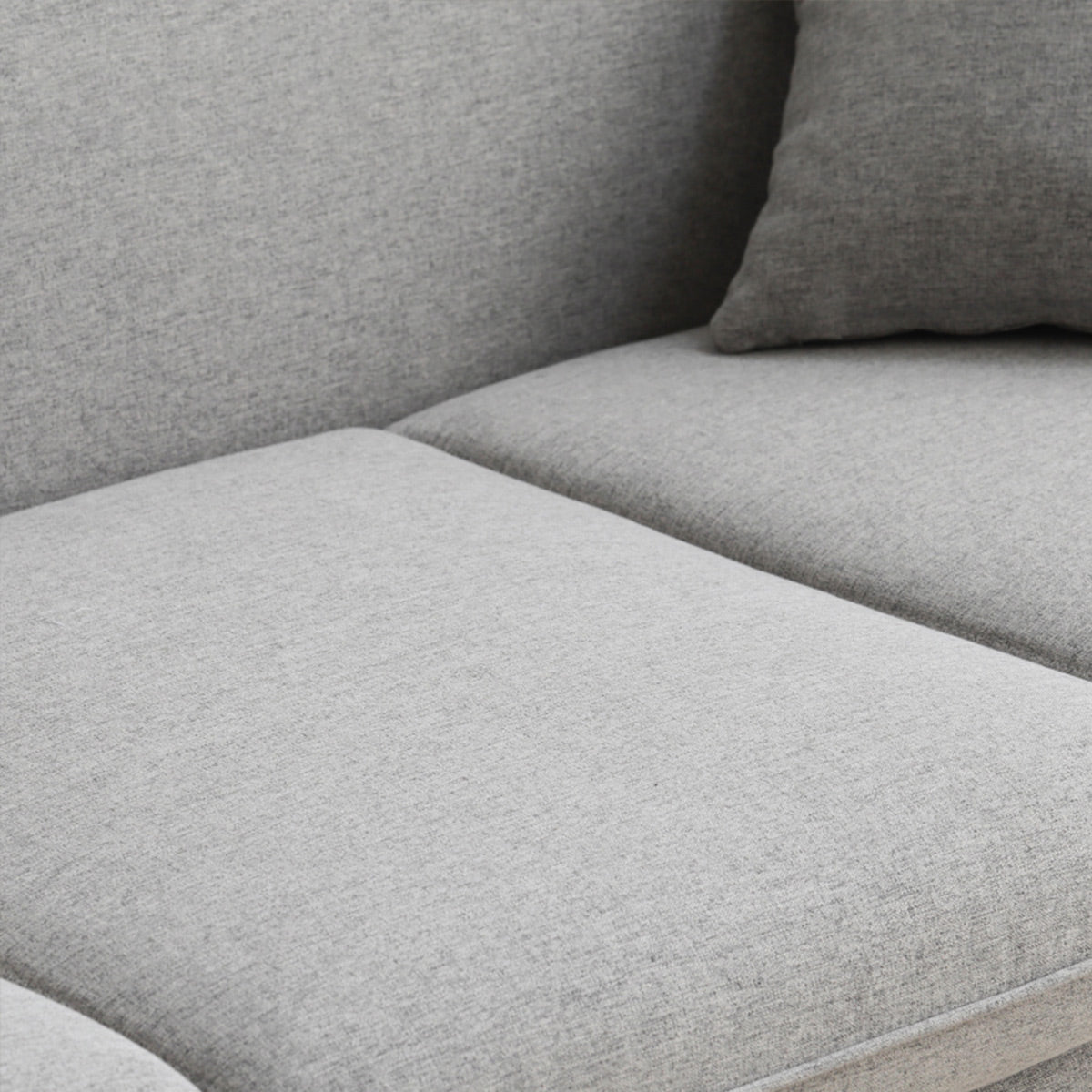
Woven upholstery materials are naturally porous, which allows air to circulate through the fibres. This helps regulate temperature and prevents heat from building up on the surface.
As a result, fabric sofas tend to feel cooler when you sit down, even during warmer periods of the day. This is particularly beneficial in homes where air conditioning is not running around the clock.
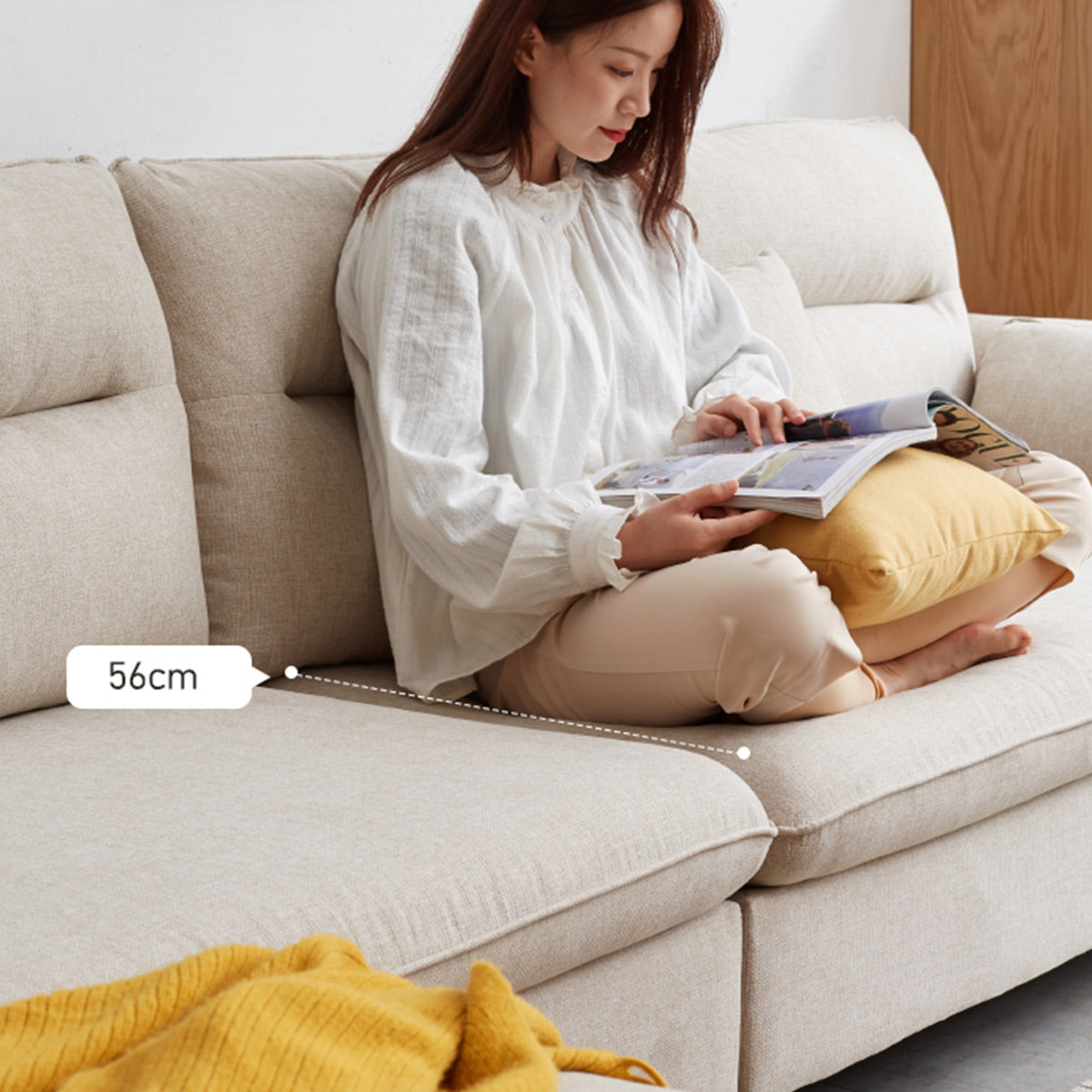
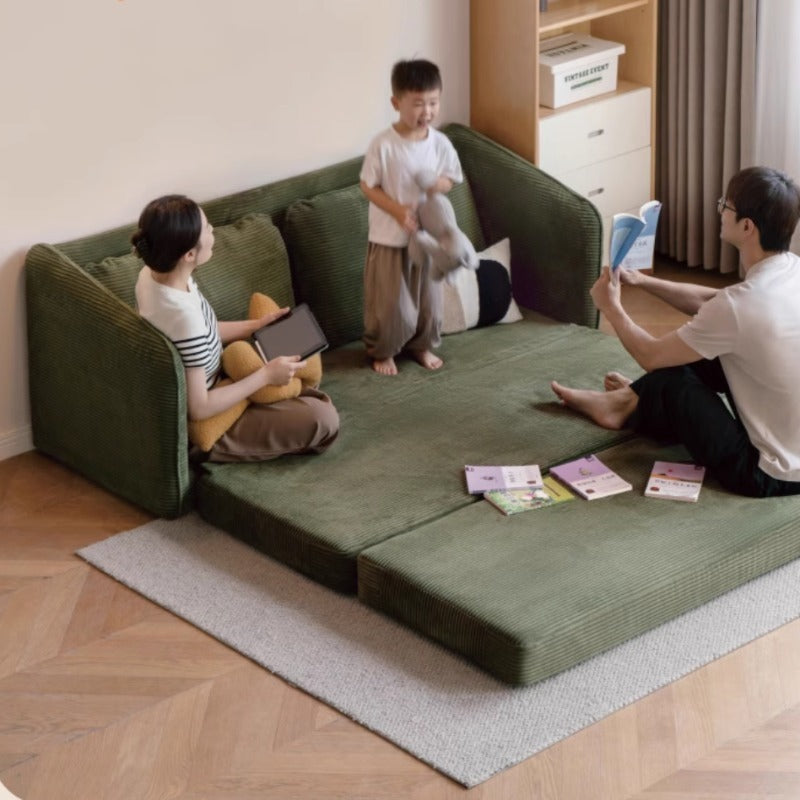
Natural or blended fabrics also help reduce the “sticky” feeling that sometimes occurs when sitting on less breathable surfaces. The material absorbs small amounts of moisture and allows airflow, making it more comfortable for extended lounging.
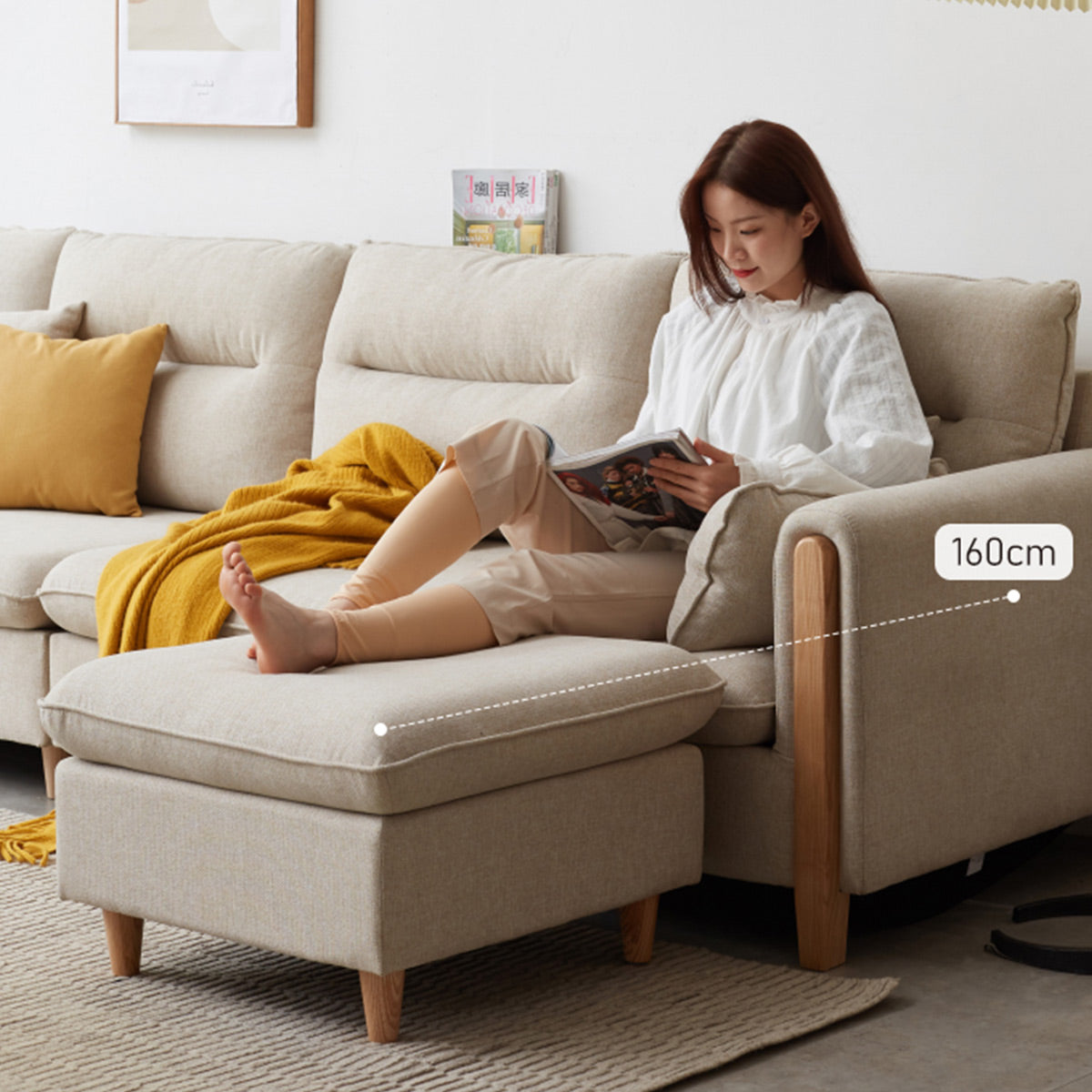
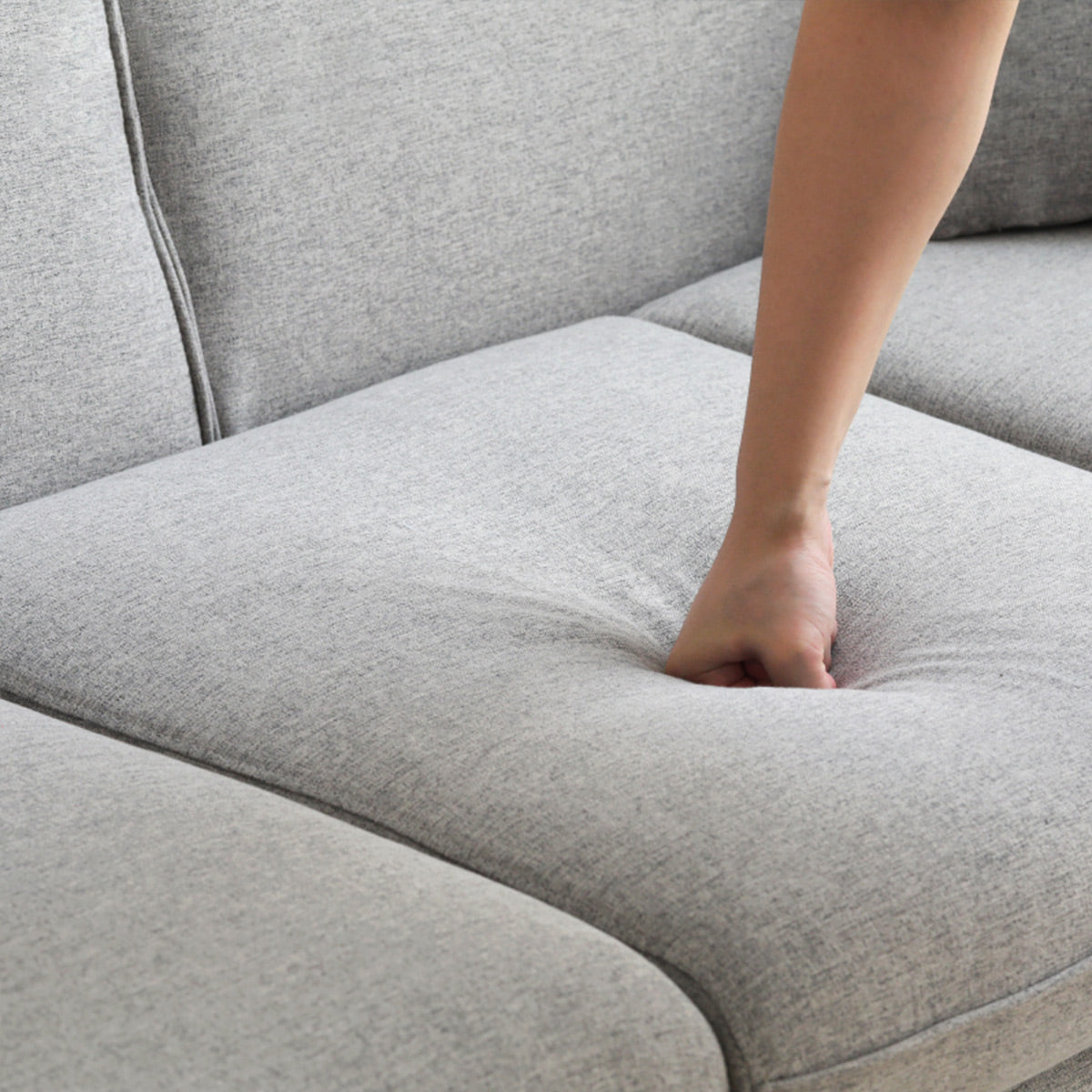
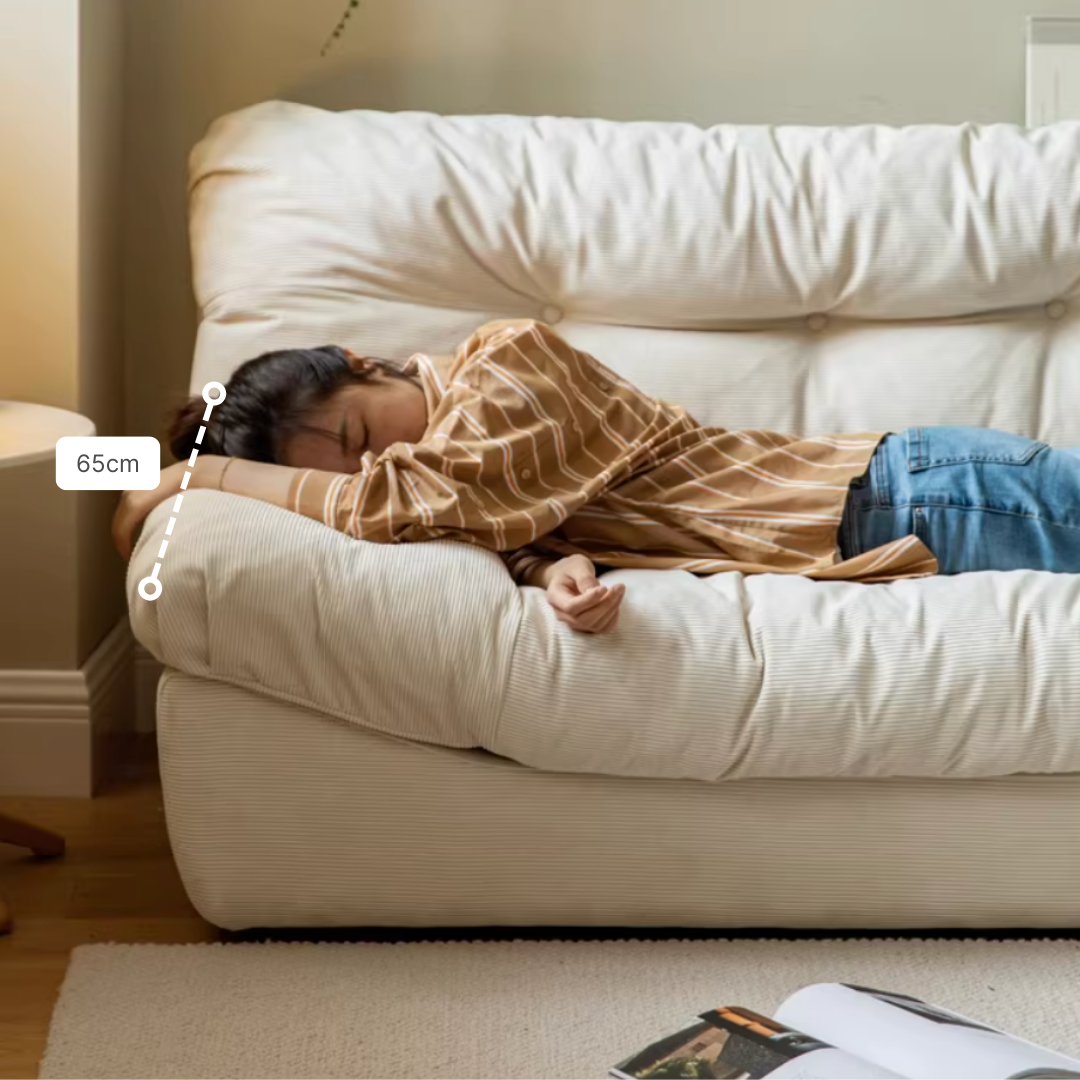
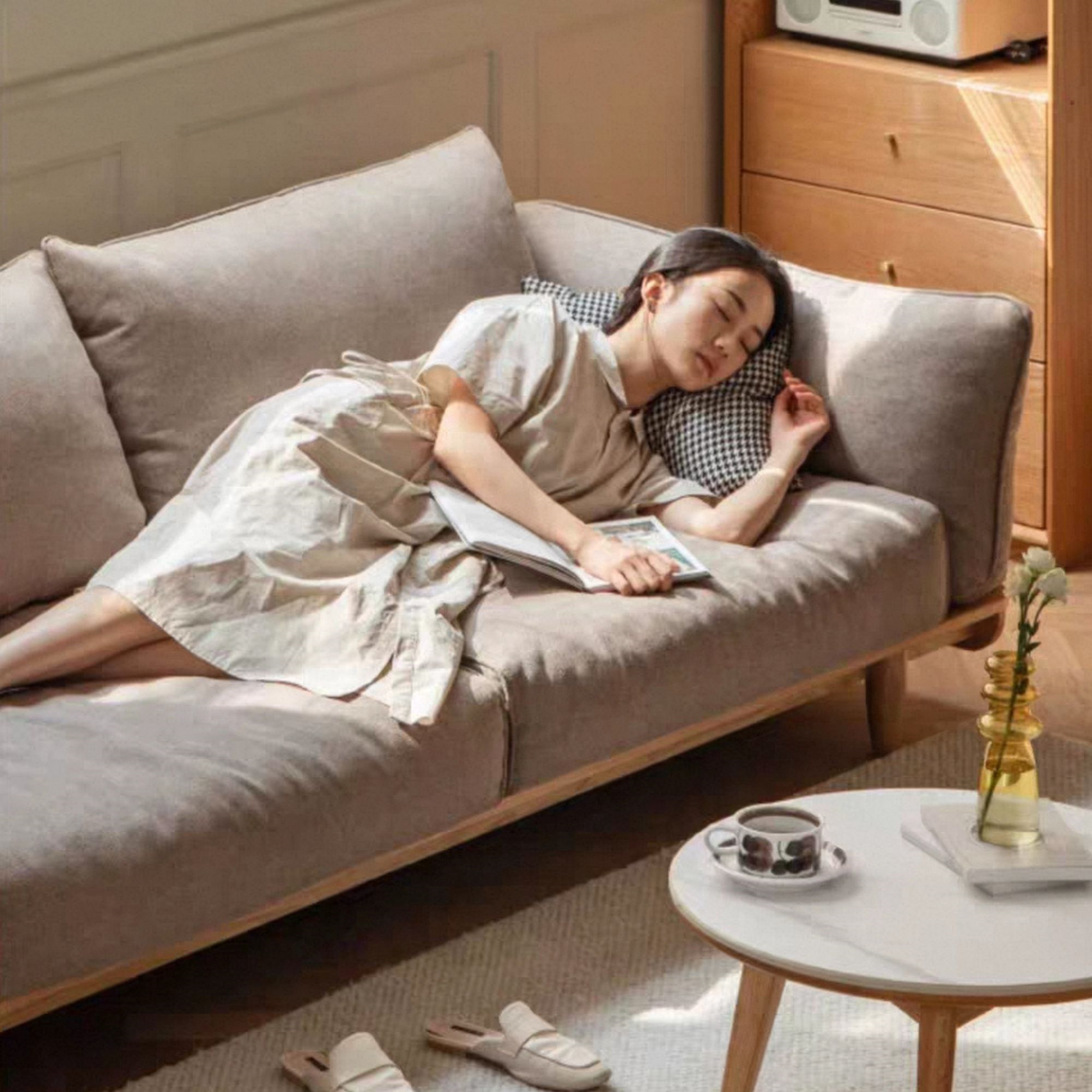
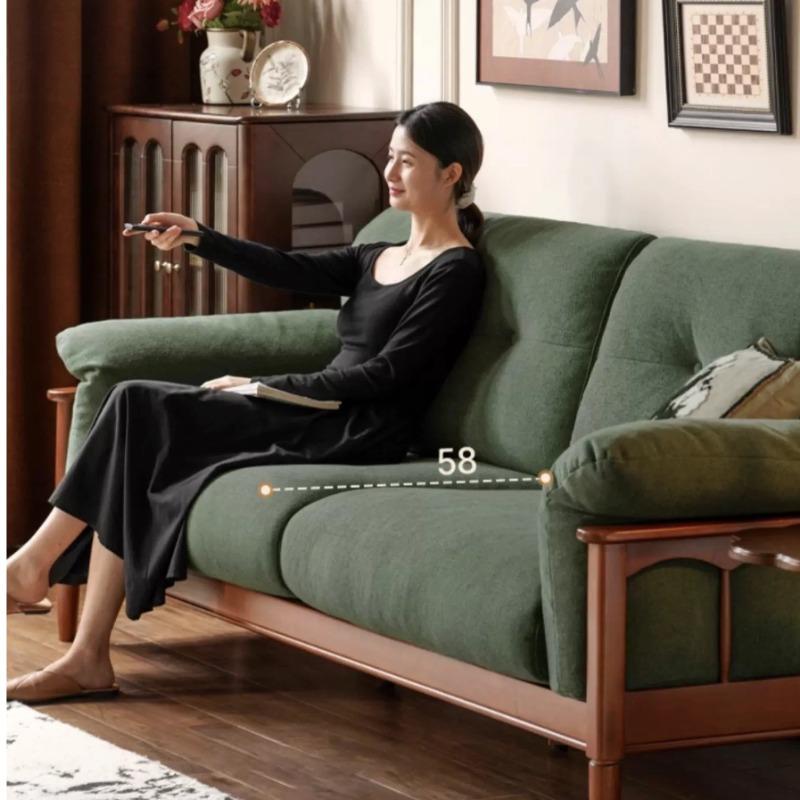
For households that value softness and everyday comfort, fabric remains one of the most practical options for a living room.
How Leather Reacts to Singapore’s Tropical Sun
While leather sofas are known for their elegant appearance, they respond differently to heat and humidity.
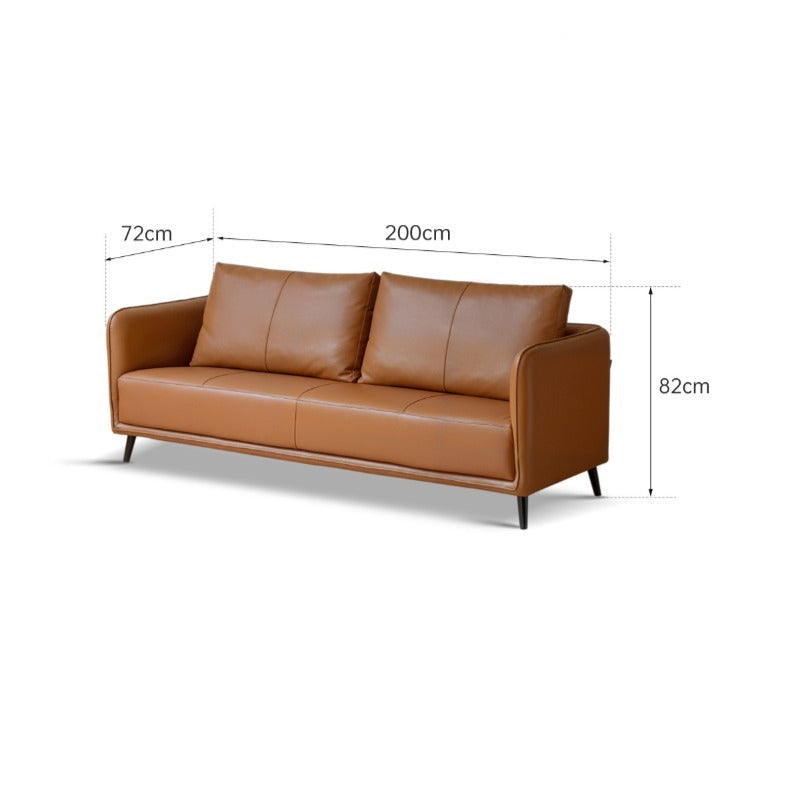
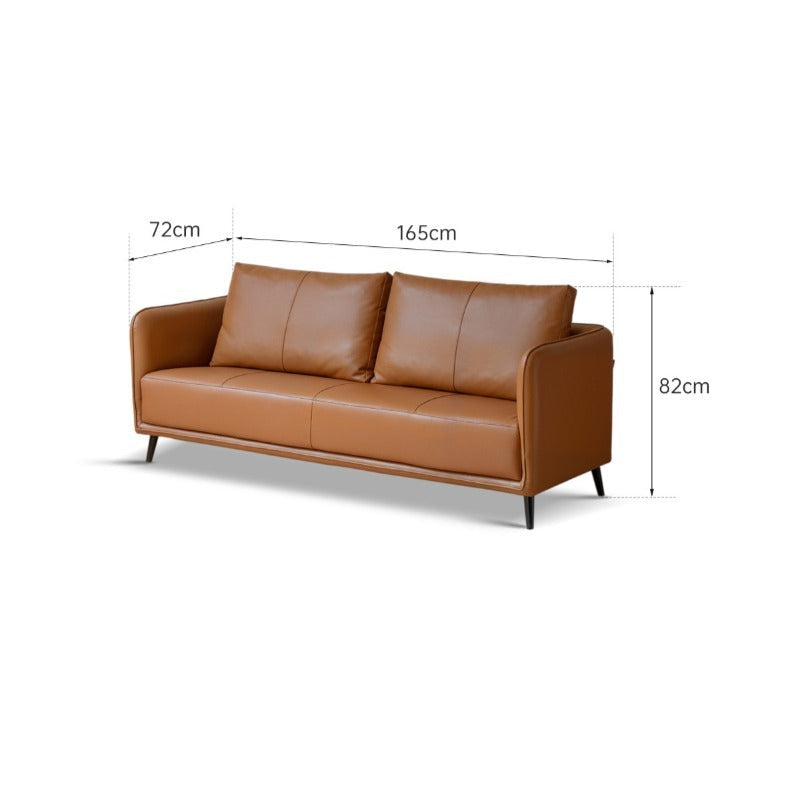
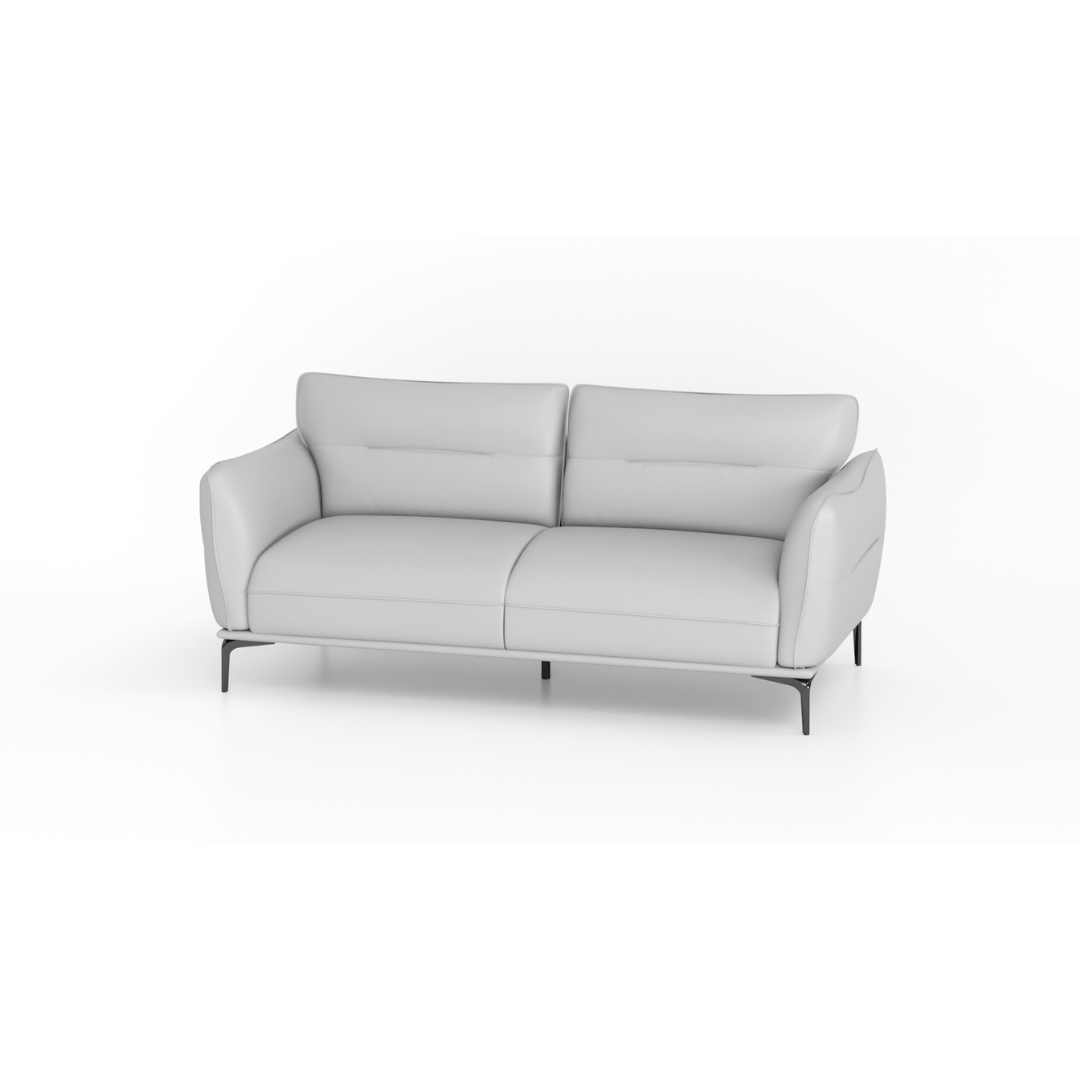
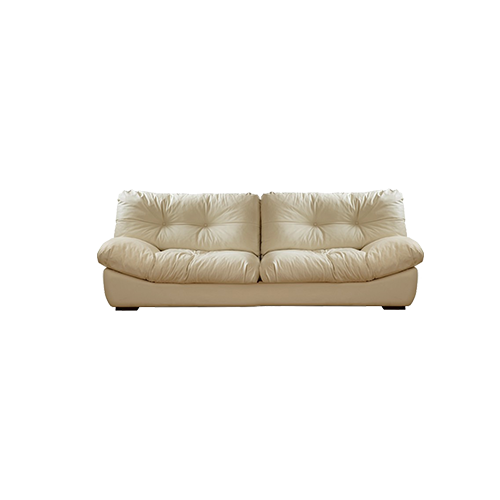
Leather tends to absorb ambient temperature more easily. If placed near windows or exposed to direct sunlight, a leather sofa Singapore homeowners purchase may feel noticeably warm when first sat on.
Humidity can also affect how leather feels against the skin. During particularly humid days, the surface may feel slightly tacky or damp.
Fortunately, this can be managed with proper placement and care. Positioning the sofa away from direct sunlight and ensuring adequate ventilation can help maintain a comfortable seating surface.
Air-conditioned living rooms also help reduce humidity levels, making leather seating more pleasant to use.
Maintenance and Durability Against Moisture
In a humid climate, maintenance becomes an important factor when selecting furniture. Moisture, dust, and airborne particles can affect upholstery differently depending on the material.
Keeping Your Fabric Sofa Singapore Fresh
Maintaining a fabric sofa in Singapore homes requires a little routine care, but modern upholstery designs make this easier than ever.
One common concern in humid environments is dust mites and allergens, which can settle into fabric fibers over time. Regular vacuuming and occasional deep cleaning help keep these issues under control.
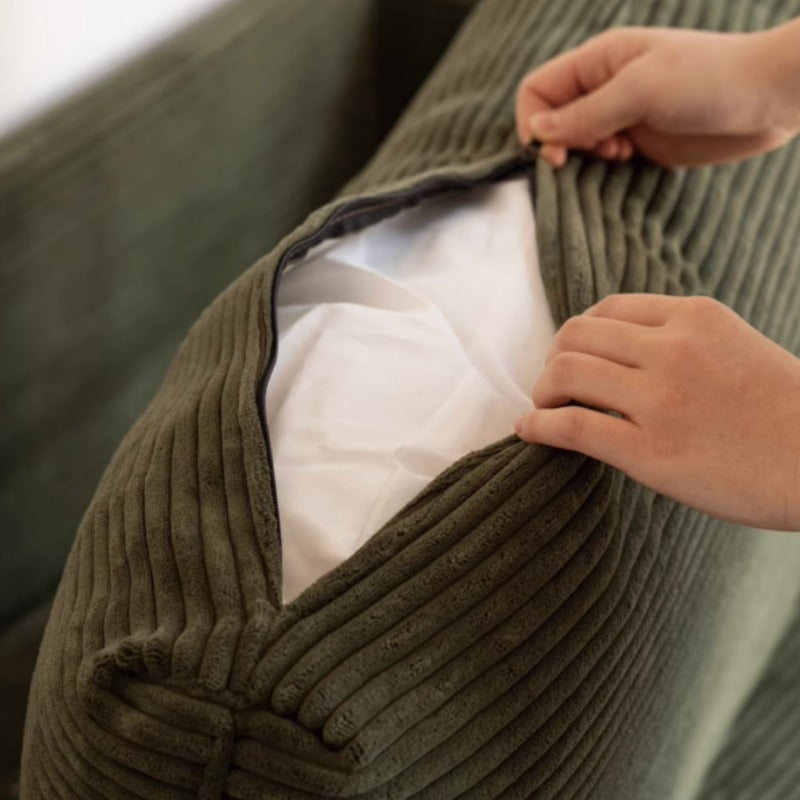
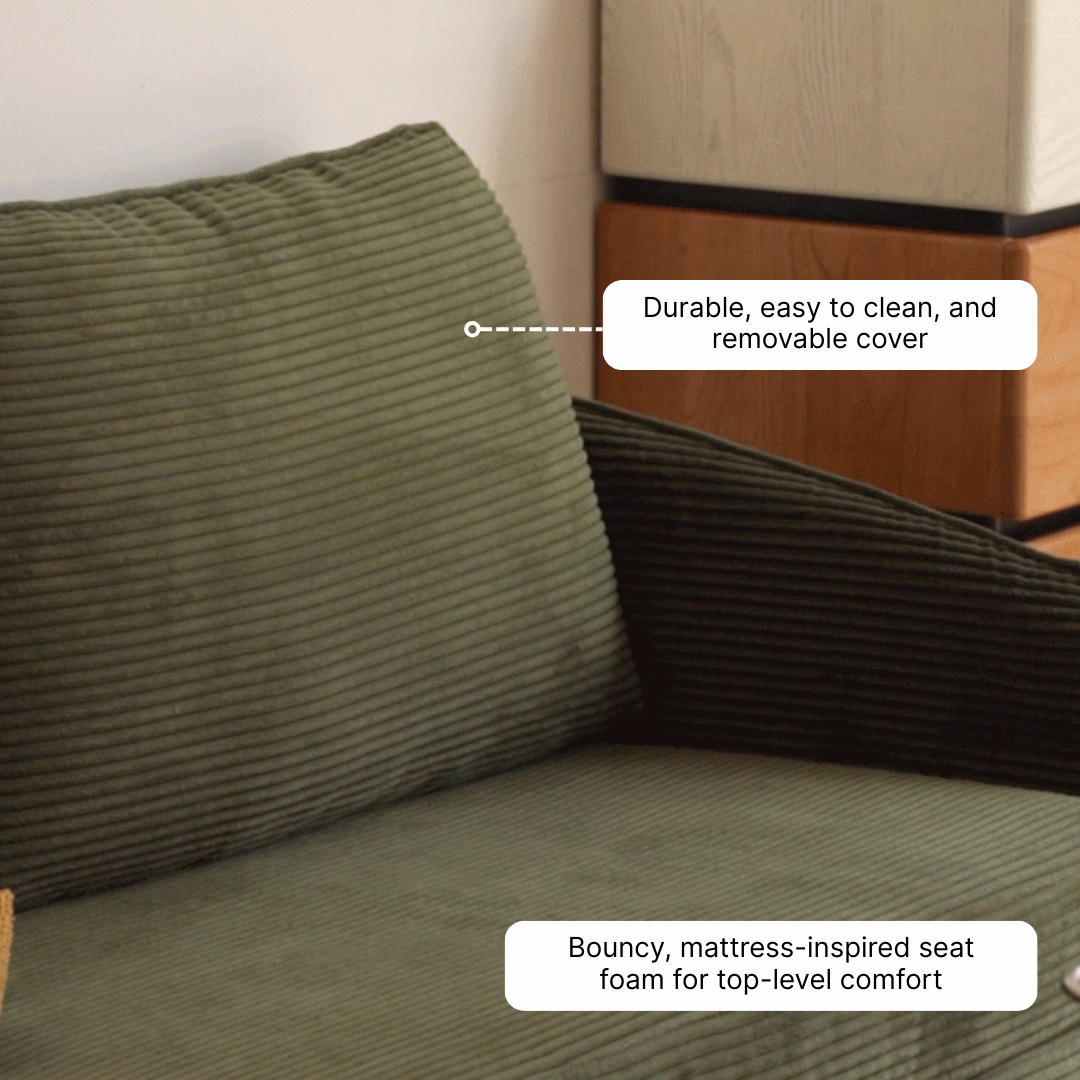
Choosing sofas with removable and washable covers can be especially helpful. This allows you to clean the upholstery periodically, keeping the sofa fresh even in a humid climate.
Moisture absorbers or dehumidifiers placed in the living room can also help prevent musty smells from developing in the fabric.
With the right care routine, fabric sofas can remain comfortable and hygienic for many years.
Protecting Your Leather Sofa Singapore from Mold
Leather furniture requires a different type of maintenance.
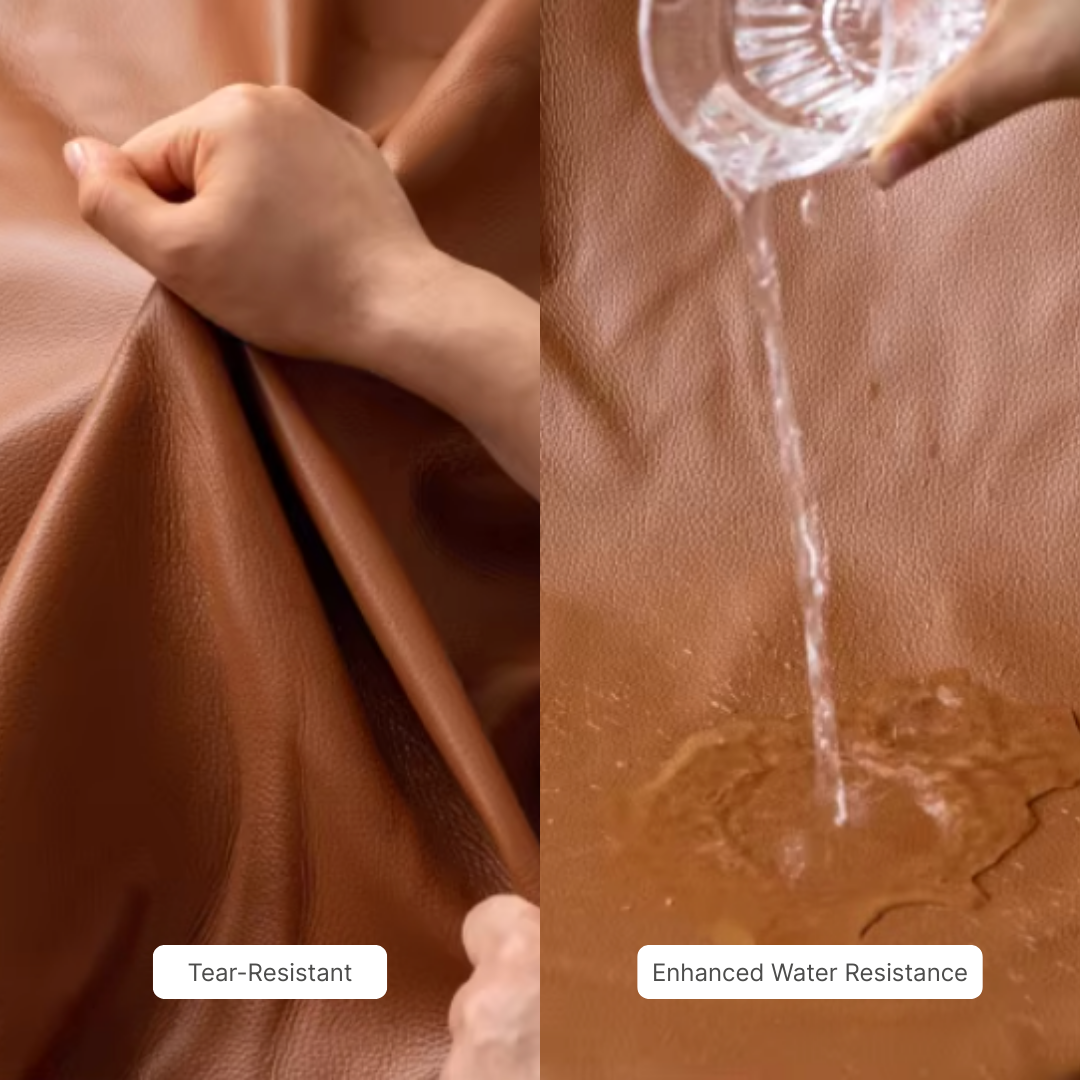
In humid climates, untreated leather can be vulnerable to mildew or mould if moisture accumulates on the surface. Fortunately, most modern leather sofas Singapore retailers offer are treated to resist moisture and staining.
A simple routine of wiping down the sofa with a soft cloth helps remove humidity and surface dust before it becomes an issue.
Conditioning the leather occasionally also helps maintain flexibility and prevents cracking over time.
One advantage leather has over fabric is its resistance to spills. Liquids typically sit on the surface rather than soaking in, allowing them to be wiped away quickly.
For households concerned about accidental spills or food stains, leather can be a practical choice.
Style and Longevity in Local Homes
Beyond comfort and maintenance, aesthetics also play an important role in choosing a sofa. The material you select will influence the overall character of your living room.
Matching Your Interior Design Theme
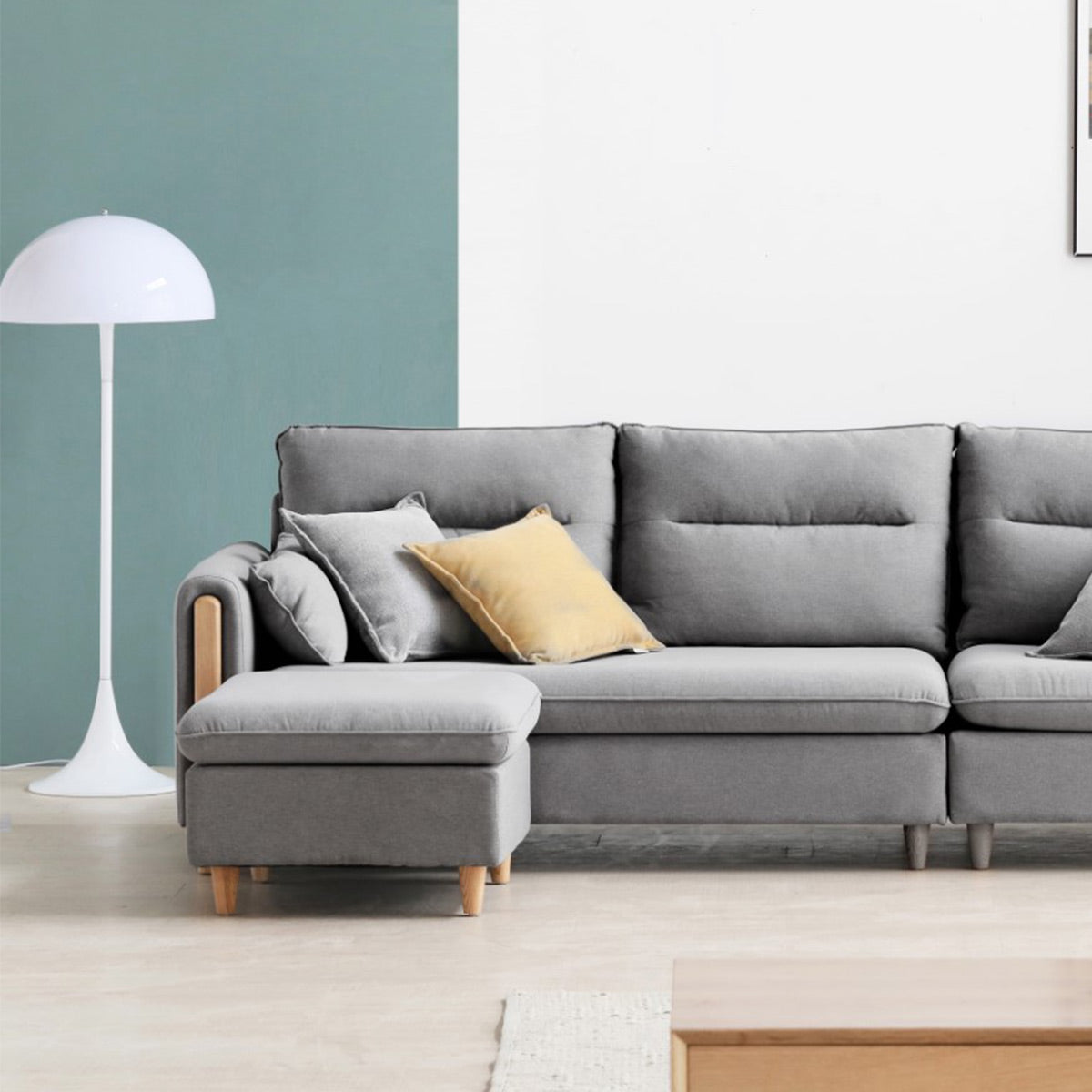
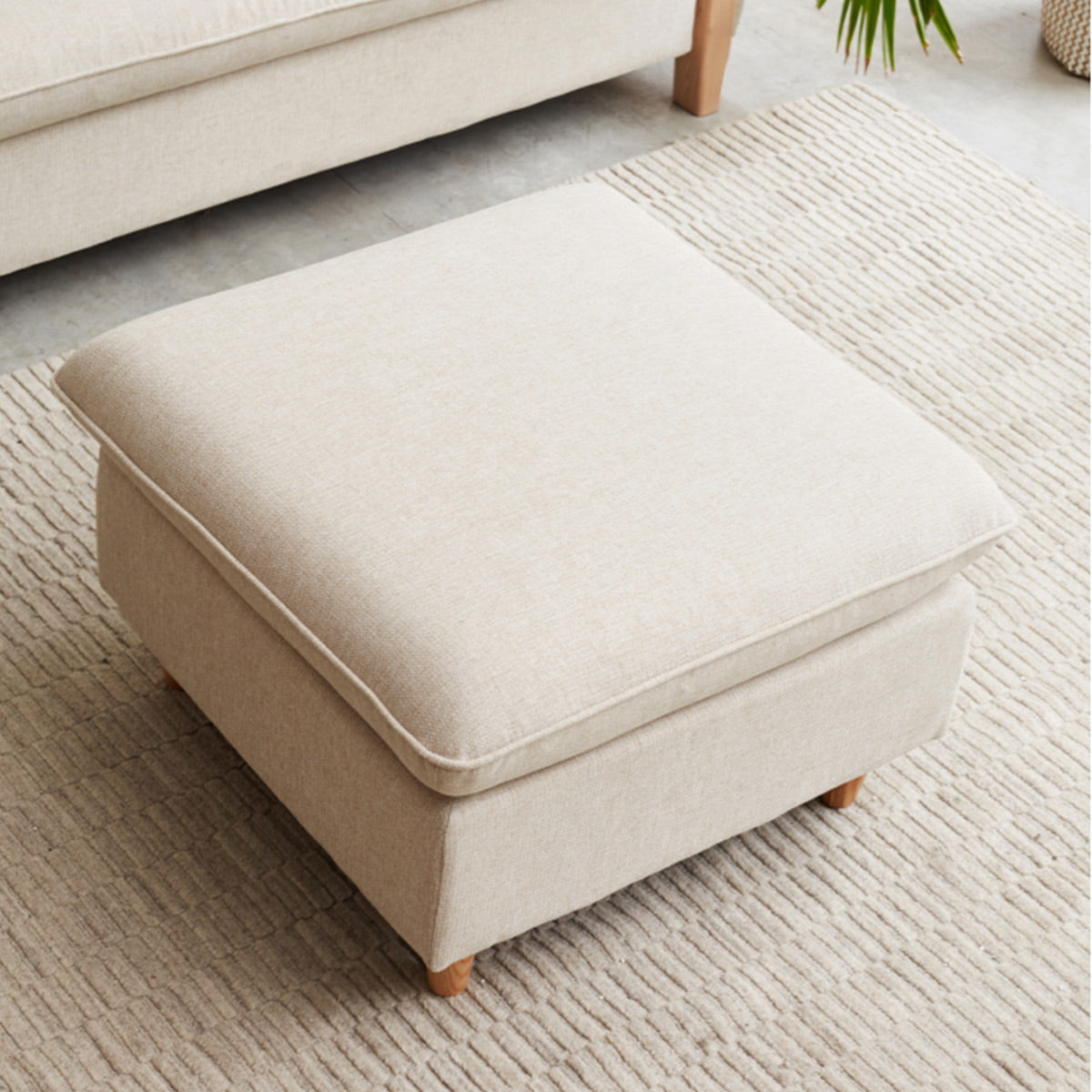
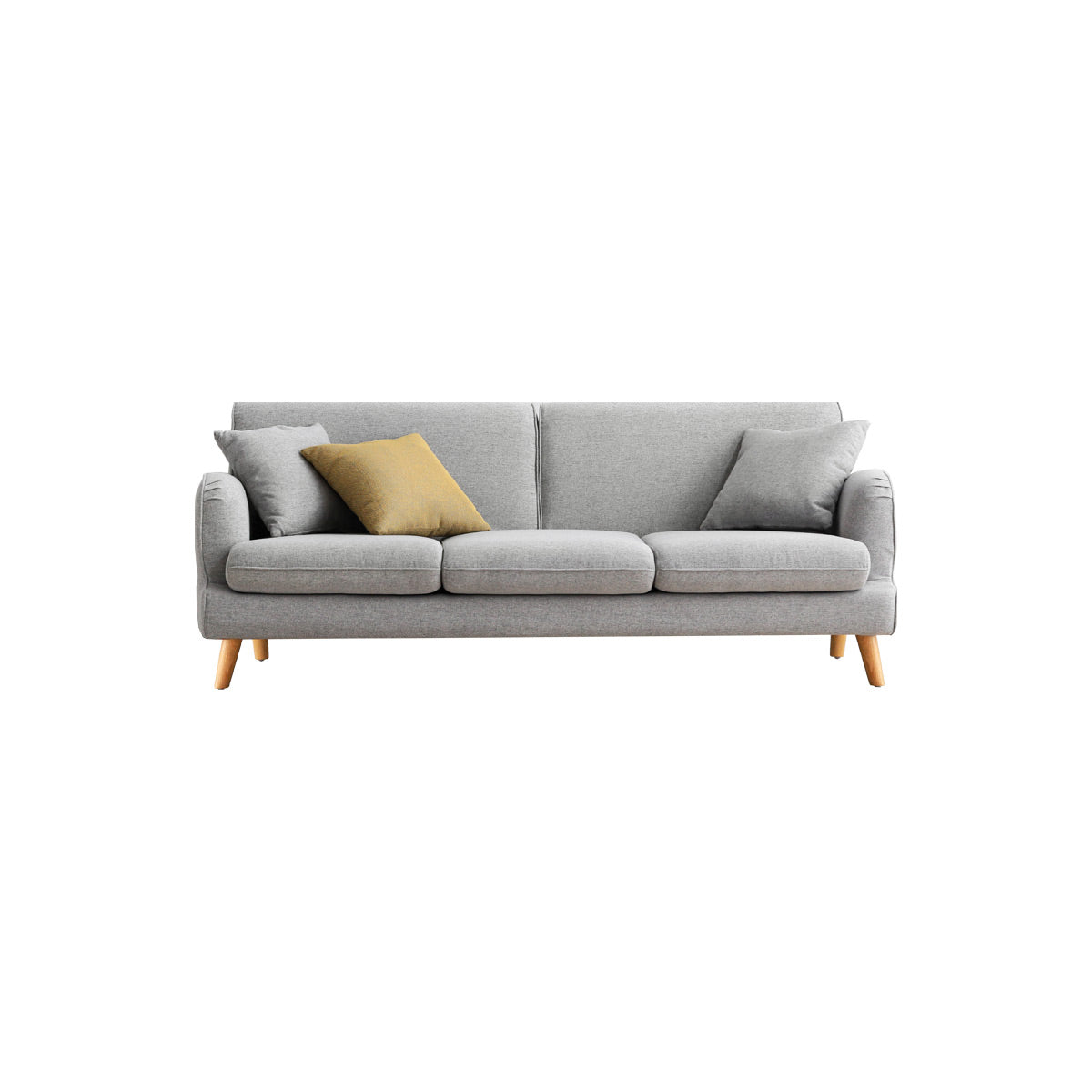
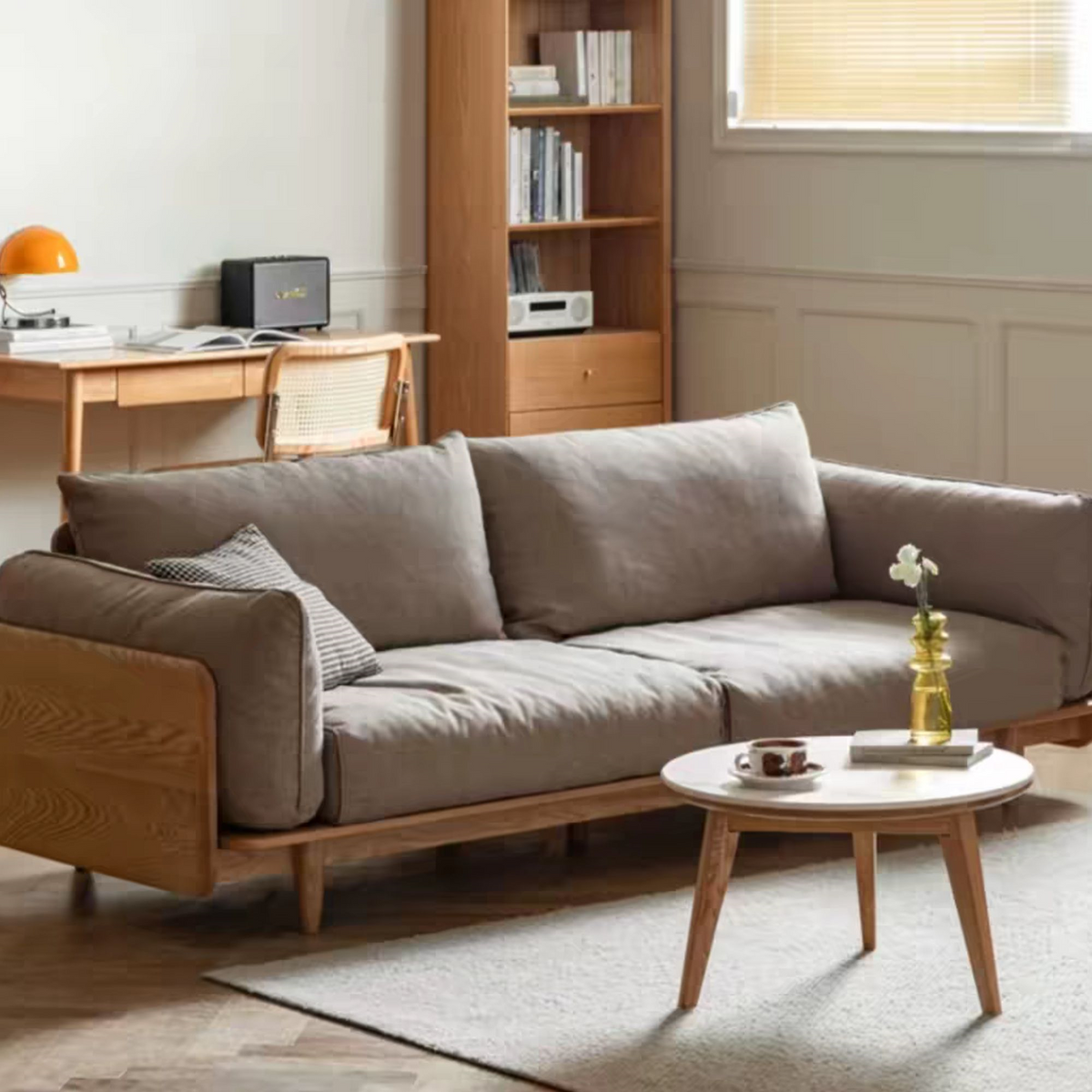
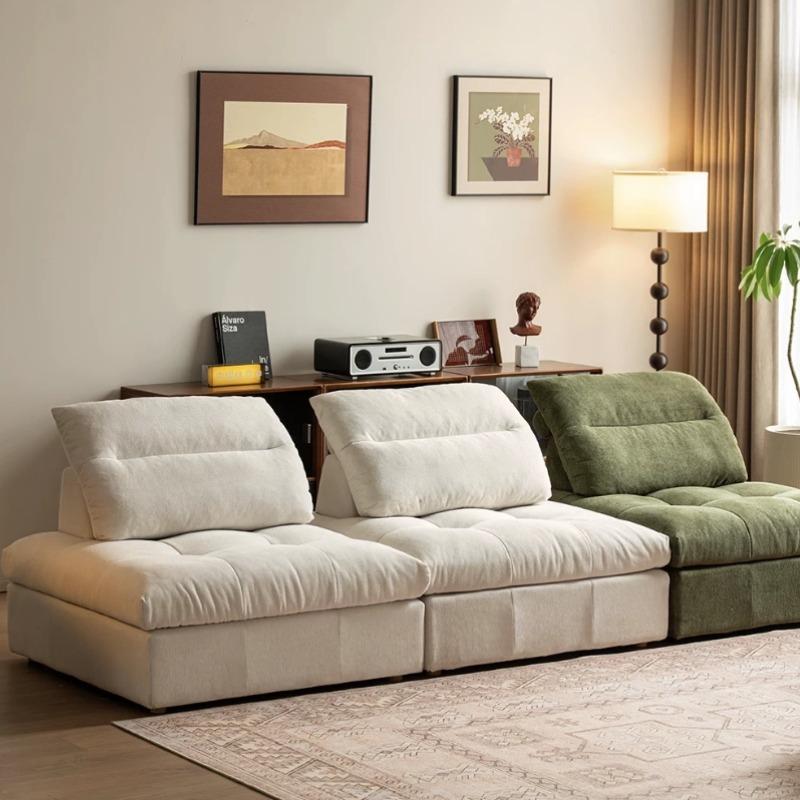
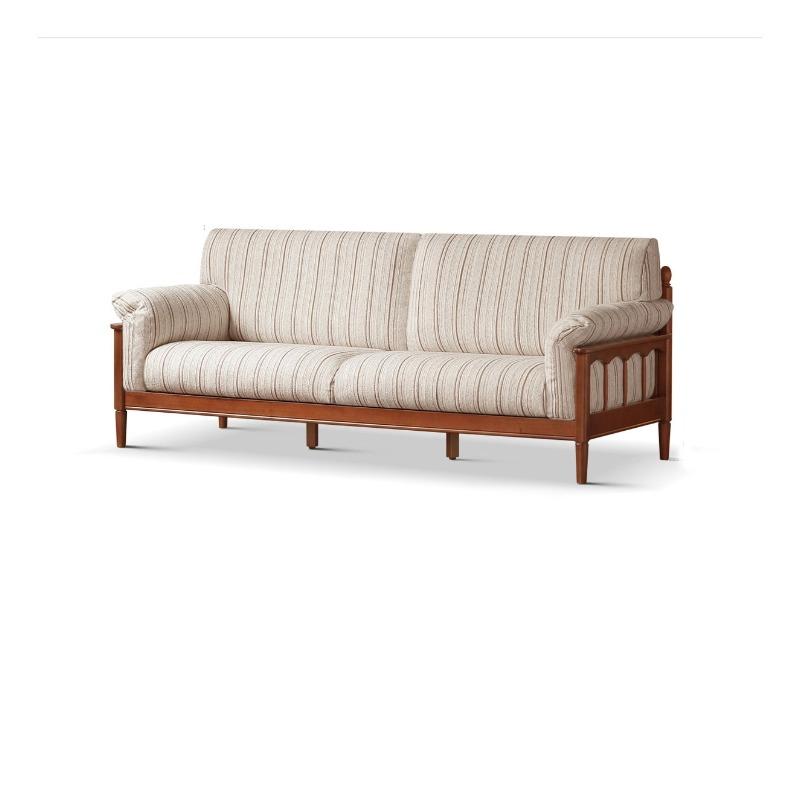
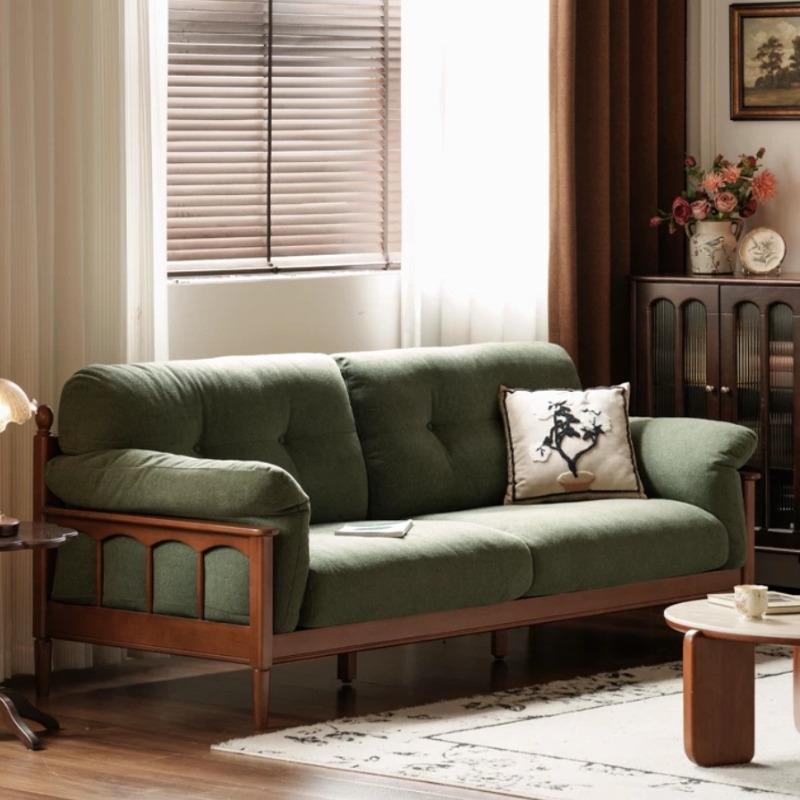
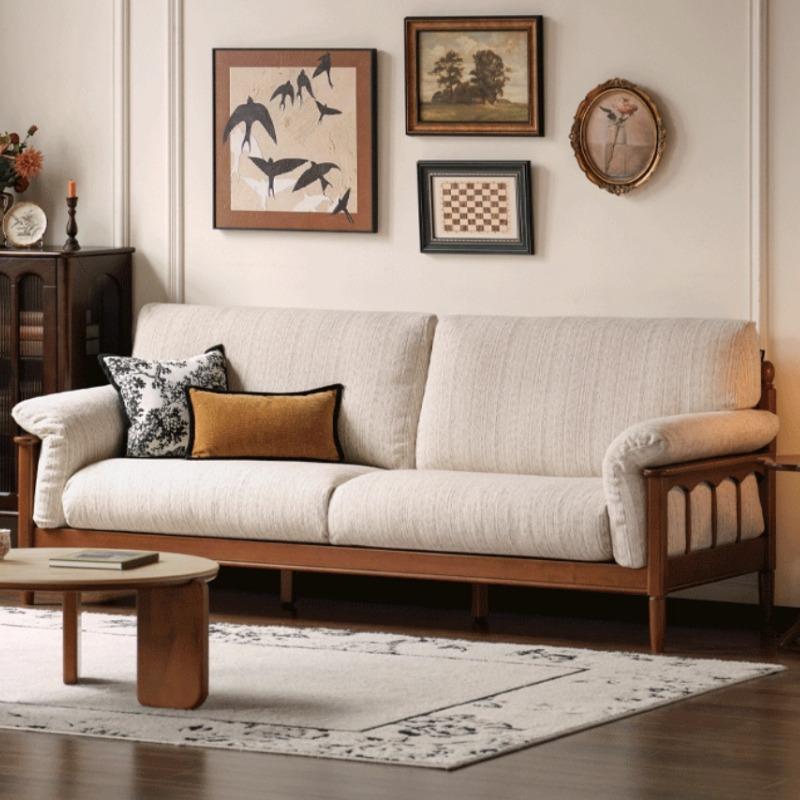
One advantage of a fabric sofa is the wide range of colors, textures, and patterns available.
Fabric upholstery allows for greater flexibility when matching a specific interior design style. Whether you prefer neutral tones, textured weaves, or subtle patterns, fabric offers endless possibilities.
This makes it easier to coordinate your sofa with other elements in the room, such as rugs, curtains, and decorative cushions.
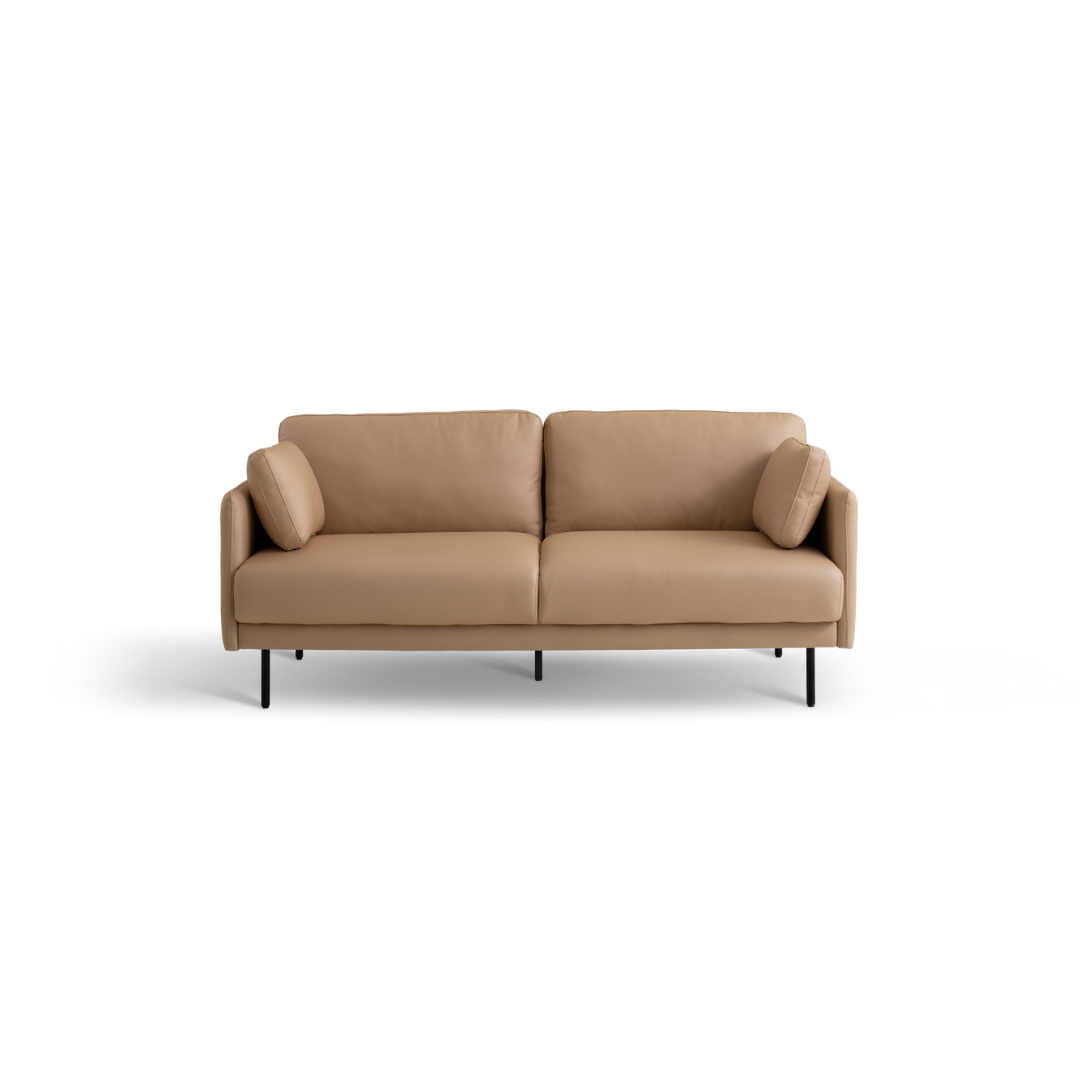
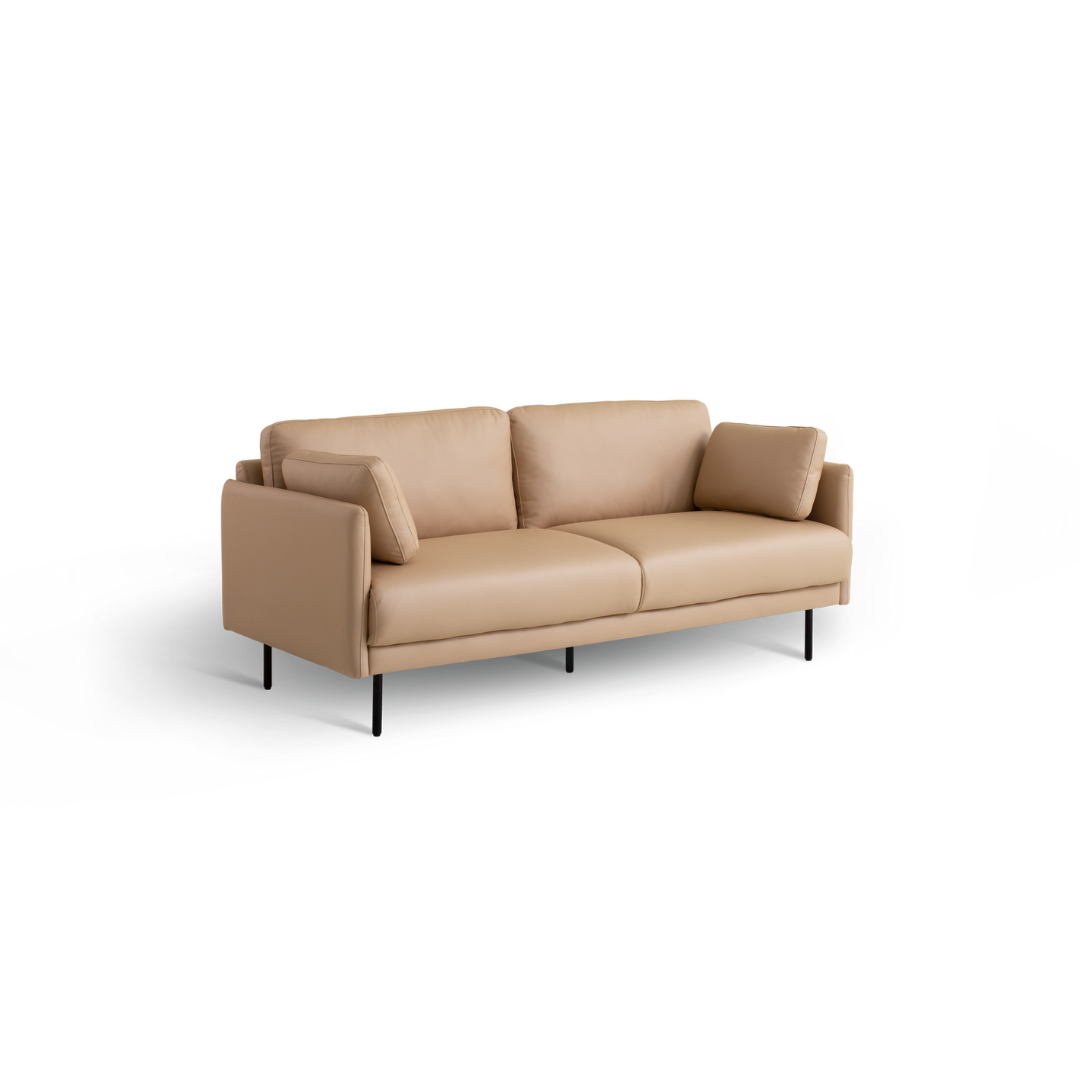
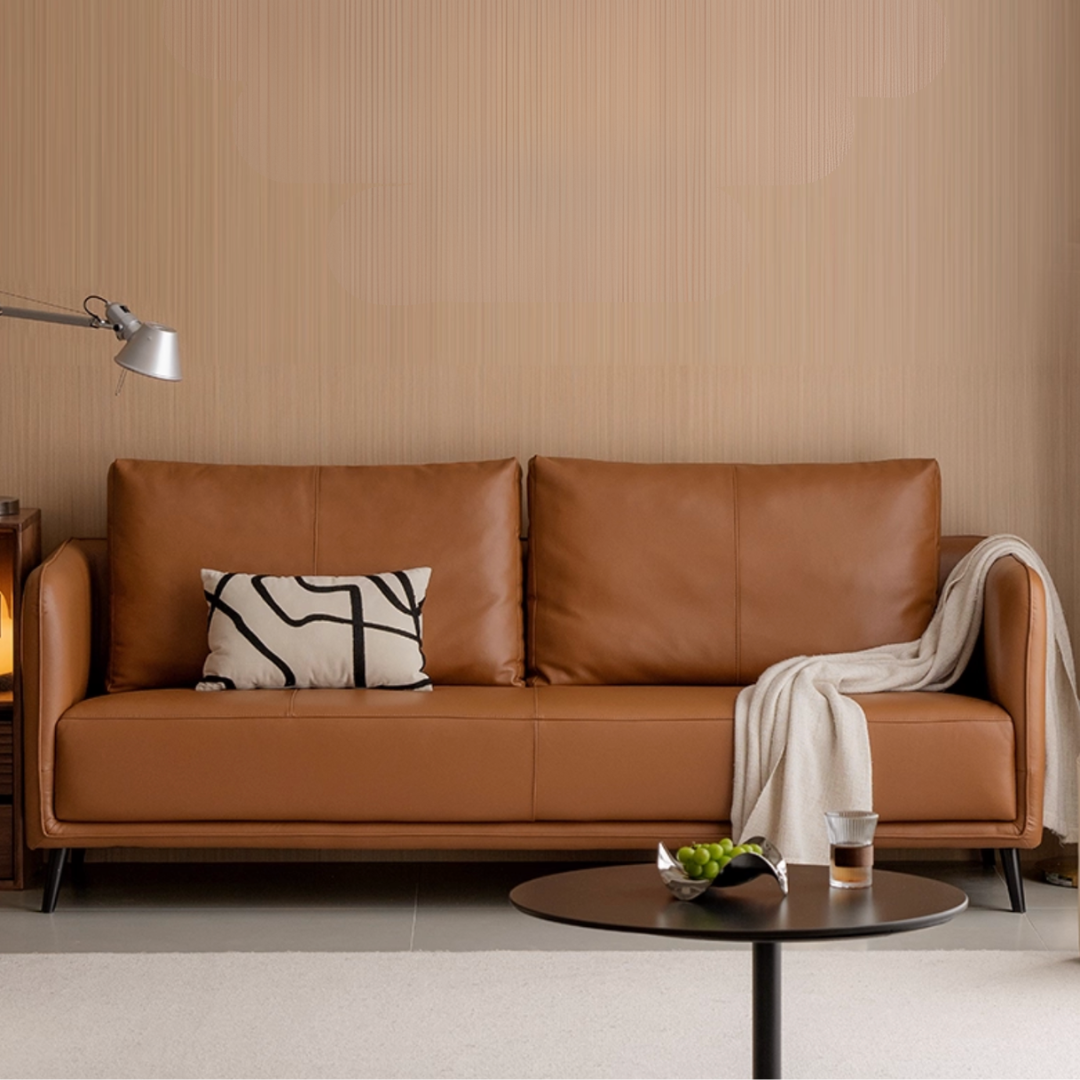
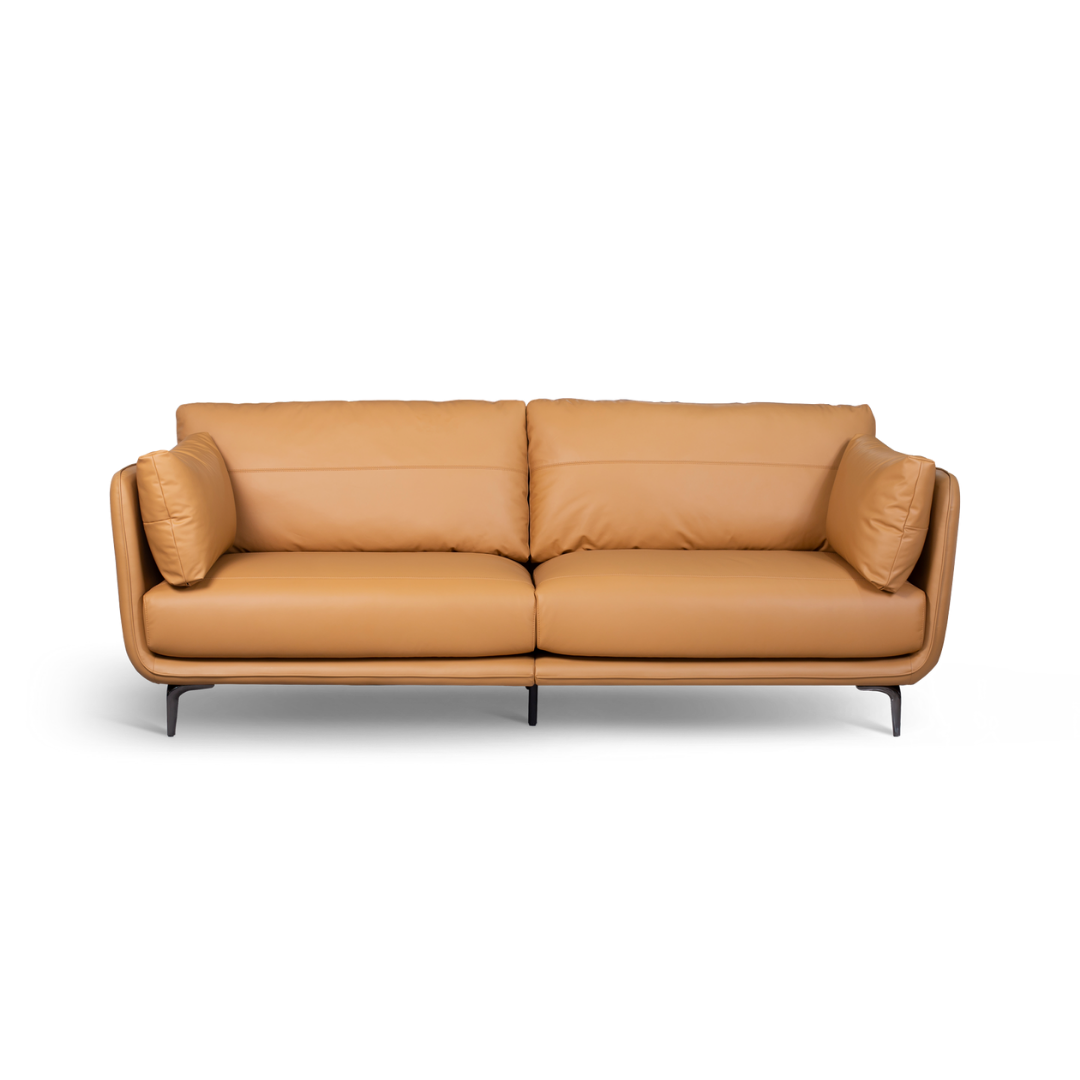
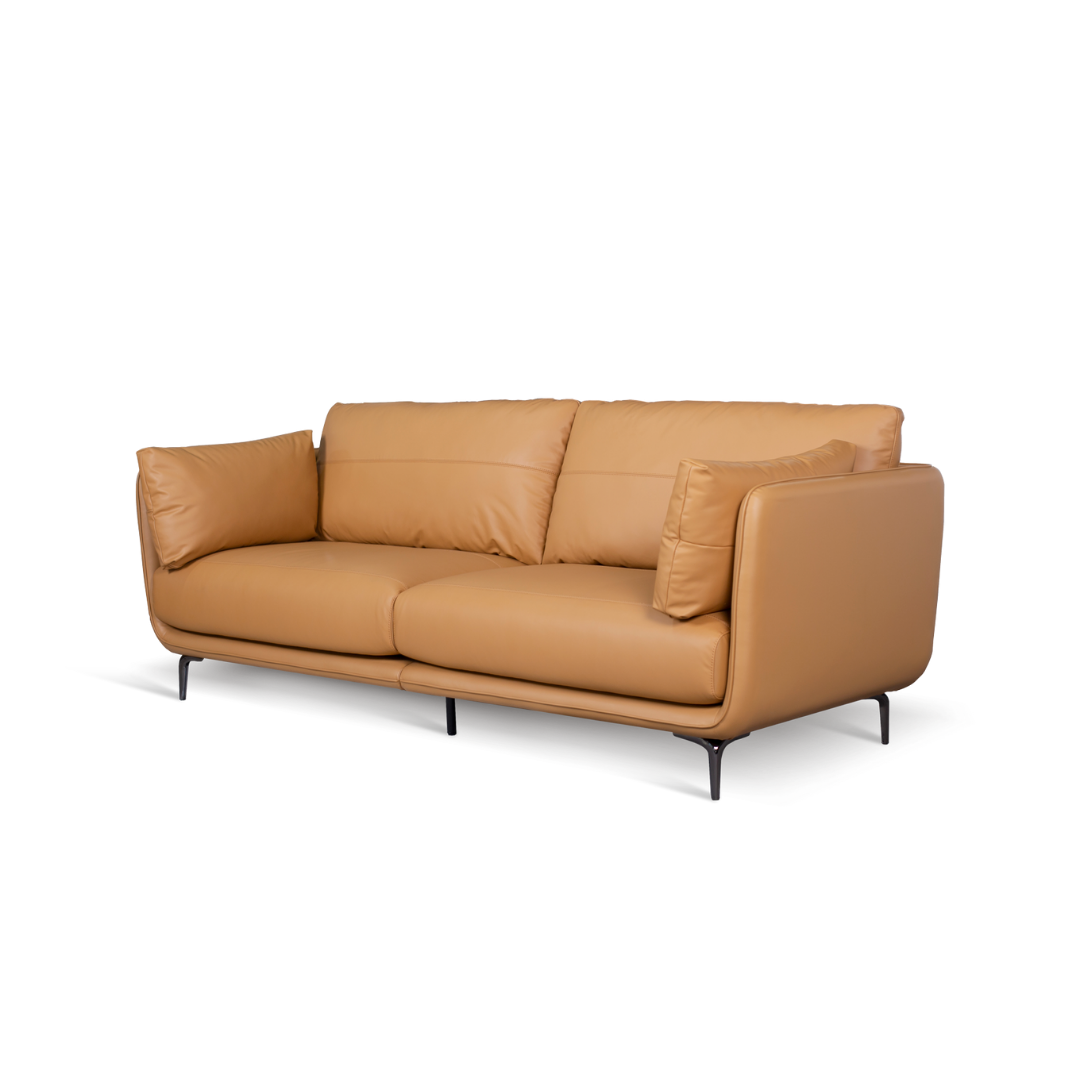
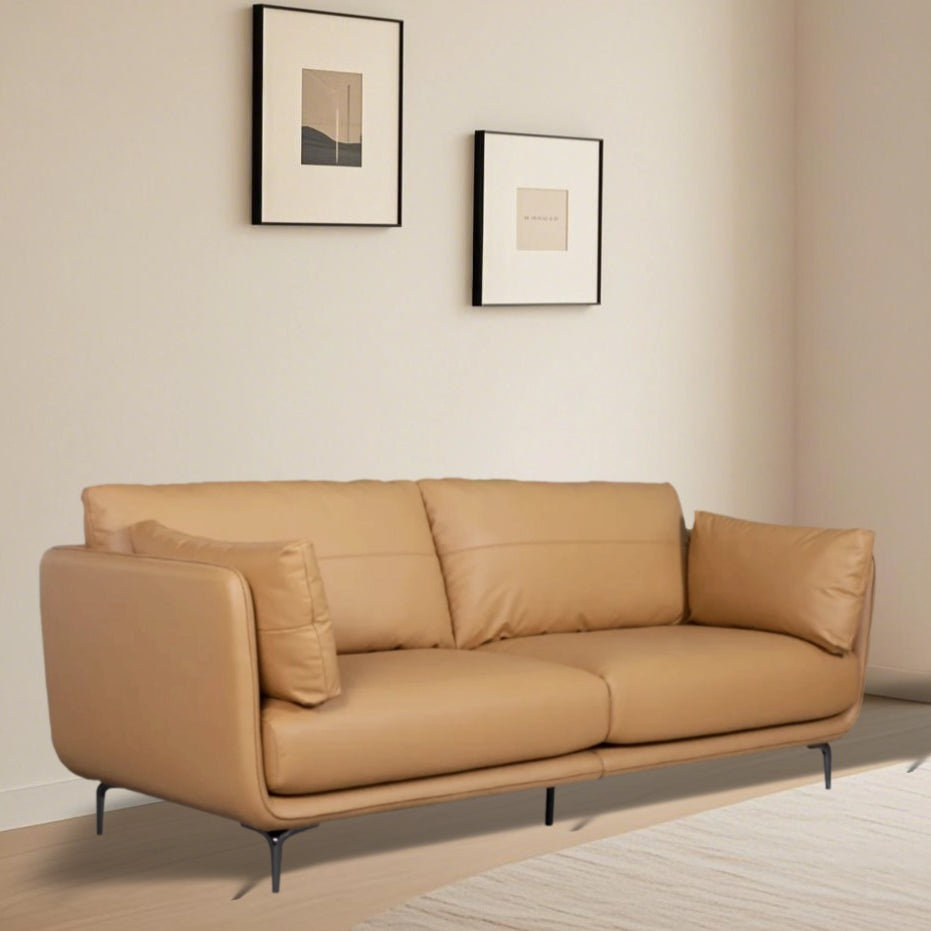
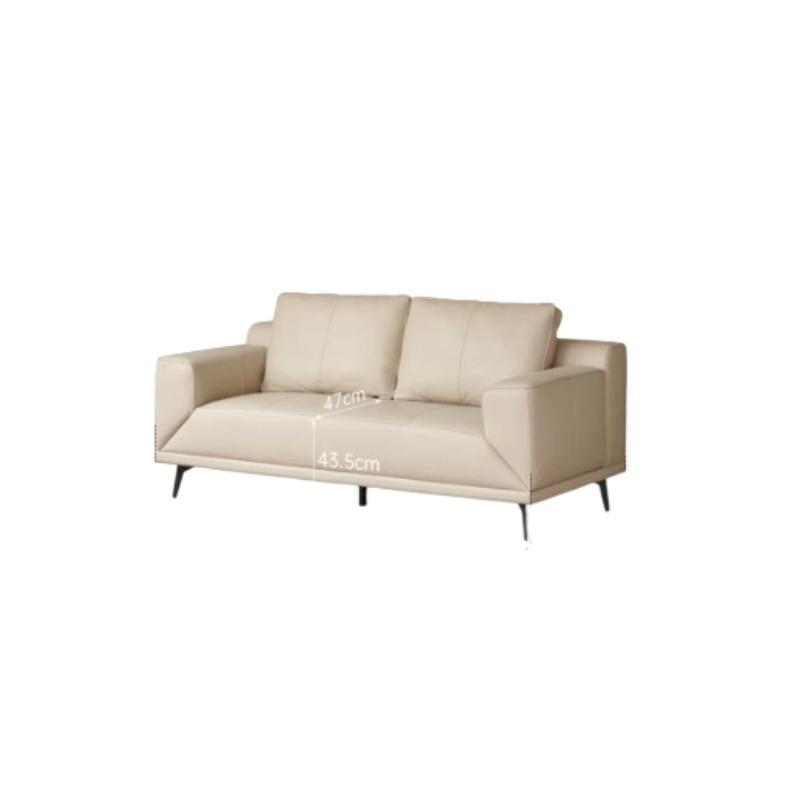
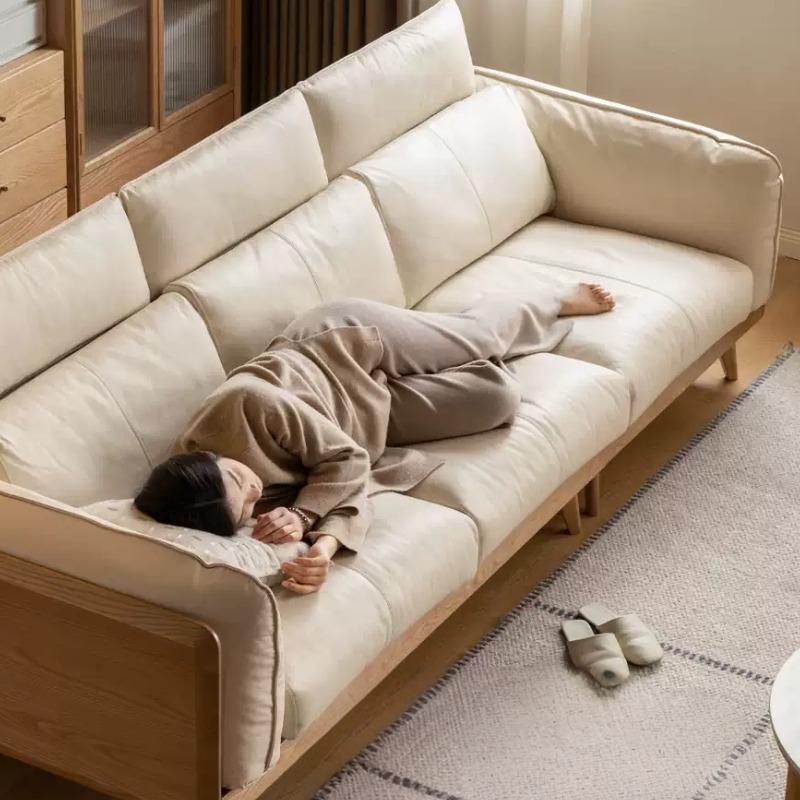
On the other hand, a leather sofa brings a timeless, sophisticated look. Leather upholstery tends to age gracefully, developing a natural patina that adds character over time.
For modern, minimalist, or industrial-style interiors, leather can become a striking focal point in the living room.
Resistance to Daily Wear and Pet Scratches
Durability is another factor to consider, particularly for households with children or pets.
Leather generally performs well when dealing with pet hair, as it does not trap fur the way woven fabrics can. Hair can simply be wiped away from the surface.
However, leather is not completely immune to scratches. Cat claws or sharp objects can leave marks if the surface is not protected.
Fabric sofas may be more vulnerable to pilling or staining in high-traffic homes, especially if spills are not cleaned promptly. Choosing high-quality upholstery and stain-resistant finishes can significantly improve longevity.
Ultimately, the durability of any couch Singapore residents choose depends not only on the material but also on the quality of construction and regular care.
Conclusion: Making the Final Decision for Your Home
When choosing between fabric and leather sofas in Singapore’s tropical climate, both materials offer distinct advantages.
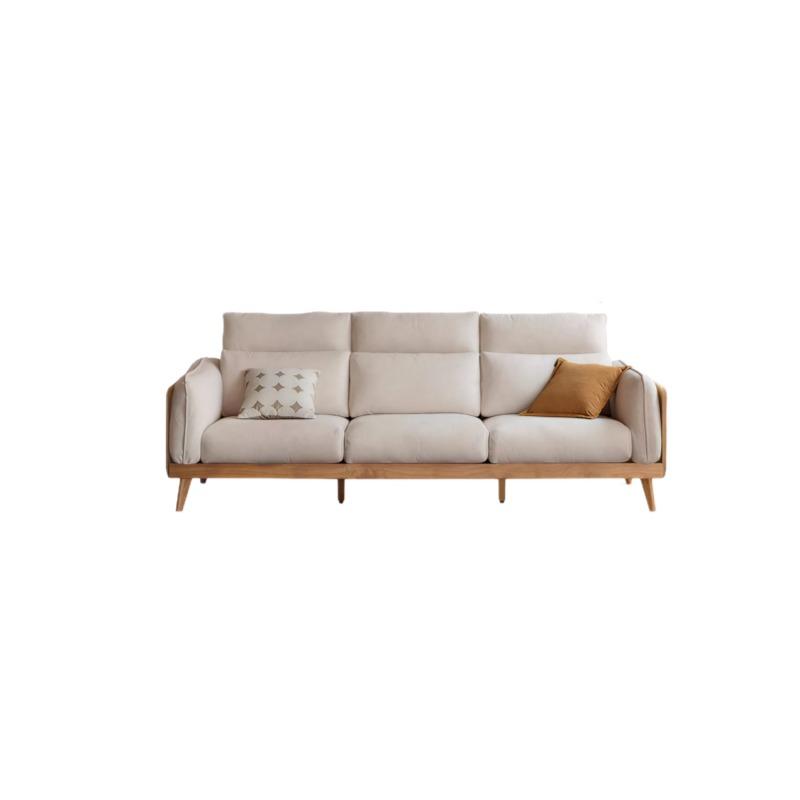
A fabric sofa Singapore homeowners often prefer tends to perform better in terms of breathability and everyday comfort, especially during warm and humid afternoons. The softer texture and airflow make fabric a comfortable choice for lounging.
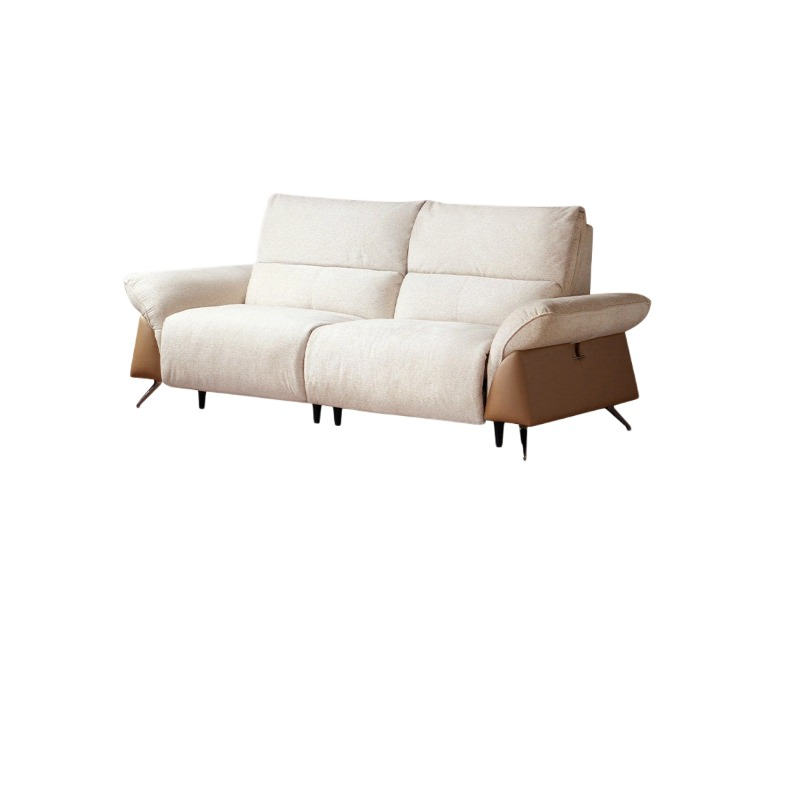
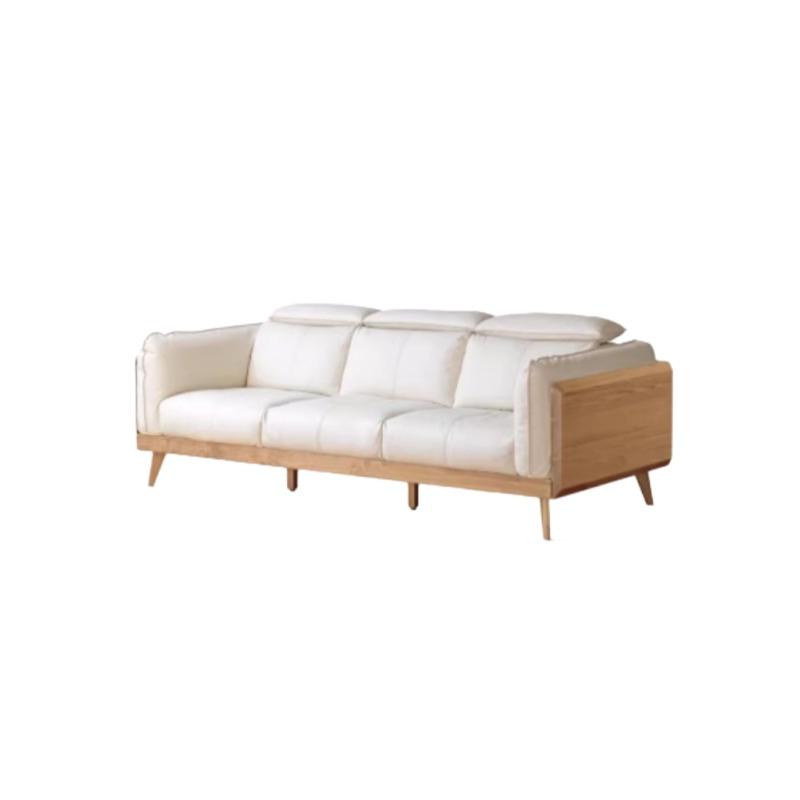
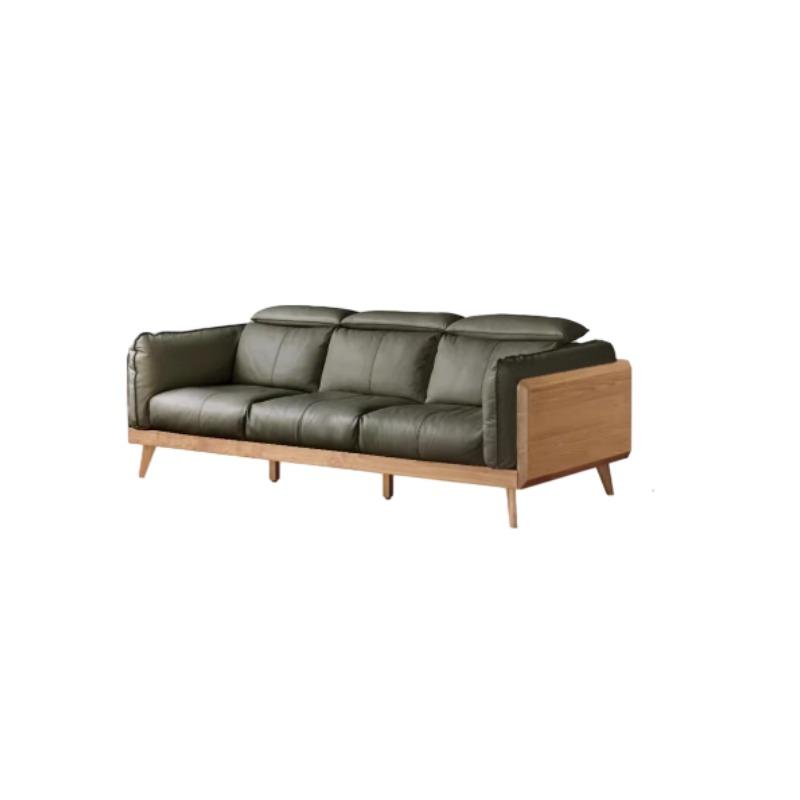
Meanwhile, a leather sofa Singapore residents appreciate stands out for its sleek appearance and easy cleaning. Its resistance to spills and pet hair makes it particularly appealing for busy households.
Ultimately, the best option depends on your lifestyle, comfort preferences, and interior design style.
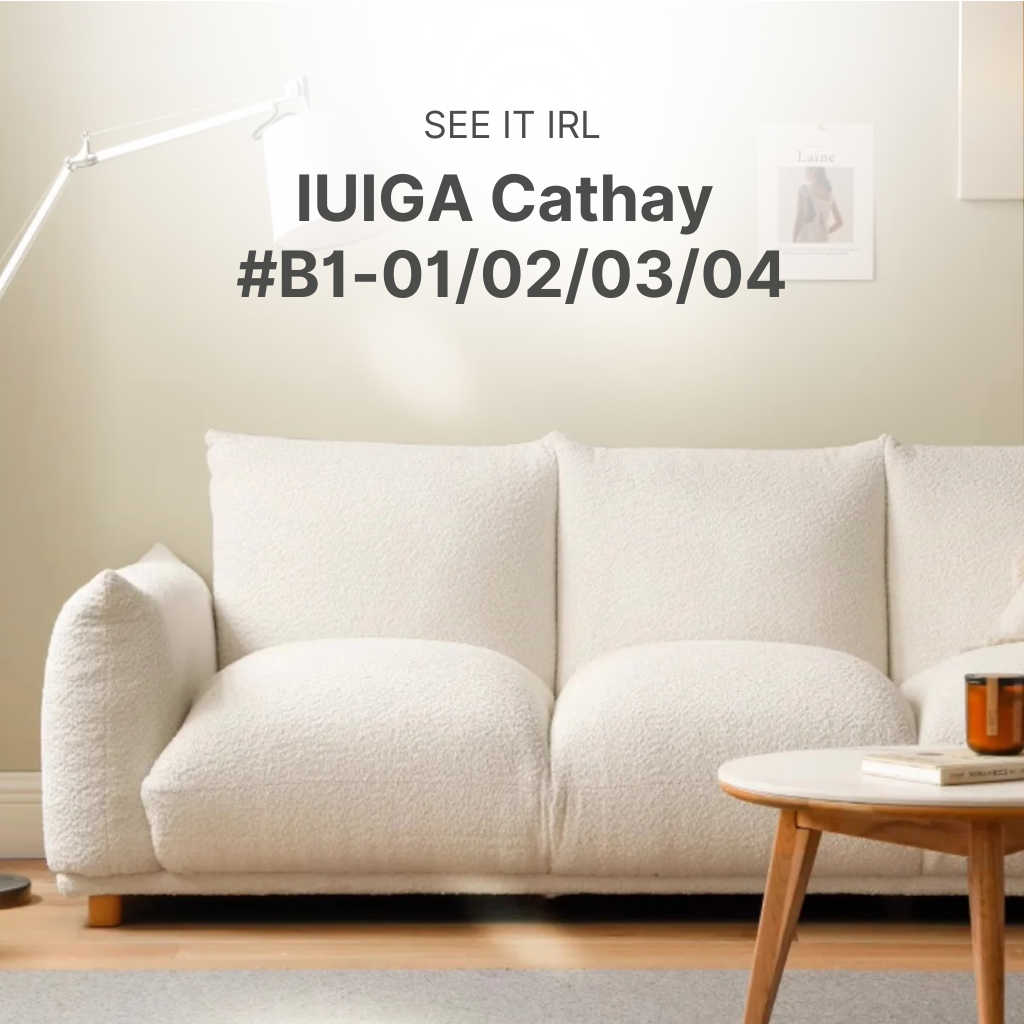
If possible, it is always helpful to test both materials in person. Sitting on different sofas allows you to experience the texture, temperature, and support firsthand before making a final decision.
At IUIGA, we focus on thoughtfully designed furniture that balances durability, comfort, and modern aesthetics, whether you prefer fabric or leather seating. Exploring both options in person can help you discover which material feels most at home in your living space.
Which material do you prefer for your Singapore home, fabric or leather? Share your thoughts in the comments and let us know what works best for your lifestyle.