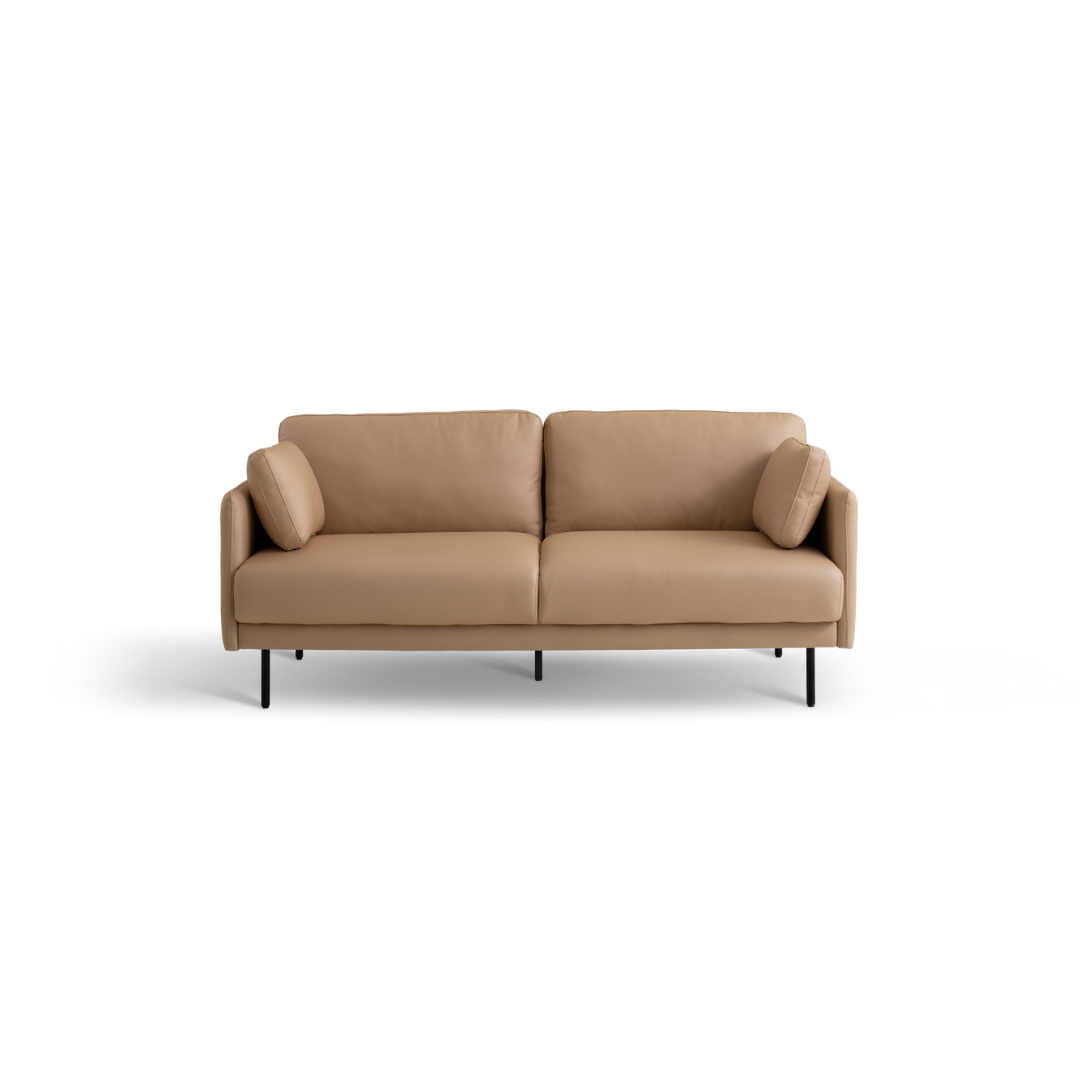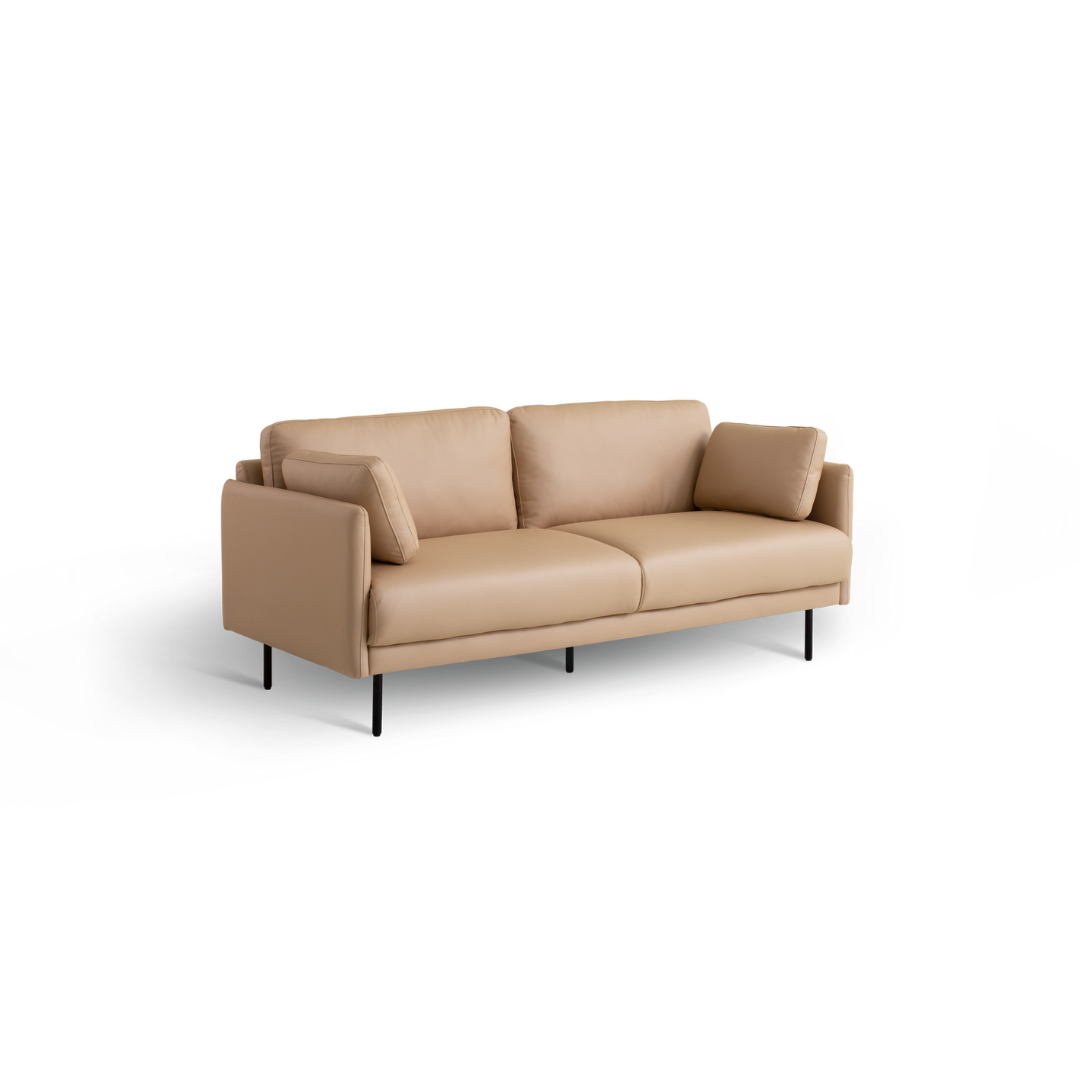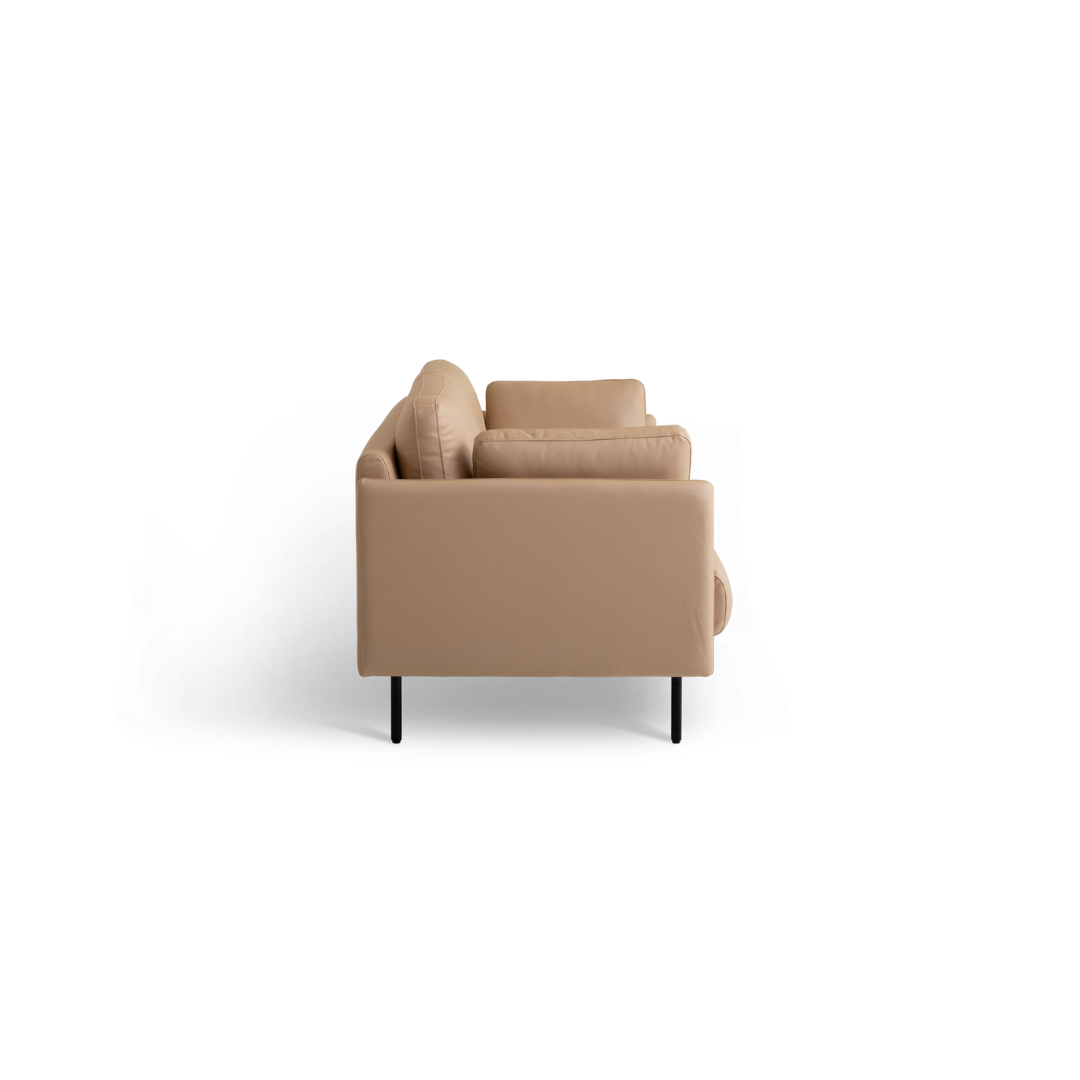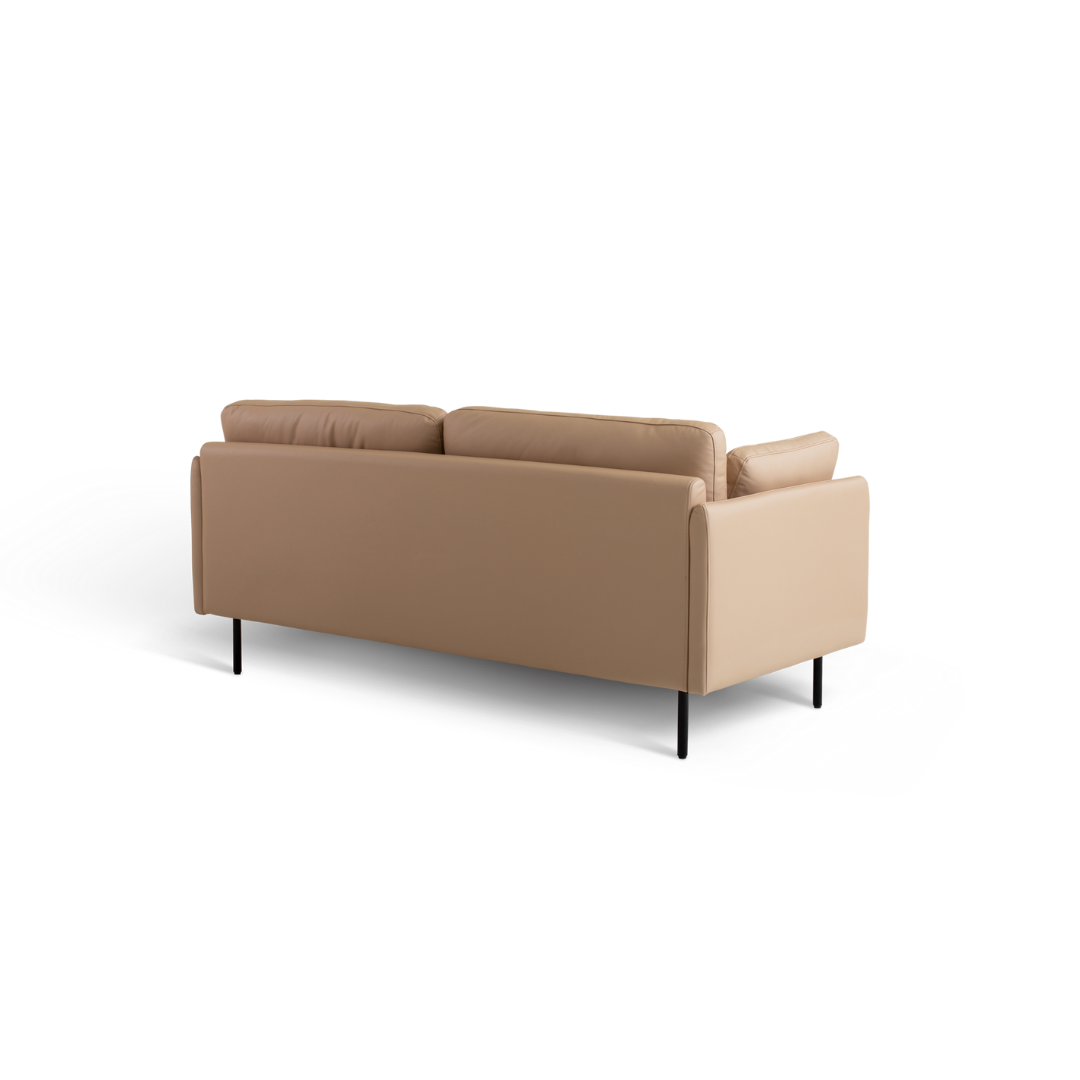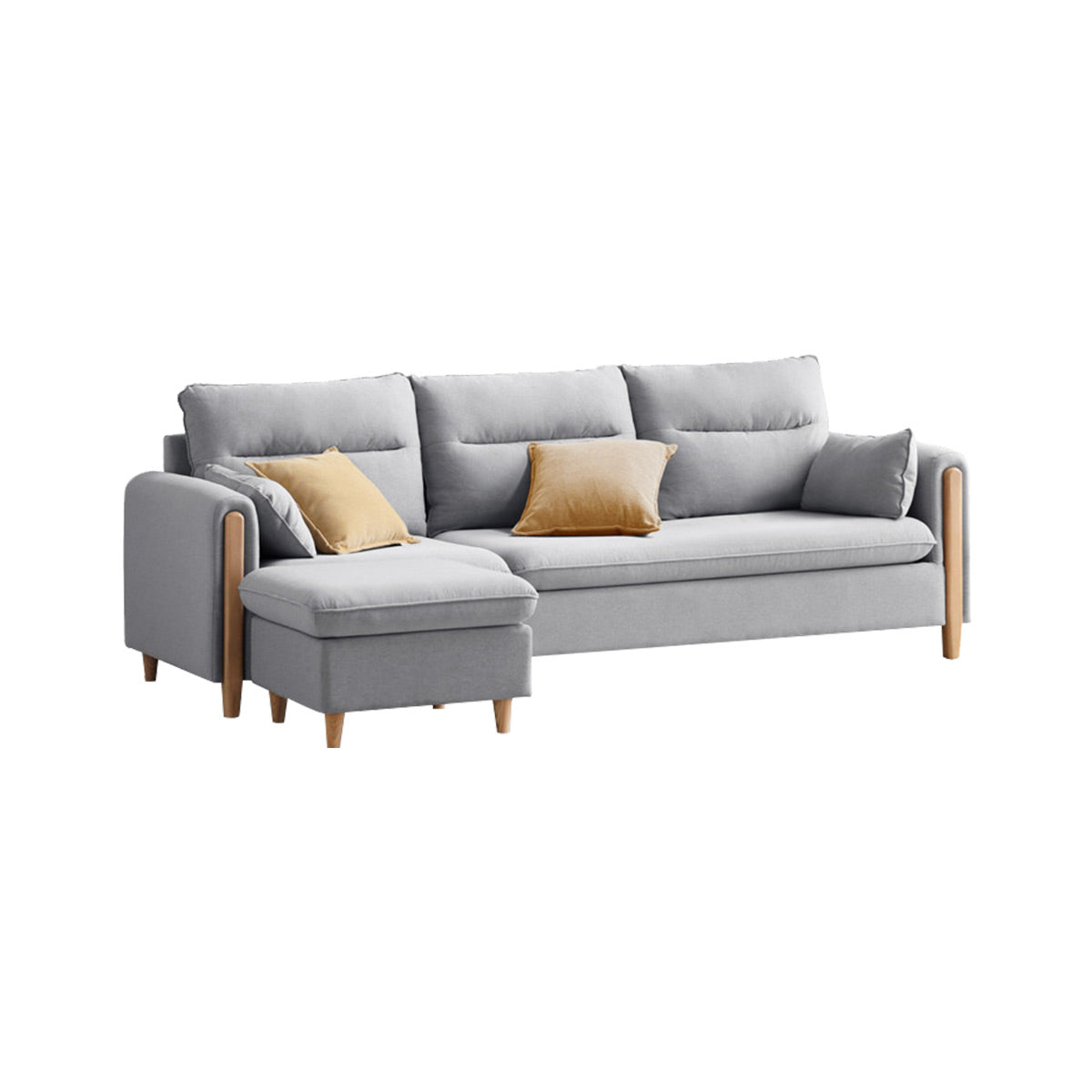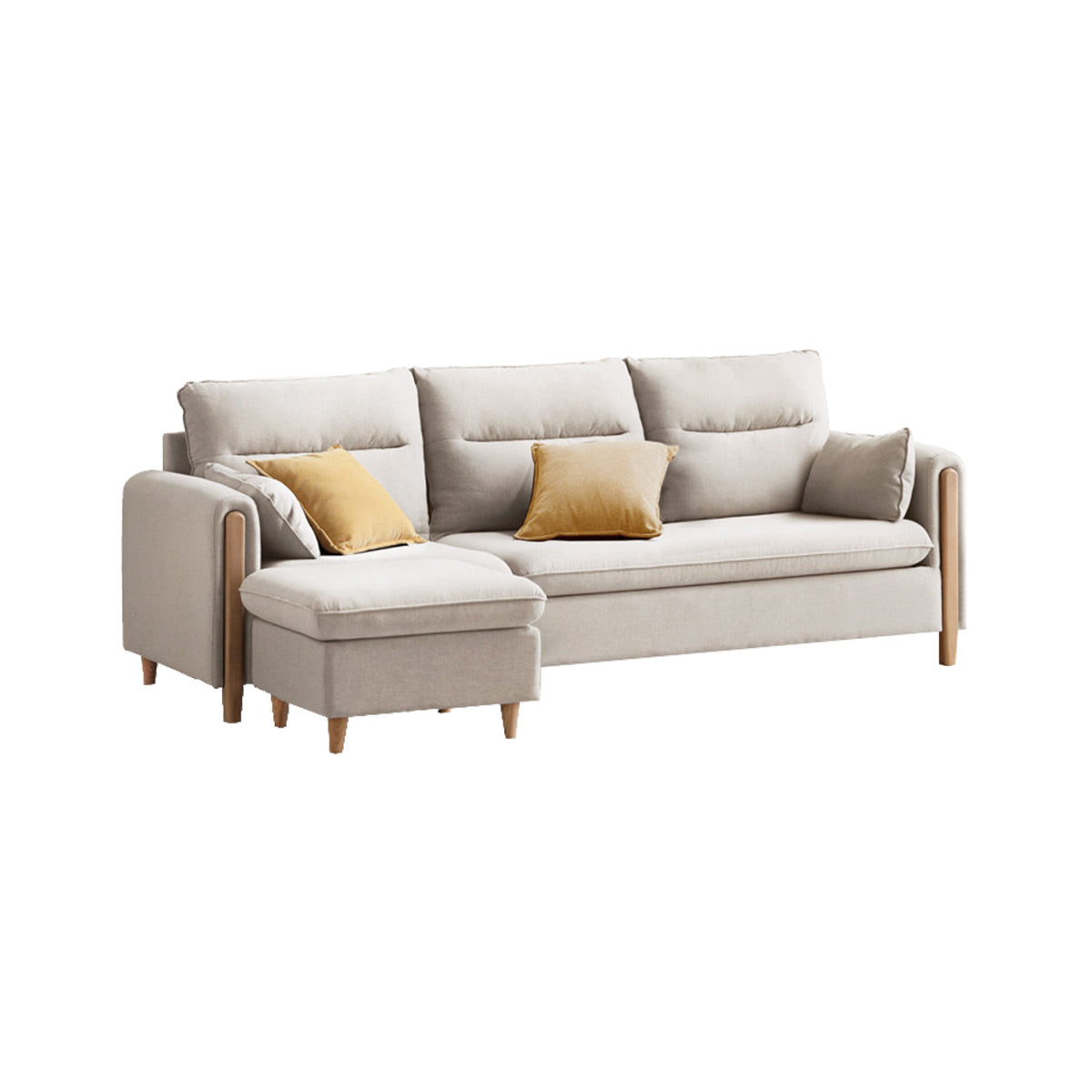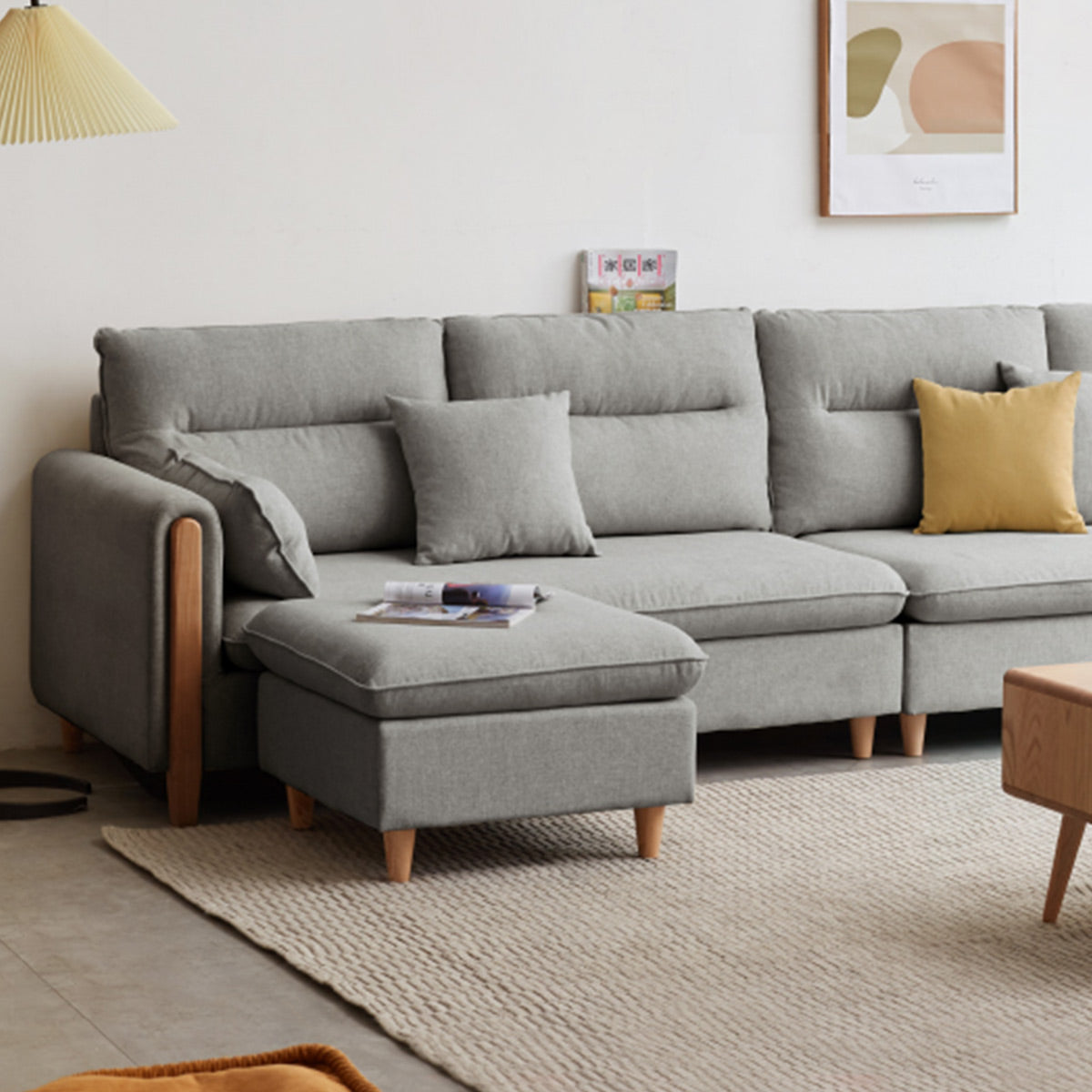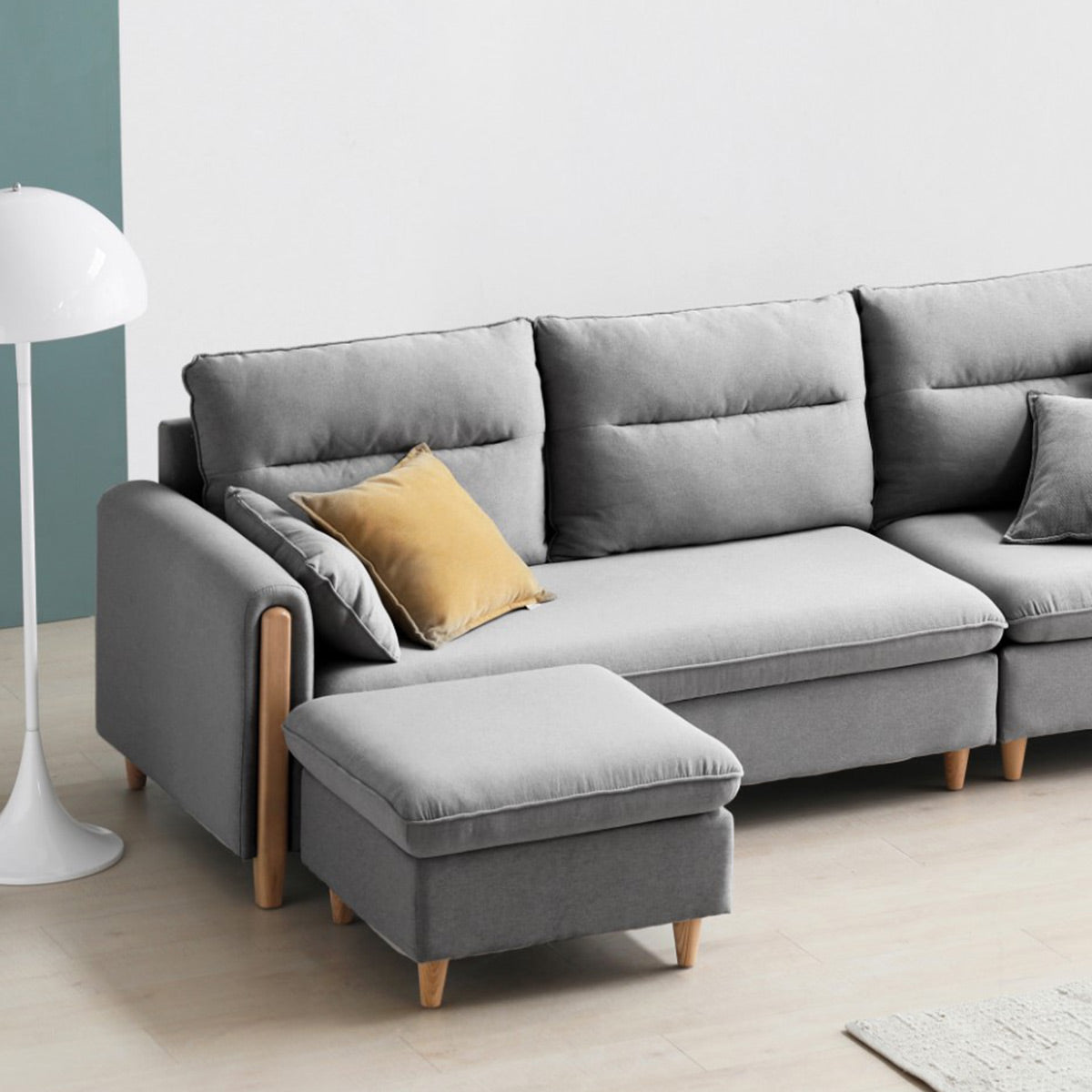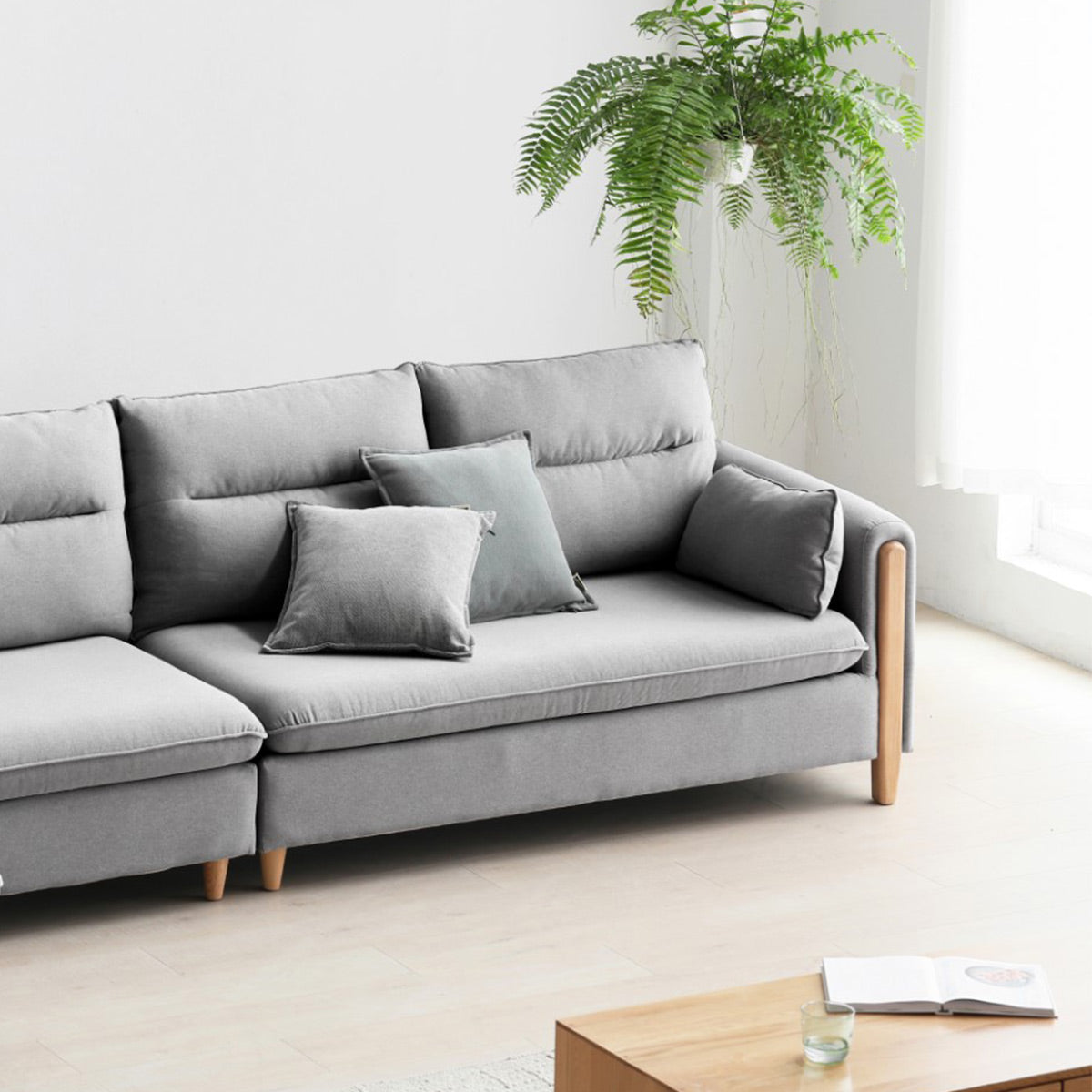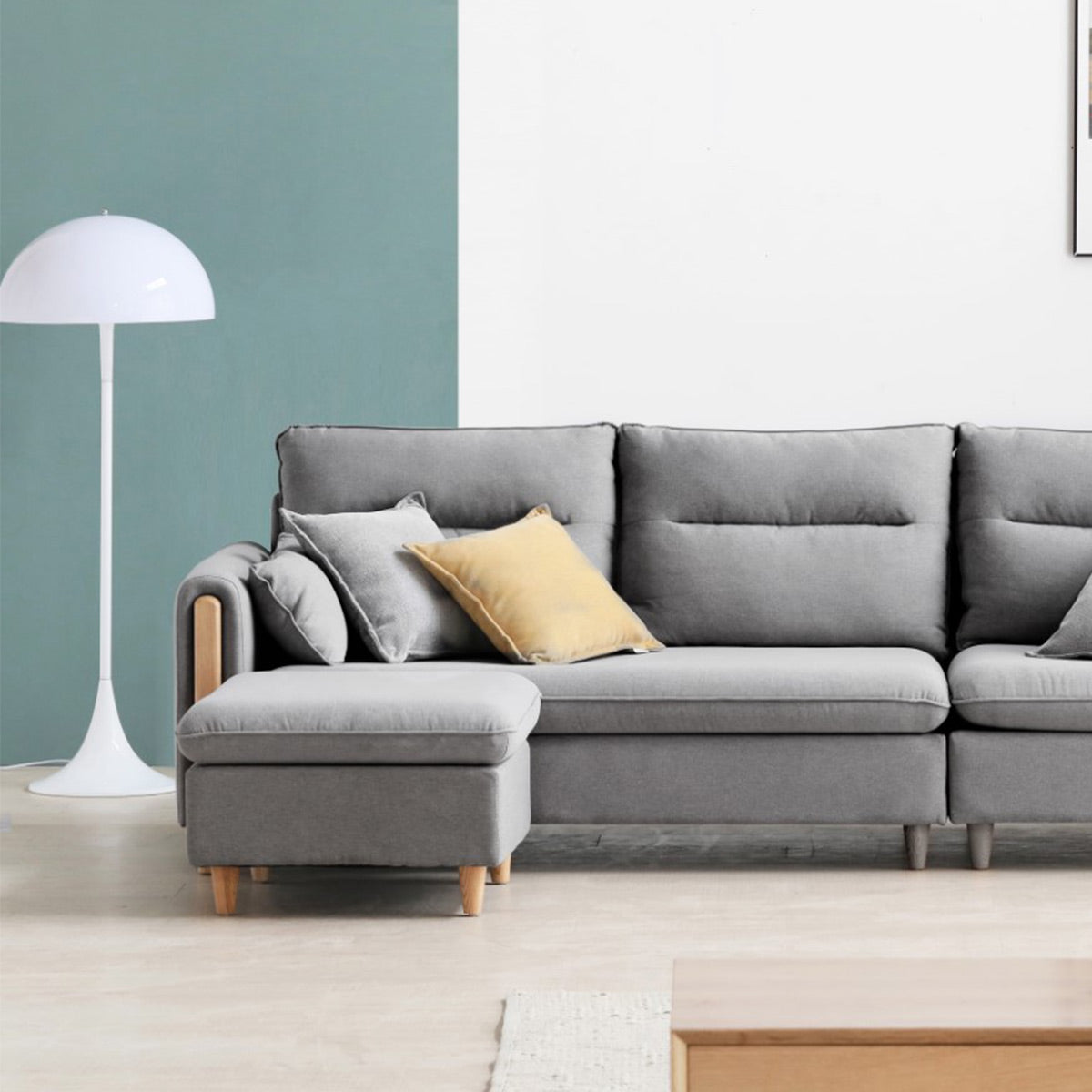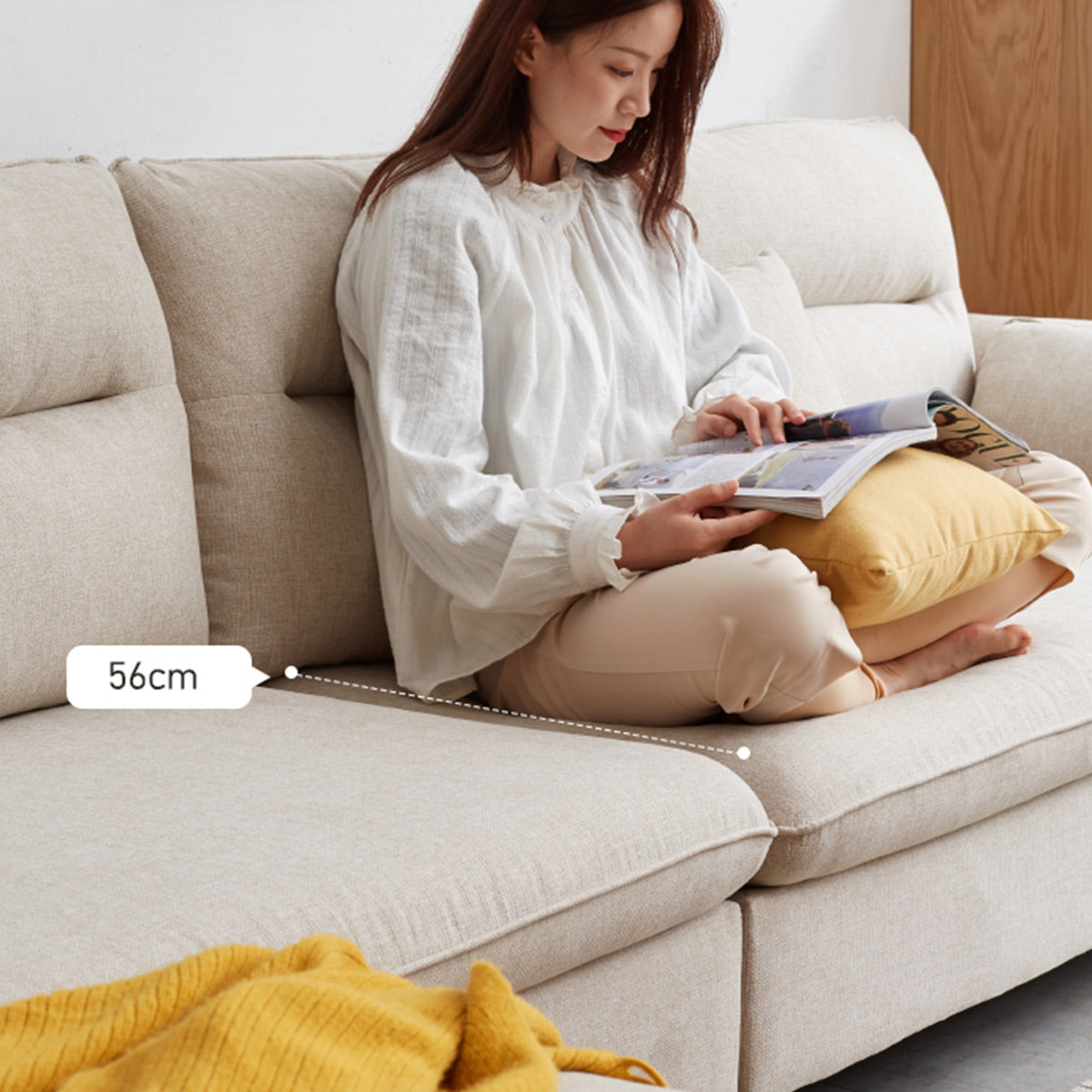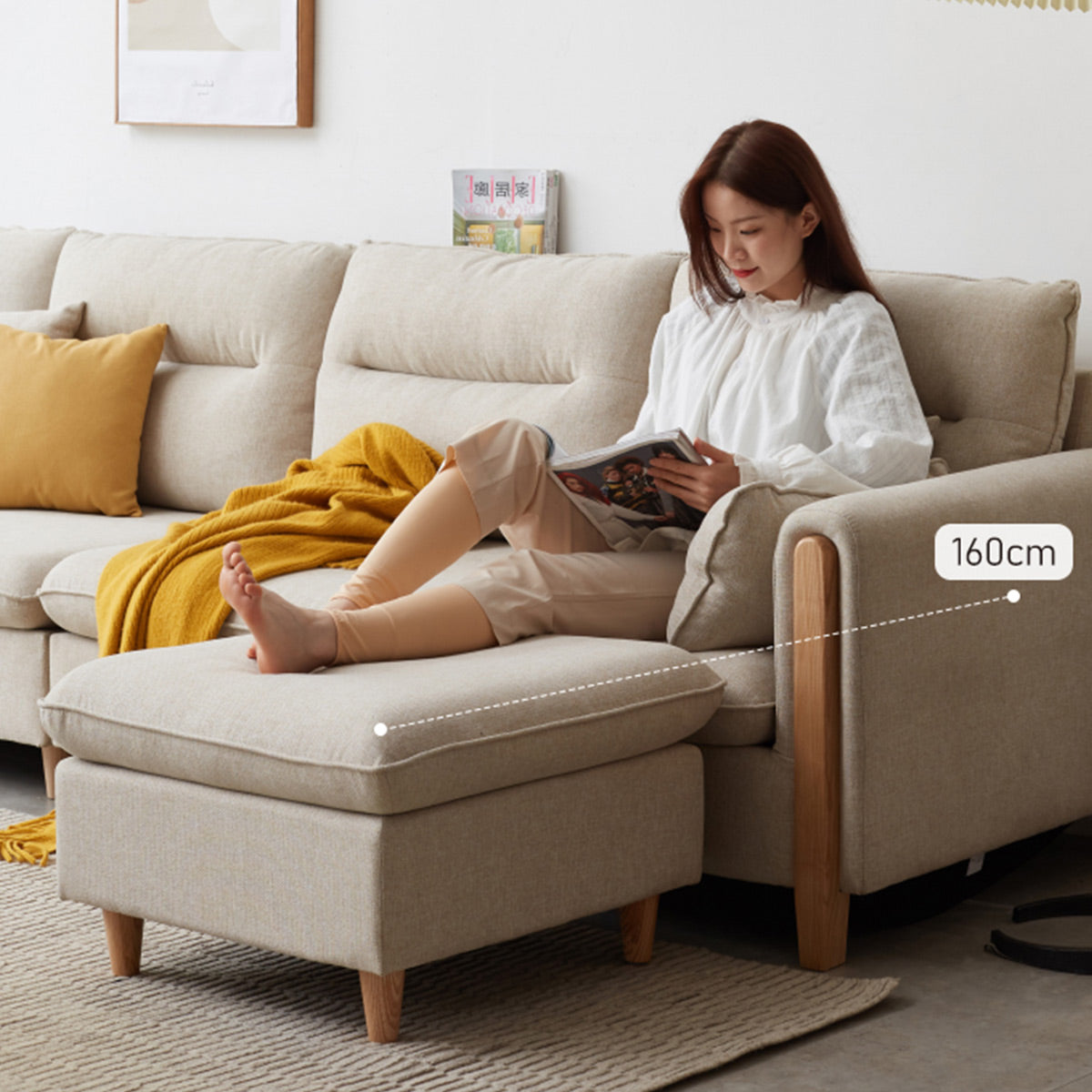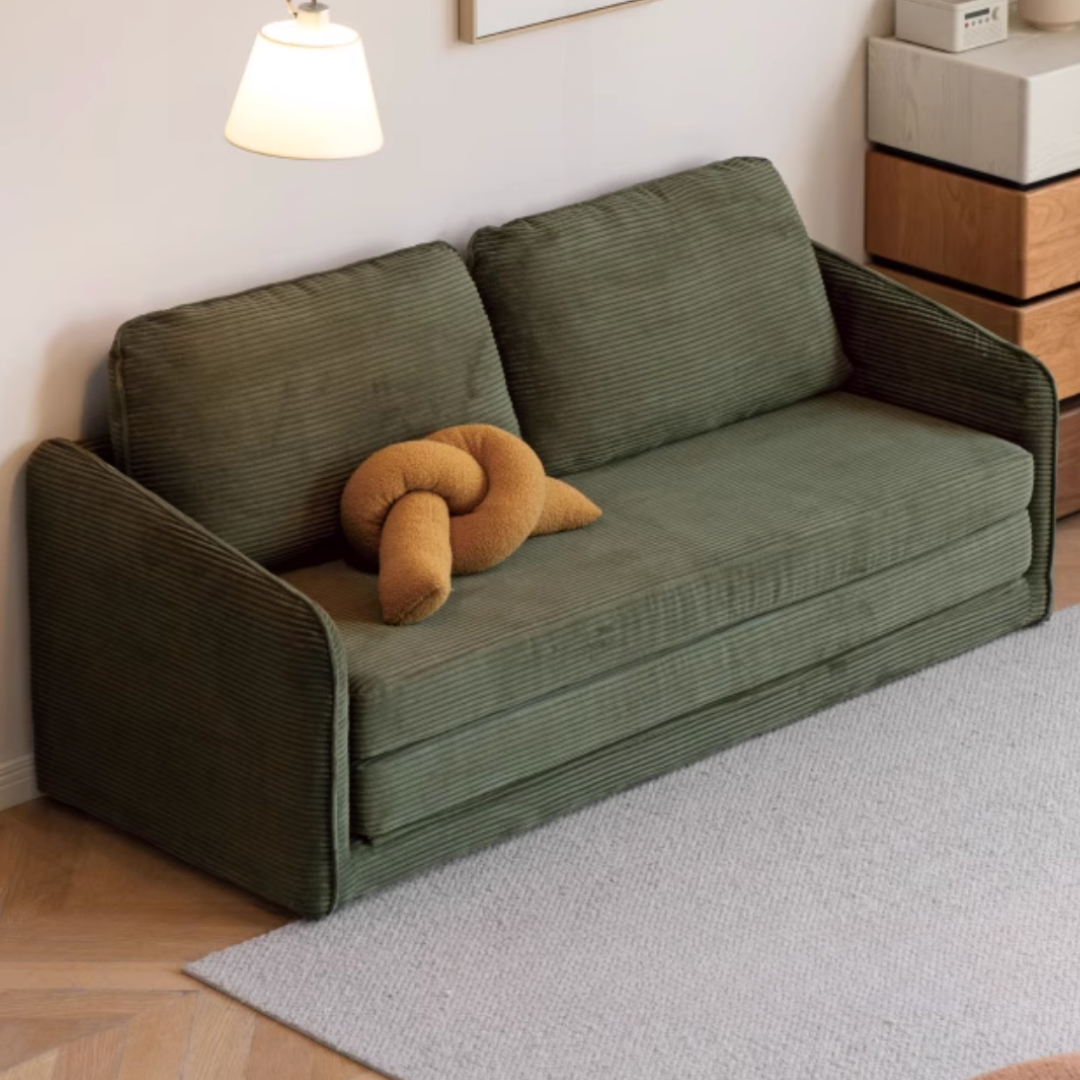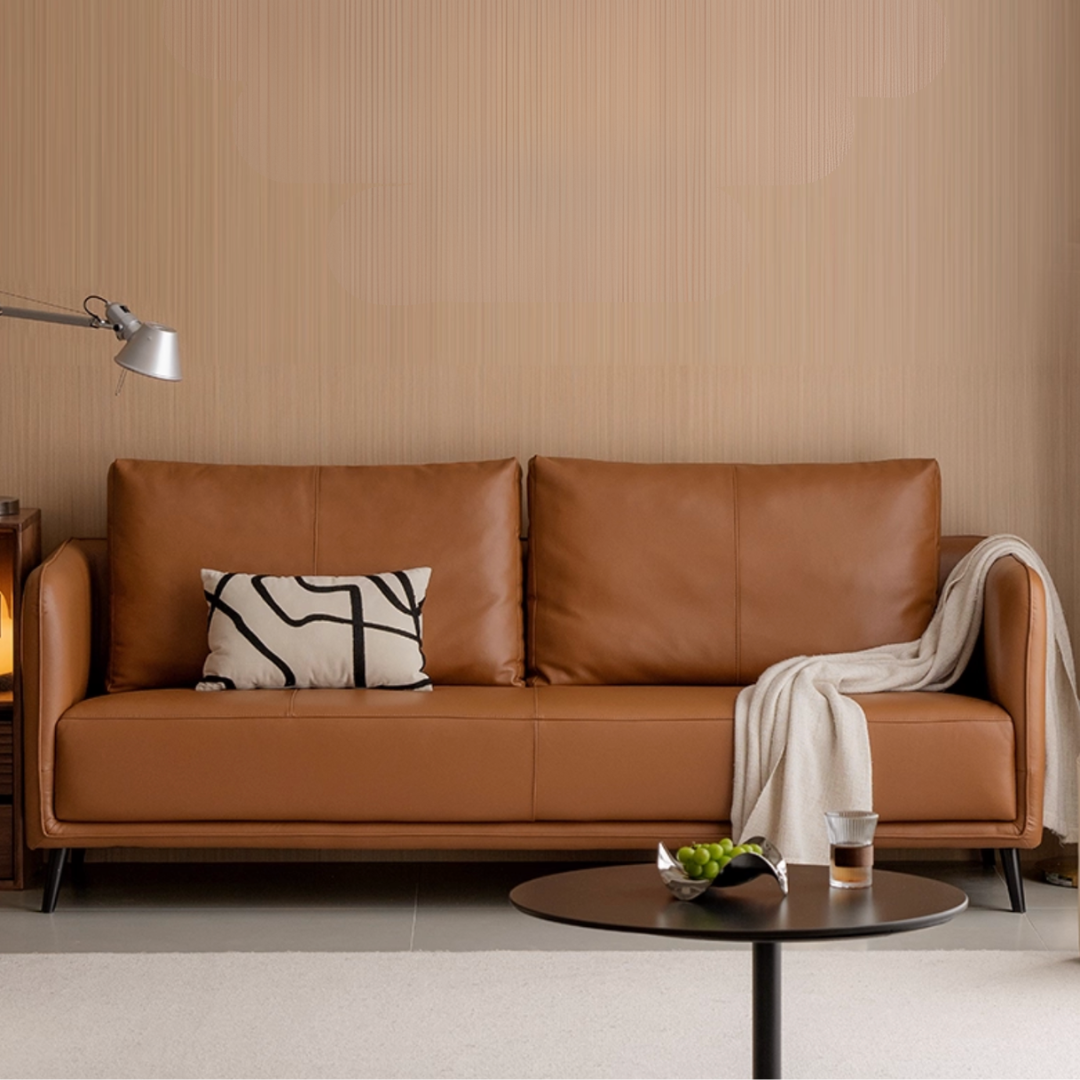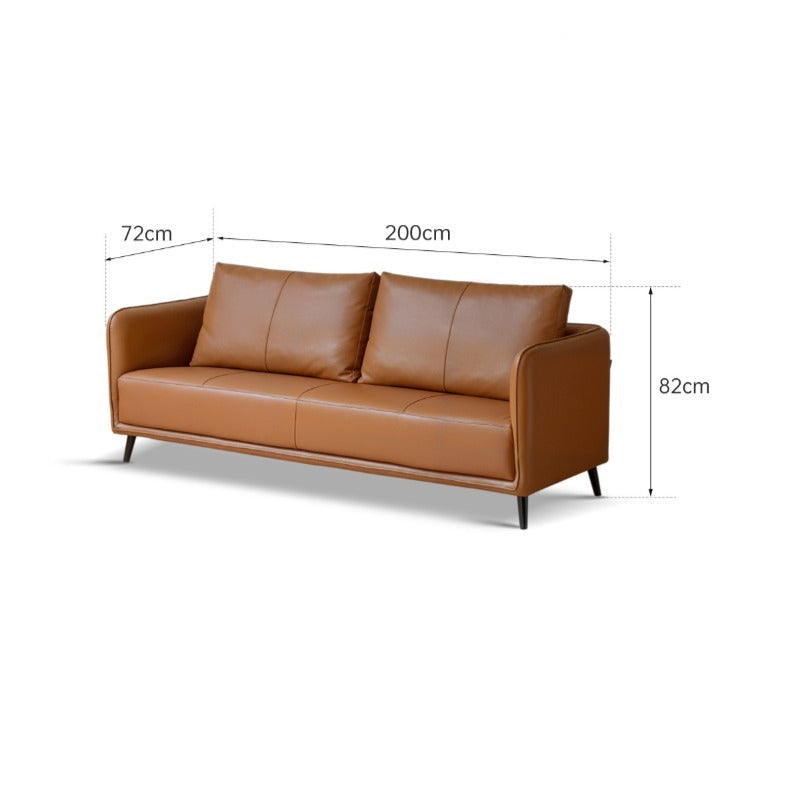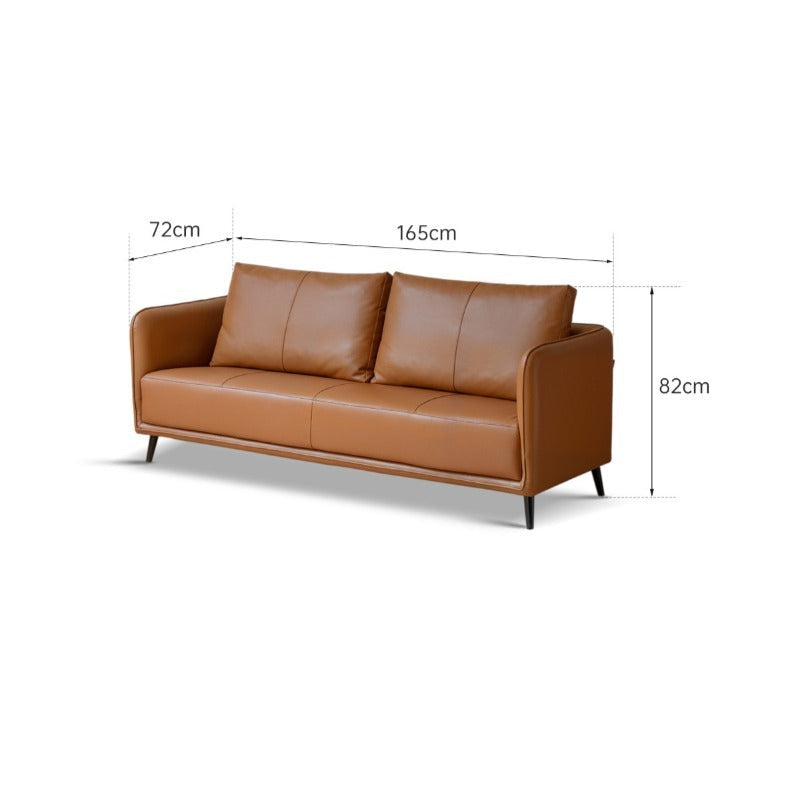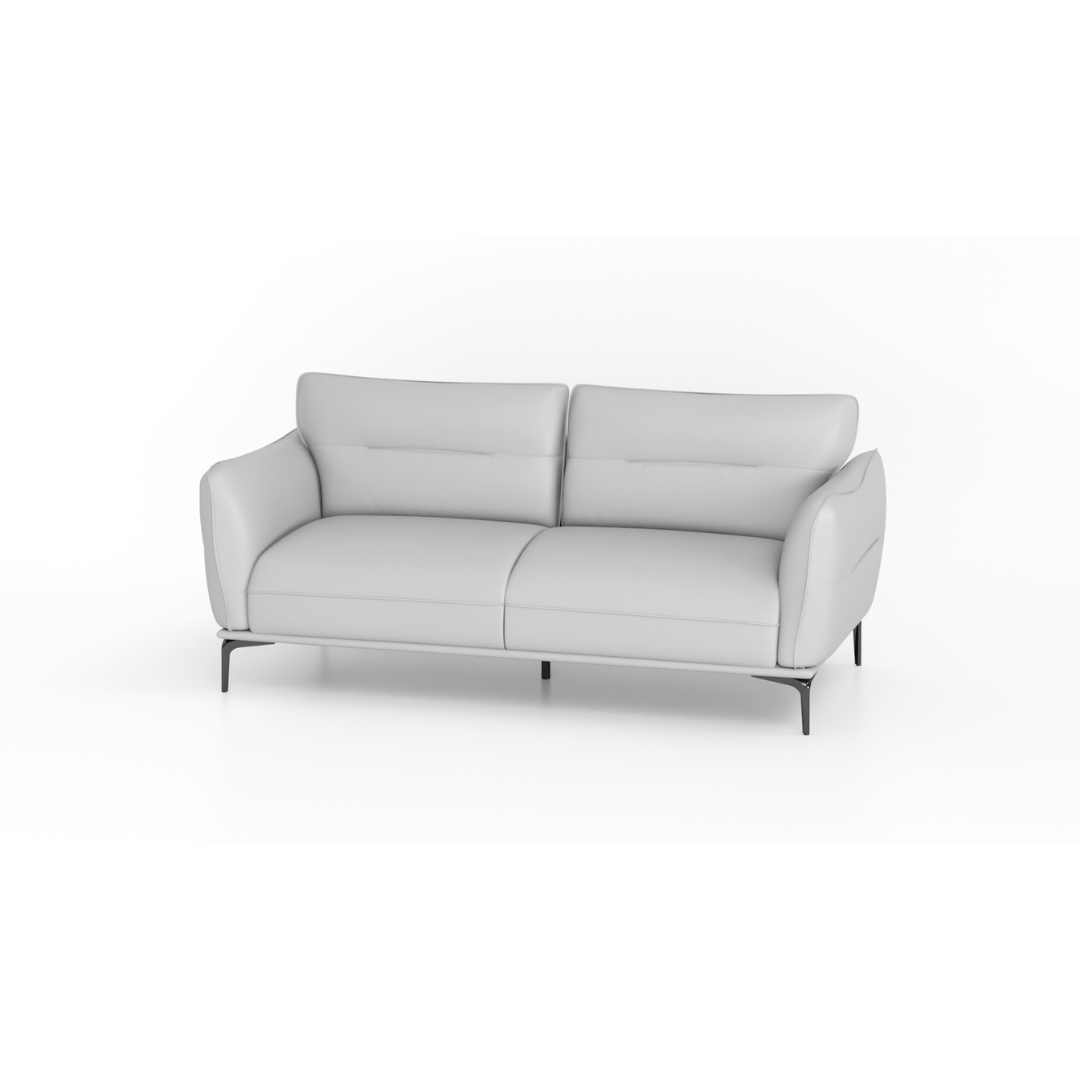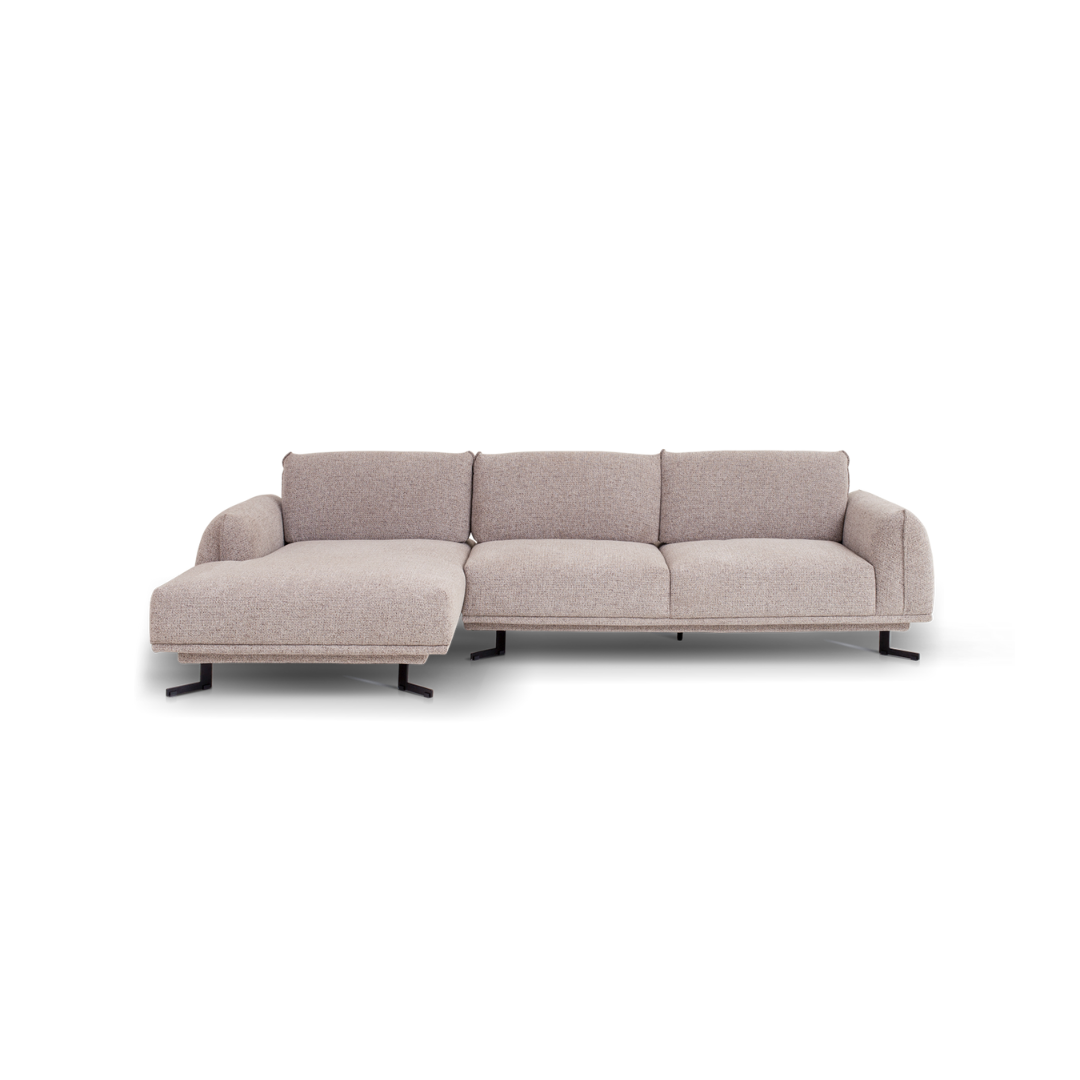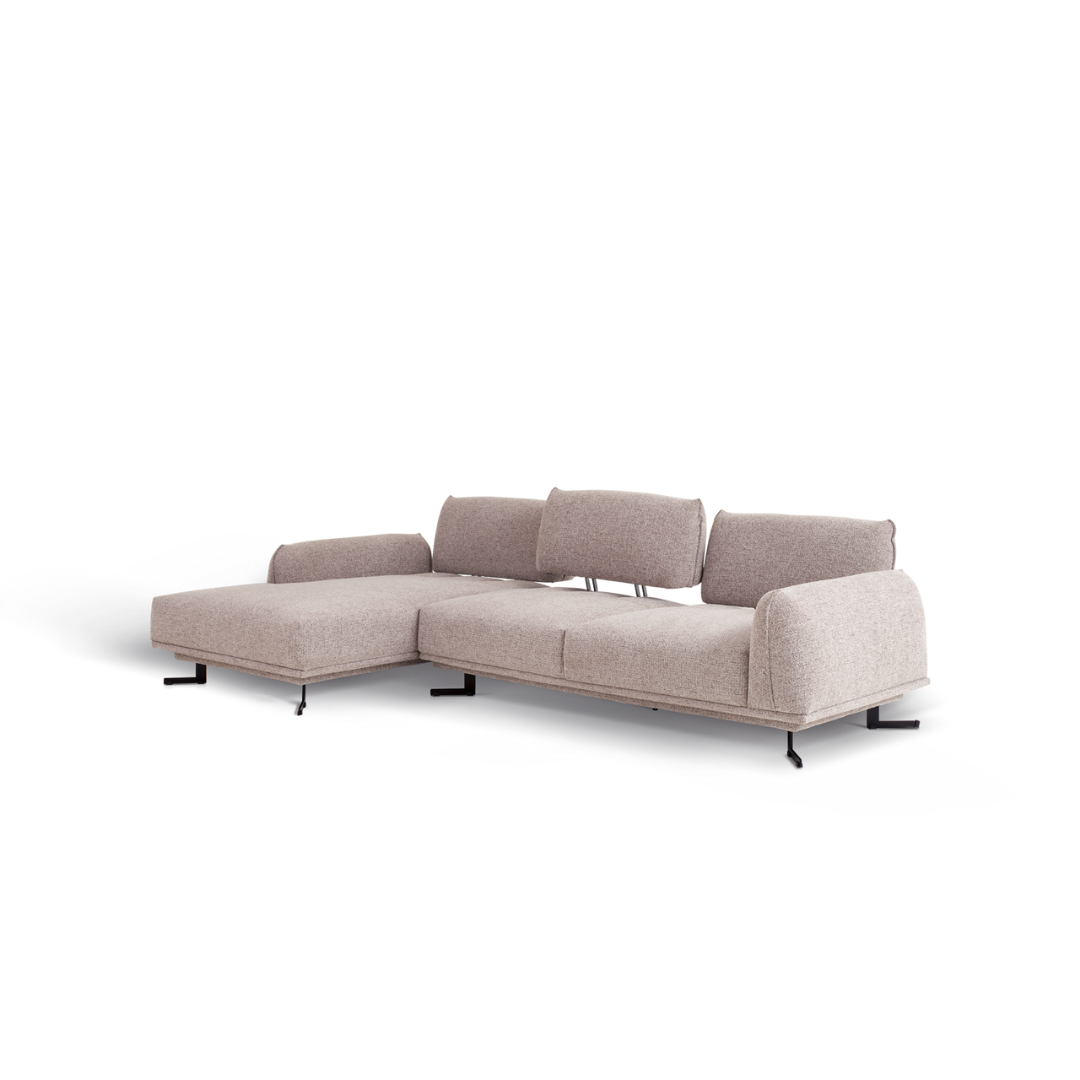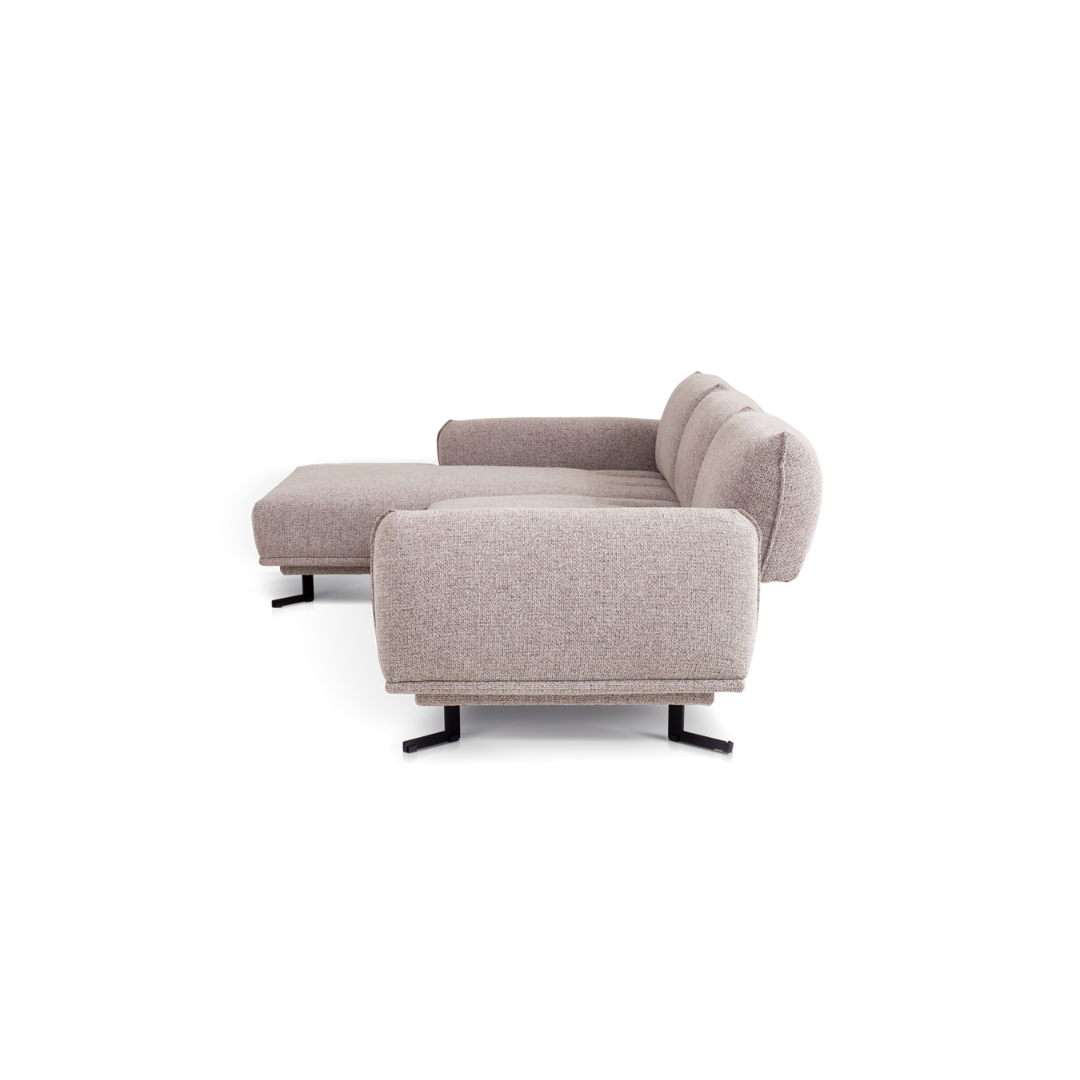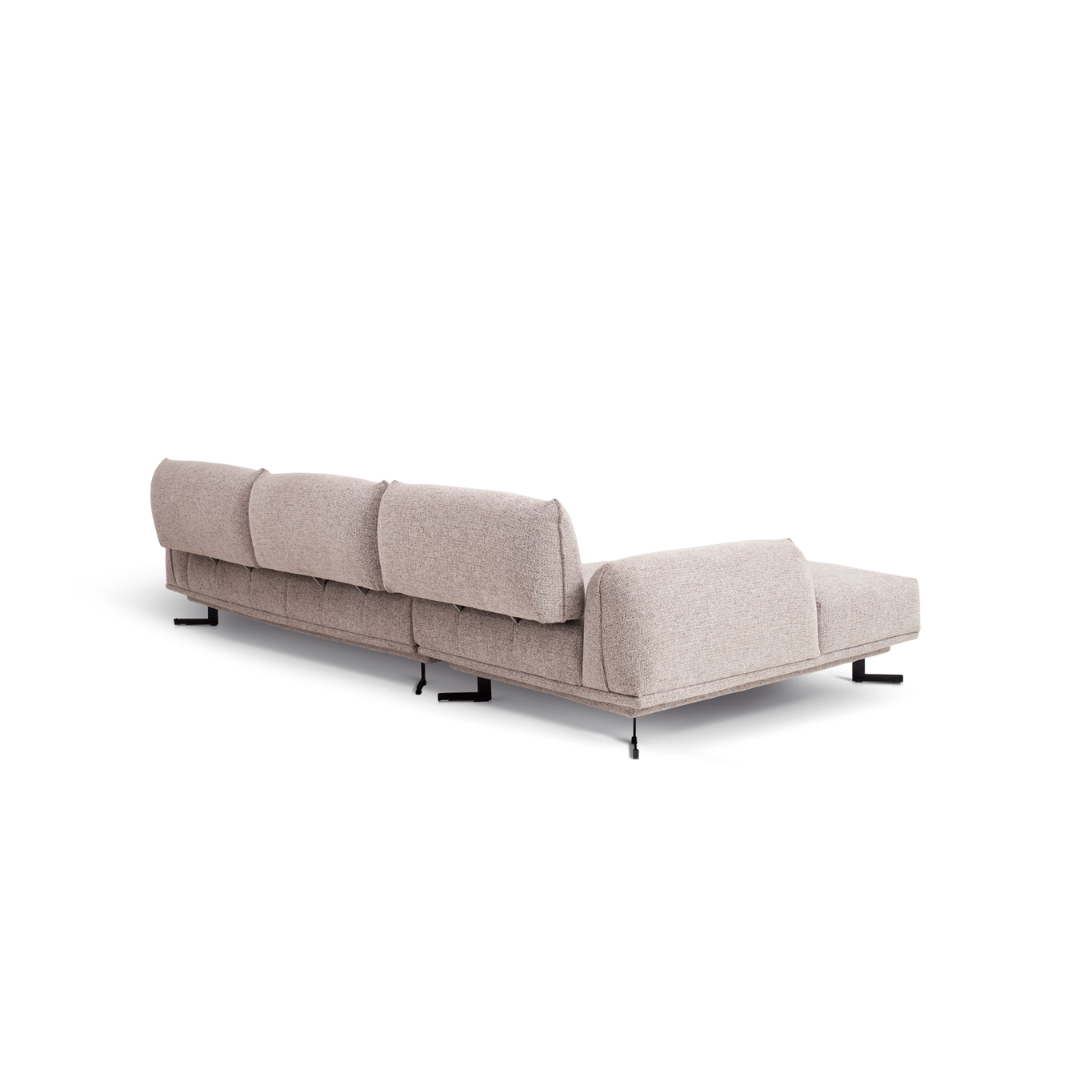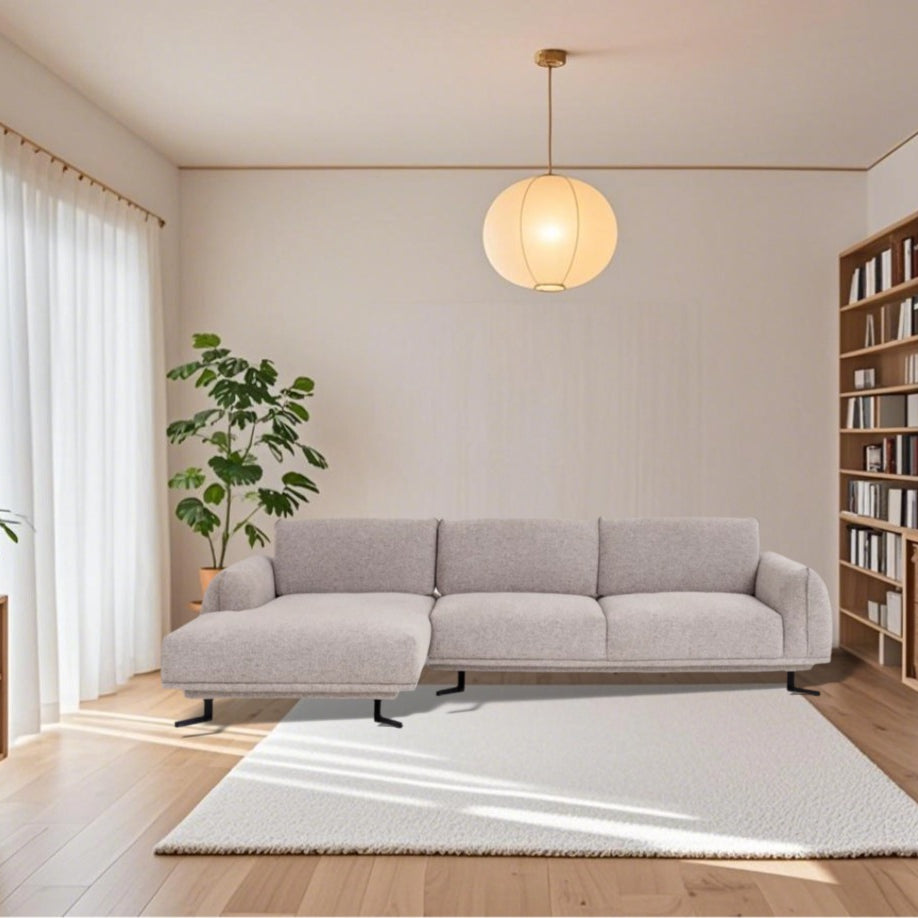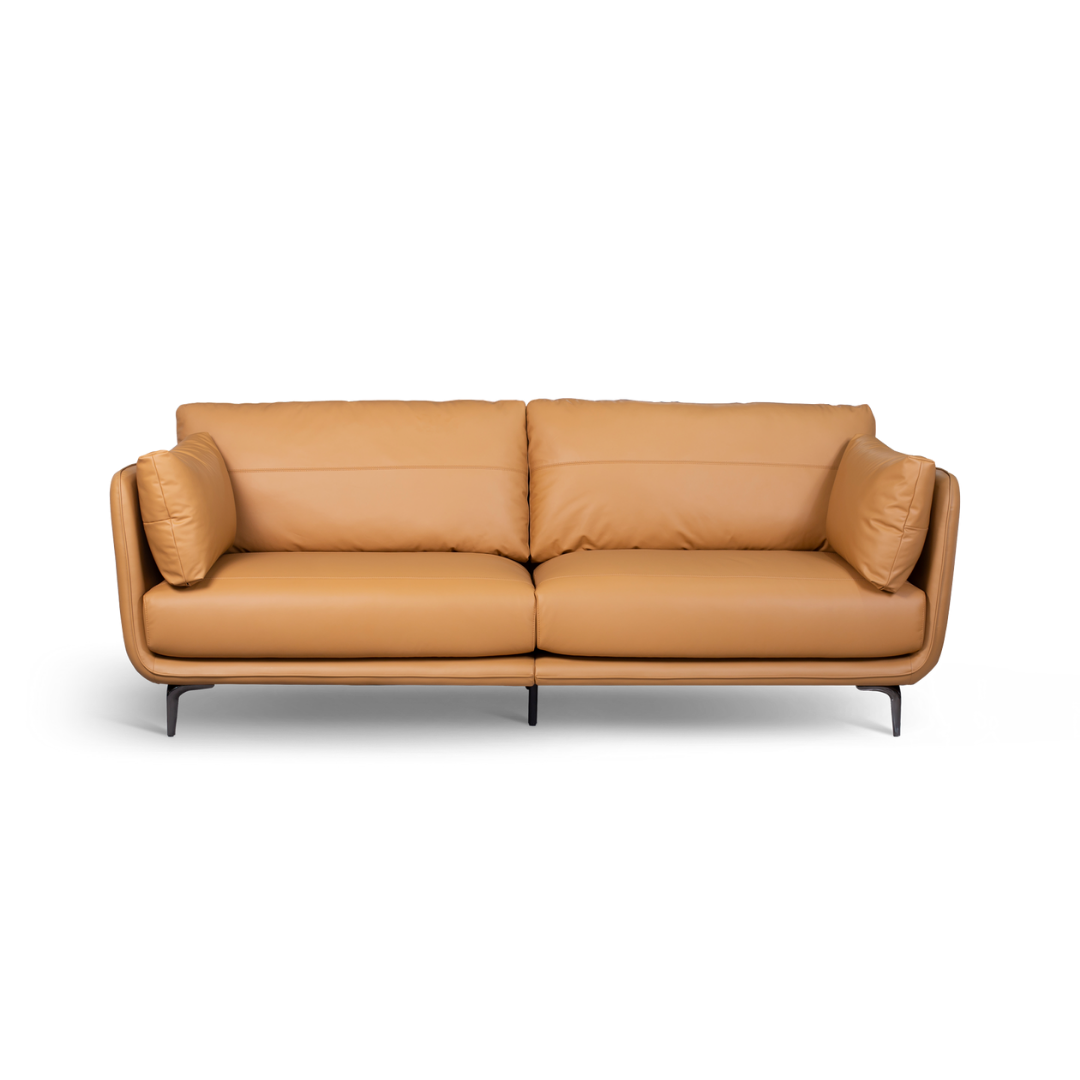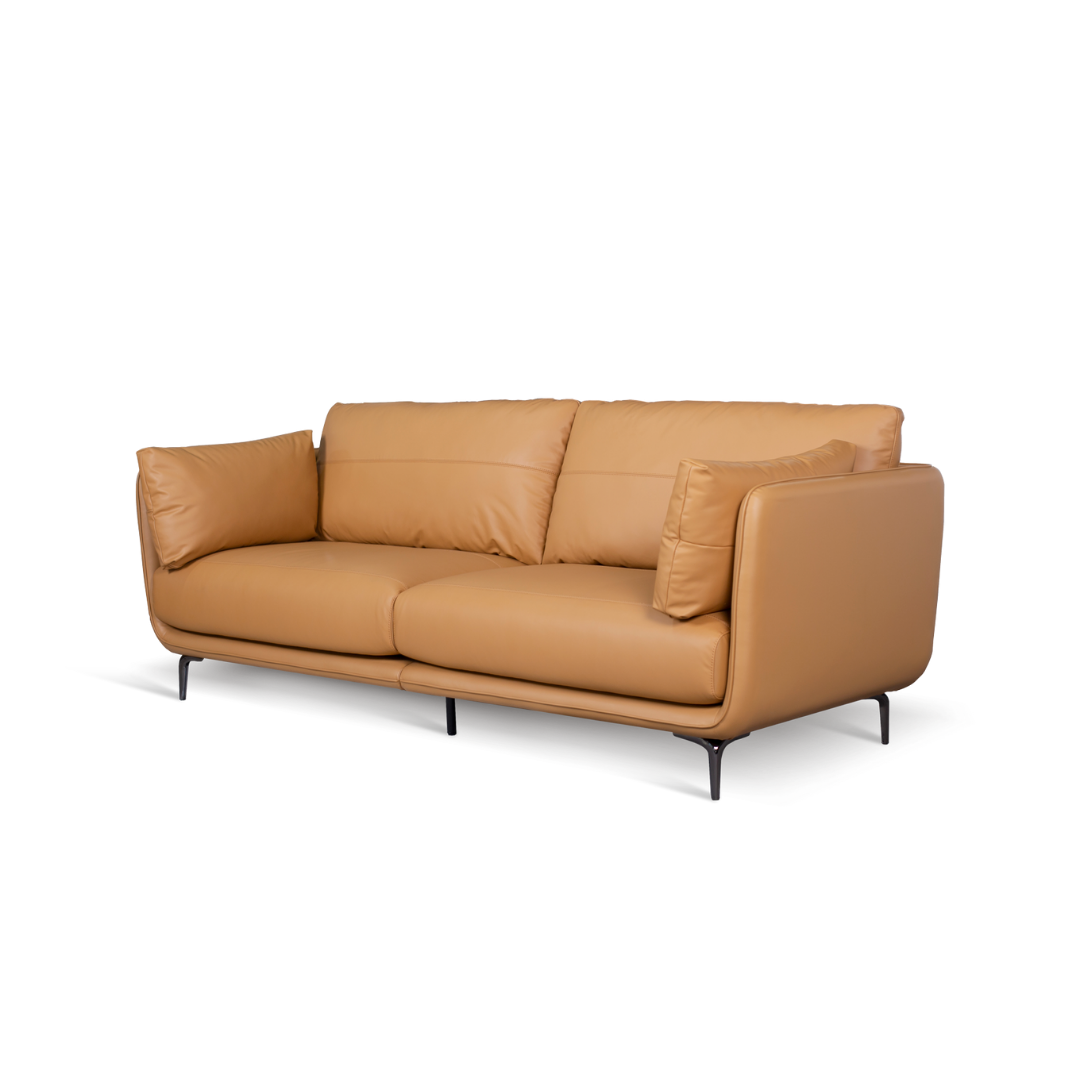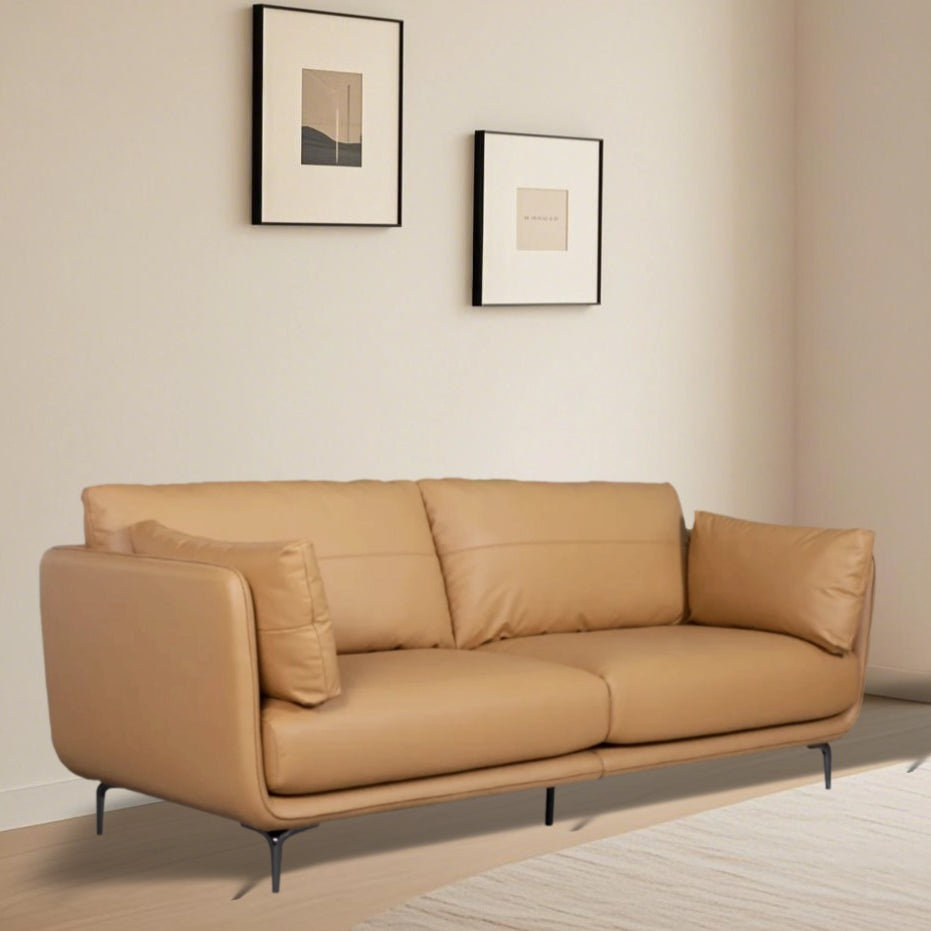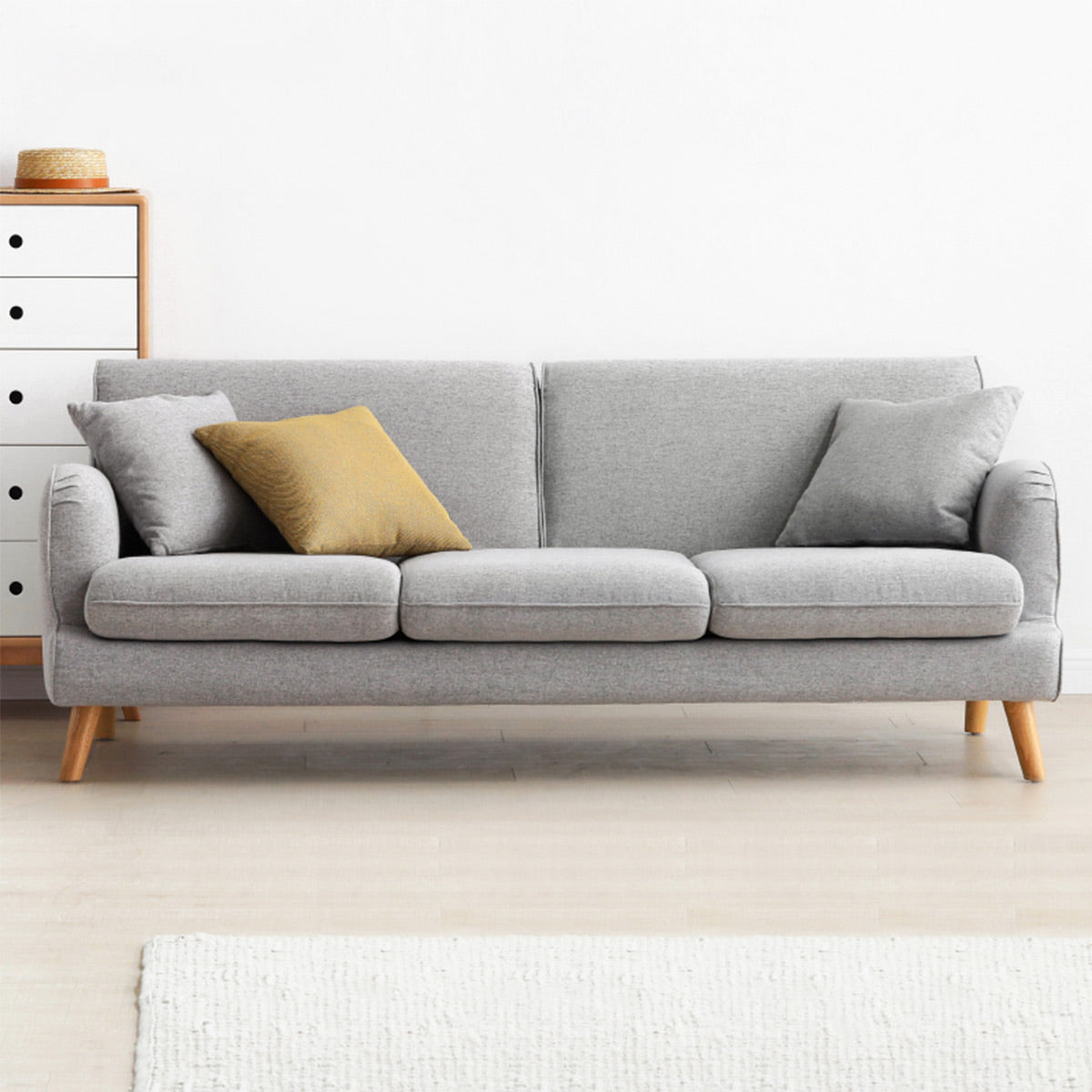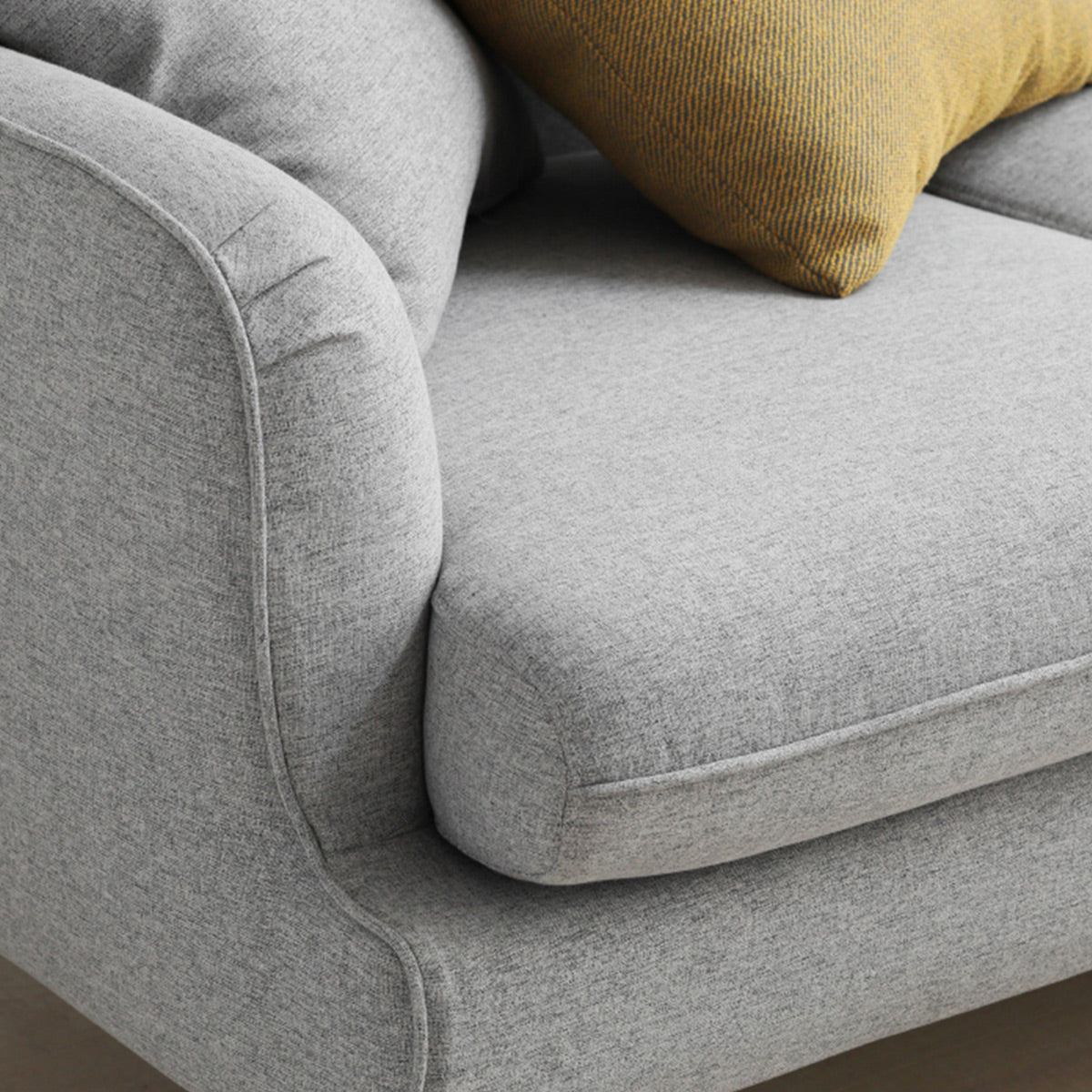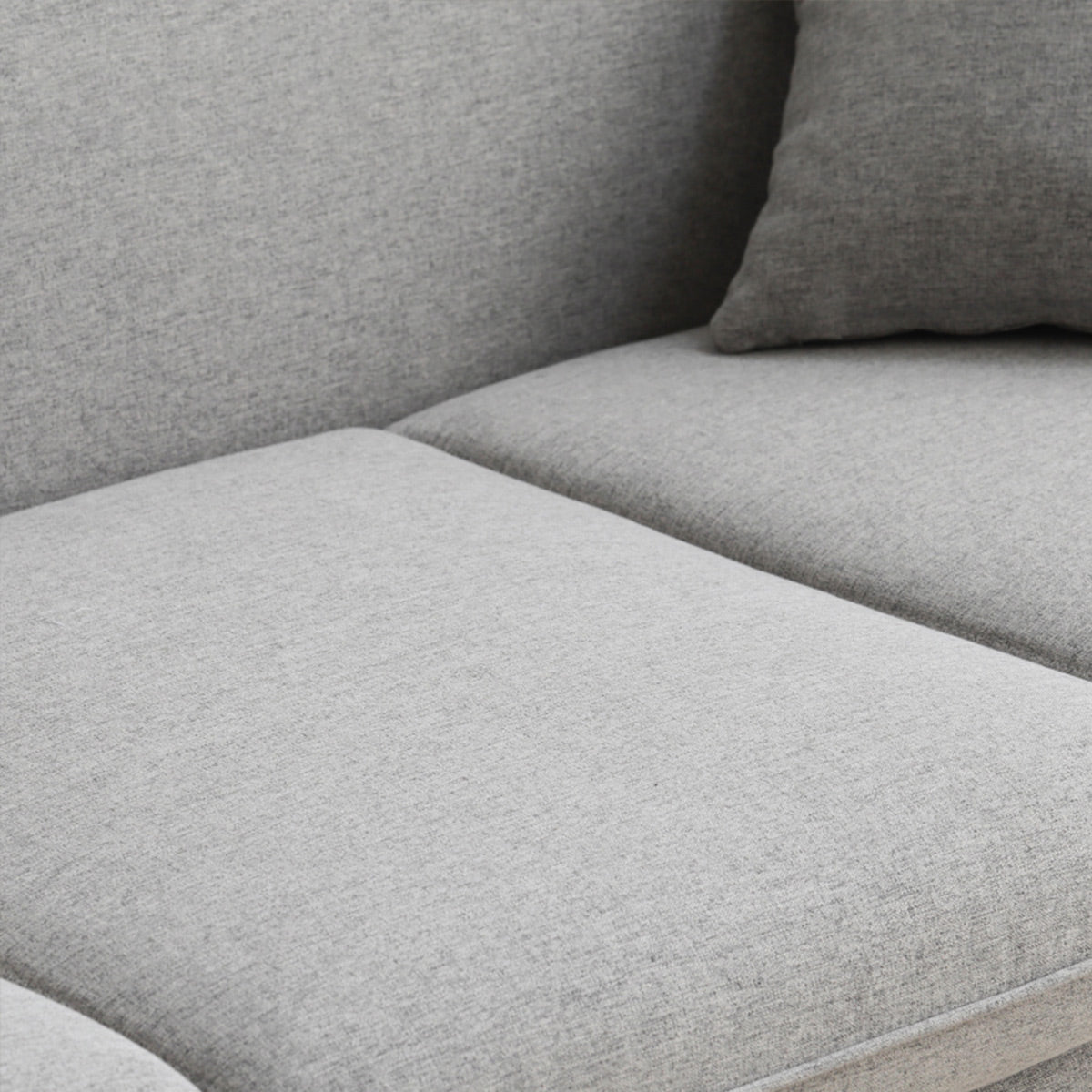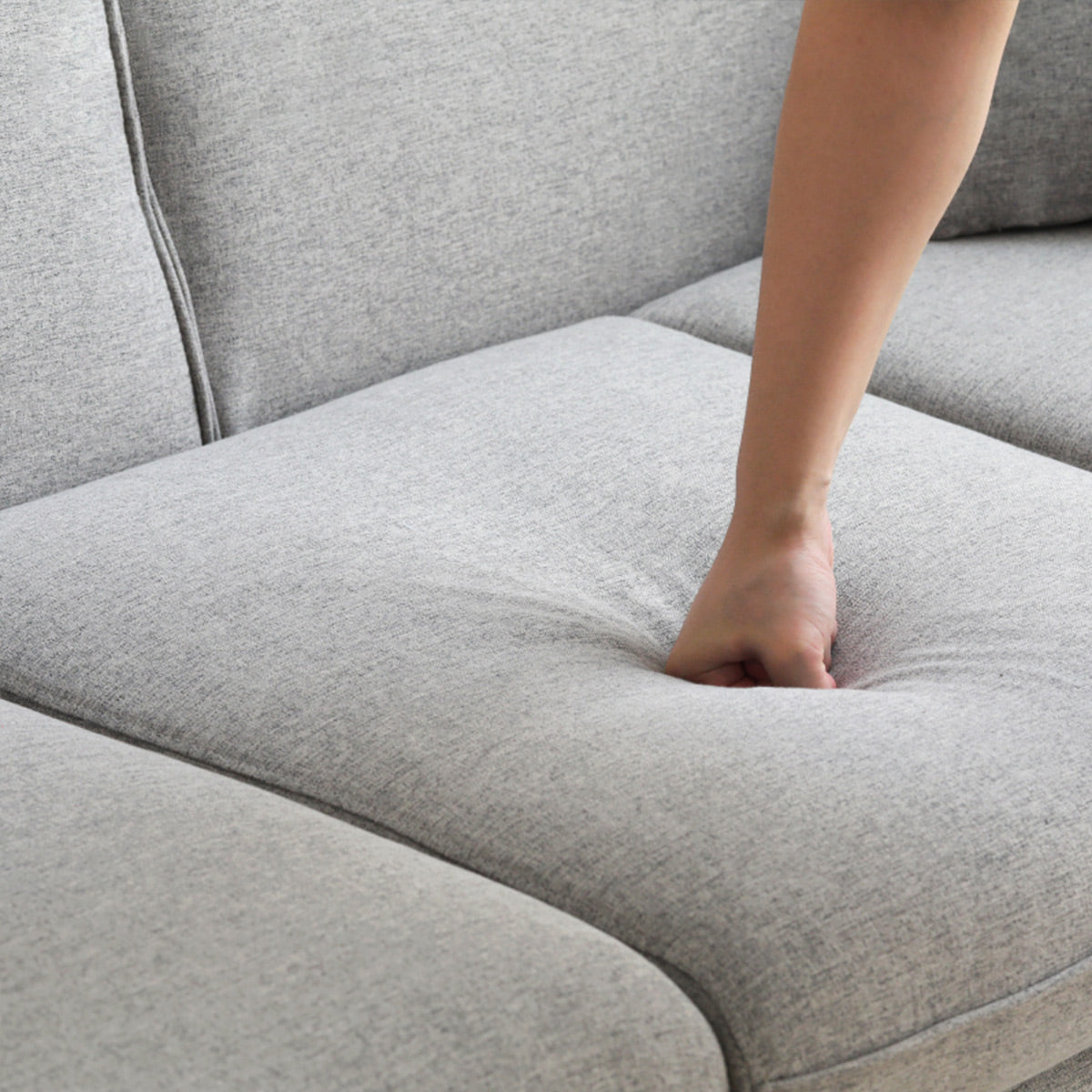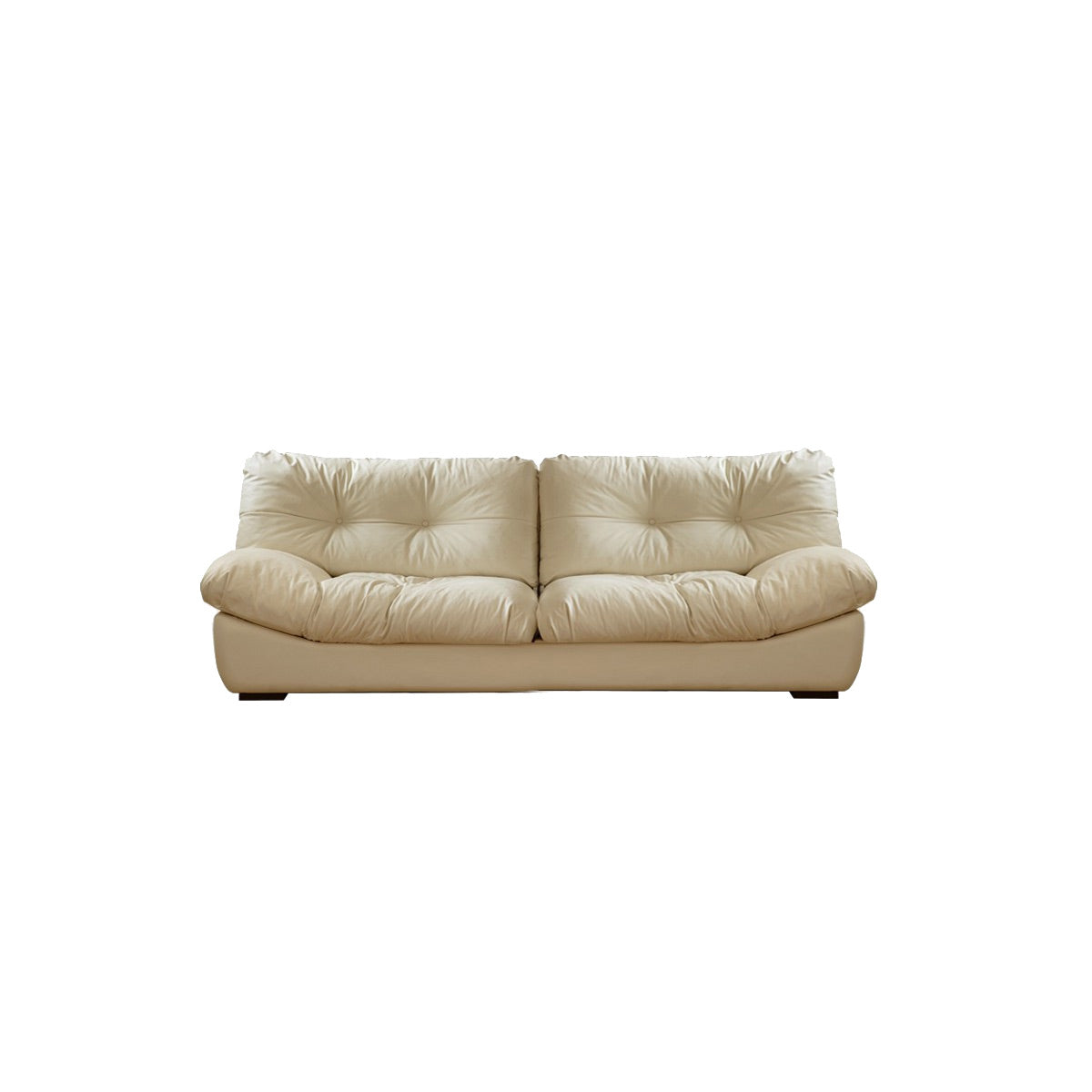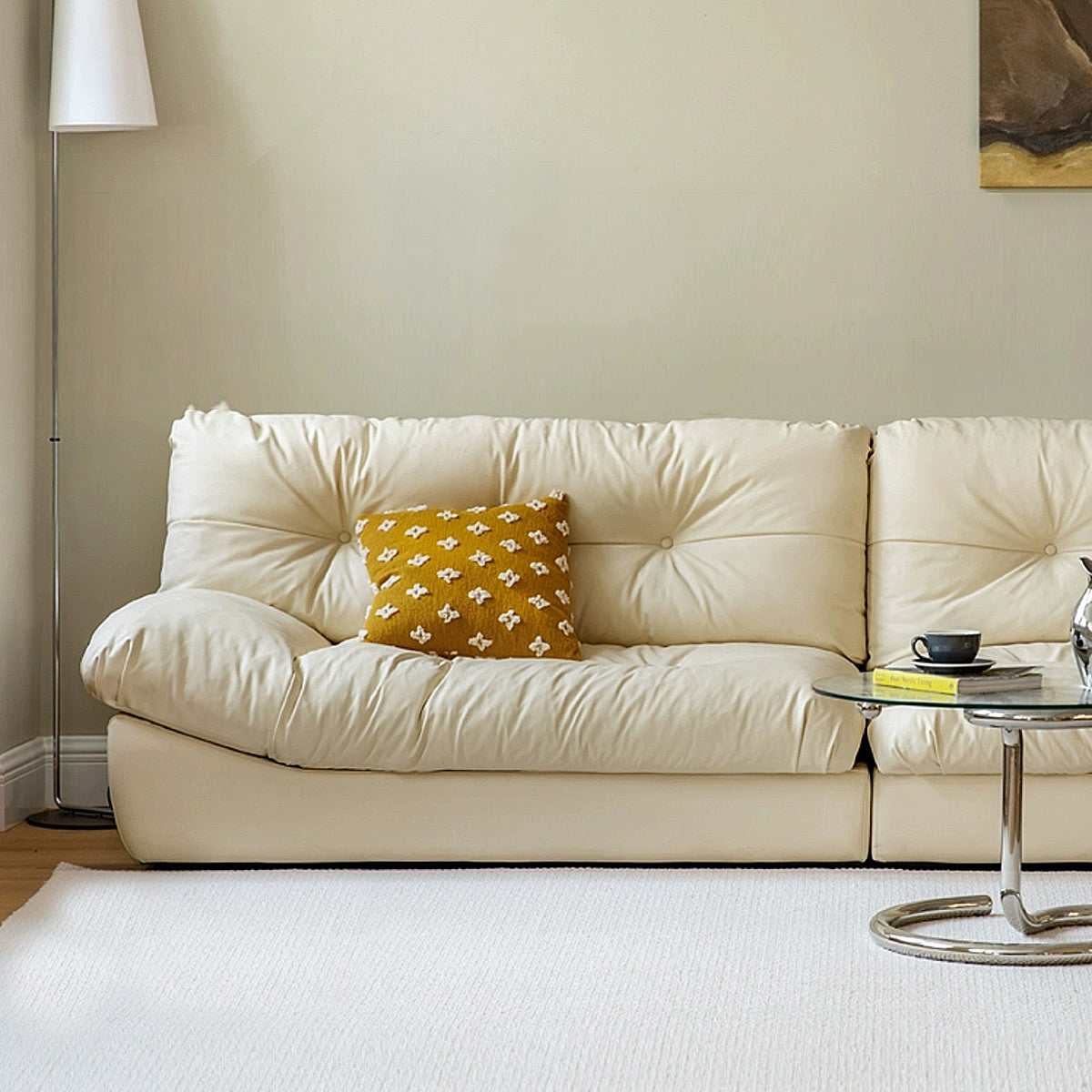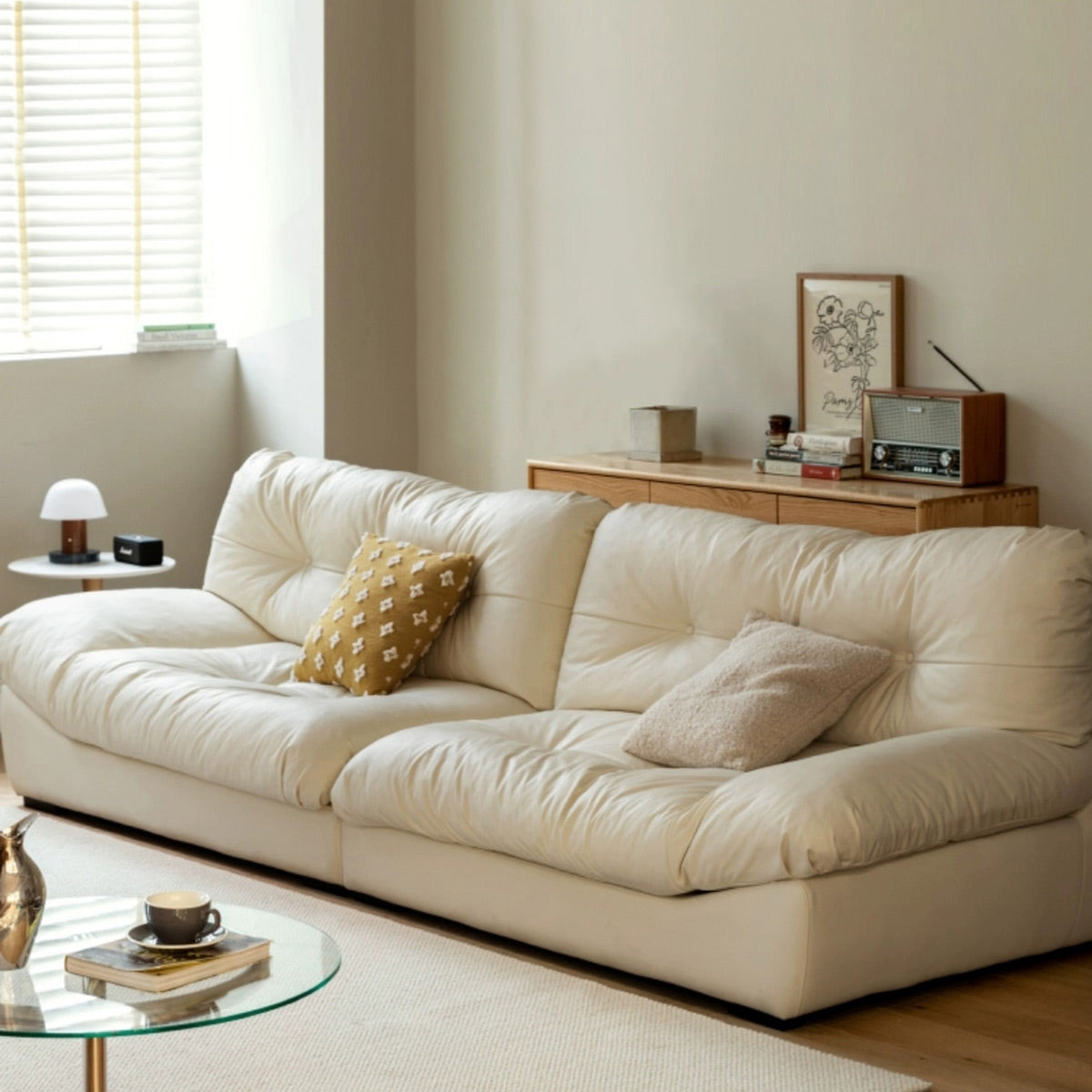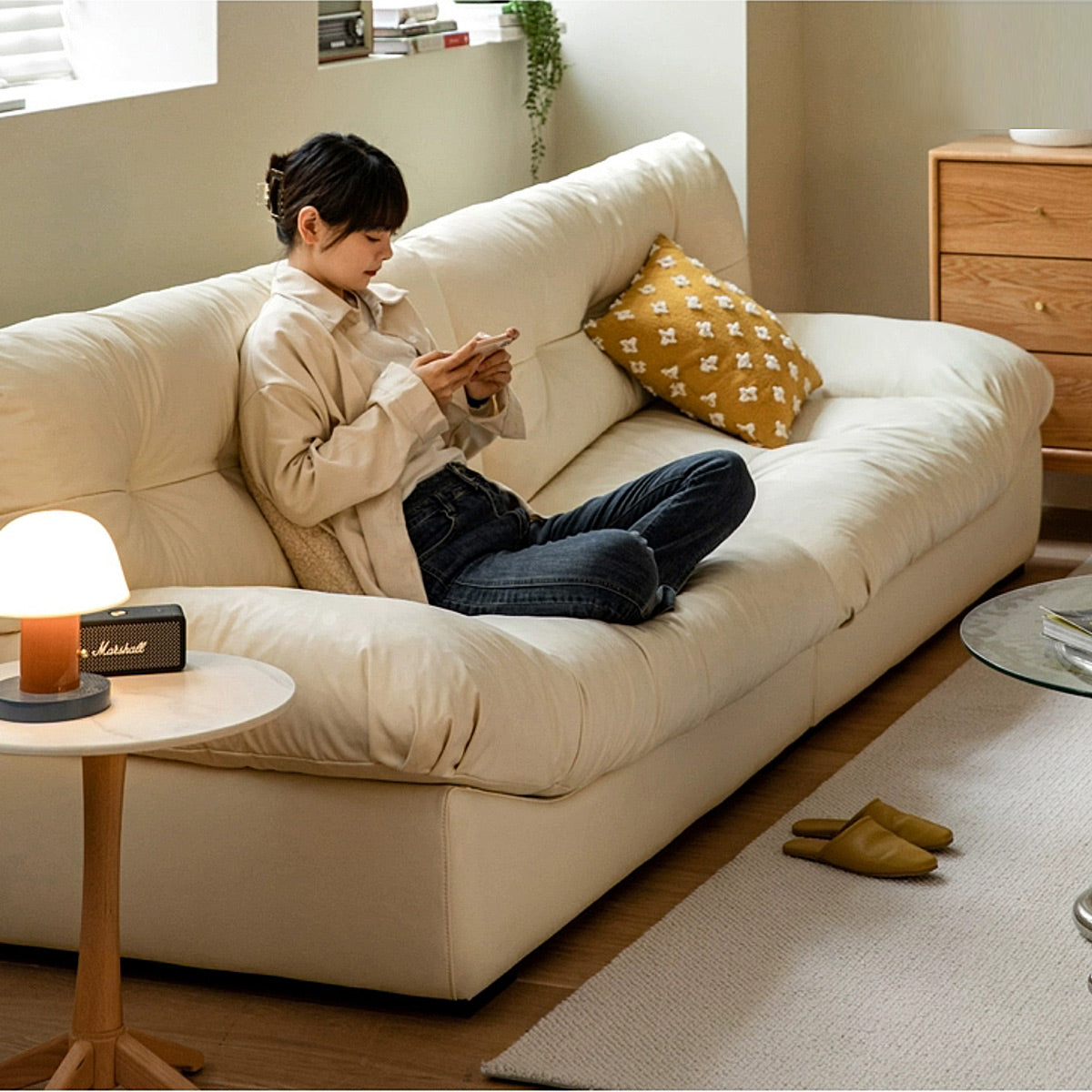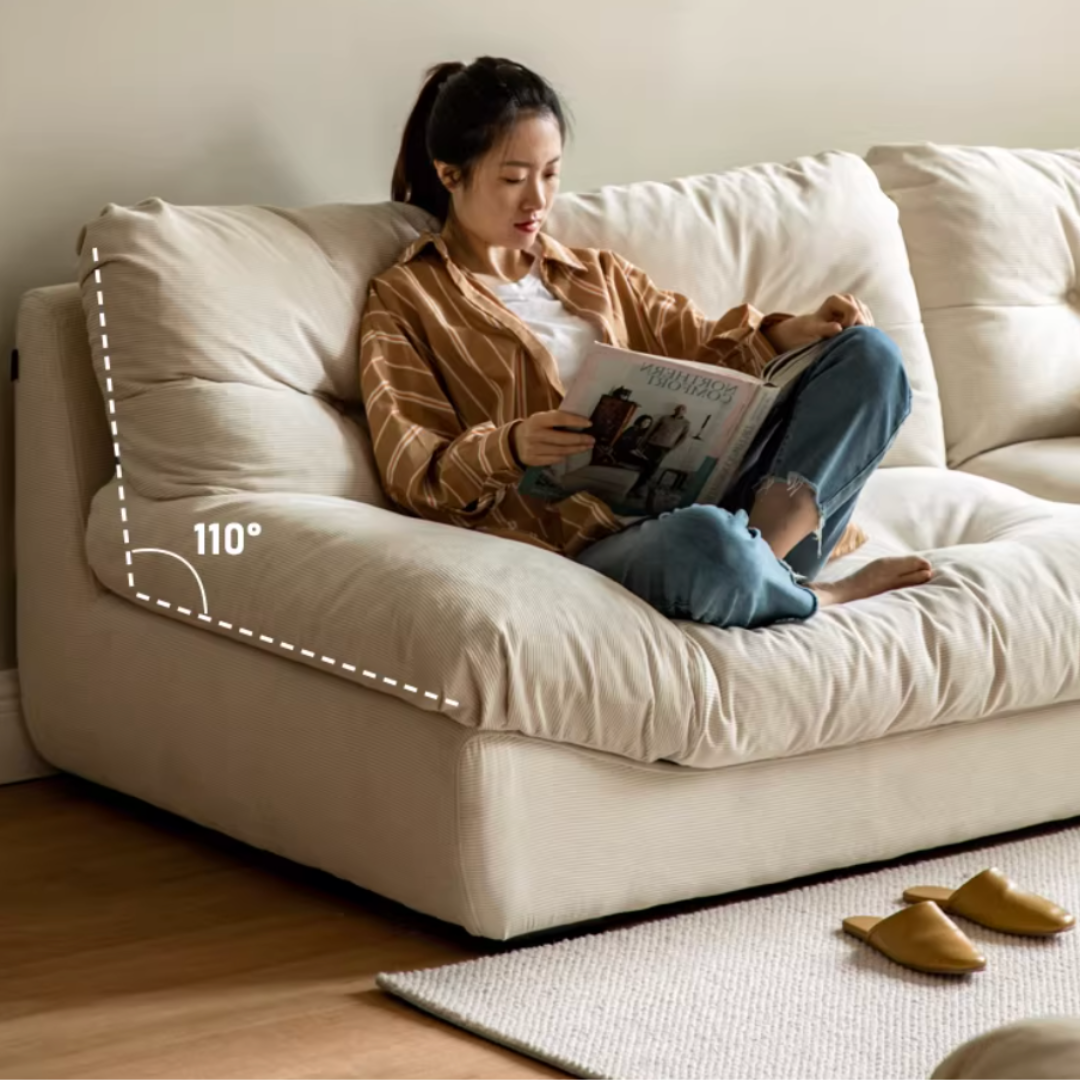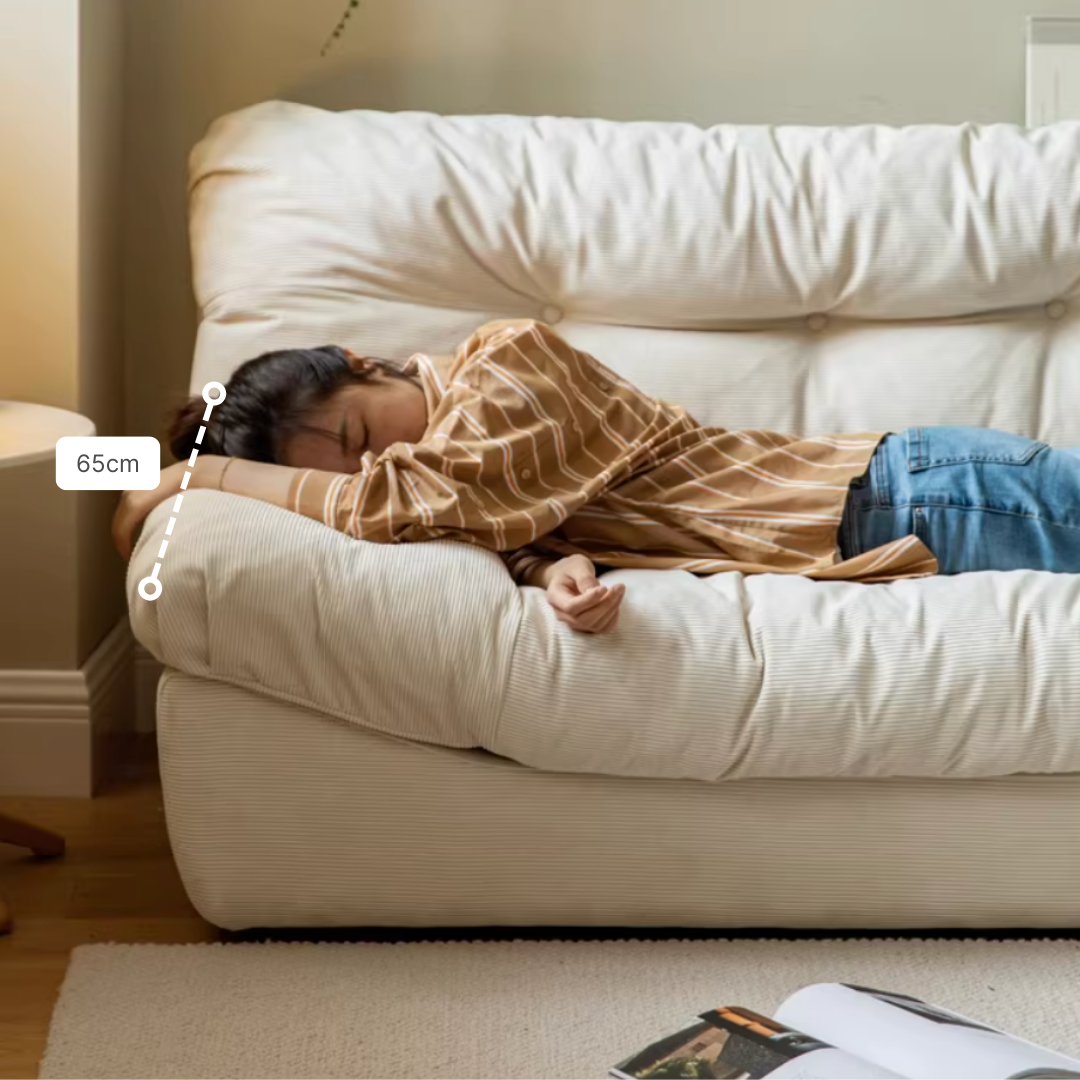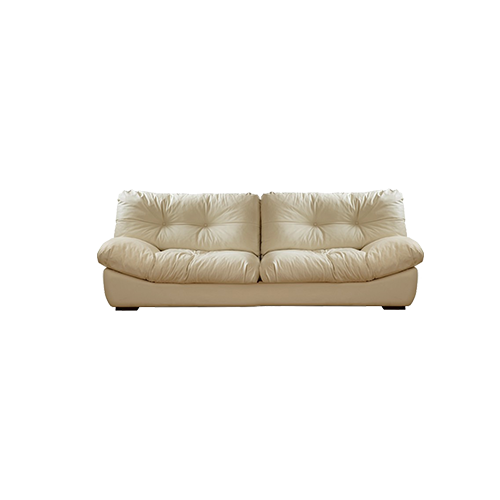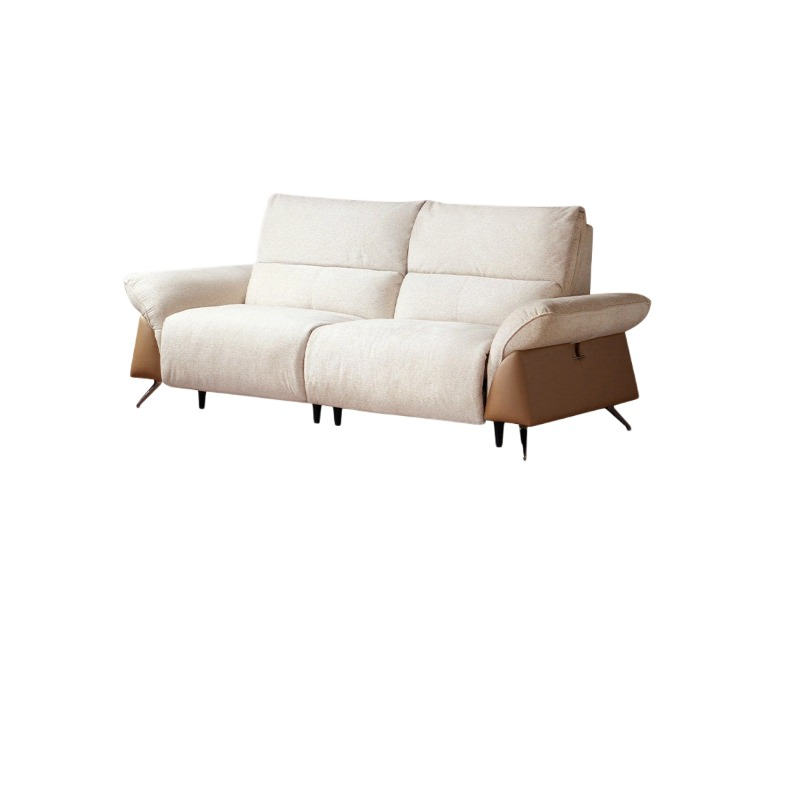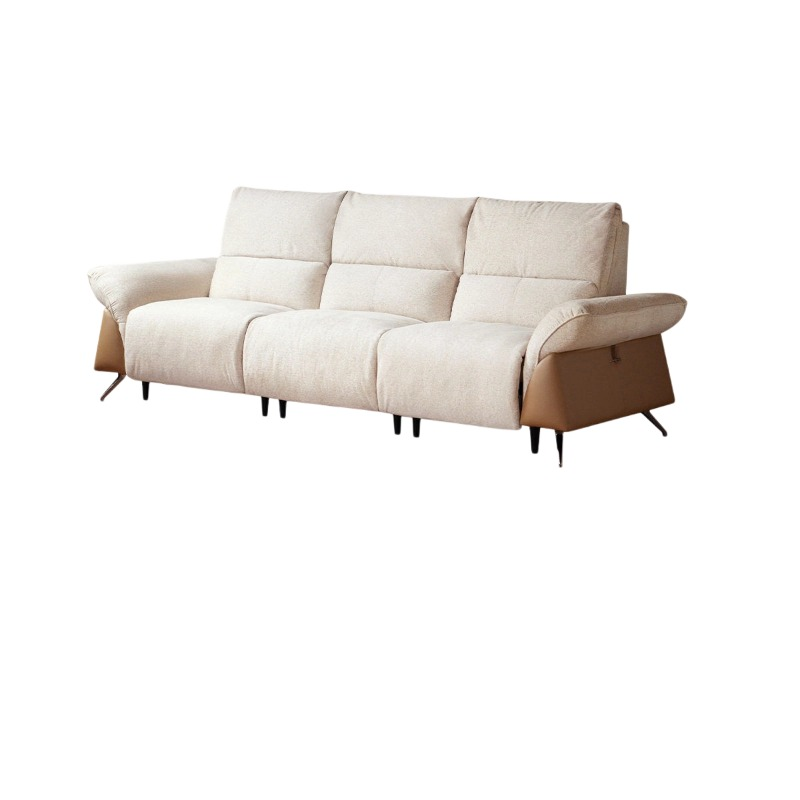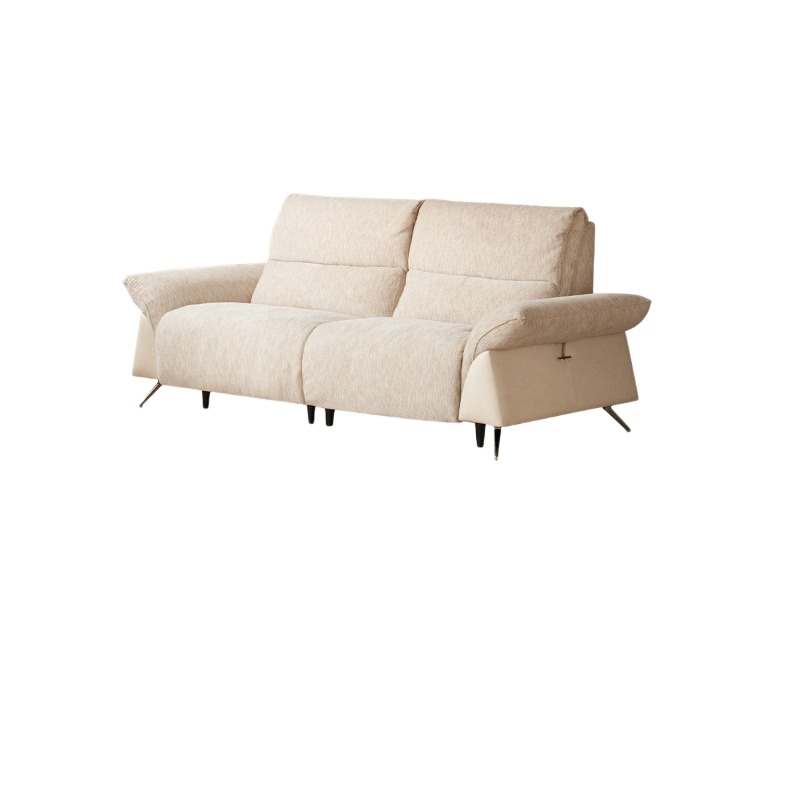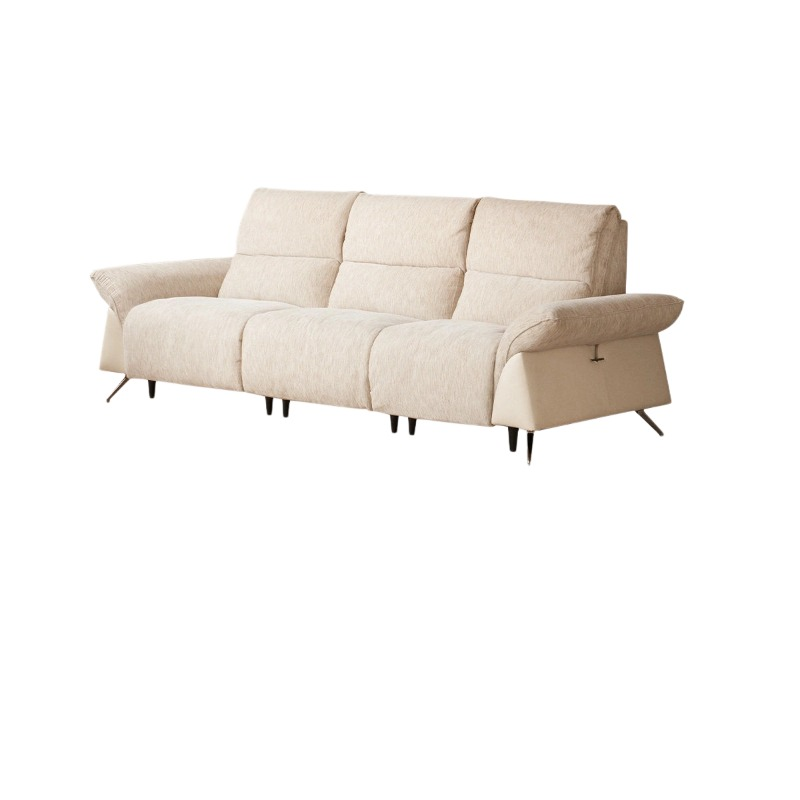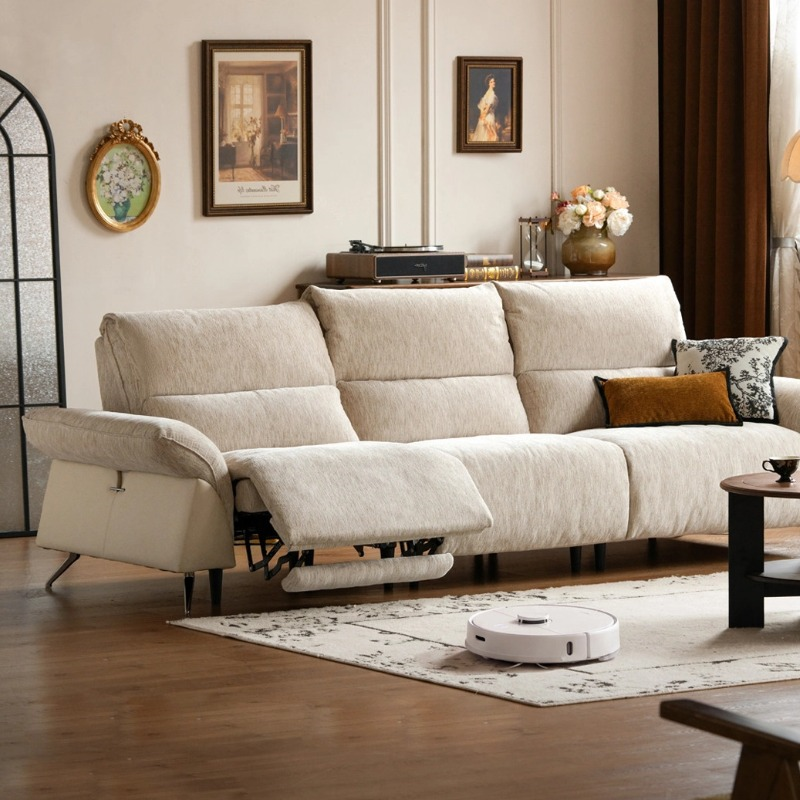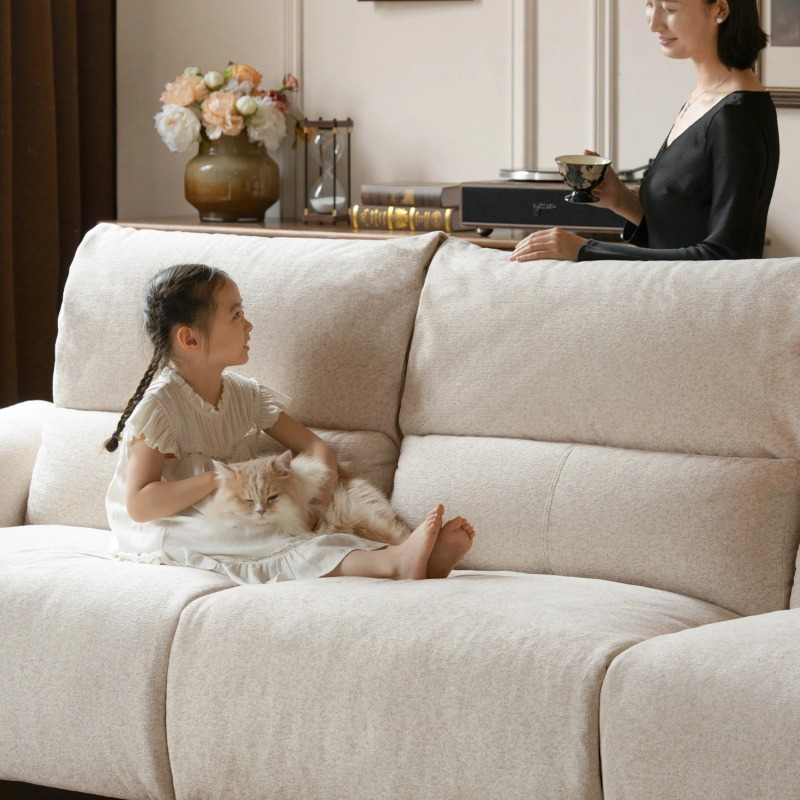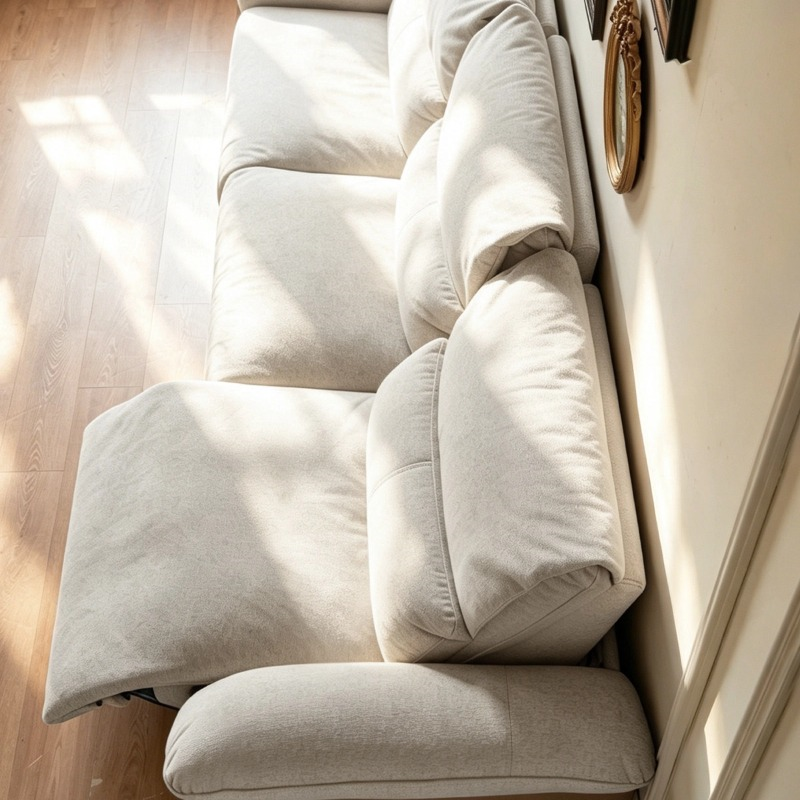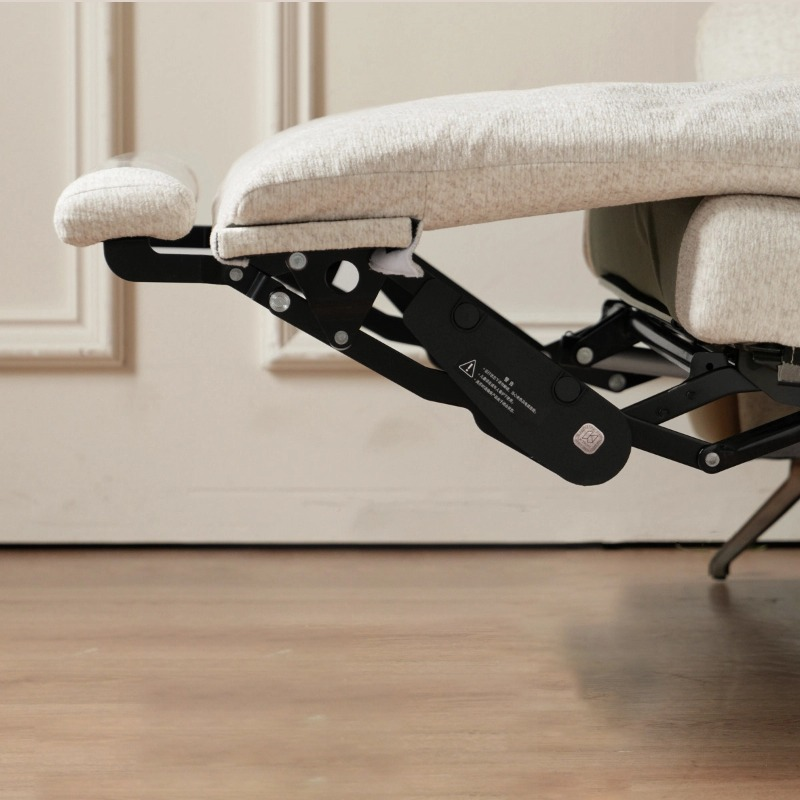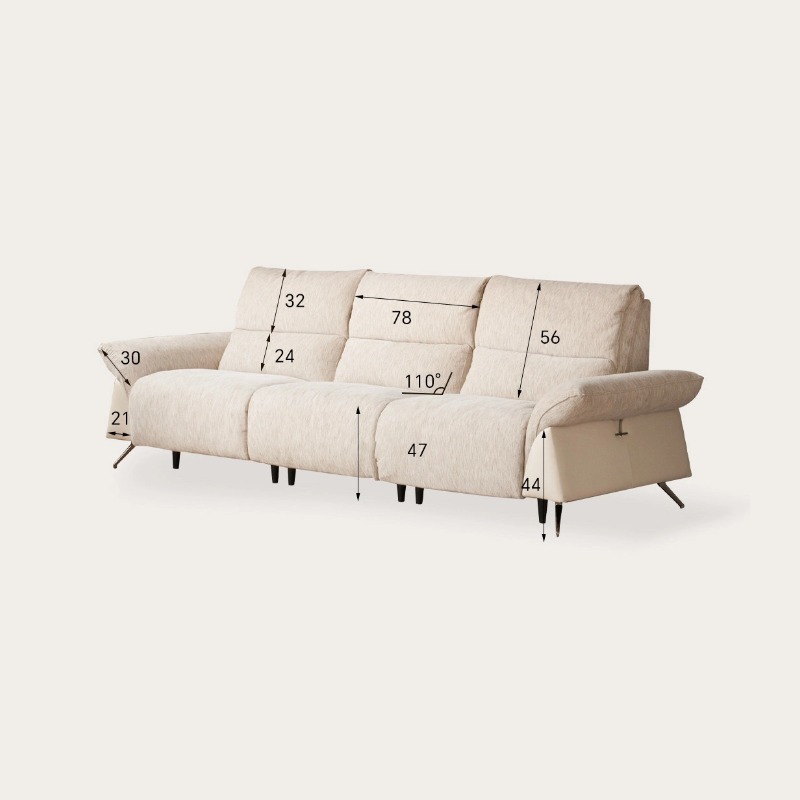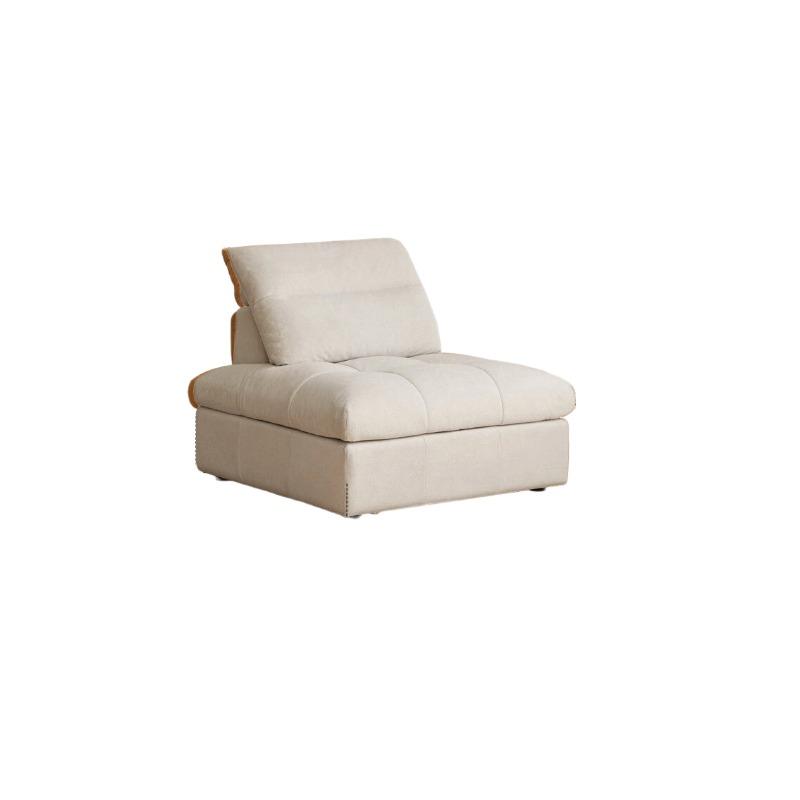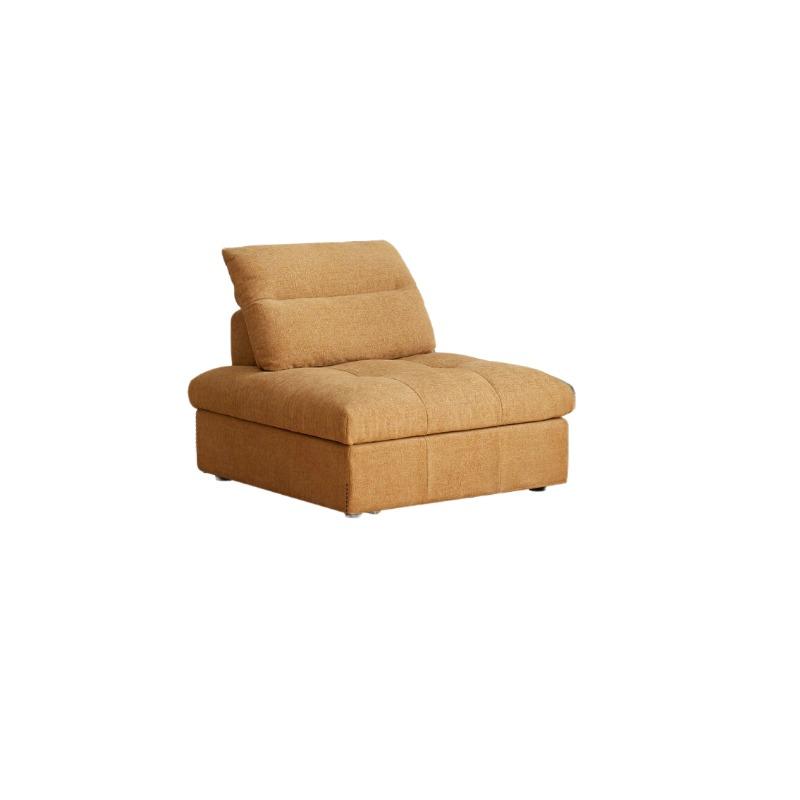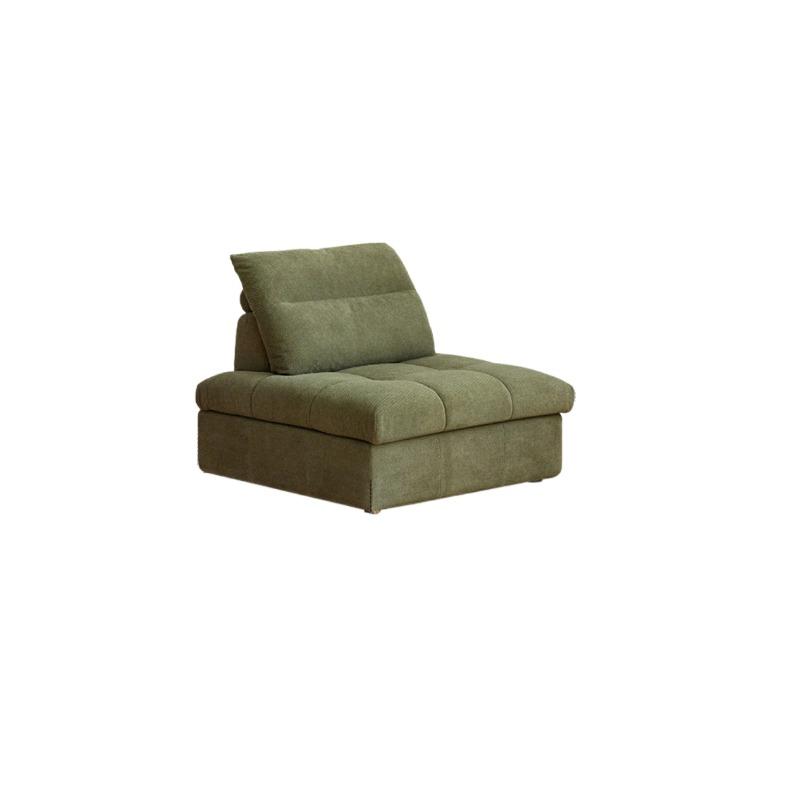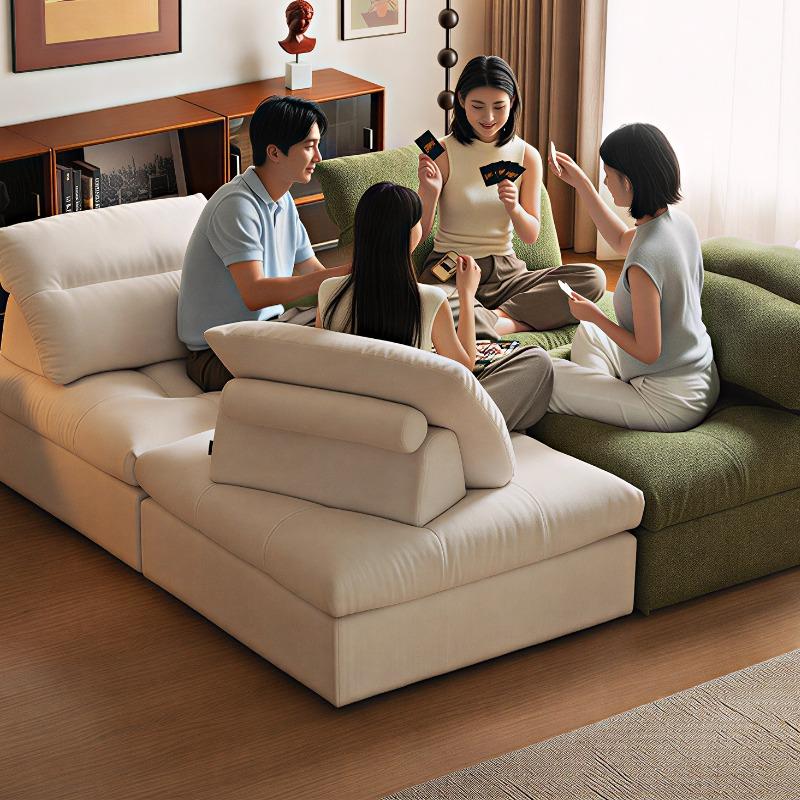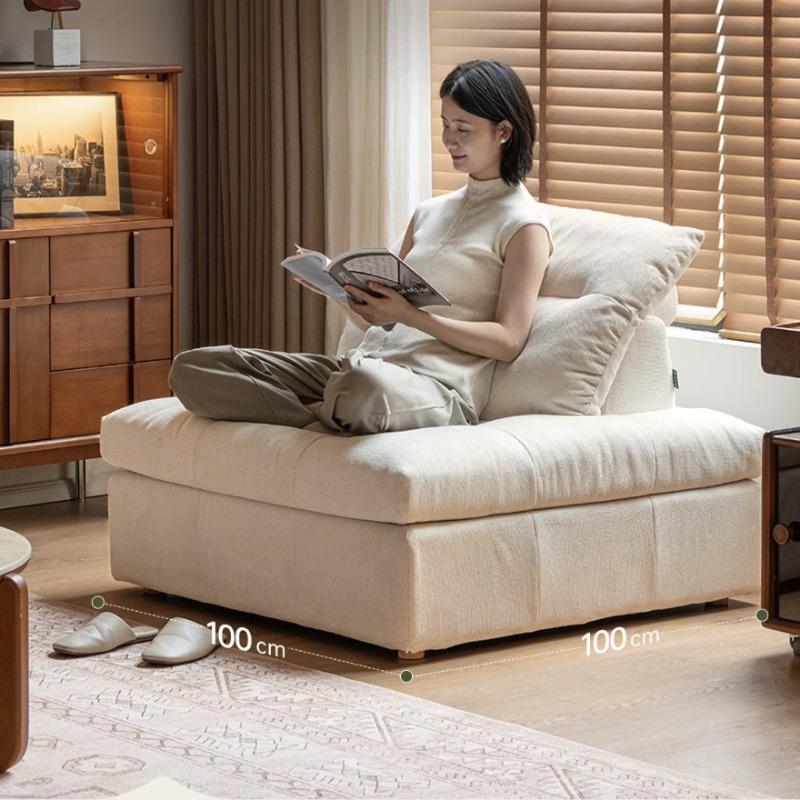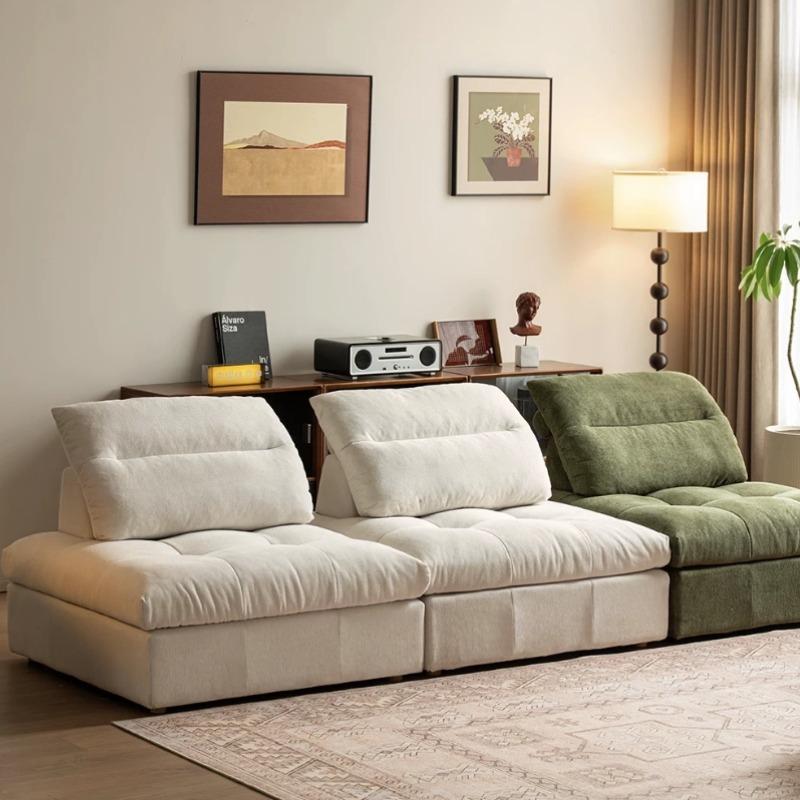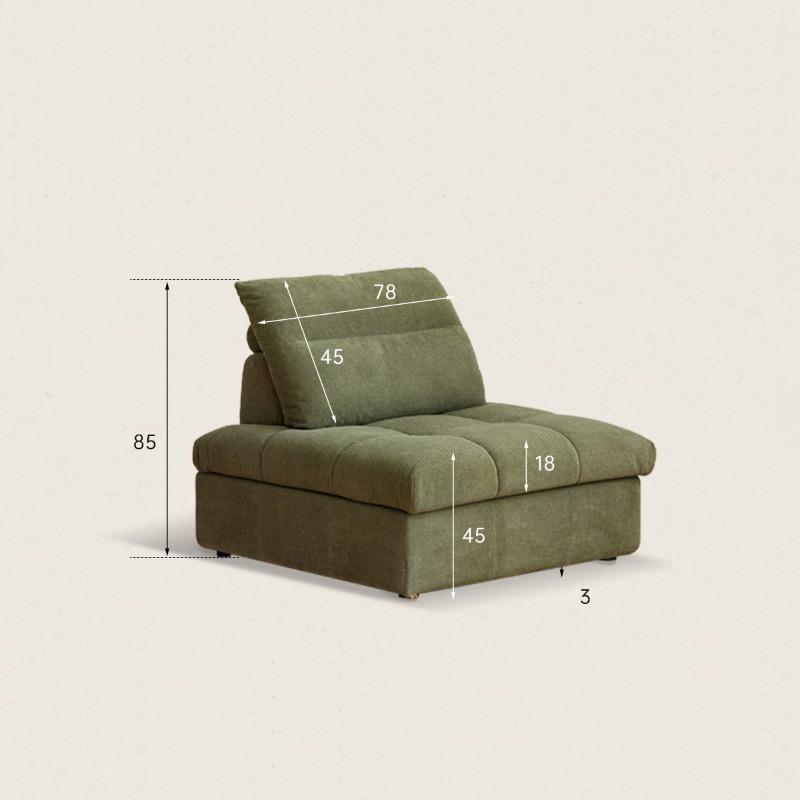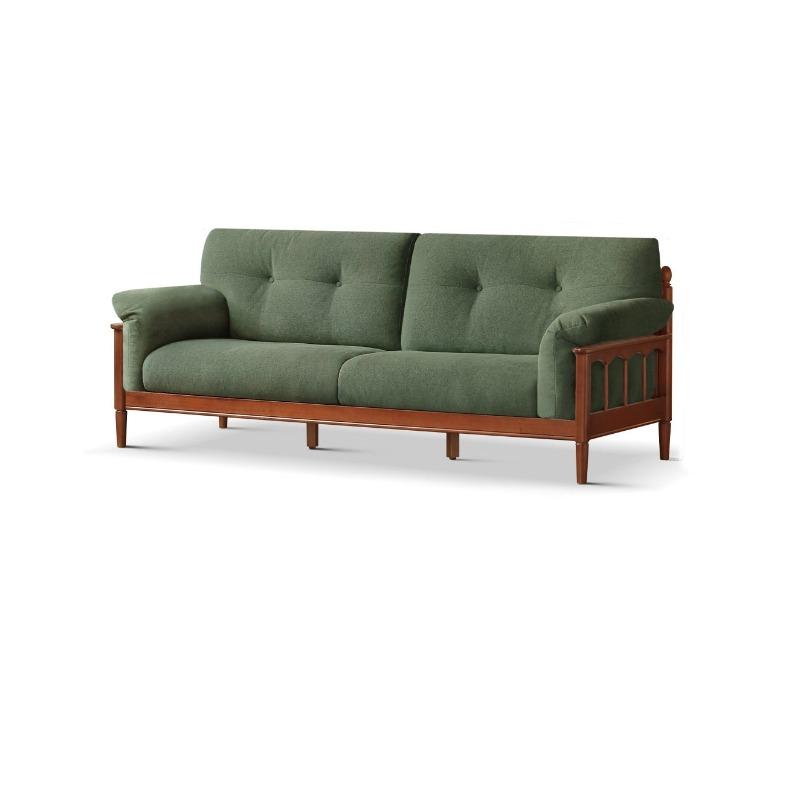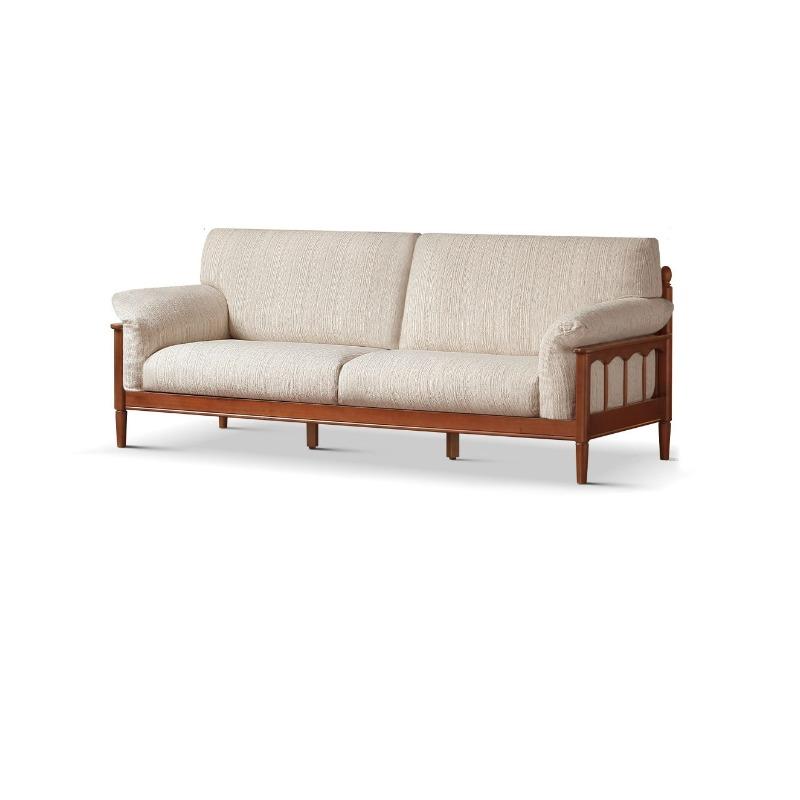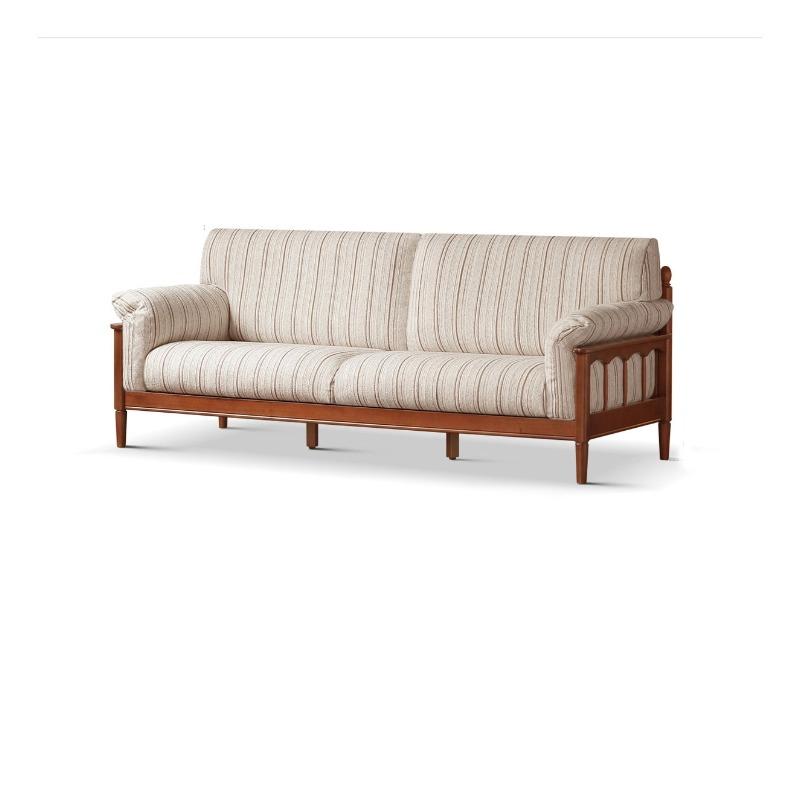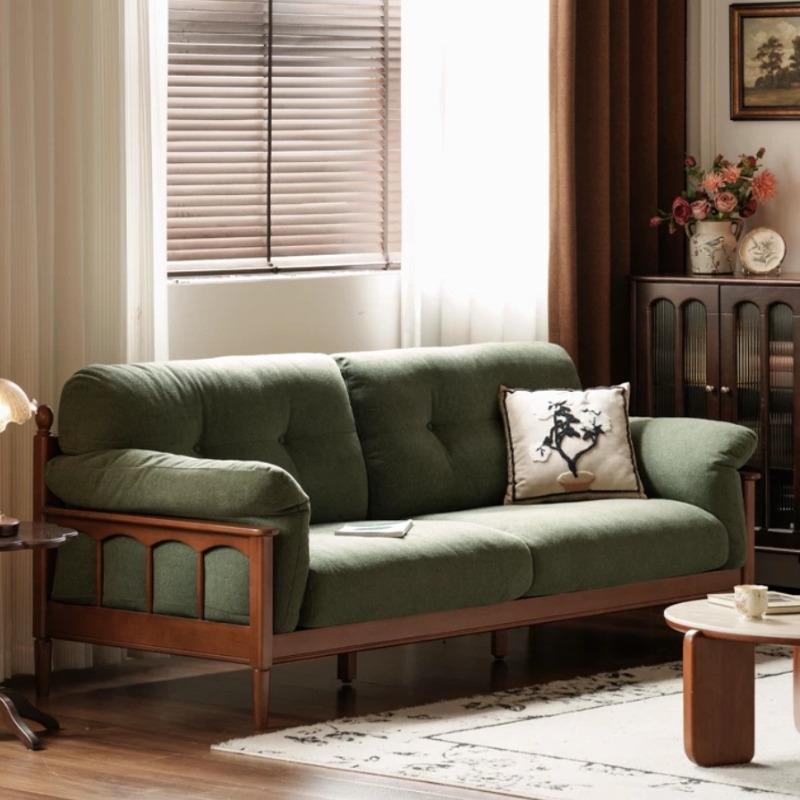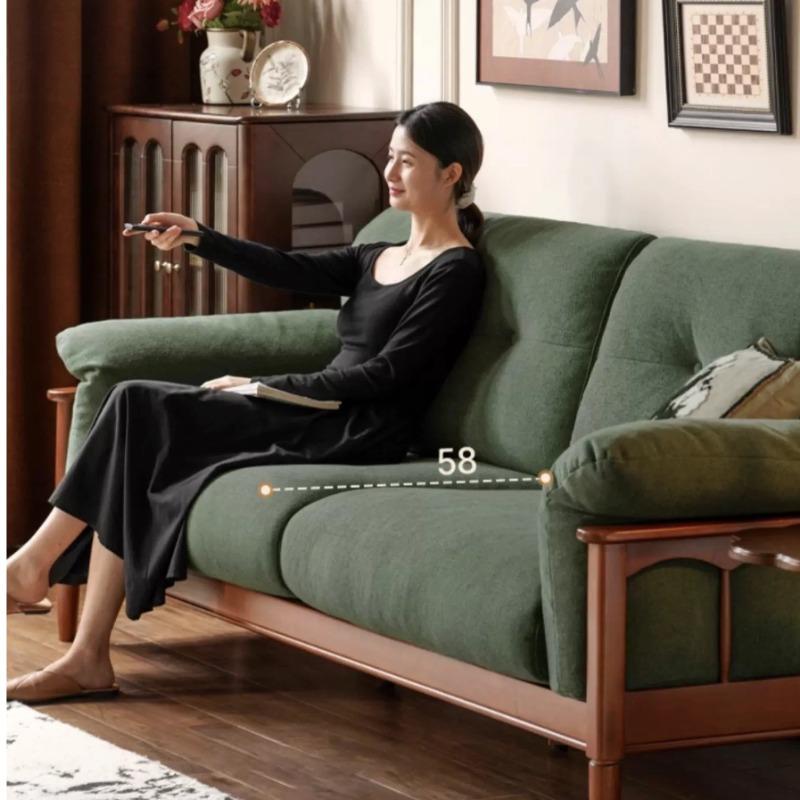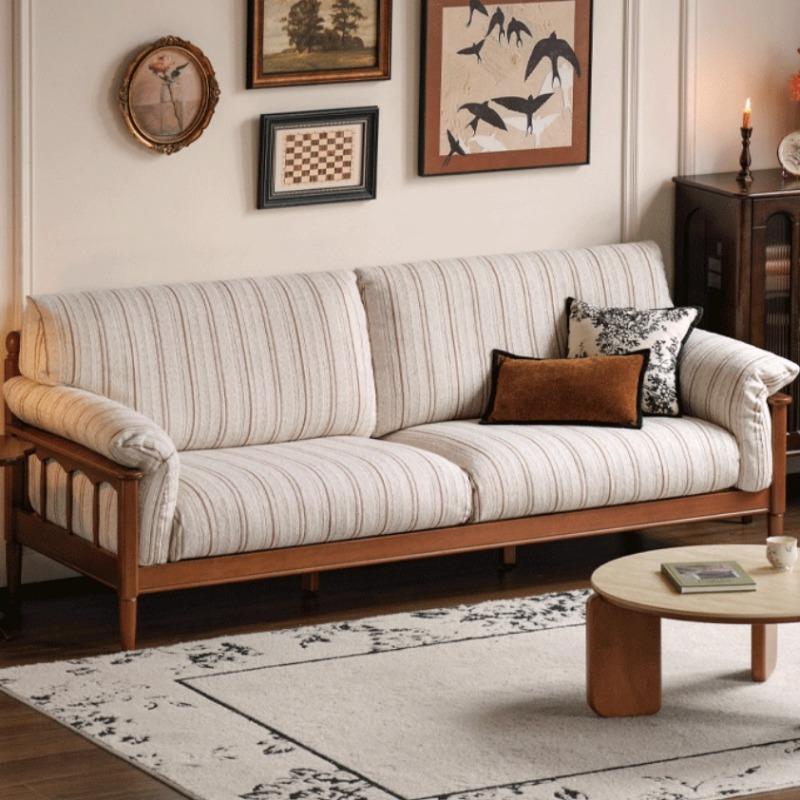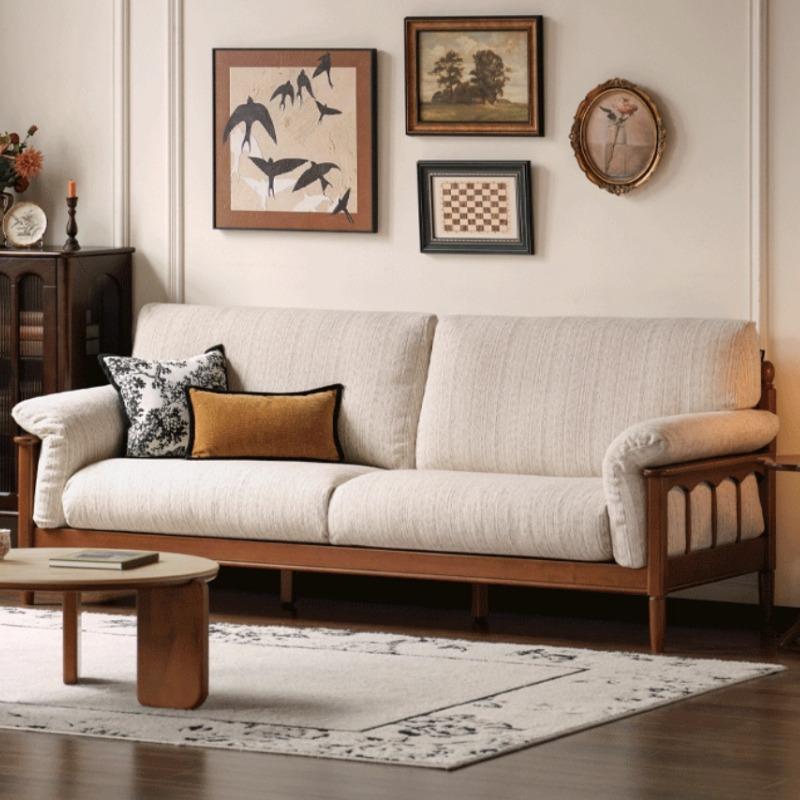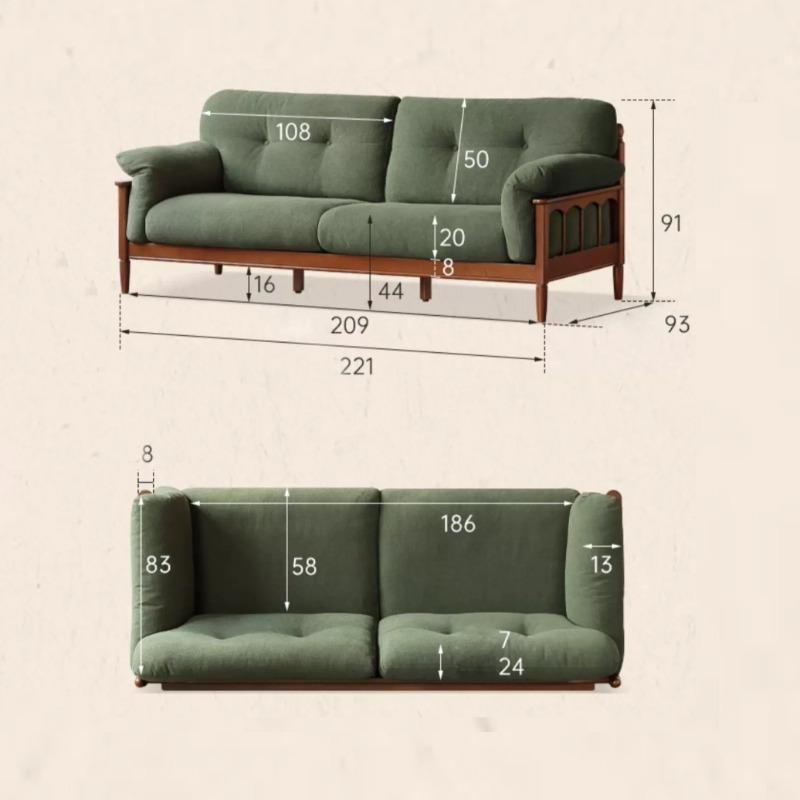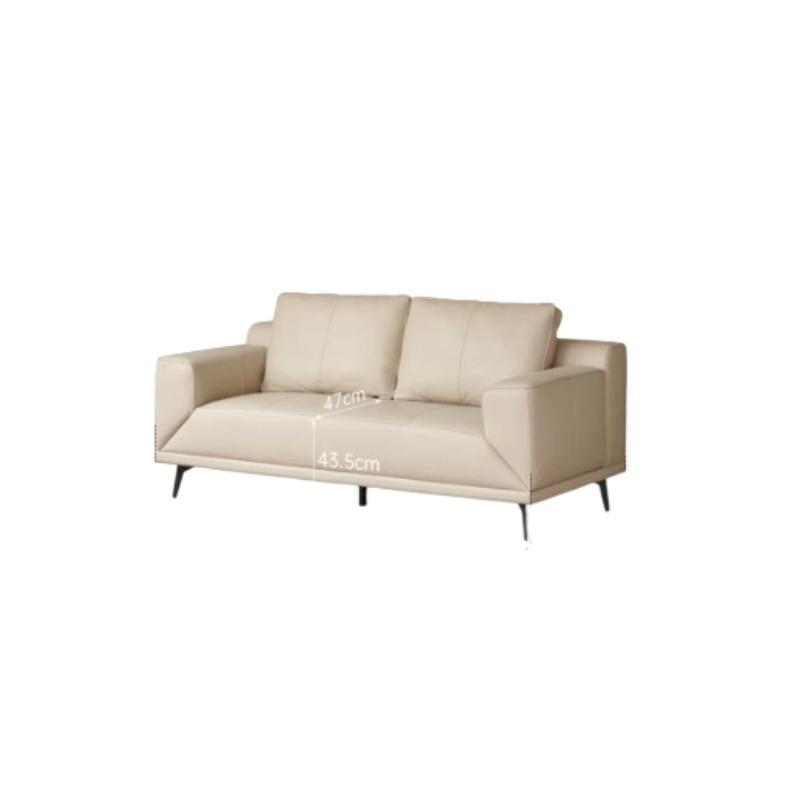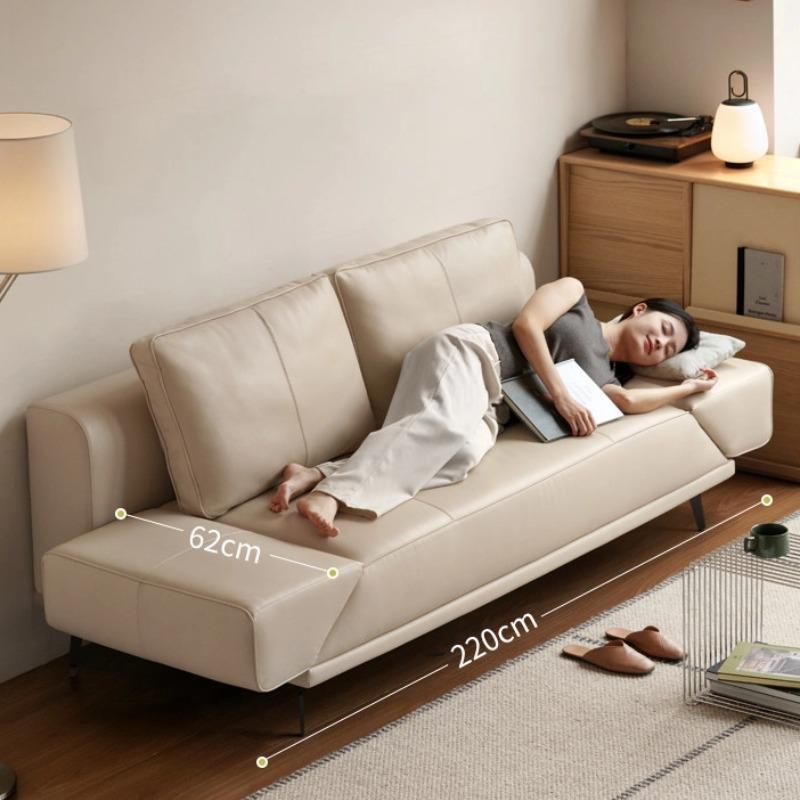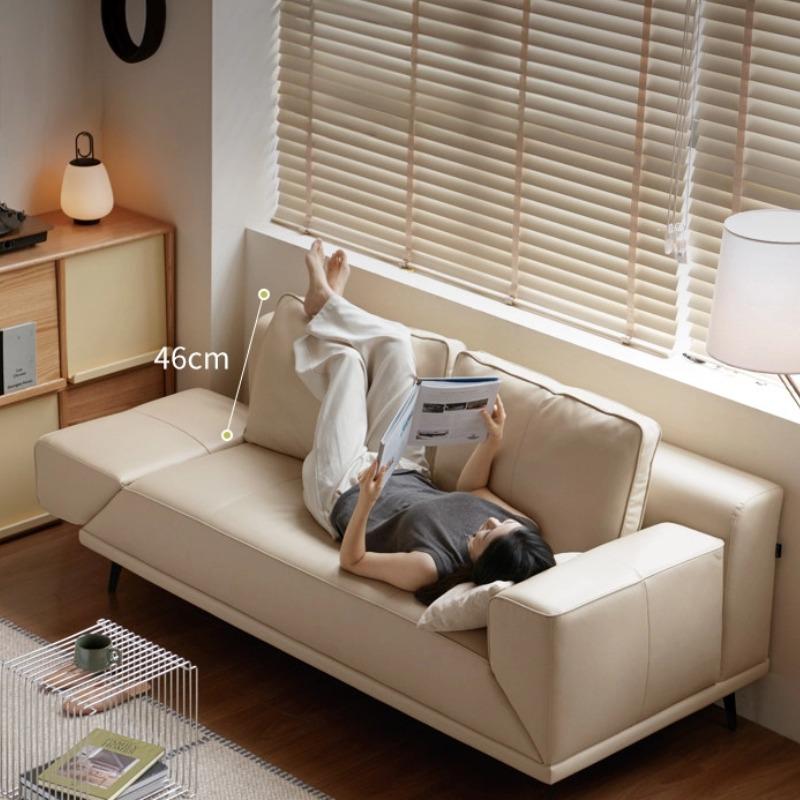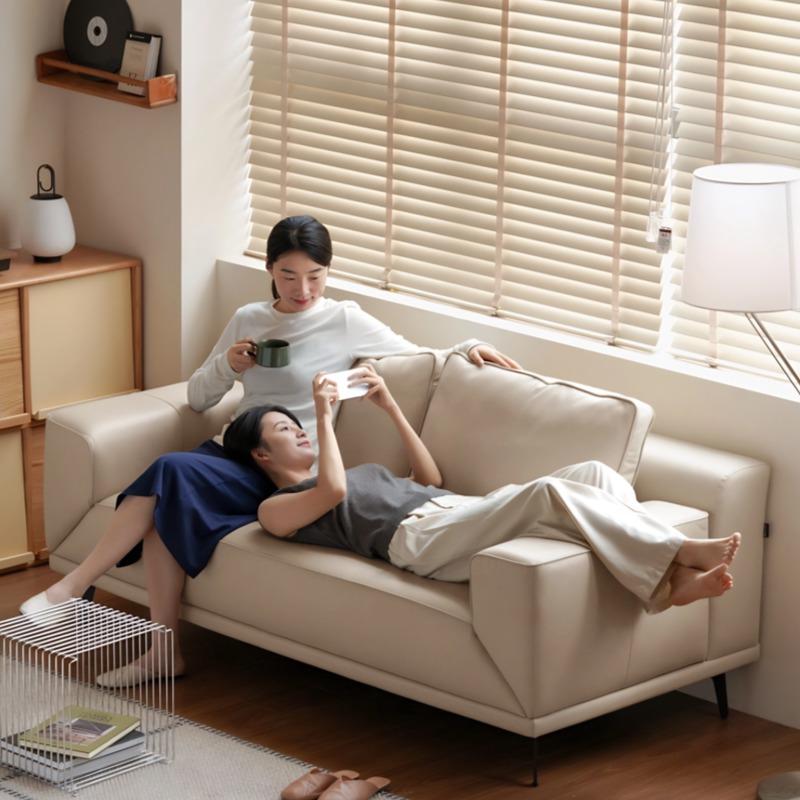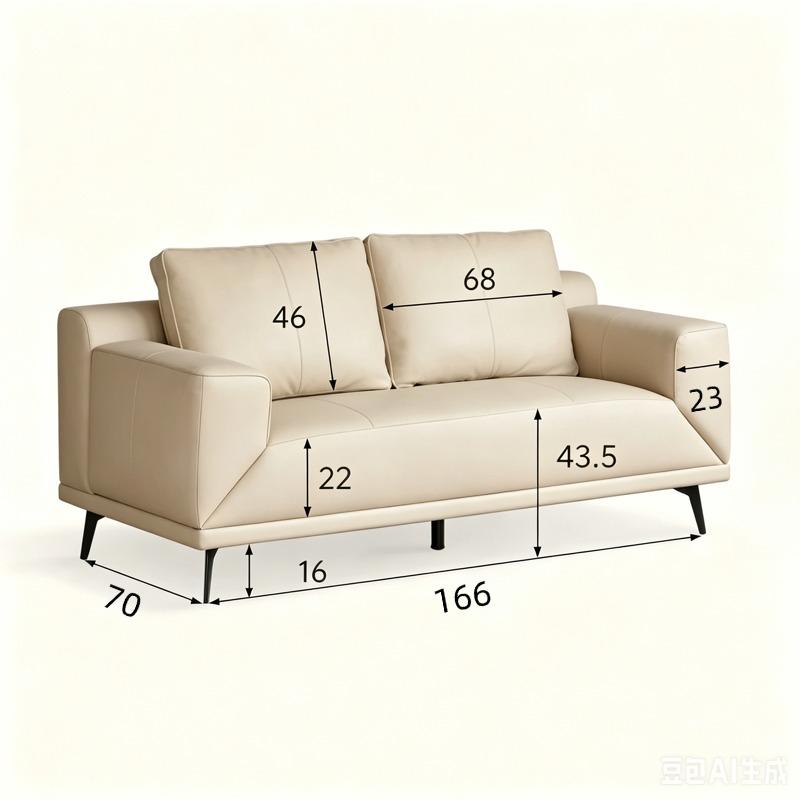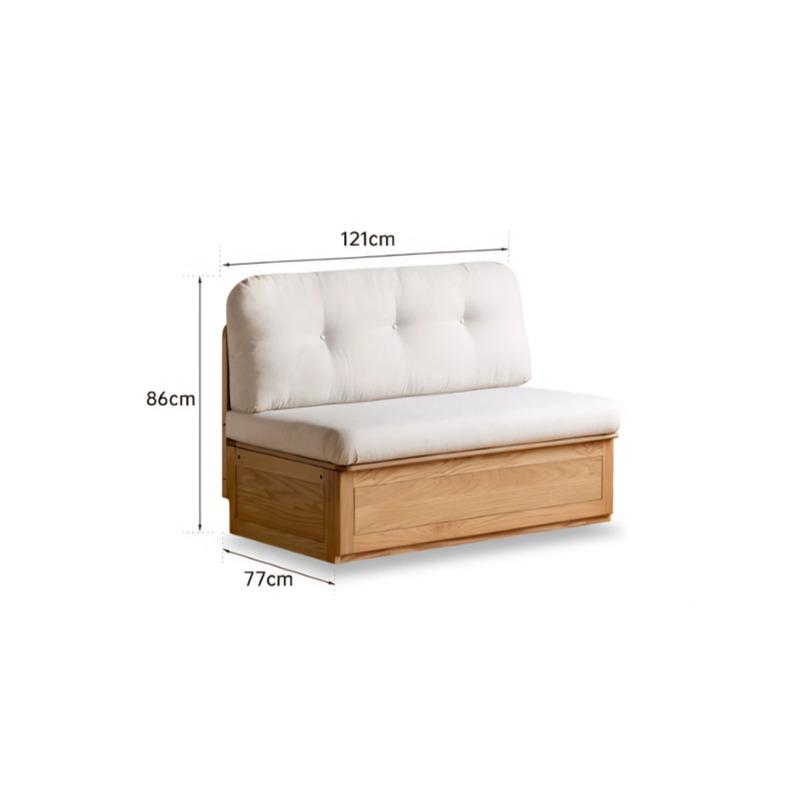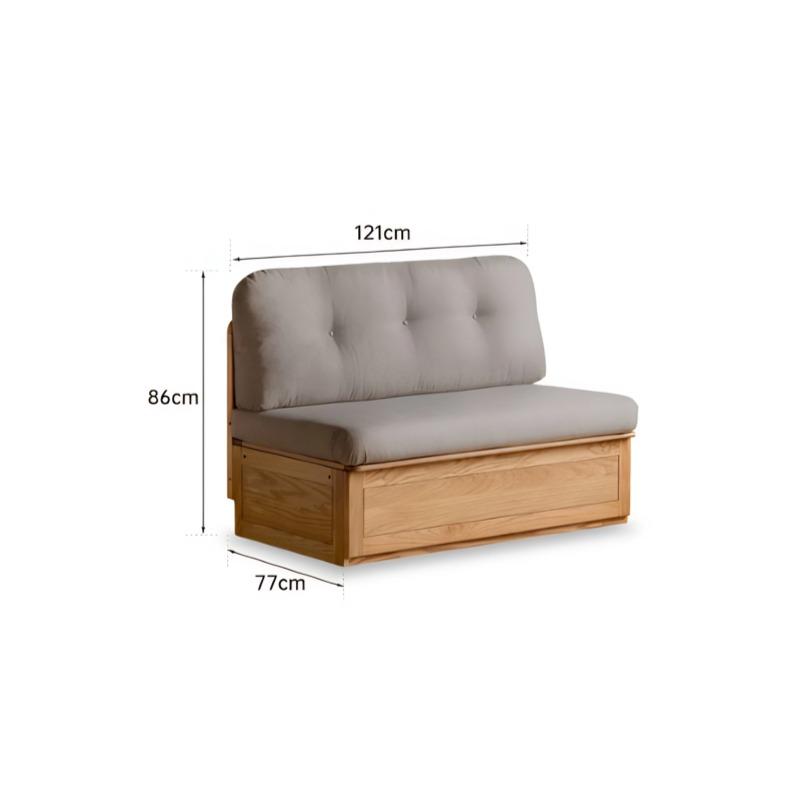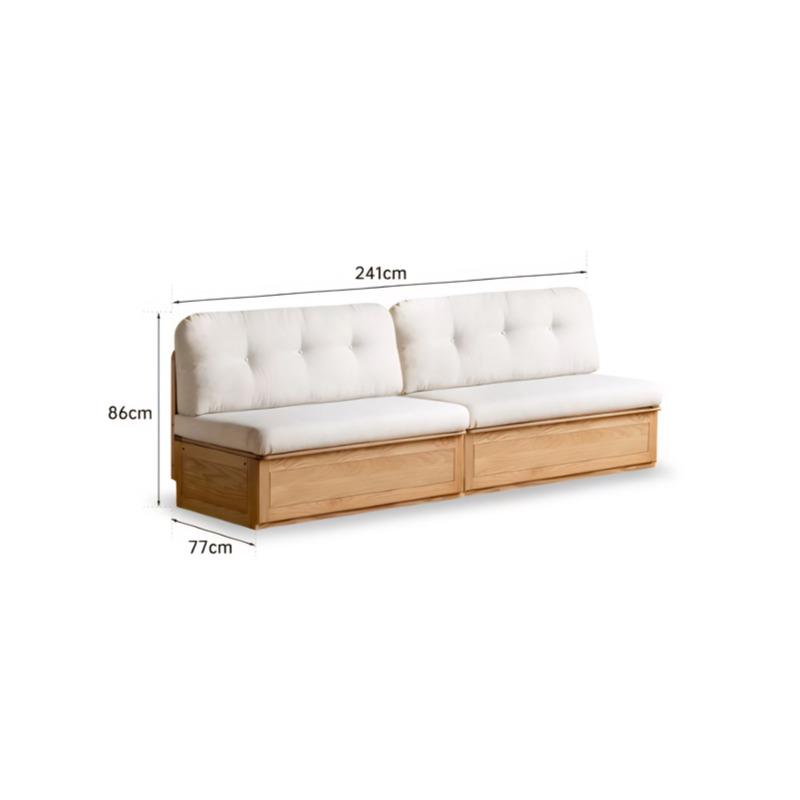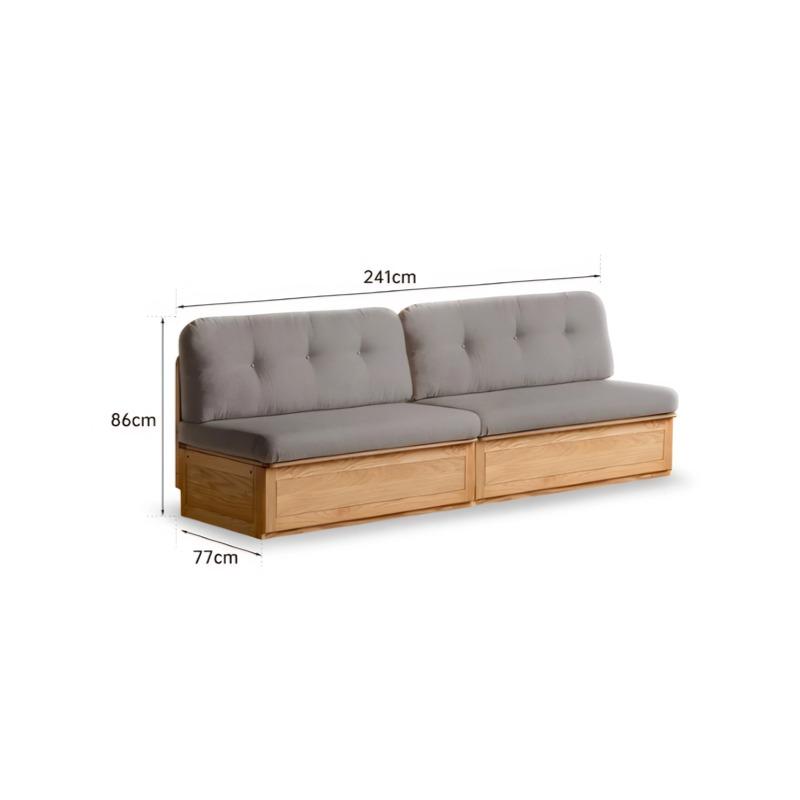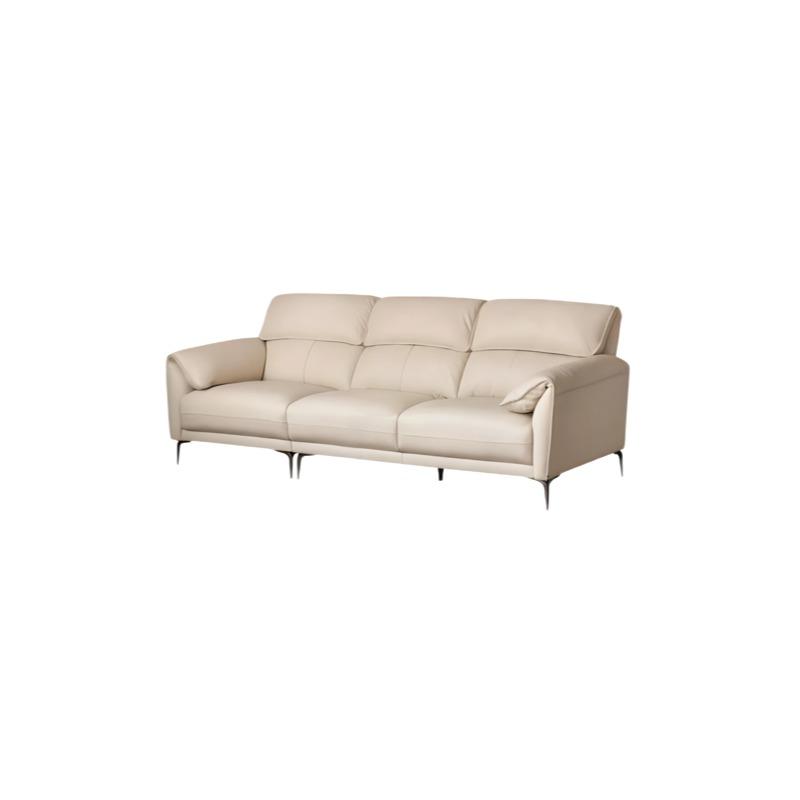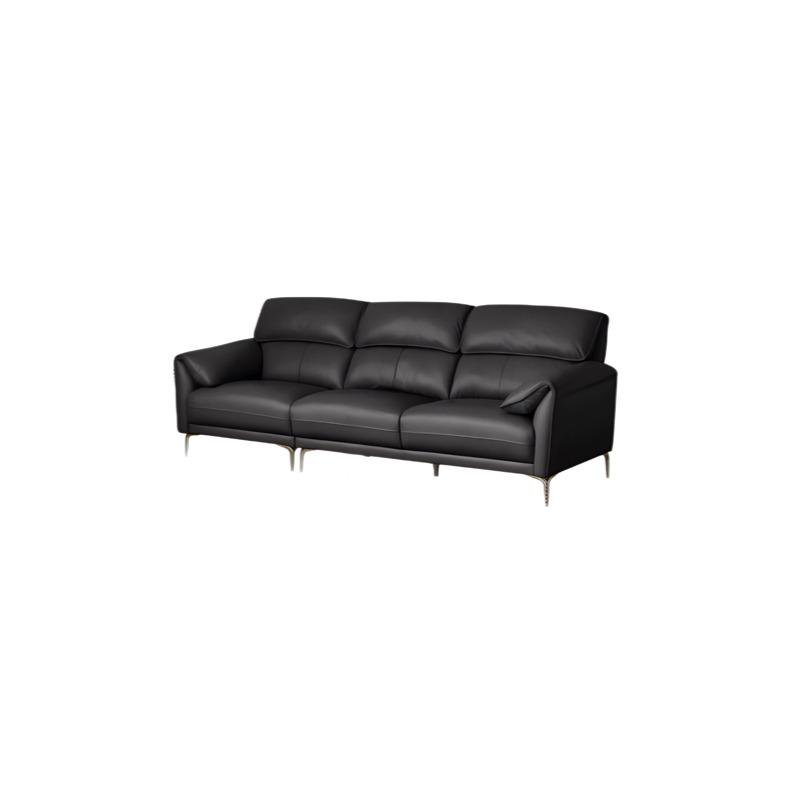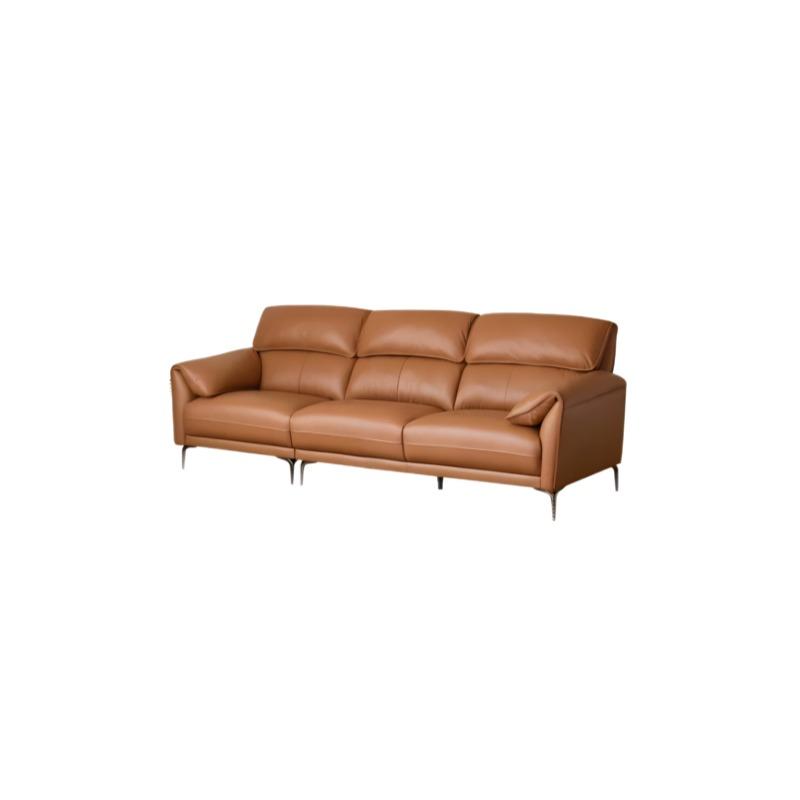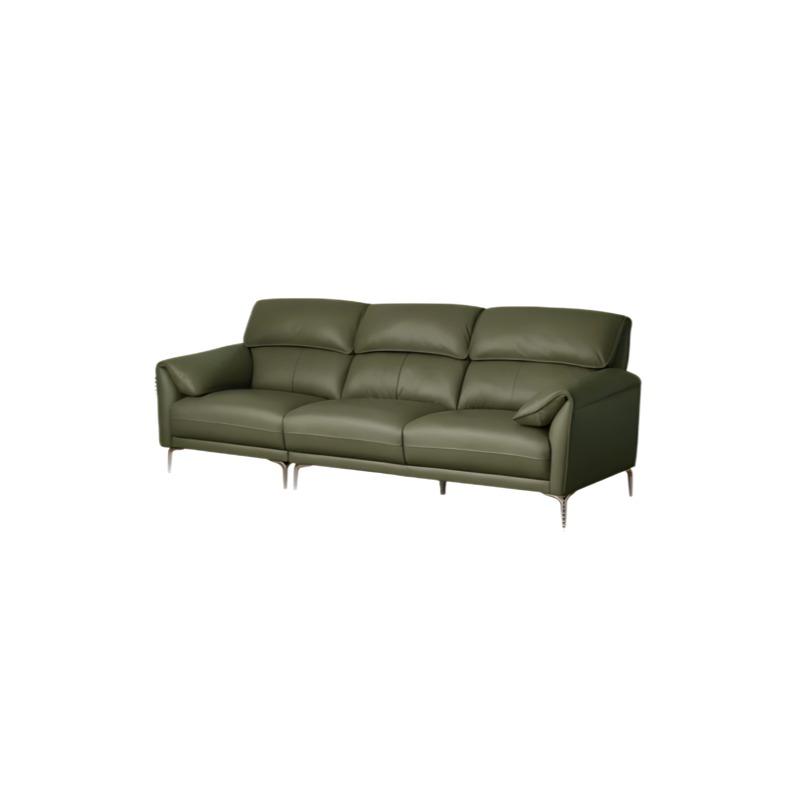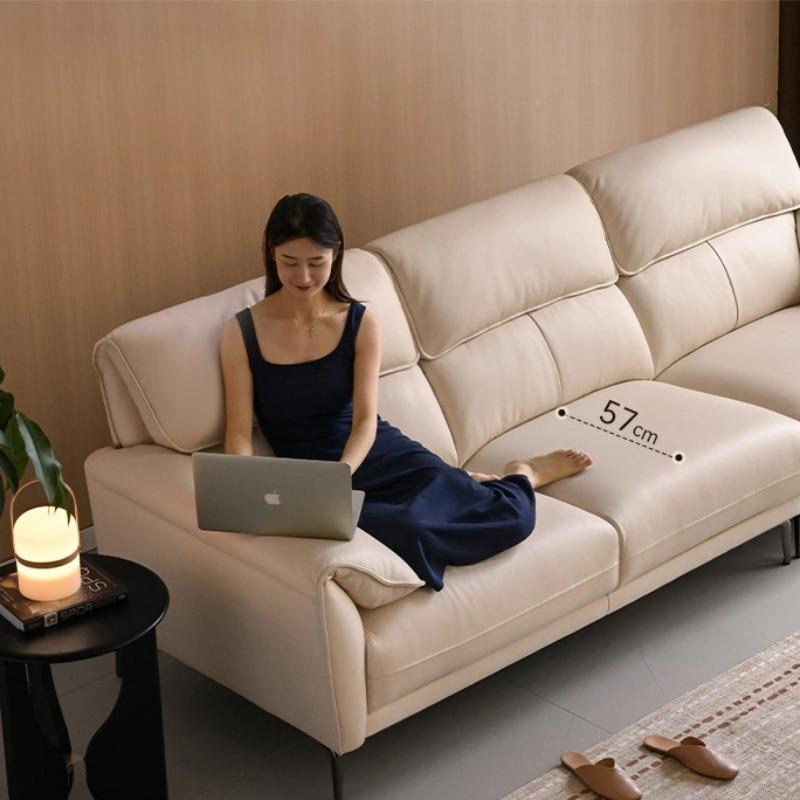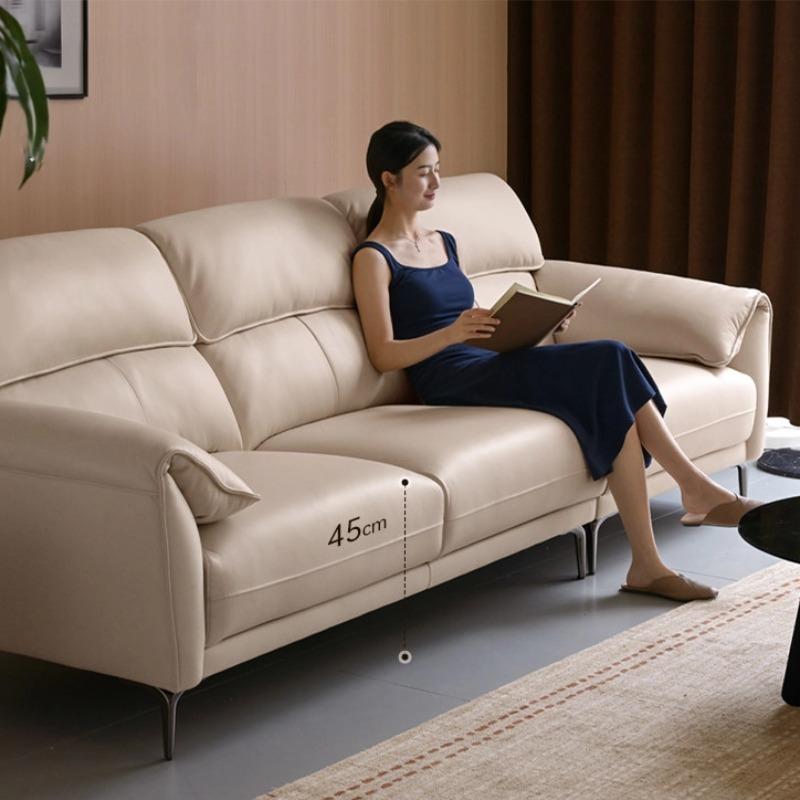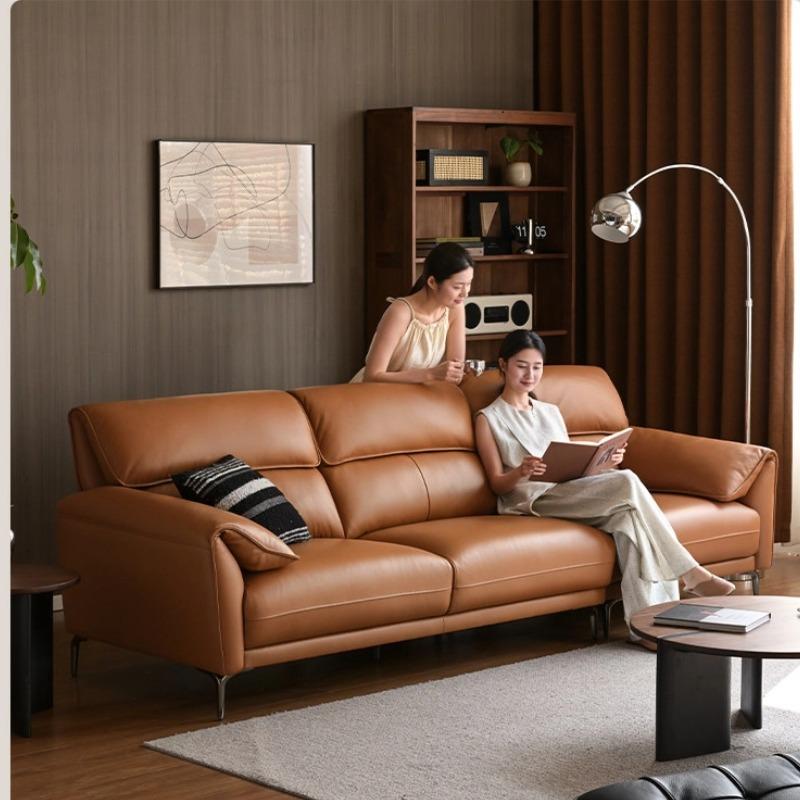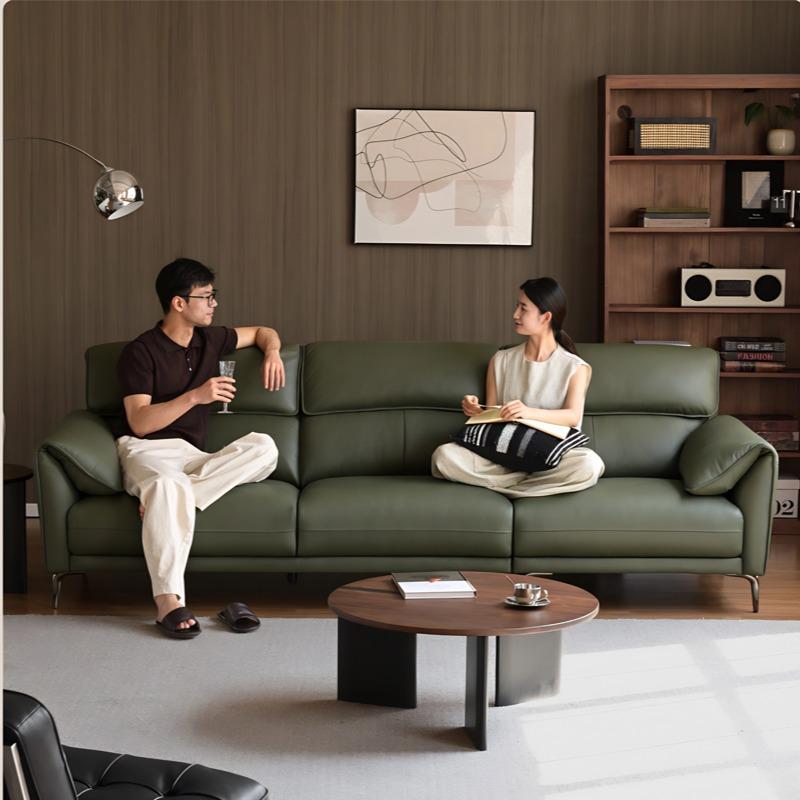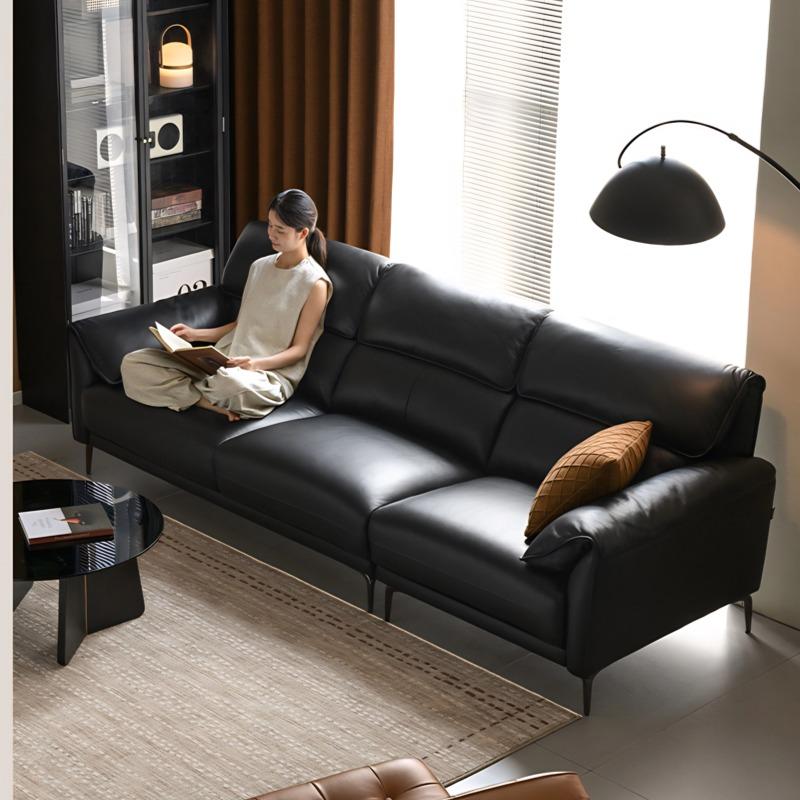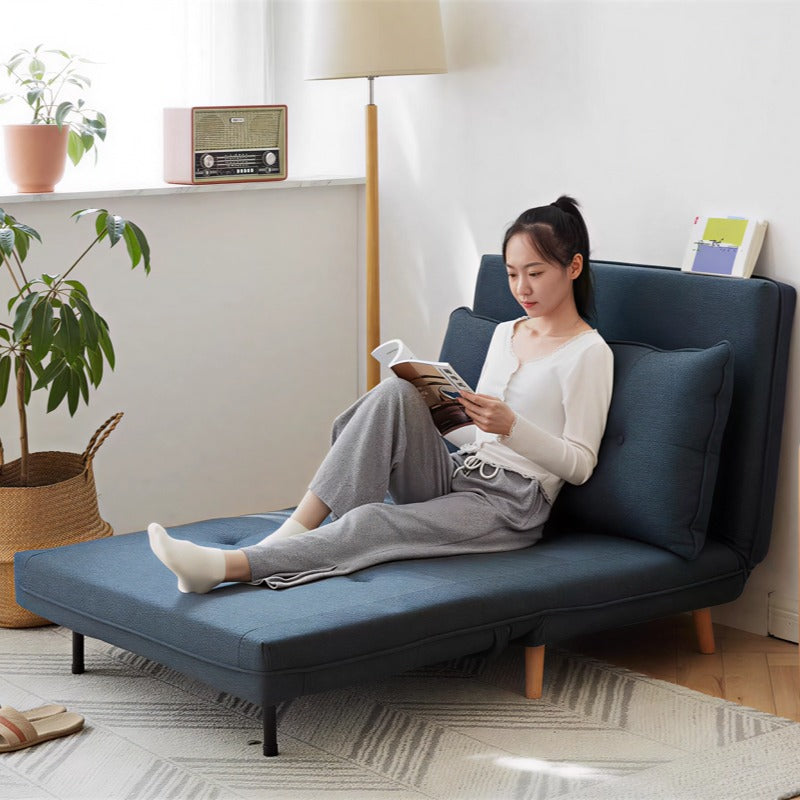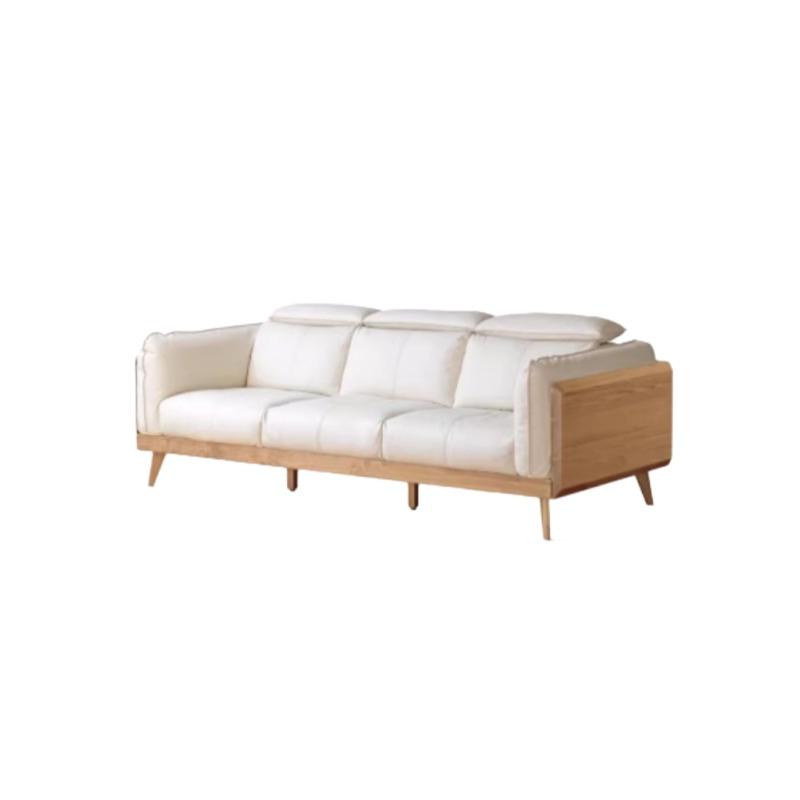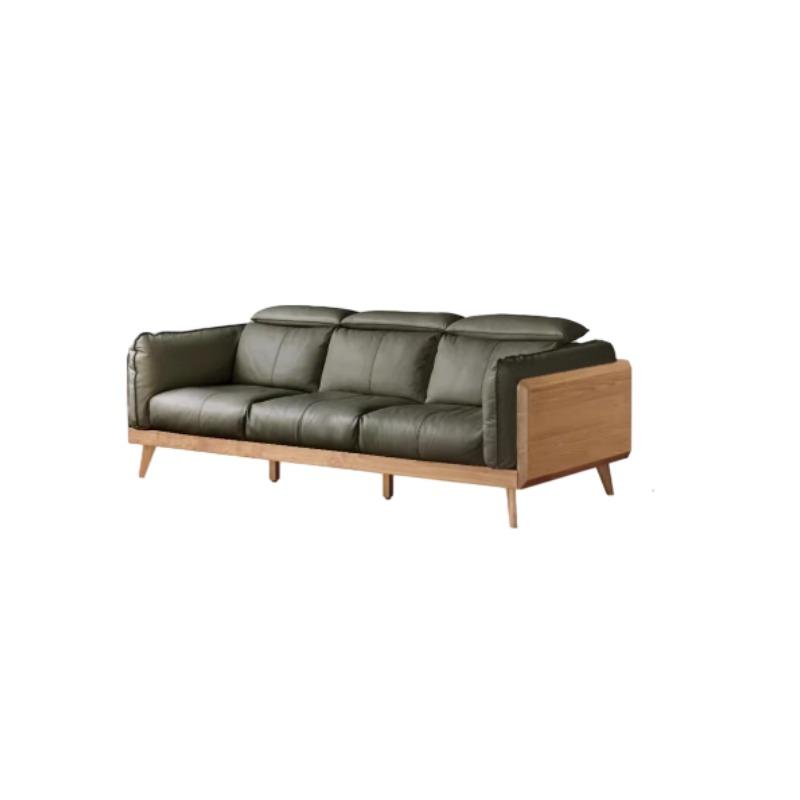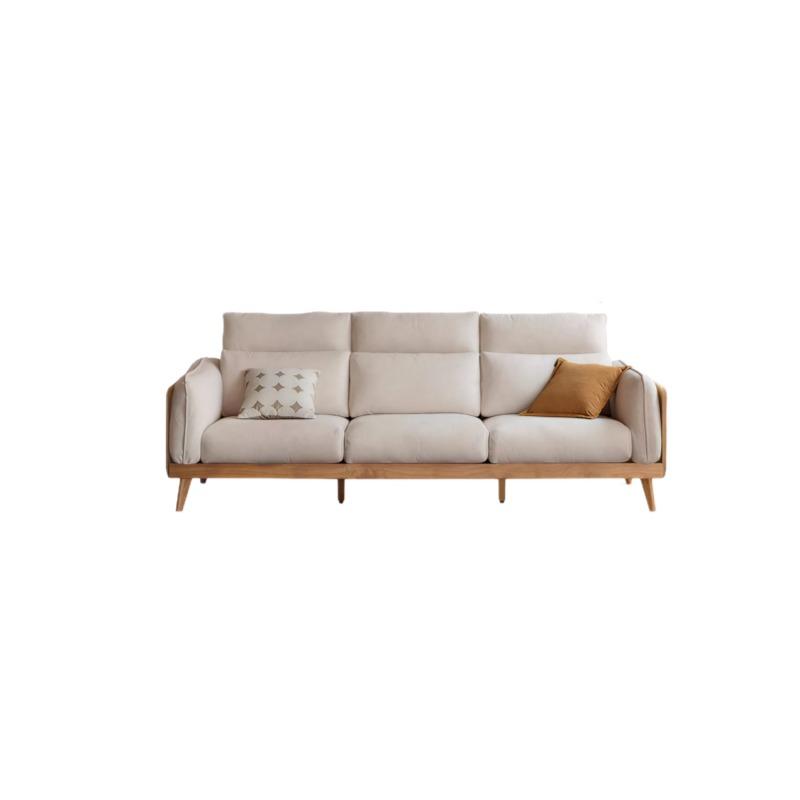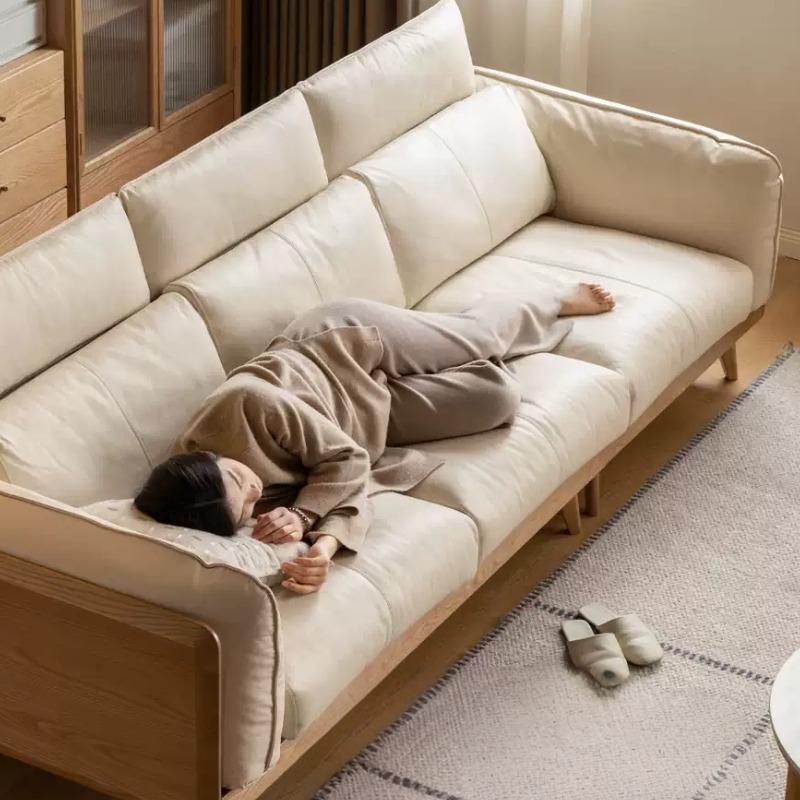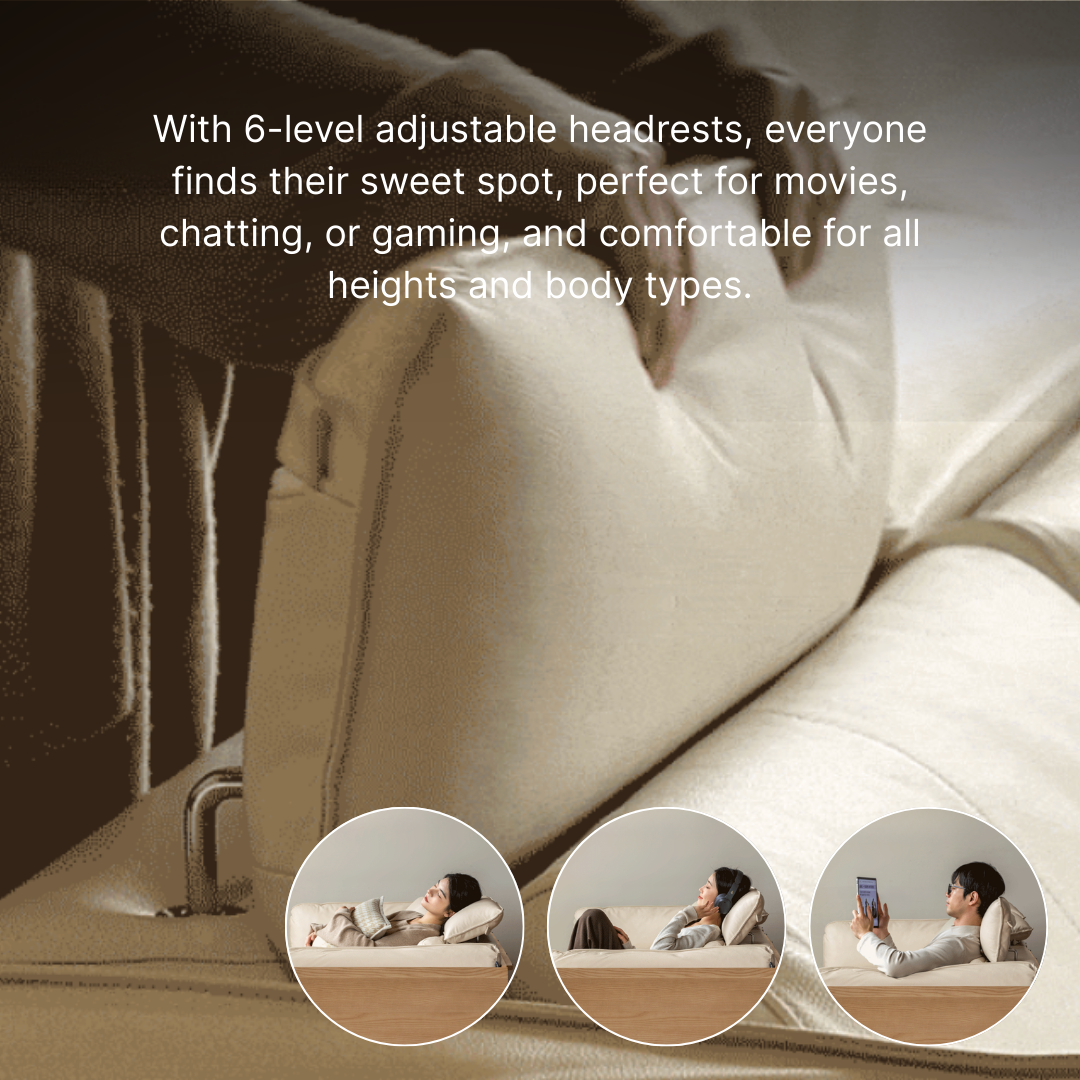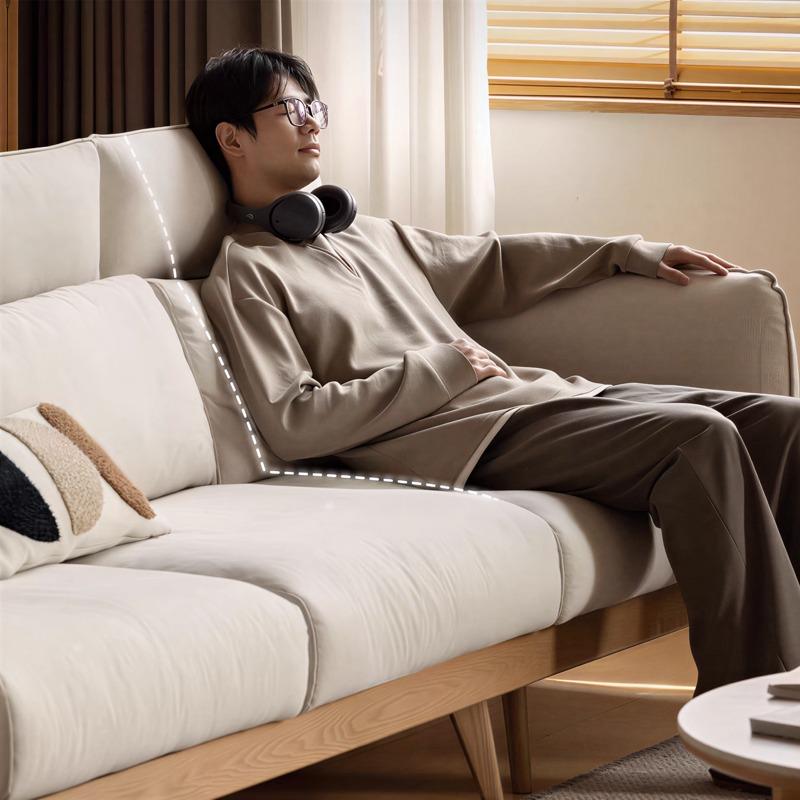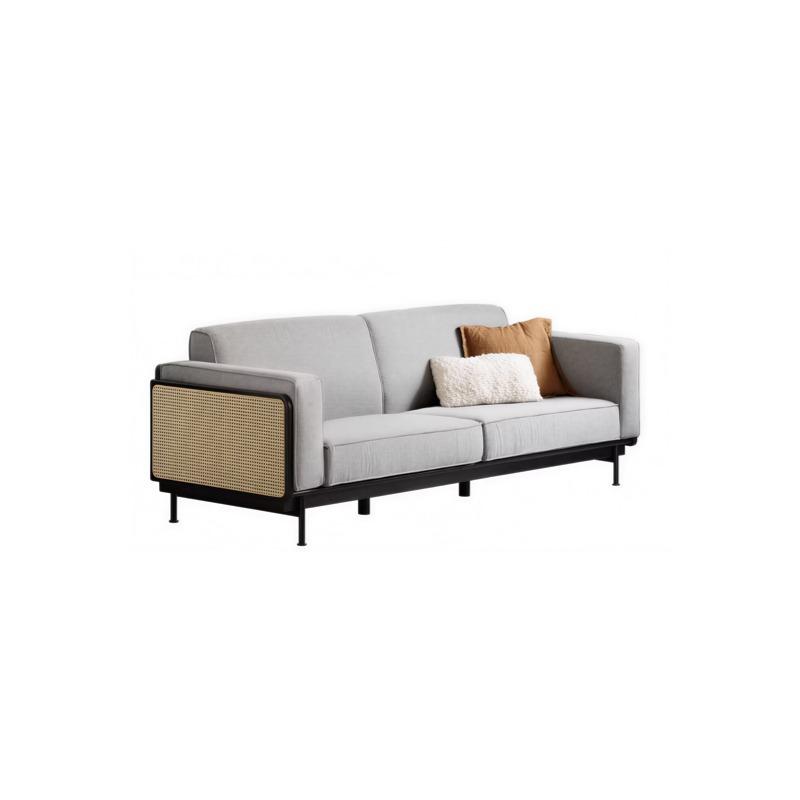



A leather sofa can look sleek, polished and expensive in an air-conditioned showroom. Bring it into a Singapore living room, and the real test begins.
Humidity, heat, daily sitting, food spills, pets and children can change how a sofa feels and wears over time. Some materials hold up well. Others may turn sticky, crack, peel or grow mold if they are not cared for properly.
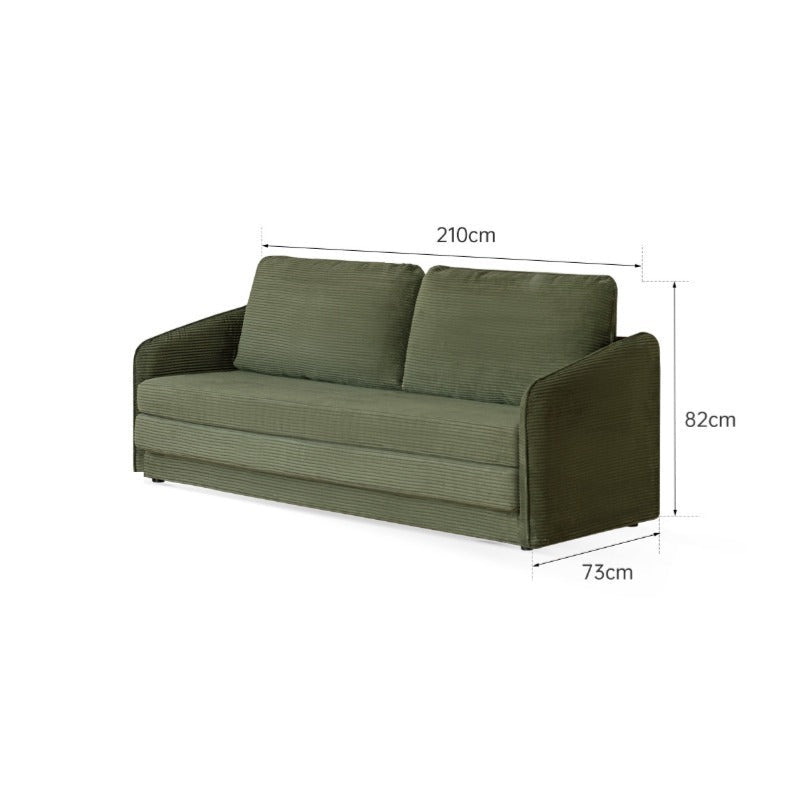
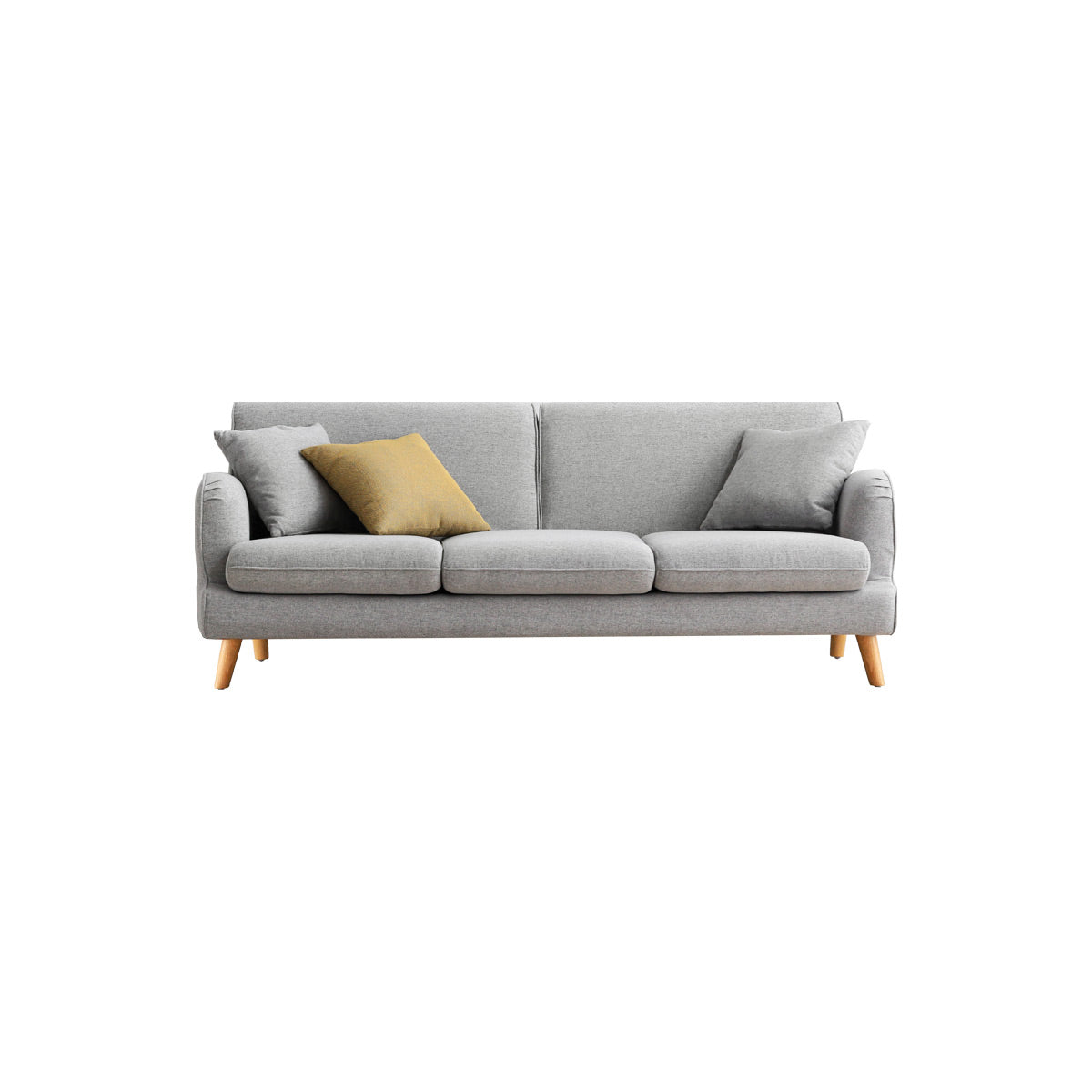
This matters because leather sofas usually cost more than fabric sofas. Whether you are buying a compact 2-seater leather sofa in Singapore or a full-sized 3-seater leather sofa for your main living area, you want to know what you are really paying for.
This compare guides genuine leather, top-grain leather and IUIGA's Leathaire, so you can choose the right material for your home, lifestyle and maintenance habits.
What the Labels Actually Mean
Not all “leather” sofas are made the same way. The label matters because it affects comfort, durability, maintenance and long-term value.
Genuine Leather, Also Known as Full-Grain Leather
Full-grain leather comes from the outermost layer of the hide. It keeps the natural grain, marks and slight imperfections of the material.
That is what gives it character. Over time, full-grain leather can develop a rich patina, which many people see as part of its appeal. It is also the most breathable type of real leather and one of the most durable when well cared for. The trade-off is maintenance.
In Singapore, indoor conditions can change quickly. You may have air conditioning at night, humidity during the day and sunlight coming through the windows. Full-grain leather needs regular conditioning to prevent drying, cracking and stiffness. Choose it only if you are willing to care for it properly.
Top-Grain Leather
Top-grain leather is also real leather, but the surface has been sanded and coated to remove natural marks and imperfections.
This gives it a smoother, more uniform look. It feels polished and refined, which works well if you prefer a cleaner finish over the natural markings of full-grain leather.
Because of its coating, top-grain leather is less breathable than full-grain leather. However, that same coating also makes it more resistant to light stains and incidental moisture.
For homes in Singapore, this can be useful. A top-grain leather sofa is generally easier to maintain than full-grain leather because the surface layer gives you a little more protection against daily use. It still needs care, but it is more forgiving.
Leathaire
Leathaire is a microfibre-based material designed to mimic the look and feel of leather without using animal hide.
IUIGA’s Leathaire is made for everyday living. It gives you the clean, modern appearance of leather, with easier care and greater resistance to Singapore’s humid conditions. The key point is that Leathaire is not the same as PU leather.
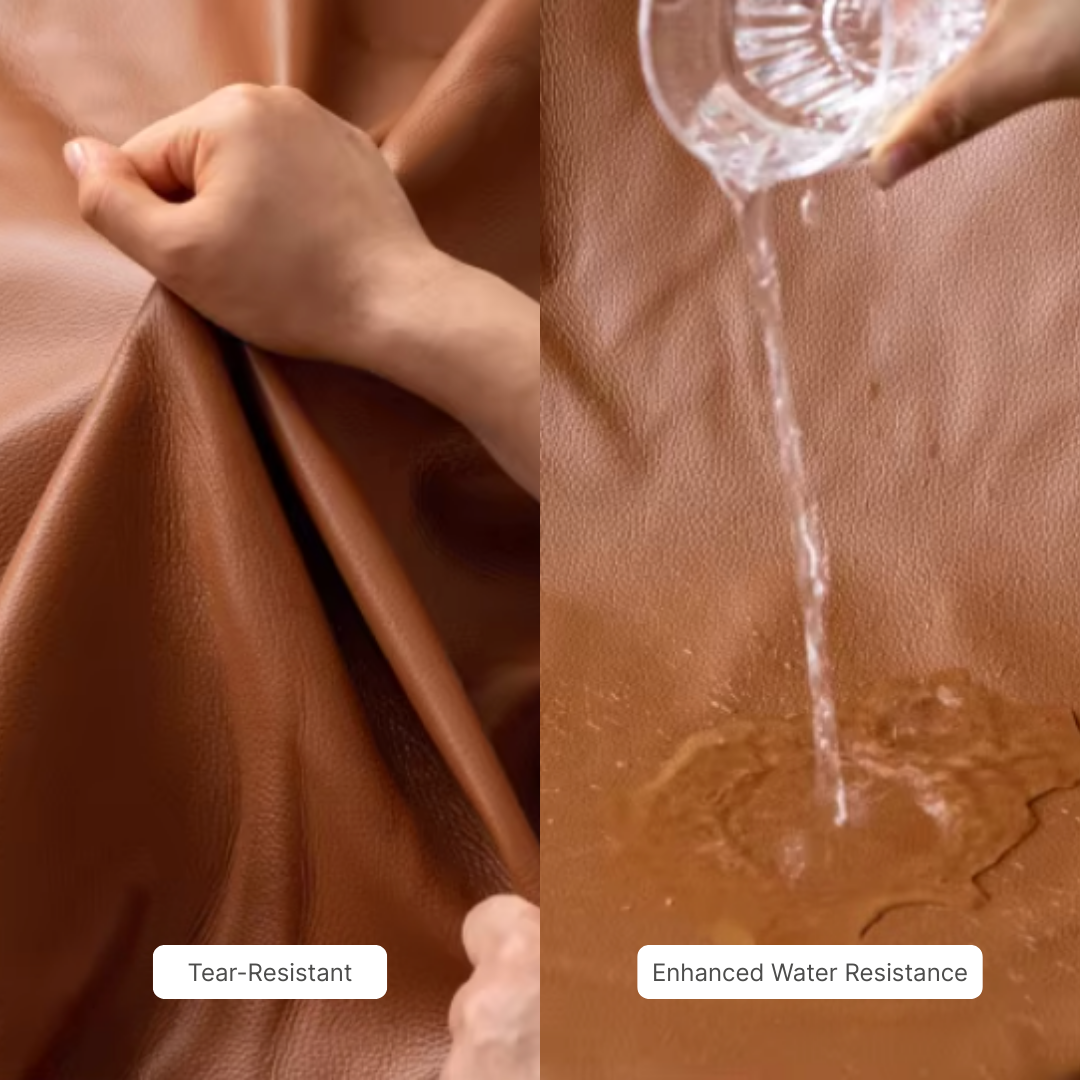
PU leather, also known as bonded leather, is often made from ground leather scraps with a synthetic coating. It is known to peel over time, especially in hot, humid homes. Leathaire is different. It is engineered from microfibre and does not peel or crack the way bonded leather does. It is easy to wipe clean, which makes it especially practical if your sofa gets heavy daily use.
How Each Material Performs in Singapore’s Climate
Singapore’s humidity often sits high throughout the year. That affects how sofa materials behave, especially if your living room is not always air-conditioned.
Humidity and Mould Risk
Singapore’s humidity can affect any sofa material, but real leather needs the most attention. Moisture, poor airflow and close wall placement can increase the risk of mould over time.
Key points to note:
-
Full-grain leather can absorb moisture if not properly maintained. It needs regular care, especially in rooms with poor ventilation.
-
Top-grain leather offers better protection because of its coated surface. It still should not sit in damp conditions for long periods.
-
Leathaire has a non-porous surface that resists moisture absorption more effectively. This makes it a lower-risk choice for humid Singapore homes.
If you want the leather look without worrying too much about mould, Leathaire is the easiest option to live with.
Heat and Stickiness
A sofa may feel different in a cool showroom compared with a warm living room. This matters if your home is not always air-conditioned.
Here is how each material usually feels:
-
Full-grain leather is the most breathable real leather option, but it can still feel warm after sitting for a long time.
-
Top-grain leather has a coated surface, so it may feel less breathable than full-grain leather.
-
Leathaire typically feels cooler than real leather because of its microfibre construction.
If your living room gets warm during the day, Leathaire may feel more comfortable for regular lounging.
Durability and Longevity
Durability depends on both material quality and how much care you are willing to give. A sofa that looks good on delivery day still needs to hold up after years of sitting, cleaning and daily use.
As a general guide:
-
Full-grain leather can last 15 to 20 years when properly maintained. It suits you if you want a premium piece that ages naturally.
-
Top-grain leather can last around 10 to 15 years with regular care. It gives you real leather appeal with a smoother and more consistent finish.
-
Leathaire depends on usage and care, but IUIGA’s Leathaire is tested for tropical durability. It offers strong day-to-day value because it needs less effort to maintain.
A 3-seater leather sofa often sits at the centre of your living room for years. Think beyond the first impression. The better question is how the material will feel after daily use, repeated cleaning and Singapore’s climate.
Quick Sofa Material Comparison
|
Material |
Best For |
Singapore Humidity |
Comfort in Warm Rooms |
Maintenance Level |
Key Trade-Off |
|
Full-grain leather |
Premium homes, long-term investment pieces, homeowners who enjoy natural leather ageing |
Higher mould risk if poorly ventilated or not conditioned |
Breathable for real leather, but can still feel warm |
High |
Needs regular conditioning and careful placement |
|
Top-grain leather |
Real leather look with easier upkeep |
Better moisture resistance due to the coated surface |
Less breathable than full-grain leather |
Medium |
More uniform look, but less natural character |
|
Leathaire |
Busy homes, children, pets, high-traffic living rooms |
Lower mould risk due to non-porous surface |
Usually cooler than real leather |
Low |
Not animal hide, so it will not develop a natural leather patina |
Maintenance Reality Check for Singapore Households
Every sofa material needs care. The difference is how much effort you need to put in.
Real Leather Care Routine
Real leather rewards care, but it does not forgive neglect.
To keep a genuine leather or top-grain leather sofa in good condition, you should:
-
Wipe it weekly with a dry, soft cloth.
-
Apply leather conditioner every 3 to 6 months.
-
Keep it away from direct sunlight.
-
Avoid placing it against damp walls.
-
Use a dehumidifier if the room has poor ventilation.
Conditioning matters because leather contains natural oils. When those oils dry out, the surface can crack, stiffen or lose its smooth feel.
Sunlight is another issue. UV exposure can fade leather and dry out the surface, especially in living rooms with large windows.
Leathaire Care Routine
Leathaire is much simpler. For regular upkeep, wipe it with a damp cloth. You do not need leather conditioner, specialist cleaning products or a strict care schedule.
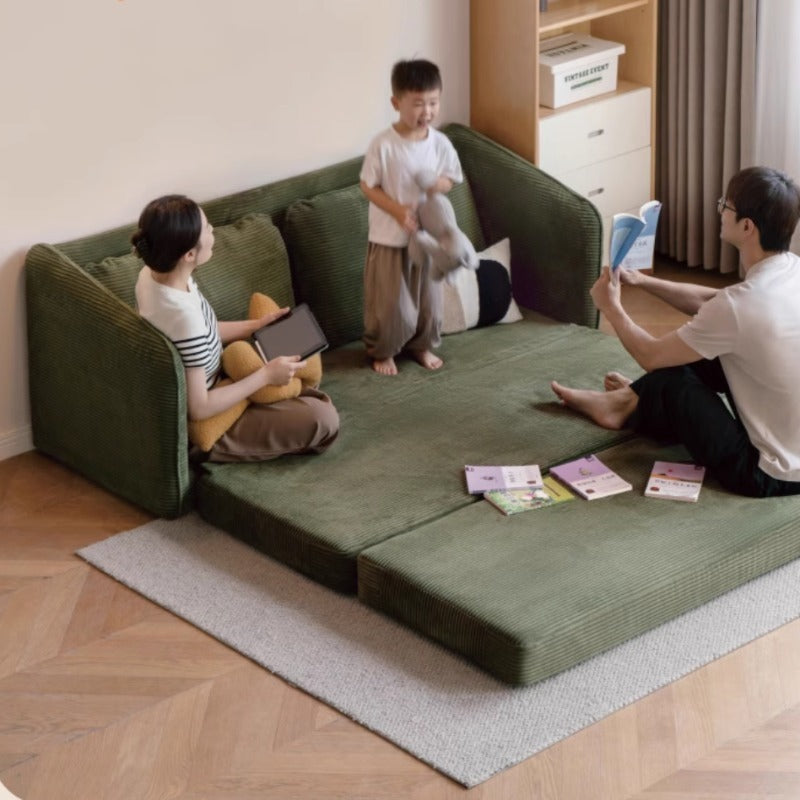
This makes it suitable for homes where the sofa gets used every day. If you have children eating snacks on the sofa, pets jumping up, guests visiting often, or family members lounging for long hours, Leathaire gives you a lower-maintenance option. It is designed for real homes, not just showroom settings.
Which Is Right for Your Household?
The best sofa material depends on how you live. Choose full-grain leather if you want a premium sofa, enjoy the material's natural character, and are willing to maintain it. It suits well-ventilated or air-conditioned living rooms and works best for homeowners who appreciate how real leather develops with age.
Choose top-grain leather if you want the aesthetics of real leather with a smoother finish and lower maintenance requirements. It is a practical middle ground if you like leather but want better resistance against light stains and everyday moisture.
Choose Leathaire if you have children, pets or a high-traffic living room. It gives you the leather look with easier care, better humidity resistance and no need for regular conditioning.
This is why many Singapore households find Leathaire more practical for daily use. It gives you the style you want without adding another maintenance task to your routine.
If you are comparing options during a sofa sale in Singapore, do not choose based on price alone. Look closely at the material, cleaning requirements, seat comfort and how the sofa will perform in your actual home.
You can explore IUIGA’s leather and Leathaire sofa range here: https://iuiga.com/collections/leather-sofas
Conclusion
Real leather can work beautifully in Singapore, but it needs care. If you choose full-grain or top-grain leather, you need to manage humidity, sunlight and regular conditioning.
Leathaire removes much of that burden. It gives you the clean look of leather with easier maintenance, better day-to-day comfort and stronger practicality for Singapore homes.
For many households, especially those with children, pets or busy schedules, Leathaire offers better long-term value for the effort involved. Before you decide, feel the difference in person. Sit on the sofa, check the texture, look at the finish and think about how much maintenance you are prepared to do.
Explore IUIGA’s leather and Leathaire sofa collections at https://iuiga.com/collections/leather-sofas, or visit the showroom to compare materials before choosing your fit.
Frequently Asked Questions
Does leather go sticky in Singapore’s humidity?
Leather can feel sticky in Singapore if the room is warm, humid or poorly ventilated. Body heat, sweat and moisture can affect how the surface feels. Regular cleaning, conditioning and good airflow help reduce this issue.
What is the difference between Leathaire and PU leather?
Leathaire is a microfibre-based material designed to look and feel like leather. PU leather, or bonded leather, often uses ground leather scraps with a synthetic coating and is more prone to peeling over time. Leathaire is not the same as PU leather and is designed to be more durable in daily use.
How do I prevent mold on a leather sofa in Singapore?
Keep your leather sofa in a well-ventilated area, avoid placing it directly against damp walls and wipe it regularly with a dry cloth. If your living room is humid, use a dehumidifier. Leather conditioner also helps maintain the material and reduce cracking.
Is genuine leather or Leathaire better for a household with young children?
Leathaire is usually more practical for households with young children because it is easier to wipe clean and does not need regular conditioning. Genuine leather offers a premium feel, but it needs more care and may not suit homes where spills and heavy use are common.
How often do I need to condition a leather sofa in Singapore?
For most Singapore homes, condition a real leather sofa every 3 to 6 months. If your living room gets strong sunlight or feels dry from frequent air conditioning, you may need to condition it more often.